My daughter accused me of choosing myself over my grandchildren because I refused to babysit for one weekend.
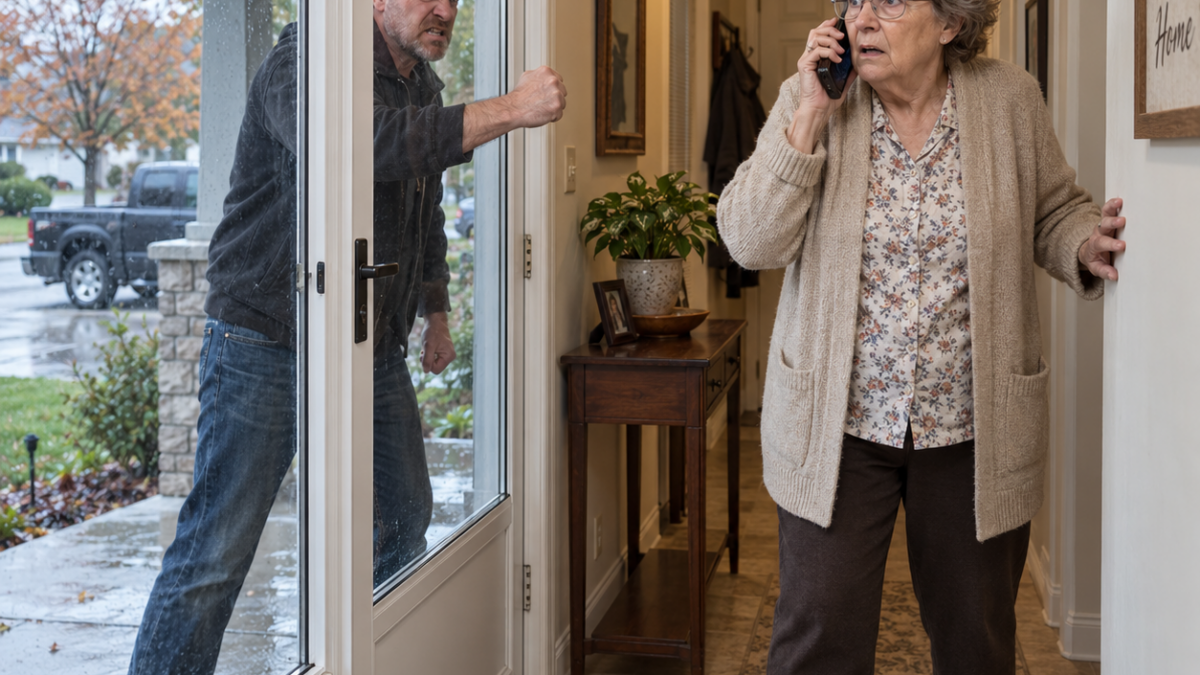
PART2
“That is not the same as agreeing to keep two children for three days.”
She exhaled sharply.
“Mom, it’s one weekend.”
“Yes.”
“You’ve kept them before.”
“Yes.”
“Then what’s different?”
“My eye.”
She went quiet.
I waited for something I never received.
Are you nervous?
Do you need me to drive you?
What time is surgery?
Instead she said:
“Wade’s been working nonstop. We need this.”
I closed my eyes.
“I understand.”
“No, you don’t.”
“What would you like me to do?”
“Keep the kids.”
“I can’t.”
“You mean you won’t.”
“No, Caroline. I mean I can’t.”
“Call the clinic and move the appointment.”
I actually pulled the phone away from my ear.
Then put it back.
“What?”
“It’s cataract surgery, Mom. It’s not an emergency.”
I remember staring at a water spot on the kitchen window.
Something about that tiny mark helped me remain calm.
“I waited four months for this appointment.”
“It can wait another week.”
“Why can’t your trip wait another week?”
Another silence.
Then:
“Because four adults already coordinated schedules.”
I almost laughed.
Apparently four adults coordinating a vacation outweighed one old woman trying to see properly.
“Ask Wade’s mother.”
“She already has plans.”
“Then hire someone.”
“For three days?”
“Yes.”
“Do you know what that costs?”
I did.
I had paid for enough things in their life to understand exactly what almost everything cost.
Still, I said:
“I’m sorry.”
Caroline became colder.
“So that’s it?”
“That’s it.”
“You’re really choosing yourself.”
I looked toward the photograph of Royce sitting on the counter.
My husband had been dead six years.
In the picture, he was fifty nine, sunburned, holding a fish he insisted was larger than it actually was.
Royce never would have allowed Caroline to talk to me that way.
But he was not there.
And for six years, I had compensated for his absence by becoming softer.
More available.
More forgiving.
“Caroline,” I said, “having surgery is not choosing against your children.”
She hung up.
Two days later came the text.
You’re choosing yourself over your own grandchildren, and that’s a hill you want to die on. Fine.
Behind me, the kettle screamed.
I let it scream until the sound became almost unbearable.
Then I turned off the burner.
The kitchen became quiet.
I did not reply.
No defense.
No paragraph explaining my love.
No reminder of every weekend I had already given them.
No guilt.
No begging.
I placed the phone face down on the table.
An hour later, Wade sent me a screenshot.
No greeting.
No explanation.
It showed an $800 transfer I had made two weeks earlier toward Hudson’s preschool tuition.
Reversed.
At first I thought there had been an error.
Then I understood.
I had sent the money voluntarily because Caroline had complained that summer enrollment and preschool overlapped that month.
Now they were sending it back.
Not because they no longer needed it.
Because I had said no.
It was punishment disguised as independence.
Fine.
You won’t help us this weekend?
Then we don’t want your help at all.
I stared at the screenshot.
What disturbed me was not losing $800.
I had the money.
What disturbed me was imagining the conversation that must have happened before Wade pressed the button.
They had sat together.
Discussed me.
Discussed the surgery.
Discussed the children.
Then decided how to punish me.
That realization hurt in a place money could not reach.
The next morning, I drove to their house anyway.
That was my mistake.
Or maybe it was the last time I made the old mistake.
I told myself I wanted to return Hudson’s sweater.
Really, I wanted Caroline to open the door and say:
Mom, I was angry.
I’m sorry.
I wanted to repair the problem before it had time to harden.
Their Subaru was in the driveway.
Wade’s truck was beside it.
Hudson’s red tricycle lay tipped into the grass.
I rang the bell.
Inside, PBS Kids was playing.
Then I heard Hudson.
“Grandma?”
My heart lifted.
I heard Caroline say something low.
Hudson went silent.
I waited.
Thirty seconds.
One minute.
Two.
I rang again.
Nothing.
They knew I was standing there.
My grandson knew I was at the door.
And my daughter had decided silence would teach me a lesson.
I put the sweater on the porch.
Then I left.
I did not cry until I was almost home.
When I pulled into my driveway, a manila envelope was leaning against the storm door.
At first I assumed it was something from the clinic.
Then I saw my name in Wade’s handwriting.
Inside was a typed letter.
Three paragraphs.
They needed “space.”
My habit of helping financially had created a “transactional relationship with money.”
They wanted to establish “healthier patterns.”
As a “family unit.”
I sat on the church pew bench in my hallway.
Royce built that bench in 1998.
He used oak from an old church renovation and spent two weekends sanding it because he said my backside deserved craftsmanship.
I sat there reading the phrase family unit until something strange happened.
I laughed.
Not because it was funny.
Because Caroline did not say family unit.
Caroline said y’all.
She said fixing to.
She said Lord have mercy when Hudson spilled cereal.
Wade had written that letter.
Or he had dictated enough of it that Caroline’s voice disappeared.
And my daughter had signed underneath his name.
I folded the paper.
Then I went into the spare bedroom.
At the back of the closet was a green accordion file.
Royce had labeled the tab:
C&W.
Caroline and Wade.
He started the file thirteen years earlier after we cosigned Caroline’s first car loan and she let it go into collections without telling us.
When I objected to keeping the paperwork, Royce said:
“We’re not keeping this to use against her, Maggie.”
“Then why keep it?”
“So we remember the truth if we ever start forgetting.”
At the time, I thought he meant forgetting the money.
I would later realize Royce meant something much bigger.
I carried the file into the kitchen.
Inside were thirteen years of yes.
Apartment deposit.
$2,600.
Car repair.
$1,140.
Emergency dental work.
$860.
Part of the house down payment.
$15,000.
Hudson’s NICU expenses.
$11,300.
IVF treatments before Hudson.
Preschool.
Groceries.
A broken furnace.
Wade’s truck repair.
Funeral costs when Wade’s father died and insurance took too long.
One envelope after another.
One problem after another.
One rescue after another.
I found a calculator.
By the time I finished, the total was $73,420.
Seventy three thousand four hundred twenty dollars.
And that did not include gas cards.
Birthday cash.
Christmas gifts.
Diapers.
School pickup.
The six weeks after May was born when I practically lived in their guest room.
It did not include the dozens of times Caroline opened my refrigerator and left with groceries.
It did not include time.
You cannot total time.
If you could, most mothers would discover they died millionaires.
I sat with the calculator in my hand.
For one hard minute, I wanted to call Caroline.
I wanted to read every number.
Do you remember this?
What about this?
Remember when your furnace died?
Remember the NICU?
Remember the afternoon you called crying because you did not know how to make rent?
Remember who came?
Then I heard Royce’s voice in my memory.
We’re not keeping this to use against her.
I closed the file.
Then I called Otis Beaman.
Otis had been Royce’s lawyer for nearly thirty years.
He was seventy four, still practicing, still wearing ties that looked like they had survived three presidential administrations.
His receptionist answered.
When I gave my name, Otis came on almost immediately.
“Maggie?”
“I need an appointment.”
“You all right?”
“I don’t know.”
“What happened?”
“I need to talk about my will.”
Silence.
Then:
“All right.”
“And my power of attorney.”
Longer silence.
“And maybe a few other things.”
“Come Monday.”
“I have surgery Tuesday.”
“Then come this afternoon.”
That was Otis.
No drama.
No questions until the door was closed.
Two hours later, I sat across from him with the green file.
He did not react when I showed him the typed letter.
He did not react to the preschool screenshot.
He did not react when I said Caroline had stopped answering my calls.
He simply reached for a yellow legal pad.
“Start at money.”
So I did.
The $800 reversal.
Preschool.
The old car loan.
The house deposit.
The current accounts.
Then I remembered something.
“After Royce died, Caroline had financial power of attorney.”
Otis’s pen stopped.
“Had?”
“I think she still technically does.”
“Why?”
“I never changed it.”
His face sharpened.
“Bring me up to speed.”
I explained.
After Royce died, I could barely remember my own Social Security number.
Insurance.
Utilities.
Pension paperwork.
Medical bills.
Bank accounts.
Caroline said:
Mom, you shouldn’t have to handle all this alone.
Otis prepared a limited financial power of attorney.
It allowed her to handle certain matters if necessary.
At the time, it felt sensible.
Loving, even.
Otis asked:
“Who has copies?”
“Caroline.”
“Anyone else?”
“I have one.”
“Wade?”
“I don’t know.”
“What does Wade do with their paperwork?”
“Most of it.”
He circled something twice.
Then he looked at me.
“We revoke it today.”
I swallowed.
“Is that necessary?”
“Yes.”
The speed of his answer unsettled me.
“Otis, I’m not accusing my daughter of stealing.”
“I didn’t say you were.”
“Then why?”
“Because you don’t leave unused authority lying around when trust has become uncertain.”
That sentence stayed with me.
Unused authority.
Trust uncertain.
His assistant prepared the revocation.
Otis also updated my health care directive.
My will.
Beneficiary instructions.
Emergency contacts.
Nothing dramatic.
I did not disinherit Caroline.
I did not punish her grandchildren.
I simply took back control of my own documents.
Before I left, Otis placed his hand on the green file.
“Royce would approve.”
I looked at him.
“He hated conflict.”
“No.”
Otis smiled faintly.
“Royce hated foolish conflict. He had no problem with necessary boundaries.”
I thought about that all the way home.
Tuesday morning, I had cataract surgery.
Caroline never called.
I told myself I did not care.
That was a lie.
Otis’s wife, June, drove me.
She held my purse in the waiting room.
Afterward she took me home, heated soup, made sure my prescriptions were arranged, and taped the plastic shield over my eye exactly as instructed.
“You need anything, call.”
“I will.”
“You always say that and then don’t.”
“I’m improving.”
“At sixty eight?”
“Slow learner.”
She kissed my cheek and left.
For the first time in years, there was no Caroline checking on me.
No Hudson running through the hall.
No Wade standing awkwardly in the kitchen.
My house was quiet.
At first, quiet felt lonely.
Then it began to feel like rest.
Until Thursday morning.
Exactly one week after Caroline’s text.
At 7:00 a.m.
My phone rang.
I was in the hallway wearing a robe, slippers, and the ridiculous plastic eye shield.
The number belonged to my bank.
I answered.
“Mrs. Margaret Bennett?”
“Yes.”
“My name is Susan. I’m calling from the fraud review department.”
Fraud.
Even through the blur in my eye, the word sharpened everything.
“What fraud?”
“I need to verify some information concerning an account associated with your identification.”
“What account?”
There was a pause.
“A revolving credit line with a current balance of nineteen thousand four hundred dollars.”
I gripped the hall table.
“I don’t have a credit line for nineteen thousand dollars.”
Before she could answer, someone pounded on my front door.
Hard.
Once.
Twice.
The storm glass rattled.
Then Wade’s voice:
“Margaret, open the door.”
I looked at the door.
Then at the green accordion file sitting on the hall table.
I had moved it there after meeting Otis.
The bank woman said:
“Mrs. Bennett?”
“I’m here.”
“Do you recognize the amount?”
“No.”
“Do you recognize a company called Bennett Family Holdings, LLC?”
Every part of me went still.
“No.”
Another pound.
“Margaret!”
Wade did not sound worried.
He sounded angry.
Susan continued:
“The account connected to the balance is not technically in your personal name.”
Relief hit me.
Then she continued.
“But your name appears in the original authorization.”
Relief vanished.
“What authorization?”
She hesitated.
“That’s why I’m calling. We received a dispute this morning. Someone claims the debt was opened using an outdated power of attorney.”
My eyes moved toward the green file.
“What power of attorney?”
“Financial authority connected to your daughter.”
My mouth went dry.
“I revoked that last week.”
“Yes.”
“You know that?”
“We received notice yesterday afternoon.”
My breathing changed.
The revocation Otis filed.
Yesterday.
Susan said quietly:
“The timing is unusual.”
“What does that mean?”
“The credit application appears to have been submitted two days before the revocation was recorded.”
Two days.
Wade struck the door again.
“Margaret, I know you’re there.”
Susan lowered her voice.
“There’s something else.”
“What?”
“The application contains a signature represented as yours.”
My knees weakened.
I leaned against the hall table.
“You’re saying someone forged my signature.”
“I’m saying our fraud team is reviewing whether the signature is authentic.”
I looked at the green file.
Royce’s handwriting.
C&W.
Thirteen years of yes.
Thirteen years of rescues.
Thirteen years of believing the worst thing that could happen was that Caroline stopped appreciating them.
“Mrs. Bennett?”
“Yes.”
“Until our team contacts you, please do not discuss the details of the investigation with anyone who may be involved.”
My eyes moved toward the front door.
“Even family?”
“Especially if you believe someone close to you may be involved.”
The call ended.
For three seconds, I stood in silence.
Then my phone buzzed.
Caroline.
Mom, please don’t make this harder than it has to be.
I stared.
She did not ask how I was recovering from surgery.
She did not ask whether I had slept.
She did not ask why Wade was at my house.
She already knew.
I typed:
What did you do?
Three dots appeared.
Disappeared.
Appeared again.
Then:
Open the door.
I did not.
Instead, I carried the green accordion file into the kitchen.
My hands shook so badly I almost dropped it.
There were four sections.
OLD BANKING.
MEDICAL.
CAROLINE 2013 TO 2020.
CURRENT.
I had not opened CURRENT since Royce died.
I slid my finger underneath the tab.
The first paper was a photocopy of my driver’s license.
I frowned.
The second was a bank statement.
The third was a mortgage disclosure.
Then a document I did not recognize.
At the bottom was my signature.
Except it was not my signature.
It looked close.
Very close.
But Royce used to say:
“A signature isn’t handwriting, Maggie. It’s muscle memory.”
Mine always leaned slightly upward.
The M looped back.
The final t in Bennett was barely crossed.
This one did none of those things.
Somebody had copied what my name looked like.
They had not copied how my hand moved.
The document was dated six days earlier.
It authorized the use of my financial information in connection with a $19,400 credit line.
Borrower:
BENNETT FAMILY HOLDINGS, LLC.
I whispered it.
“Bennett Family Holdings.”
My last name.
Family.
Holdings.
Like someone had taken three respectable words and assembled them into a weapon.
The front door shook again.
“Margaret! We need to talk!”
I called Otis.
He answered on the fourth ring.
“Maggie?”
“I think someone used the old power of attorney.”
Silence.
Then his voice changed.
“What happened?”
“The bank called. Nineteen thousand four hundred dollars. My name is attached.”
“When was the application?”
“Six days ago.”
“Do not open the door.”
I looked toward the hall.
“Wade is outside.”
“Do not open that door.”
“I wasn’t planning to.”
“Do not call Caroline either.”
“I already texted.”
“What did you say?”
“I asked what she did.”
“And?”
“She told me to open the door.”
Otis exhaled.
“Listen carefully. Do not confront either one until we know what exists on paper.”
“I found paperwork.”
“What?”
“Bennett Family Holdings.”
Silence.
Then:
“Where did you see that?”
“In the credit documents.”
“Maggie, that LLC was formed three months ago.”
My stomach dropped.
“How do you know?”
“I saw the filing yesterday.”
“Why?”
Another pause.
“Otis.”
“Someone sent me a copy.”
“Who?”
“I can’t tell you yet.”
“Why not?”
“Because I’m not sure who I trust.”
That frightened me more than the debt.
Through the kitchen window, I saw Wade step off the front porch.
For one stupid second, I felt relieved.
Then he disappeared around the side of the house.
“Otis.”
“What?”
“Wade is walking around the house.”
“Lock everything.”
“It’s locked.”
“Windows?”
“Yes.”
“Call the police if he tries to enter.”
I almost laughed.
Not because it was funny.
Because until that exact morning I had never imagined the sentence:
I may need to call the police because my son in law is trying to enter my house.
Then I heard metal scrape.
At the back door.
A key slid into the lock.
My blood went cold.
Of course.
Caroline had a key.
After Royce died, she said:
Mom, what if you fall?
So I gave her one.
The key turned.
The regular lock opened.
Then stopped against the deadbolt.
Wade cursed.
“Margaret.”
His voice came through the glass.
Calm now.
Too calm.
“You need to let me in.”
I ended the call with Otis and started dialing 911.
Wade saw the phone.
“I’m not here to hurt you.”
I stared through the glass.
“No.”
“What?”
“You’re here for something.”
His face changed.
Then his eyes moved toward the green file on the kitchen table.
“You found the paperwork.”
My blood went cold.
He knew.
“Why is my name on a $19,400 loan?”
Silence.
“Why is there a company using my last name?”
Nothing.
Then:
“Because Caroline didn’t tell you everything.”
My heart tightened.
“What does that mean?”
“She was trying to fix it.”
“Fix what?”
Wade closed his eyes.
“Your daughter didn’t steal from you, Margaret.”
I waited.
“She borrowed from you.”
I nearly lost my balance.
“Borrowed what?”
He looked away.
“How much?”
No answer.
“How much?”
“More than the bank told you.”
I sat down.
My phone buzzed.
Unknown number.
One sentence.
Ask your daughter what happened the night Royce died.
My entire body turned cold.
I read it again.
Royce had been dead six years.
Six years since the hospital corridor.
Six years since the doctor came out at 12:03 a.m.
Six years since the machine sounds stopped.
Six years since Caroline arrived twenty minutes too late.
She told me traffic had been terrible.
I believed her.
Another message arrived.
A photograph.
Grainy.
Dark.
A hospital parking lot.
A black SUV.
Caroline standing beside it.
Wade beside her.
Timestamp:
11:42 p.m.
The night Royce died.
I looked toward the back door.
Wade was watching me through the glass.
His expression changed.
He knew exactly what I had received.
For the first time in thirteen years, I saw fear on his face.
“Margaret.”
He pressed his palm against the door.
“Please.”
I did not move.
“Please don’t ask Caroline about that night.”
And that was when I understood.
The $19,400 was not the beginning.
It was only the first loose thread.
Someone had pulled it.
Now six years of my life were starting to unravel.
“What happened that night?”
Wade looked down.
“I told you not to ask.”
“No.”
My voice surprised me.
It was steady.
“I asked you what happened.”
He rubbed his forehead.
“Caroline was driving.”
“To the hospital?”
“Yes.”
“She told me she was stuck in traffic.”
“She was.”
“You just said she was driving.”
“She was driving when…”
He stopped.
“When what?”
“You don’t understand.”
“I understand that my daughter lied.”
“She was scared.”
“Of what?”
He would not answer.
I held up the phone.
“Who took this?”
“I don’t know.”
“Who sent it?”
“I don’t know.”
“Why are you afraid?”
He stepped closer to the glass.
“Because that isn’t the worst photograph.”
My stomach tightened.
“What?”
“There are three.”
“Where?”
“Caroline has them.”
“Why?”
“She was trying to protect you.”
I laughed.
“By lying about my husband’s last night alive?”
“She was twenty nine.”
“She was your wife.”
“She was your daughter.”
That stopped me.
Not because it excused anything.
Because it exposed exactly how Wade had survived inside our family for so long.
Whenever responsibility reached him, he redirected it toward love.
Your daughter.
My wife.
The children.
Family.
People do terrible things when they learn that the word family can be used like a shield.
I looked at the financial papers.
“Whose company is Bennett Family Holdings?”
“Ours.”
“Yours and Caroline’s?”
“Yes.”
“What does it hold?”
He looked embarrassed.
“Real estate investments.”
“With whose money?”
“Caroline’s.”
I almost smiled.
“My daughter doesn’t have that kind of money.”
“That wasn’t all of it.”
My heartbeat increased.
“How much?”
Silence.
“Wade.”
“Eighty six thousand.”
The kitchen tilted.
“What?”
“Eighty six thousand.”
I looked at the green file.
$73,420.
That was what I had knowingly spent rescuing them.
Now another number entered my life.
$86,000.
Money I had never knowingly given.
“Where did it come from?”
“Your accounts.”
I stood.
“My accounts?”
“Not exactly.”
“There is no ‘not exactly’ about my money.”
“Caroline used the power of attorney.”
My hands went numb.
“She what?”
“It wasn’t supposed to stay gone.”
I stared at him.
“You knew.”
“Yes.”
“And you let her?”
“It was her idea.”
“Do not do that.”
“What?”
“Do not hand this to my daughter because you think I will be softer with her.”
He looked away.
I continued:
“Why did you need eighty six thousand dollars?”
“To save the house.”
“From foreclosure?”
He nodded.
“How?”
“An investment went bad.”
“What investment?”
“Property.”
“Whose idea?”
He did not answer.
That was an answer.
“Yours.”
“Yes.”
“And instead of telling me, you let Caroline use authority I gave her after her father died?”
“We were going to replace it.”
“Before I noticed?”
“Yes.”
I stared at him.
“Do you know what is almost funny?”
He said nothing.
“If you had asked me for help, I probably would have given it.”
“I know.”
“That is not a compliment.”
He looked at me.
“That was the problem.”
“No.”
My voice hardened.
“That was your solution.”
He looked away.
I picked up my phone.
“I want Caroline here.”
“No.”
I laughed in disbelief.
“You don’t get to tell me what to do in my house.”
“If she comes here, she’ll lie.”
“She’s already doing that.”
“Margaret.”
I called.
One ring.
Two.
Three.
Voicemail.
Again.
Voicemail.
I texted:
Come home. We need to talk.
Her answer came almost immediately.
I’m sorry.
Then:
I should have told you years ago.
My hands trembled.
I looked at Wade.
“You knew this day was coming.”
“I was afraid of it.”
“Why?”
“Because whoever is sending those photographs isn’t trying to expose Caroline.”
“Then who?”
He swallowed.
“Me.”
“What did you do?”
No answer.
“Wade.”
“I didn’t kill Royce.”
The sentence came out so fast that the room seemed to change.
I had not accused him.
He had accused himself.
“I never said you killed him.”
“I know.”
“Then why would you say that?”
He backed away.
“I need to go.”
“Absolutely not.”
He turned toward the driveway.
I moved to the front door and opened it only far enough to speak through the chain.
“Wade!”
He stopped.
“What happened to Royce?”
He turned slowly.
For several seconds, he stared at me.
Then:
“Ask Caroline who was driving when they left the hospital.”
“They?”
My heart stopped.
“Who was with her?”
He walked away.
“Wade!”
He kept going.
His truck disappeared down the street.
I locked the door.
Then checked it twice.
Five minutes later, Caroline called.
I answered.
Neither of us spoke.
I could hear her breathing.
“Mom?”
“Who was with you the night Dad died?”
Silence.
Then a sob.
“Mom.”
“Who?”
“Wade.”
“Why?”
“We were going to the hospital.”
“You said you were stuck in traffic.”
“We were.”
“Why did Wade tell me to ask who was driving after you left the hospital?”
Her crying stopped.
“Who was driving?”
“I was.”
“And Wade?”
“With me.”
“Why did you lie?”
“I was scared.”
“Of Wade?”
Long silence.
“Caroline.”
“Yes.”
My entire body chilled.
“What happened?”
“Dad called me.”
“When?”
“About an hour before the hospital called you.”
“Why?”
“He said he found something.”
“What?”
“I didn’t know then.”
“Do you know now?”
She cried harder.
“Money.”
I looked at the green file.
“What money?”
“He said someone had been taking money.”
“Who?”
“He wouldn’t tell me on the phone.”
“So where did you go?”
“To his office.”
Royce’s old office.
A small room he rented after retirement because he claimed a man needed somewhere to go where no one could ask him to fix a faucet.
“Why?”
“He wanted to show me paperwork.”
“What happened?”
“When I got there, Wade was already there.”
I closed my eyes.
“Why?”
“I didn’t know.”
“You married the man. Try again.”
“I knew they had argued about an investment. I didn’t know how bad it was.”
“What did Dad say?”
“I heard him say, ‘You don’t get to decide what happens to my family.’”
My throat tightened.
“And then?”
“I walked inside.”
“And?”
“Dad was on the floor.”
I stopped breathing.
“Alive?”
“Yes.”
The word broke me.
“Your father was alive?”
“Yes.”
“And Wade?”
“Standing over him.”
I gripped the table.
“What had he done?”
“I didn’t know.”
“Did he hit him?”
“I don’t think so.”
“You don’t think?”
“Dad was holding his chest.”
My breathing became shallow.
“What did you do?”
“I froze.”
“How long?”
“Mom.”
“How long?”
“I don’t know.”
“How long before you called an ambulance?”
Seven seconds of silence.
Then:
“Seven minutes.”
I closed my eyes.
Seven minutes.
Sometimes seven minutes is nothing.
Sometimes seven minutes is the space between alive and dead.
“What happened during those seven minutes?”
“I called someone.”
“Who?”
She sobbed.
“Caroline.”
“A man Dad had been investigating.”
“Name.”
“He called himself Daniel.”
The unknown photograph remained open on my phone.
Hospital parking lot.
Black SUV.
Caroline.
Wade.
Then I noticed something.
A third figure.
Half hidden beside the vehicle.
A man holding a folder.
Green.
Like mine.
Caroline whispered:
“Mom?”
I zoomed in.
“Dad wasn’t investigating Wade.”
I stopped.
“He was investigating me.”
The kettle began whistling.
The same silver kettle.
The same kitchen.
And suddenly I remembered something I had not thought about in six years.
The night Royce died.
Before I went to the hospital.
Before Caroline arrived.
Before anyone told me he was gone.
The kettle had been whistling then too.
The telephone rang.
I answered.
A man said:
“Mrs. Bennett, your husband left something for you.”
Then the call ended.
I had assumed grief invented the memory.
Now I knew better.
Royce had left something.
And I had never found it.
Until that moment, I had been looking in the wrong place.
I turned off the kettle.
The silence afterward was enormous.
Caroline was still on the phone.
“Mom?”
“I need time.”
“Please.”
“No.”
“Mom.”
“I said I need time.”
“Are you safe?”
The question almost made me laugh.
One week earlier, I was selfish for having cataract surgery.
Now she wanted to know whether I was safe.
“Yes.”
“Can I come over?”
“Not yet.”
“Please don’t talk to Wade.”
“I already did.”
She started crying again.
“Mom.”
“Goodbye, Caroline.”
I ended the call.
Then I sat at the kitchen table.
Royce had hidden things in ordinary places.
He hated banks.
Not literally.
But he distrusted the idea of putting every important thing somewhere controlled by someone else.
When we first married, he kept cash inside a coffee tin.
Later he hid the deed to our first car in a cookbook because he said burglars did not read.
Once, when Caroline was twelve, he hid her Christmas money inside an old dictionary because she kept searching his dresser.
Royce believed the safest hiding place was somewhere boring.
Think, Maggie.
I went through the green accordion file again.
Nothing.
I walked into the hallway.
Living room.
Spare room.
Then Royce’s old study.
I had barely changed it after he died.
His desk remained.
Bookshelf.
Fishing magazines.
An ancient dictionary.
A postal service retirement handbook.
Blue cover.
I stopped.
Why had Royce kept a postal retirement manual?
He had never worked for the post office.
I had.
I pulled it from the shelf.
Heavy.
Too heavy.
I opened the middle.
Several pages had been cut into a rectangle.
Inside was a small brass key.
My hands began shaking.
Taped beside it was a note.
Royce’s handwriting.
Not the bank. The box.
I sat down.
“The box.”
Under his desk was a wooden box.
Dark walnut.
Small brass lock.
I had seen it every week for six years and never opened it.
I thought it contained stamps.
Royce collected them when we were younger.
I inserted the key.
Click.
Inside were three envelopes.
One said:
MAGGIE.
One said:
CAROLINE.
The third had no name.
I opened mine.
The paper trembled.
Maggie,
If you’re reading this, something went wrong.
My chest tightened.
The letter had been written six years earlier.
Royce explained that he had discovered irregular transfers connected to a property investment Wade had promoted.
He had confronted Wade.
Wade denied stealing anything.
Royce believed him about one thing.
Wade was not simply taking cash for himself.
Something larger was happening.
A businessman named Victor Hale had convinced Wade to invest in failing properties through overlapping limited liability companies.
One company had a name almost identical to Bennett Family Holdings.
Records had been designed to blur ownership and obligations.
Wade panicked when the investments started collapsing.
Caroline learned what he had done.
Then she made a decision that changed everything.
She used my power of attorney.
I covered my mouth.
Royce knew.
Six years ago.
He knew.
I kept reading.
He had hired a private investigator.
Daniel.
Not a criminal.
Not a mysterious financier.
An investigator.
The man Caroline called during those seven minutes had been working for Royce.
Royce had planned to give him evidence.
My hands shook harder.
Then came the sentence I was most afraid to read.
Maggie, if Wade tells you I was angry with him, he is telling the truth. But if anyone tells you I died because of him, don’t believe them.
I stopped.
Read it again.
Then the final paragraph.
My heart is failing.
I have known for months.
I did not tell you because I did not want my last season with you to become nothing but appointments, pills, and waiting rooms.
I put the letter down.
“No.”
The word escaped me.
“No, Royce.”
Tears came.
Angry tears.
“You should have told me.”
I held the letter against my chest.
“You stubborn man.”
Six years of wondering whether I missed something.
Six years of believing his death had been sudden.
He knew.
He carried it alone.
He bought groceries knowing.
Fixed the porch knowing.
Argued about the thermostat knowing.
Sat beside me every night knowing.
He had decided that protecting me meant denying me the truth.
And somehow that was the same mistake everyone in my family kept making.
Royce.
Caroline.
Wade.
Even me.
We called secrecy love whenever honesty frightened us.
I opened Caroline’s envelope.
Mom,
Dad asked me not to tell you about his heart because he wanted you to live instead of spending every day waiting for him to die.
I thought keeping that secret was protecting you.
Then Wade’s investment collapsed.
I used your power of attorney.
I told myself it was temporary.
I told myself I would sell the property and replace every dollar before you ever knew.
I was wrong.
I am sorry.
I stopped.
The betrayal did not disappear.
Understanding is not erasure.
Caroline had used authority I gave her during the most vulnerable year of my life.
She had taken money without permission.
She had lied.
Then continued accepting my help for six years.
But the story was not what fear had invented that morning.
She had not killed her father.
Wade had not murdered him.
There was no seven minute conspiracy to let Royce die.
There was panic.
Debt.
Shame.
A failing heart.
And a family so terrified of truth that everybody kept building lies on top of lies.
The third envelope contained a bank receipt.
$86,000.
Paid in full.
Date:
Six years earlier.
Payer:
Royce Bennett.
I stared until the numbers blurred.
Royce had repaid the money.
Before he died.
He had covered Caroline’s theft.
Saved her from legal consequences.
Saved me from discovering it.
And probably guaranteed that none of us learned the lesson when we should have.
I sat on the floor.
Then I cried.
Not quietly.
Not politely.
I cried for Royce.
For the months he knew he was dying.
For Caroline.
For myself.
For every time our family had mistaken rescue for love.
For every yes that taught Caroline there would always be another yes.
I do not know how long I sat there.
Eventually, the doorbell rang.
Once.
Not pounding.
I looked through the window.
Caroline.
Alone.
Red eyes.
No Wade.
I opened the door.
For several seconds, we stared at one another.
She looked older than she had the week before.
Maybe I did too.
“Mom.”
I stepped aside.
She entered.
Neither of us hugged.
That mattered.
We were finally honest enough not to perform closeness we did not yet feel.
We sat at the kitchen table.
The same table where Caroline ate Cheerios at six.
Where she practiced multiplication.
Where Royce helped her fill out college applications.
Where she cried after her first breakup.
Where she sat beside me after his funeral.
I placed the envelopes between us.
She saw Royce’s handwriting.
Her face collapsed.
“You found them.”
“You knew?”
“I knew there was a letter.”
“You knew where?”
“No.”
“Did Dad give you yours?”
“He told me he had written something.”
“Why didn’t you find it?”
“I couldn’t come into his study after he died.”
That I believed.
She touched the envelope.
“I thought you would hate me.”
“I am angry.”
“I know.”
“I am more angry than I know how to explain.”
“I know.”
“I may be angry for a long time.”
She nodded.
“But I do not hate you.”
She looked up.
“Why?”
“Because you are my daughter.”
Her mouth twisted.
“I don’t deserve that.”
“No.”
She looked surprised.
I reached across the table.
“Love is not a prize for good behavior.”
Tears filled her eyes.
“But listen carefully.”
She straightened.
“Loving you does not mean protecting you from every consequence.”
She nodded.
“I know.”
“I don’t think you do.”
Her face tightened.
“So I’m going to say it clearly.”
I slid the bank paperwork toward her.
“No more access to my accounts.”
“Yes.”
“No more power of attorney.”
“Yes.”
“No more loans.”
She swallowed.
“Yes.”
“No more asking me to fix emergencies you and Wade created without telling me the truth.”
She looked down.
“Yes.”
“And no more using Hudson and May to punish me.”
Her face collapsed.
“I’m sorry.”
“That was cruel.”
“I know.”
“You let Hudson hear me at the door.”
She covered her mouth.
“I know.”
“He said Grandma.”
“I know.”
“And you told him not to answer.”
She started crying.
“I was angry.”
“So was I.”
“I thought if you came in, I’d apologize before I was ready.”
“That would have been terrible?”
“I wanted you to feel what it was like when you said no.”
I stared at her.
“There it is.”
She wiped her cheeks.
“What?”
“The truth.”
She looked at me.
“You wanted to hurt me.”
“Yes.”
“Not because I had hurt your children.”
“No.”
“Because I stopped being useful.”
Her shoulders folded.
“I’m sorry.”
I let silence sit between us.
Then:
“What happened to the eighty six thousand?”
She closed her eyes.
“Wade invested through Victor Hale.”
“You knew?”
“Not initially.”
“When did you know?”
“After the first property failed.”
“And then?”
“Another loan came due.”
“So you used my account.”
“Yes.”
“Why didn’t you ask?”
“Because Dad knew.”
“What?”
“He found out before I could tell you.”
“And?”
“He was furious.”
I almost smiled through tears.
“That sounds like him.”
“He said he would help once.”
“Of course.”
“But he told me I had to tell you.”
My chest tightened.
“And you didn’t.”
“No.”
“Why?”
“Because he died.”
That answer was not enough.
She knew it.
“He died before I could.”
“You had six more years.”
She cried.
“I know.”
“Why keep taking help from me?”
“I told myself what Dad repaid meant it was finished.”
I shook my head.
“Money being replaced does not erase stealing it.”
“I know that now.”
“Do you?”
“Yes.”
“Then what is the $19,400?”
Her face changed.
“That wasn’t supposed to involve you.”
I laughed.
“My signature would disagree.”
“I didn’t sign it.”
“Who did?”
“I think Wade.”
“You think?”
“He told me he was restructuring the old debt through the company.”
“Using my identity?”
“I didn’t know.”
“Did you know about Bennett Family Holdings?”
“Yes.”
“Did you know my name was being used?”
“Not that way.”
I studied her.
For the first time in weeks, I stopped hearing my daughter.
I listened like a woman trying to decide whether another adult was telling the truth.
That was new.
Painful.
Necessary.
“Why was Wade here this morning?”
“To stop you from reporting the debt.”
“How do you know?”
“He called me.”
“What did he say?”
“That the bank contacted you.”
“How did he know?”
“He received a fraud alert.”
I sat back.
“So he knew before he came.”
“Yes.”
“And you told me to open the door.”
She looked ashamed.
“Yes.”
“Why?”
“I thought if he explained everything, you might not call the police.”
I stared.
“That is exactly why I should not have opened the door.”
“I know.”
Silence.
Then I asked:
“Where is Wade?”
“At his brother’s.”
“You left him?”
“We’re separated.”
I blinked.
“Since when?”
“This morning.”
“Because of the credit line?”
“Because of all of it.”
She looked toward the window.
“I realized I had spent years being afraid that if I stopped helping him fix things, our marriage would collapse.”
“And?”
“It already had.”
I said nothing.
She continued.
“I blamed you for saying no to Memorial Day because I couldn’t say no to my own husband.”
That sentence landed harder than any apology.
“What does that mean?”
“Wade told me Hilton Head was important.”
“For work?”
“For the couple we were going with.”
“What couple?”
“Victor Hale and his wife.”
I stared.
“The man your father investigated?”
She nodded.
“I didn’t know Victor would be there when we booked it.”
“Wade did.”
“Yes.”
Suddenly Memorial Day became something else.
Not a vacation.
Not entirely.
A meeting.
A relationship Wade still maintained with the man connected to the investments that nearly destroyed them six years earlier.
“You were taking my grandchildren to Hilton Head while meeting with Victor Hale?”
Caroline looked horrified.
“No. Wade planned for the children to stay with you.”
“Exactly.”
She covered her face.
“I didn’t know until after.”
“After what?”
“After I sent that text.”
I leaned back.
“The text where I was selfish?”
“Yes.”
“And then you discovered he had another reason he needed me babysitting.”
“Yes.”
“Why didn’t you apologize?”
“Pride.”
At least she stopped dressing it up.
“I was already embarrassed.”
“So you doubled down.”
“Yes.”
“Then reversed the tuition money.”
“That was Wade.”
“You allowed it.”
“Yes.”
“The letter?”
“He wrote it.”
“You signed it.”
“Yes.”
I sighed.
“Caroline.”
“I know.”
“No. I don’t think you do.”
She looked at me.
“For thirteen years, every time something went wrong, I came running.”
Tears filled my eyes.
“Every time.”
“I know.”
“No, you remember the emergencies. I remember the cost.”
I stood.
I brought the green file from the hall.
Set it between us.
Her face went pale.
“What is that?”
“Your father kept it.”
I opened it.
“Apartment deposit.”
I turned a page.
“Car.”
Another.
“Hudson’s NICU.”
Another.
“Your down payment.”
She began crying.
“Mom, please.”
“No. I’m not reading this to punish you.”
I closed the file.
“I almost did.”
She looked at me.
“I almost called you last week and read every dollar.”
“Why didn’t you?”
“Because your father told me that wasn’t why we kept it.”
I pushed the file aside.
“But I need you to understand something.”
“What?”
“I spent years helping you because I loved you.”
“I know.”
“And somewhere along the way, we both started acting like loving you meant preventing you from ever falling.”
Her eyes closed.
“I think Dad did too.”
“Yes.”
“So did I.”
She looked at me.
“When you said no to Memorial Day, I felt abandoned.”
I almost laughed.
“You’re thirty seven.”
“I know.”
“You have a husband.”
“I know.”
“Two children.”
“I know.”
“And your sixty eight year old mother saying no to babysitting felt like abandonment?”
“Yes.”
Her honesty was painful and somehow hopeful.
“Why?”
“Because you almost never said no.”
There it was.
Not cruelty alone.
Training.
A pattern built partly by me.
I sat back down.
“I taught you that.”
Caroline immediately shook her head.
“No.”
“Yes.”
“Mom.”
“I did.”
I held up a hand.
“That does not excuse what you did.”
She nodded.
“But if I spend this whole story pretending you woke up one morning entitled and selfish for no reason, then I am lying too.”
She wiped her face.
“I wanted to call you after your surgery.”
“Why didn’t you?”
“Wade said you were manipulating me.”
I closed my eyes.
“What?”
“He said if I called first, you would know guilt worked.”
I stared at my daughter.
“And you believed him?”
“I wanted to.”
“Why?”
“Because the alternative was admitting I had been horrible to you.”
The kettle began rattling again.
I had forgotten I put water on.
Neither of us moved.
Finally Caroline said:
“Do you need me to get that?”
“No.”
I stood.
“I can still manage a kettle.”
Her face crumpled.
“I didn’t mean…”
“I know.”
I turned off the heat before it screamed.
Then I looked at her.
“Who sent me the photograph?”
“I think Daniel.”
“Dad’s investigator?”
“Yes.”
“Why now?”
“Because Wade started using the old company structure again.”
“Bennett Family Holdings?”
She nodded.
“Daniel apparently monitored some filings after Dad died. When Wade created the new LLC, it triggered something.”
“Why not call me directly?”
“I don’t know.”
I thought about the phone call six years earlier.
Mrs. Bennett, your husband left something for you.
Maybe Daniel had tried.
Maybe grief made me impossible to reach.
Maybe Royce wanted me spared.
So many people had been deciding what I could survive.
Royce’s last sentence came back.
If anyone tells you I died because of Wade, don’t believe them.
“What happened after you found Dad on the floor?”
Caroline went still.
“I need the whole thing.”
She nodded.
“Wade and Dad were arguing.”
“About the money?”
“Yes.”
“Did Wade touch him?”
“No.”
“You are sure?”
“Yes.”
“What happened?”
“Dad became angry.”
“Then?”
“He stopped talking.”
She swallowed.
“Put his hand against his chest.”
“And Wade?”
“He went toward him.”
“Then?”
“Dad fell.”
Her eyes filled.
“Wade knelt beside him.”
“So why were you afraid?”
“Because I had just learned what Wade had done.”
“The investment?”
“Yes.”
“And?”
“I didn’t know if Dad collapsed because of stress.”
I understood.
“You thought Wade caused it.”
“Yes.”
“What were the seven minutes?”
“I panicked.”
“You called Daniel.”
“Yes.”
“Why him?”
“Dad had given me his number.”
“What did Daniel say?”
“Call an ambulance immediately.”
I closed my eyes.
At least that.
“He asked what Dad had shown me.”
“What did you say?”
“Nothing.”
“Then?”
“I called 911.”
“Why the photographs?”
“Daniel came to the hospital.”
The third figure.
Green folder.
“He met you in the parking lot?”
“Yes.”
“Why lie about traffic?”
“Because Dad had made me promise not to tell you about his heart.”
I stared.
“You knew?”
“That night, yes.”
“How?”
“Daniel had one of Dad’s medical letters.”
My anger returned.
“So while I sat beside my dying husband, three people in a parking lot knew more about his heart than his wife.”
Caroline cried silently.
“Yes.”
I stood.
I had to walk away.
Because if I stayed sitting there, I might say something I could not take back.
I went to the window.
Hudson’s tricycle was not in my yard.
May’s bottle was not drying beside the sink.
The house felt enormous.
“Mom.”
I kept facing the window.
“I’m sorry.”
“I know.”
“I wish I could change it.”
“I know.”
“I was trying to protect you.”
That made me turn.
“No.”
She flinched.
“Do not say that.”
“Mom.”
“Your father said that.”
She stopped.
“Wade said that.”
I pointed toward the envelopes.
“Everybody keeps calling secrecy protection.”
My voice broke.
“You do not protect someone by stealing their right to know their own life.”
Caroline began crying harder.
“I know.”
“Do you?”
“Yes.”
“Then say it.”
“What?”
“Say what you did.”
She stared at me.
I waited.
“I lied to you.”
“About?”
“Dad.”
“And?”
“Money.”
“And?”
“I used your power of attorney without permission.”
“And?”
“I punished you when you said no.”
Her voice shook.
“I let Wade convince me your boundaries were selfish.”
“And?”
She closed her eyes.
“I made my children part of it.”
I nodded.
“That is the one I need you to remember.”
She looked at me.
“You can be angry at me.”
“I know.”
“You can stop speaking to me.”
She began crying again.
“I know.”
“You can decide I was a terrible mother.”
“No.”
“But Hudson and May are not currency.”
She covered her mouth.
“I know.”
“No more withholding them to hurt me.”
“Never.”
“No more implying that saying no to babysitting means I do not love them.”
“Never.”
“And if Wade does it?”
“I won’t allow it.”
I studied her.
“You have to mean that when you are angry too.”
“I do.”
For a long time, we said nothing.
Then Caroline asked:
“Can I hug you?”
That question nearly broke me.
Not because I wanted the hug.
Because she asked.
For years, everybody in my family took access for granted.
Money.
Time.
House keys.
Grandchildren.
Emotions.
Even physical affection.
Permission felt revolutionary.
“Yes.”
She came around the table.
I held my daughter.
Not as a child.
As a grown woman who had hurt me.
A woman I still loved.
Both truths fit in the same embrace.
The next weeks were ugly.
People like clean endings.
They want one conversation.
One apology.
One hug.
Then forgiveness.
Life does not work that way.
The bank investigated the $19,400.
Otis communicated with them.
I provided handwriting samples.
Old authorization documents.
The revocation.
Bank statements.
The forged signature.
The LLC filing.
Wade eventually hired an attorney.
That alone frightened Caroline.
“What if he gets arrested?”
She asked me one afternoon.
We were sitting in Otis’s conference room.
I looked at her.
“Are you asking me to intervene?”
“No.”
“Good.”
She stared at her hands.
“I’m just scared.”
“You are allowed to be scared.”
“What if the kids lose their father?”
“That is not a decision I am making.”
“I know.”
“It is also not a reason to hide what happened.”
“I know.”
Otis looked over his glasses.
“That distinction matters.”
Wade cooperated.
The forged document traced back through paperwork filed by a company he used when trying to refinance obligations connected to the failed real estate investments.
The financial structure was messy.
Not sophisticated criminal genius.
Desperation.
Old debt.
Bad advice.
One forged signature.
Several misleading filings.
And too many people believing the next transaction would repair the last.
Victor Hale was investigated separately.
Some of his properties were already failing.
Other investors existed.
Wade had not invented the scheme.
But he had participated.
That mattered.
Three months later, the bank formally cleared me.
The $19,400 disappeared from anything associated with my credit.
I received a letter confirming I was not responsible.
I read it twice.
Then put it in the green accordion file.
Not to use against Caroline.
To remember the truth.
Some lessons deserve paperwork.
The $86,000 was stranger.
Royce had replaced the amount six years earlier.
Legally, I was not missing it now.
Emotionally, however, theft does not become permission just because someone secretly restores the money.
Caroline understood.
She sold the remaining investment property.
After fees and losses, there was not much left.
She began paying me monthly.
I told her:
“Your father already replaced the money.”
She said:
“I know.”
“Then why are you doing this?”
“Because the debt isn’t about the balance.”
That answer sounded like Royce.
Maybe she remembered more of him than I thought.
I accepted the payments.
Not because I needed them.
Because sometimes repayment is part of learning not to repeat.
She moved into a small rental with Hudson and May.
Wade moved elsewhere.
They separated.
At first, I expected Caroline to call every evening.
She did not.
She was learning something too.
Not every fear required her mother.
Sometimes she had to sit with it.
Find an attorney.
Make a budget.
Arrange childcare.
Call a plumber.
Solve ordinary problems without converting them into emergencies for me.
It was difficult to watch.
Harder than I expected.
The first time her car broke down, she called.
My old reflex returned immediately.
“How much?”
She laughed sadly.
“I’m not calling for money.”
“Oh.”
“I just wanted to complain.”
That was new.
“So complain.”
“The transmission is dead.”
“That sounds expensive.”
“It is.”
“What are you going to do?”
“I found a mechanic. I can cover part and put the rest on a payment plan.”
I almost said:
I can help.
The words rose.
Then stopped.
“Sounds sensible.”
There was silence.
Then she said:
“You almost offered.”
“Yes.”
“I almost asked.”
We both laughed.
That moment felt bigger than the bank clearing my name.
We were practicing another kind of love.
One where help could exist without rescue.
My eye healed.
The cataract surgery worked beautifully.
Colors became sharper.
The first morning I walked outside without the shield, I stared at my azaleas.
I had forgotten how red they were.
Not reddish.
Red.
Ridiculously red.
Royce planted them eighteen years earlier.
I stood there crying over flowers.
June saw me from her driveway.
“Everything okay?”
“I can see.”
She laughed.
“That was the goal.”
“No. I mean I can really see.”
She came over.
We sat on the porch.
For years I had been adjusting to blur so gradually I did not know how much clarity I had lost.
That thought stayed with me.
Because vision was not the only thing.
I had adjusted gradually to Caroline’s dependence.
To Wade’s explanations.
To family emergencies.
To being needed.
Nothing changed in one dramatic moment.
It blurred slowly.
Until saying no felt like betrayal.
Until a daughter could look at her sixty eight year old mother needing eye surgery and interpret it as selfishness.
Until that mother could feel guilty enough to consider moving the surgery.
I told June all of that.
She listened.
Then said:
“You know what Royce would tell you.”
“What?”
“That you’re thinking too much.”
I smiled.
“He would.”
Then she added:
“And then he’d tell you to keep thinking.”
That was Royce too.
I read his letter often.
At first, it made me angry.
Why had he not told me about his heart?
Why had he paid the $86,000 secretly?
Why had he carried responsibility that should have belonged to Caroline and Wade?
Then I realized something uncomfortable.
Royce and I had built the same family pattern together.
He rescued financially.
I rescued emotionally.
He solved problems quietly.
I softened consequences.
We both called it love.
Royce had recognized the danger before I did.
That was why he kept the green file.
We’re keeping it so we remember the truth if we ever start forgetting.
I finally understood.
He did not mean:
Remember how much Caroline owes us.
He meant:
Remember what actually happened, not the version love makes easier to tolerate.
Memory is generous to family.
Sometimes too generous.
It edits.
Excuses.
Softens.
That can be mercy.
It can also become denial.
One afternoon, Otis called.
“I have something.”
“What?”
“Daniel contacted me.”
I sat straighter.
“Royce’s investigator?”
“Yes.”
“Is he the one who sent the photographs?”
“He won’t admit it directly.”
“Which means yes.”
Otis chuckled.
“Probably.”
“Why now?”
“Wade’s new LLC used a structure similar to one Daniel had flagged years ago.”
“So he thought the old scheme restarted.”
“Yes.”
“Why not call me?”
“He tried six years ago.”
My chest tightened.
“The phone call.”
“What phone call?”
“The night Royce died.”
I told him.
A man saying Royce left something for me.
Otis was silent.
“That was probably Daniel.”
I closed my eyes.
“He could have tried again.”
“He said Royce made him promise not to contact you unless there was evidence the financial problem returned.”
I laughed bitterly.
“Of course Royce did.”
“He was trying to protect you.”
“I am beginning to hate that phrase.”
“I understand.”
“No one protected me. They just delayed the pain.”
Otis was quiet.
Then:
“You should tell Caroline that.”
“I have.”
“Good.”
Before hanging up he said:
“Maggie.”
“Yes?”
“You did the right thing.”
“What?”
“Saying no.”
I looked toward the kitchen.
The silver kettle sat on the stove.
“This whole thing happened because I wouldn’t babysit.”
“No.”
Otis’s answer was immediate.
“This whole thing became visible because you finally said no.”
I did not understand the difference until later.
Wade came to see me four months after the bank call.
He asked first.
That mattered.
Caroline called.
“Wade wants to apologize.”
“Does he?”
“Yes.”
“Do you want me to see him?”
“I want you to decide.”
Another new thing.
I agreed.
He arrived at three on a Sunday.
No pounding.
No key.
He rang the bell once.
I opened the door.
He looked thinner.
Less polished.
Wade had always worn expensive watches and shoes too clean for ordinary life.
That day, he wore jeans.
No watch.
“Margaret.”
“Come in.”
We sat in the living room.
He looked toward Royce’s photograph.
“I think he hated me.”
“No.”
Wade looked surprised.
“He was angry with you.”
“That’s different?”
“Yes.”
“How?”
“If Royce hated you, he would not have spent his last weeks trying to untangle your mess.”
Wade looked down.
“I’m sorry.”
“For what?”
“All of it.”
“That is too large.”
He frowned.
“Choose something.”
He thought.
“For convincing Caroline you were the problem.”
I nodded.
“Good start.”
“For using her fear.”
I stayed quiet.
“For the loan paperwork.”
“Did you forge my signature?”
His face tightened.
“Yes.”
I had known.
Hearing it still hurt.
“Why?”
“I thought the credit line would buy us time.”
“With my name.”
“Yes.”
“Why not yours?”
“My credit was gone.”
“So you used mine.”
“Yes.”
“You came here because you were afraid I would report it.”
“Yes.”
“You tried my key.”
His eyes filled with shame.
“Yes.”
“What were you going to do if you got inside?”
“Talk.”
“Only talk?”
He looked at me.
“Yes.”
I believed him.
That did not make it acceptable.
“You understand why I almost called police.”
“Yes.”
“You understand you are never receiving a key again.”
“Yes.”
“And the grandchildren?”
His face changed.
“I never want you to think I’ll keep them from you.”
“You already did.”
He swallowed.
“Yes.”
“Do not make promises as if the past vanished.”
He nodded.
“What should I say?”
“Nothing.”
He looked confused.
“Just behave differently.”
That silenced him.
Eventually he said:
“I loved Caroline.”
“Past tense?”
“I still do.”
“She says you’re separated.”
“We are.”
“Then maybe loving her means letting her become someone who doesn’t have to rescue you.”
He looked toward his hands.
“I don’t know who I am without fixing the next problem.”
I almost smiled.
“Now you know what I’m learning.”
He looked at me.
“I don’t expect forgiveness.”
“Good.”
“Do you think maybe someday…”
I held up my hand.
“Wade.”
He stopped.
“Do not turn forgiveness into another loan application.”
His eyes widened.
Then, unexpectedly, he laughed.
So did I.
Only once.
It did not mean everything was fine.
Sometimes laughter only means two people recognize the truth at the same time.
Before he left, he stood beside Royce’s photograph.
“He scared me.”
“Royce?”
“Yes.”
“Why?”
“He always knew when I was lying.”
I looked at the picture.
“So did I.”
“What?”
“I just ignored myself longer.”
The first Thanksgiving after everything came out was strange.
Caroline invited me.
I almost declined.
Not because I was angry.
Because holidays are where families most aggressively pretend.
I did not want a performance.
She promised:
“No pretending.”
So I went.
Wade was not there.
Hudson ran to me at the door.
“Grandma!”
He threw himself around my waist.
May waddled behind him.
She was walking now.
Barely.
She lifted both arms.
I picked her up automatically.
Then remembered the surgeon’s warning from months earlier and laughed at myself.
The thing I had been accused of selfishly protecting had healed.
I could see clearly.
Hold my granddaughter.
And still say no when necessary.
Hudson asked:
“Why didn’t you come when I heard you at our old house?”
The room stopped.
Caroline looked at me.
I looked at her.
This was one of those moments where families create secrets.
The easy answer would be:
Grandma was busy.
Instead Caroline knelt.
“Because Mommy was angry and made a bad choice.”
Hudson frowned.
“You didn’t open the door.”
“No.”
“Why?”
“Because I was upset with Grandma.”
“Was Grandma bad?”
Caroline looked at me.
Then back at him.
“No.”
That single word healed something in me.
“Grandma said no to something Mommy wanted. I got mad.”
Hudson thought about this.
“Like when you say no cookies?”
Caroline smiled.
“Kind of.”
“You don’t get mad at yourself.”
I laughed.
Caroline did too.
Children reduce hypocrisy with remarkable efficiency.
“No,” she said. “But I should remember what that feels like.”
Hudson accepted that and ran away.
Later, Caroline whispered:
“Was that okay?”
“Yes.”
“I didn’t want to lie.”
“Good.”
“Did I tell him too much?”
“No.”
She nodded.
Then smiled faintly.
“This is hard.”
“What?”
“Parenting without pretending.”
I squeezed her hand.
“It gets easier.”
That was probably a lie.
But a harmless one.
A year passed.
Memorial Day approached again.
I noticed the date before Caroline mentioned it.
For days, I wondered if she would.
Then one Saturday morning, my doorbell rang.
Caroline stood there with Hudson and May.
Hudson was five.
May was walking confidently now.
Caroline held flowers in one hand and a paper shopping bag in the other.
“Are we allowed in?”
I smiled.
“You asked.”
“That’s progress.”
I stepped aside.
Hudson ran toward the backyard.
May followed.
Caroline handed me the bag.
“What’s this?”
“A peace offering.”
“If it costs more than twenty dollars, I’m returning it.”
“Mom.”
“I’m serious.”
“Open it.”
Inside was a silver kettle.
New.
Shiny.
I stared.
Then looked toward my old kettle on the stove.
Scratched.
Dented.
Still functional.
“Oh, absolutely not.”
Caroline laughed.
“What?”
“That old kettle is perfectly good.”
“It sounds like a train dying.”
“It has personality.”
“It screams.”
“It communicates.”
She laughed harder.
For the first time in more than a year, her laugh sounded like the daughter I remembered.
“I bought it because I thought the old one had finally died.”
“I will decide when it dies.”
“Of course you will.”
She hugged me.
This time I hugged her immediately.
Not because everything had been forgotten.
Because enough truth had passed between us that affection no longer felt dishonest.
Later, we made lemonade.
Hudson chased bubbles outside.
May tried to catch them and fell into the grass laughing.
Caroline stood at the kitchen window watching her children.
“Mom?”
“Yes?”
“Do you think Dad would be proud of me?”
I stopped slicing lemons.
She continued watching the yard.
“I mean now.”
I put down the knife.
“Yes.”
Her eyes filled.
“How can you know?”
“Because I knew your father.”
“He would be disappointed too.”
“Yes.”
She looked at me.
I smiled.
“Those are not opposites.”
Her chin trembled.
“I almost lost all this.”
I looked outside.
“You didn’t.”
“Because you forgave me?”
“No.”
She frowned.
“Then why?”
“Because you told the truth.”
She considered that.
“And because you forgave me eventually?”
“Partly.”
“Mom.”
“What?”
“You make forgiveness sound very unromantic.”
“It is.”
She laughed.
“People think forgiveness is a feeling.”
“What is it?”
“Sometimes it’s just deciding you are willing to see what happens next.”
She nodded.
Outside, Hudson shouted.
“Grandma!”
“What?”
“May ate grass!”
Caroline closed her eyes.
“Please tell me he’s exaggerating.”
I looked.
May was indeed chewing something.
“He is not.”
We both ran outside.
I reached May first.
She grinned.
Green blade between her teeth.
I laughed until my stomach hurt.
That afternoon was ordinary.
And after everything our family had survived, ordinary felt extravagant.
After they left, I sat on the porch alone.
Evening turned the sky gold.
I brought Royce’s letter with me.
I had read it dozens of times.
Still, every few weeks, I noticed some sentence differently.
That evening, underneath his signature, I saw a line I had somehow overlooked.
Maggie, don’t spend the rest of your life protecting everyone from the truth. The people who truly love you can survive it.
I read it twice.
Then laughed.
“You could have followed your own advice.”
A breeze moved through the trees.
If Royce had been there, he would have said something irritating like:
Do as I say, not as I do.
I looked toward the road.
Caroline’s taillights disappeared around the corner.
For most of my life, I believed being a mother was measured by sacrifice.
How tired are you willing to be?
How much money will you give?
How often will you rearrange your plans?
How quickly will you answer?
How many times can someone need you before you stop calling it a burden?
My generation admired women who disappeared inside usefulness.
We called them devoted.
Strong.
Selfless.
There is beauty in sacrifice.
There is also danger.
Because if the people you love only recognize your love when you are useful, eventually your humanity starts looking selfish.
That was what happened to Caroline and me.
I rarely said no.
So when I finally did, she did not hear:
My mother needs surgery.
She heard:
My mother has changed the rules.
She was right about one thing.
I had.
But not because I loved my grandchildren less.
I had finally started including myself among the people I was responsible for caring for.
That should not have been revolutionary.
At sixty eight, it was.
I went inside.
The old silver kettle waited on the stove.
Caroline’s new kettle was still in the box.
I filled the old one.
Set it on the burner.
Then stood by the window.
Soon it began to whistle.
The sound used to make me rush.
Royce always joked:
“Maggie, that thing is going to scream the roof off.”
That evening, I let it whistle.
For Royce.
For the stubborn man who loved me imperfectly and left me truth hidden inside an old book.
For Caroline.
For the daughter who hurt me, told the truth, accepted consequences, and came back differently.
For Hudson and May.
Children who would grow up learning that Grandma saying no did not mean Grandma disappeared.
And for myself.
Because after sixty eight years, I had learned something I wish someone had told me at thirty.
Choosing yourself is not automatically choosing against the people you love.
Sometimes it is how you remain capable of loving them without resentment.
Sometimes no is not rejection.
It is information.
I cannot do this.
I do not want this.
This belongs to you, not me.
I love you, but I will not carry that.
Those sentences do not destroy healthy families.
They reveal whether the family was healthy enough to survive honesty.
Ours almost wasn’t.
But it survived.
Not unchanged.
Better.
Two years after the bank call, Caroline finished repaying the amount she had personally taken from my accounts.
Technically, the money had been restored long before.
Royce covered it.
But Caroline kept making payments.
The final check came in the mail.
I called her.
“What is this?”
“The last one.”
“I told you months ago you could stop.”
“I know.”
“You have school clothes to buy.”
“I know.”
“May needs dental work.”
“I know.”
“So why?”
Silence.
Then:
“Because every payment reminded me that I can finish something difficult without you rescuing me.”
I sat at the kitchen table.
“That sounds expensive.”
She laughed.
“Therapy was more expensive.”
“You’re in therapy?”
“Have been for a year.”
“You never told me.”
“I’m learning I don’t have to tell you everything.”
I smiled.
“Good.”
“Are you offended?”
“A little.”
We both laughed.
“How are you and Wade?”
“We’re finalizing the divorce.”
I was surprised.
For a while, they had discussed reconciliation.
“What happened?”
“We became better parents apart.”
“And as husband and wife?”
“We kept becoming the people we were when everything went wrong.”
I understood.
“Is he angry?”
“Sad.”
“Are you?”
“Yes.”
“Does that mean it’s a mistake?”
“No.”
Another thing she had learned.
Pain does not automatically mean a wrong choice.
Sometimes healthy decisions hurt.
Like surgery.
Like saying no.
Like walking away from a marriage you once believed you had to save.
Wade remained involved with the children.
He worked out a legal resolution concerning the financial matters.
He never asked me for money again.
At Hudson’s sixth birthday, he approached me near the cake table.
“Margaret.”
“Wade.”
“I heard your eye is doing well.”
“Both now.”
“You had the second surgery?”
“Yes.”
“Good.”
We stood awkwardly.
Then he said:
“Thank you for not turning the kids against me.”
I looked at him.
“That would hurt them.”
He nodded.
“Caroline says you don’t talk about me.”
“Not unless they ask.”
“What do you say?”
“The truth they are old enough to understand.”
He swallowed.
“Which is?”
“That adults sometimes make bad choices and still love their children.”
His eyes filled.
“Thank you.”
“Do not thank me yet. Hudson is very smart. Eventually you will have to explain yourself.”
“I know.”
“Tell him the truth.”
“I will.”
I held his gaze.
“Do not call secrecy protection.”
Wade nodded.
“I won’t.”
For the first time, I believed he understood why.
I kept the green accordion file.
It grew thicker.
Not with new loans.
With proof of repair.
Bank letter clearing my name.
Copy of the revoked power of attorney.
Caroline’s payment records.
Royce’s letters.
The document resolving Bennett Family Holdings.
A photograph from the Memorial Day a year later.
Hudson blowing bubbles.
May laughing in the grass.
Caroline standing beside me.
On the front, I added a new label below Royce’s handwriting.
C&W.
Underneath, in my own handwriting:
REMEMBER THE WHOLE TRUTH.
Because that was the lesson.
Not:
Never trust your daughter.
Not:
Never help your children.
Not:
Money destroys families.
Those are easy lessons.
The real lesson was harder.
Love can make good people dishonest when they become more committed to avoiding pain than facing truth.
Royce hid his illness.
Caroline hid the money.
Wade hid the investment.
I hid my resentment until one simple no carried years of exhaustion behind it.
We all believed silence was buying peace.
It was only buying time.
Eventually the bill arrived.
Mine happened to be $19,400.
At seventy, I started volunteering twice a week at the public library.
Caroline teased me.
“You retired from one government institution just to join another.”
“I need structure.”
“You need hobbies.”
“This is a hobby.”
“Shelving books is work.”
“Only if someone pays you.”
She sighed.
“Dad would approve.”
“He would complain about my alphabetizing.”
Royce alphabetized nothing correctly.
That became another memory we could laugh about without pain swallowing it.
Sometimes Caroline brought the children.
Hudson learned to read.
May liked books mostly because turning pages aggressively made noise.
One afternoon, Hudson asked:
“Grandma, why do you always say you have an appointment before you say yes to babysitting?”
I laughed.
“Because Grandma has a calendar.”
“Mom says you used to always say yes.”
I looked toward Caroline.
She was pretending to read a magazine.
“I did.”
“Why don’t you now?”
Children ask the cleanest questions.
“Because I learned I can love you and still have plans.”
Hudson considered that.
“So if you say no, you still love me?”
“Yes.”
“What if I get mad?”
“I still love you.”
“What if I say you’re mean?”
“I’ll probably survive.”
He grinned.
“What if I never talk to you again?”
“That sounds peaceful.”
“Grandma!”
I laughed.
He hugged me.
Over his shoulder, Caroline was crying.
Just a little.
Later she said:
“I wish you had taught me that when I was little.”
“So do I.”
Then I added:
“But I had to learn it first.”
She nodded.
That was the thing about parenting.
We only teach what we know.
And sometimes our children are adults before we finally learn something worth passing on.
On the sixth anniversary of Royce’s death after everything came out, I went to the cemetery alone.
I brought no flowers.
Royce thought cut flowers were a waste of money.
He once told me:
“Bring me a sandwich instead.”
So I brought a ham sandwich.
Ridiculous.
Wrapped in wax paper.
I sat beside his grave.
“You caused a mess.”
Wind moved through the trees.
“You could have told me.”
Silence.
“I would have gone to the hospital with you.”
My eyes filled.
“I would have been scared.”
That had been his fear.
“I would have cried.”
Another tear.
“I would have asked too many questions.”
I smiled.
“You knew that.”
Then I became serious.
“But it was my right.”
That sentence mattered.
“I was your wife.”
I placed my hand on the stone.
“You didn’t have to protect me from loving you through the end.”
For years, I had treated Royce’s secrecy as proof of devotion.
Now I could see both sides.
He loved me.
He also made a choice for me that belonged partly to me.
Love does not make every choice loving.
I forgave him anyway.
Not because he was dead.
Because he was human.
“I understand why you did it.”
I wiped my face.
“But I’m still mad.”
A bird landed near the headstone.
Royce would have appreciated that answer.
Before leaving, I placed the sandwich beside the flowers from another visitor.
“If somebody’s dog steals that, it’s your problem.”
I walked away smiling.
The old kettle eventually did die.
Three years after Caroline bought the replacement.
One morning, I turned on the burner.
Nothing happened except a sad little hiss.
I tapped the handle.
No whistle.
I tried again.
Still nothing.
I called Caroline.
“It’s dead.”
“What?”
“The kettle.”
There was silence.
Then she screamed so loudly I pulled the phone away.
“I TOLD YOU!”
“You’re behaving terribly.”
“I bought that replacement three years ago.”
“I wanted to get my money’s worth.”
“It was already older than Hudson.”
“Respect your elders.”
She drove over that afternoon.
The new kettle had remained in my pantry, unopened.
We put it on the stove.
Silver.
Clean.
Too shiny.
Caroline filled it.
We waited.
When it began to whistle, we both became quiet.
Then Caroline said:
“Sounds different.”
“Yes.”
“Do you hate it?”
“A little.”
She smiled.
“You miss the old one.”
“Yes.”
“Because of Dad?”
“Partly.”
She looked at me.
“And partly because that kettle was there when everything happened.”
“Yes.”
She leaned against the counter.
“Maybe keeping old things too long is another family problem.”
I laughed.
“Careful.”
“What?”
“You sound like therapy.”
“I paid enough for it.”
The new kettle whistled louder.
I turned it off.
Then stopped.
Caroline noticed.
“What?”
For years, I had let the old kettle whistle as a reminder.
Truth.
Royce.
The day I finally said no.
I looked at the new one.
Maybe not every lesson needed the same symbol forever.
I turned off the burner.
Silence.
“I don’t need it to scream anymore.”
Caroline understood.
She reached for two mugs.
We made tea.
People sometimes imagine that when a family repairs itself, everyone becomes close again.
That was not exactly what happened to us.
Caroline and I became better.
But different.
She no longer called me every day.
Sometimes we went four days without talking.
At first that felt like distance.
Then I realized healthy closeness has room inside it.
She had her life.
I had mine.
When she visited, she asked:
“Are you free?”
Not:
What are you doing?
When she needed childcare, she asked:
“Would you like to keep them?”
Not:
We need you Friday.
When I said no, she said:
“Okay.”
The first few times, that simple word made me emotional.
Okay.
No guilt.
No punishment.
No silence.
No reversed tuition payment.
Just okay.
Once I actually changed my mind after saying no.
She laughed.
“You know you don’t have to prove anything.”
“I know.”
“Then why?”
“Because I want to.”
That became my favorite reason.
I want to.
Not because I must.
Not because motherhood requires it.
Not because grandmotherhood means surrendering every weekend.
Because I want to.
Choice made generosity feel generous again.
By the time Hudson was eight, he barely remembered the period when his parents lived together.
May remembered none of it.
That was probably mercy.
Caroline became steadier.
She learned budgeting.
Saved an emergency fund.
Bought a smaller house on her own.
The first time something broke, she sent me a photograph of a leaking water heater.
Caption:
I called a plumber before I called you. Please applaud.
I replied:
WHO ARE YOU AND WHAT HAVE YOU DONE WITH MY DAUGHTER?
She sent back three laughing faces.
Then:
Dad would be proud.
I looked at Royce’s photograph.
“Yes,” I said aloud.
“He would.”
Not because Caroline became perfect.
Because she became accountable.
There is a difference.
Perfection avoids failure.
Accountability survives it.
One evening, years after that first Memorial Day fight, Caroline and I sat on my porch while the children played inside.
She asked:
“Do you remember the text?”
I knew exactly which one.
“You’re choosing yourself over your grandchildren.”
She winced.
“I cannot believe I wrote that.”
“I can.”
“Mom.”
“You were angry.”
“I was cruel.”
“Yes.”
She sighed.
“Do you still have it?”
“No.”
That surprised her.
“You deleted it?”
“Yes.”
“When?”
“About a year ago.”
“Why?”
“I didn’t need it anymore.”
She looked toward the yard.
“I thought you kept everything.”
“I keep what helps me remember truth.”
“That wasn’t truth.”
I smiled.
“No.”
“It was a weapon.”
“Yes.”
She was quiet.
“I’m glad you deleted it.”
“So am I.”
Then she looked at me.
“But you kept Dad’s file.”
“Yes.”
“Why?”
“Because the file contains context.”
She laughed softly.
“That is the most postal worker answer imaginable.”
“What does that mean?”
“Organized evidence.”
“I spent forty one years delivering other people’s secrets in envelopes.”
“Fair.”
We sat quietly.
Then Caroline asked:
“If I had never apologized, would you have cut me off?”
I thought carefully.
“I don’t know.”
“Really?”
“Yes.”
“I always assumed you would eventually forgive me.”
“That assumption was part of the problem.”
She nodded.
“What made you forgive me?”
“You stopped asking forgiveness to restore the old arrangement.”
She frowned.
“What do you mean?”
“You accepted that I might never trust you with money again.”
“Yes.”
“You did not demand a house key.”
“No.”
“You paid what you could.”
“Yes.”
“You told the children the truth when appropriate.”
“Yes.”
“You let me say no.”
She smiled.
“Yes.”
“That is what made forgiveness possible.”
Caroline leaned back.
“So actions.”
“Mostly.”
“That sounds obvious.”
“Most useful truths do.”
I am seventy three now.
Hudson is nine.
May is five.
My eyes are good.
Better than they were when this story started.
Sometimes I think that is fitting.
I spent years seeing less clearly without noticing.
Then one surgery sharpened everything.
Not only colors.
Boundaries.
Money.
Memory.
Love.
I used to believe families survived because people forgave.
Now I think families survive because enough people eventually tell the truth.
Forgiveness may come later.
Sometimes it does not.
But truth has to come first.
The morning Wade pounded on my door, I believed I was discovering that my daughter had stolen $19,400.
Then I learned it was $86,000.
Then I feared she had helped cause her father’s death.
Then I discovered Royce had known his heart was failing.
Then I learned he had repaid the money.
Every revelation changed the one before it.
That is why I no longer rush to decide what a story means before I know enough of it.
But there are some things I know without qualification.
Caroline was wrong to use my power of attorney.
Wade was wrong to forge my signature.
They were wrong to punish me for saying no.
Royce was wrong to decide I could not handle the truth about his health.
I was wrong to spend decades teaching everyone that I would always rescue them.
And none of those wrongs canceled the love.
That was the most difficult lesson.
Love and accountability can sit at the same table.
They have to.
Otherwise love becomes permission.
Last Memorial Day, Caroline asked me whether I could keep Hudson and May for one afternoon.
Not a weekend.
Four hours.
She wanted to attend a graduation.
I checked my calendar.
Then said:
“No, I have lunch plans with June.”
There was a pause.
Years ago, that pause would have frightened me.
Then Caroline said:
“Okay. I’ll ask Wade.”
I smiled.
“Have fun.”
“You too.”
That was it.
No guilt.
No accusation.
No children used as proof.
I hung up.
June picked me up at noon.
We went to a restaurant near the river.
I ordered crab cakes.
She ordered something healthy and stole half my fries.
At one point, I checked my phone.
A photograph from Caroline.
Hudson and May eating ice cream with Wade.
Caption:
Backup plan successful.
I laughed.
June asked:
“What?”
I showed her.
She smiled.
“That looks healthy.”
“It is.”
“You miss the kids?”
“Yes.”
“Regret lunch?”
“No.”
That answer came easily.
No.
I could love my grandchildren and still eat crab cakes with my friend.
I could be a mother and have my own afternoon.
I could be seventy three and still own my own time.
No tragedy followed.
No family collapsed.
No one died on the hill Caroline once accused me of choosing.
Sometimes the hill you are willing to die on turns out to be a boundary everyone else simply learns to walk around.
That evening, I returned home.
The house was quiet.
Not lonely.
Quiet.
I put water in the newer silver kettle.
Set it on the stove.
While I waited, I opened the green accordion file one more time.
C&W.
Royce’s handwriting had faded slightly.
Beneath it:
REMEMBER THE WHOLE TRUTH.
My handwriting.
Inside were the old receipts.
$73,420.
The forged $19,400 document.
The bank clearance.
The $86,000 receipt Royce paid.
Caroline’s repayment records.
His letter.
A photograph from Memorial Day with Hudson blowing bubbles.
Everything together.
The damage.
The repair.
The lie.
The truth.
I no longer looked at the file as evidence against my daughter.
I looked at it as evidence that families can change when somebody finally stops pretending.
The kettle began to whistle.
I smiled.
For years, that sound had meant urgency.
Turn it off.
Take care of something.
Somebody needs you.
Now it was only water.
I poured my tea.
Sat at the kitchen table.
And read the last line of Royce’s letter.
The people who truly love you can survive the truth.
He was right.
Caroline survived hearing no.
I survived discovering what she had done.
Wade survived consequences.
My grandchildren survived adults telling the truth.
And I survived becoming something I should have allowed myself to become years earlier.
A mother who loved deeply without disappearing.
A grandmother who helped because she wanted to.
A widow who could miss her husband without pretending every choice he made was perfect.
A woman who could say yes.
A woman who could say no.
A woman who finally understood that neither answer determined how much she loved anyone.
The tea steamed between my hands.
Outside, evening settled over the yard.
For a moment, I imagined Royce sitting across from me.
He would have looked at the file.
Then at me.
Then said:
“Took you long enough, Maggie.”
I laughed.
“Yes.”
I raised the mug toward his empty chair.
“It did.”
Then I drank my tea.
No one needed rescuing.
No emergency was waiting.
No one was angry that I had chosen myself.
And if they had been, that would no longer have frightened me.
Because after all those years, all those receipts, all those secrets, and all those times I had confused sacrifice with love, I finally understood the difference.
Choosing myself was never the opposite of choosing my family.
It was the thing that finally taught us how to love one another without destroying each other.
And that was worth far more than every dollar I had ever spent saving them.








