I MARRIED A 71 YEAR OLD WIDOW FOR HER MONEY BUT AFTER HER FUNERAL HER LAWYER HANDED ME A SHOEBOX AND SAID SHE KNEW WHY I MARRIED HER
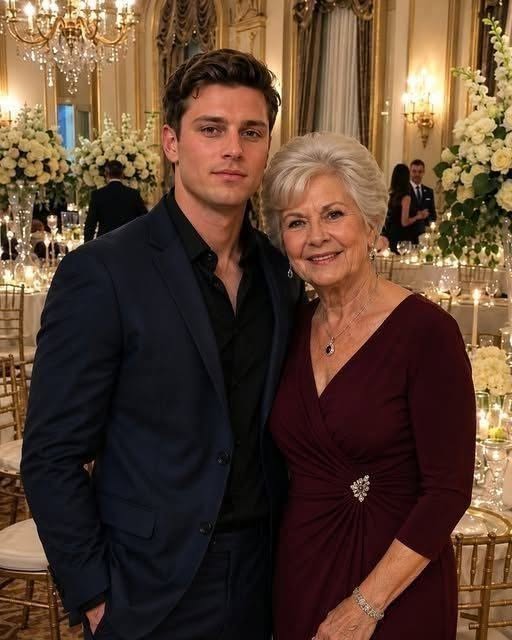
I MARRIED A 71 YEAR OLD WIDOW FOR HER MONEY BUT AFTER HER FUNERAL HER LAWYER HANDED ME A SHOEBOX AND SAID SHE KNEW WHY I MARRIED HER
I married Evelyn because I wanted her house.
There is no kinder way to say it.
No romantic explanation.
No misunderstanding.
No version of the story where I was secretly in love with her from the beginning and simply afraid to admit it.
I was twenty-five years old.
She was seventy-one.
I was broke.
She was comfortable.
I was drowning in debt, sleeping in my pickup behind a grocery store, wearing boots with holes in the soles and pretending to people at work that I still had an apartment.
Evelyn owned a warm little house on a quiet street lined with maple trees.
She had savings.
A pension.
No children.
And as far as I knew, no one depending on her.
So when she treated me kindly, I did something I am still ashamed to remember.
I calculated.
I calculated the value of the house.
I calculated how much money she might have.
I calculated how old she was.
I calculated how long a seventy-one-year-old woman might live.
Then I convinced myself I was not a bad person.
Just desperate.
That was the lie I used.
Desperate.
It became my excuse for everything.
I was desperate when I let Evelyn buy me dinner.
Desperate when I accepted the spare bedroom.
Desperate when I began helping around the house.
Desperate when I realized she enjoyed my company.
Desperate when I noticed how lonely she seemed.
And desperate when I eventually asked her to marry me.
I still remember how she looked at me when I asked.
We were sitting on her back porch.
Late September.
The weather had just begun cooling.
Evelyn had wrapped a blanket around her shoulders.
I had spent the afternoon cleaning leaves out of her gutters.
She brought me coffee.
We sat together as the sun disappeared behind the neighboring houses.
Then I said it.
“Evelyn.”
She looked over.
“Yes?”
“I’ve been thinking.”
“That sounds dangerous.”
I laughed.
She smiled.
That was Evelyn.
She could make you feel as though every conversation belonged only to the two of you.
I rubbed my hands together.
Even now I remember how nervous I was.
Not because I loved her.
Because I was about to tell the biggest lie of my life.
“I don’t think you should be alone.”
Her expression changed slightly.
“I’ve been alone a long time.”
“I know.”
“And I’m still here.”
“I know.”
She studied me.
Then she said something that should have warned me.
“You’re not very good at this, Daniel.”
“At what?”
“Whatever you’re about to do.”
My stomach tightened.
“What makes you think I’m doing anything?”
“Your left leg has been bouncing for ten minutes.”
I looked down.
It was.
She smiled.
“So?”
I swallowed.
“Marry me.”
She did not gasp.
Did not laugh.
Did not ask whether I was serious.
She simply looked at me.
For a long time.
Long enough that I almost started talking again just to escape the silence.
Finally, she asked, “Why?”
That should have been the moment I told the truth.
Because I’m terrified.
Because I have nowhere to go.
Because I owe almost forty thousand dollars.
Because my truck is one missed payment away from repossession.
Because I have spent my entire adult life running from one disaster into another.
Because your house feels warm.
Because there is food in your refrigerator.
Because I am tired.
Because I want what you have.
Instead I said, “Because I care about you.”
Evelyn looked toward the yard.
The last sunlight was disappearing.
Then she smiled.
Not happily.
Not sadly.
Something in between.
“All right,” she said.
I blinked.
“All right?”
“Yes.”
“You’ll marry me?”
“If that’s what you want.”
It was.
Or at least I thought it was.
We married six weeks later.
No big wedding.
No expensive ceremony.
Just a courthouse, two witnesses, Evelyn in a blue dress, me in the only suit I owned.
Her niece Claire attended.
Claire barely spoke to me.
She was around forty.
Sharp eyes.
The kind of woman who seemed to hear the parts of conversations people did not say aloud.
At the courthouse, she pulled Evelyn aside.
I could not hear everything.
Only one sentence.
“Are you sure?”
Evelyn answered quietly.
“I know what I’m doing.”
At the time, I assumed Claire was worried about me taking advantage of her aunt.
She was.
What I did not understand was that Evelyn’s answer meant exactly what it sounded like.
She knew what she was doing.
And apparently she knew what I was doing too.
But I would not understand that until after she was dead.
Our marriage lasted eighteen months.
During those eighteen months, Evelyn treated me better than almost anyone in my life ever had.
I wish I could say I deserved it.
I did not.
Every morning, she made coffee before I woke.
Not because I asked.
Because she noticed I always drank two cups before work.
She learned I hated sugar and liked too much cream.
She packed sandwiches for me.
Sometimes she tucked little notes into the bag.
DON’T WORK TOO HARD.
CALL IF YOU’RE LATE.
DON’T FORGET YOUR JACKET.
I usually threw the notes away.
Not angrily.
Carelessly.
That somehow feels worse.
She cooked dinner most nights.
Nothing fancy.
Pot roast.
Chicken soup.
Meatloaf.
Cornbread.
Things that made the kitchen smell warm before I even opened the door.
I would come home tired, drop my keys, eat, and spend the rest of the evening thinking about money.
My debt.
My future.
Her house.
Her bank accounts.
Her age.
I hate admitting that.
But if I am going to tell the story honestly, I cannot protect the man I was.
I barely saw Evelyn.
Not really.
I saw what surrounded her.
The house.
The savings.
The paid-off car.
The medicine bottles.
Especially the medicine bottles.
That is the ugliest part.
Every time a new prescription appeared on the counter, some part of me paid attention.
Blood pressure medication.
Arthritis pills.
Heart medication.
I learned the names without ever asking how she felt.
When she had a doctor’s appointment, I would casually ask what the doctor said.
She probably thought I was concerned.
I was often calculating.
How healthy was she?
Was something changing?
How much time?
I never said those words aloud.
I did not need to.
The clock lived inside my head.
Tick.
Tick.
Tick.
I told myself I only had to be patient.
A few years.
Maybe less.
Then the house would be mine.
The money would be mine.
I could clear every debt.
Quit the warehouse job.
Start over.
I believed Evelyn was my exit.
She was not.
She was something much harder.
She was a mirror.
The first winter after we married was unusually cold.
One morning I came downstairs wearing my old coat.
The zipper had been broken for months.
I kept it closed by pulling the sides together whenever I went outside.
Evelyn was sitting at the kitchen table.
She looked up.
“You’re not wearing that.”
“It’s fine.”
“It doesn’t close.”
“I know.”
“It’s twenty-three degrees.”
“I’ll survive.”
She disappeared into the hallway.
A minute later she returned with a new coat.
Dark brown.
Heavy.
Still had the tags.
She held it toward me.
“What’s that?”
“A coat.”
“I can see that.”
“Then we’re doing well this morning.”
I frowned.
“You bought that?”
“Yes.”
“Why?”
“Because yours is falling apart.”
I felt embarrassed.
Embarrassment usually made me defensive.
“You didn’t need to waste money.”
Her face changed.
“I didn’t waste anything.”
“That probably cost two hundred dollars.”
“One hundred and thirty-nine.”
“That’s still too much.”
She placed it over the chair.
“You’ll freeze wearing that old thing.”
Then she poured herself more coffee.
Conversation over.
I wore the coat that morning.
It fit perfectly.
I never asked how she knew my size.
A week later, my boots split near the toe.
Water got inside during a rainstorm at work.
When I came home, my socks were soaked.
I left the boots near the back door.
The next morning, a new pair sat beside them.
Same brand.
Same size.
I stared.
“Evelyn?”
She called from the kitchen.
“Yes?”
“You bought boots?”
“Looks that way.”
“How did you know the size?”
She gave me a strange smile.
“You leave your shoes by the door, Daniel.”
I laughed.
Of course.
That was my explanation.
There was always an explanation.
I did not know she had been paying attention to me long before we married.
Long before I understood she even knew I existed.
There were other things.
Small things.
I used to wake up at night.
Not nightmares exactly.
More like panic.
Heart pounding.
Certain something terrible was about to happen.
That had been happening since I was a kid.
I learned to hide it.
One night, around three in the morning, I woke and walked into the kitchen.
Evelyn was already there.
Sitting in the dark.
“You okay?” she asked.
“Fine.”
“You don’t look fine.”
“I couldn’t sleep.”
She switched on the small lamp above the stove.
“You want tea?”
“No.”
“Coffee?”
“It’s three in the morning.”
“So?”
I sat across from her.
For several minutes neither of us spoke.
Then she asked, “What are you afraid of?”
I laughed.
“Nothing.”
“Everybody is afraid of something.”
“I’m fine.”
She nodded.
“All right.”
That should have ended it.
Instead she said, “Your father used to say he was fine exactly like that.”
I looked at her.
“What?”
She reached for her tea.
“Nothing.”
“You said my father.”
“No.”
“Yes, you did.”
She stared at me.
Then smiled.
“I said fathers.”
I believed her.
Why wouldn’t I?
As far as I knew, Evelyn had never met my father.
My father, Michael, had disappeared when I was eight.
That was the story my mother told me.
He left.
Then later she said he died.
The details changed depending on the year.
At eight, I believed he would come back.
At twelve, I hated him.
At sixteen, I pretended I did not care.
At twenty-five, I had turned him into a simple explanation for everything wrong with me.
Men leave.
People lie.
Nobody saves you.
Take what you can before somebody takes it from you.
That was the philosophy underneath everything.
It was why marrying Evelyn felt less immoral than it should have.
I assumed everyone was using everyone.
I was simply more honest with myself about it.
Except I was not honest.
Not really.
I lied to Evelyn every day.
And she knew.
That is what destroyed me after she died.
Not that she caught me.
That she knew and still fed me.
Still bought me boots.
Still left the porch light on.
Still waited when I came home late.
Still said, “Good night, Daniel,” even when I barely looked away from the television.
She knew exactly what kind of man had entered her house.
And instead of exposing me, she waited.
I did not understand what she was waiting for.
Maybe she wanted me to change.
Maybe she wanted me to ask the right question.
Maybe she wanted me to see her.
I almost did.
Near the end.
That is the part that hurts.
About four months before she died, Evelyn got sick.
Nothing dramatic at first.
Fatigue.
Shortness of breath.
She stopped finishing dinner.
One evening I found her sitting halfway up the stairs.
“Evelyn?”
She waved me off.
“I’m fine.”
“You’re sitting on the stairs.”
“I noticed.”
“What happened?”
“Got tired.”
I walked up and held out my hand.
She looked at it.
Then at me.
“You don’t have to do that.”
“Come on.”
I helped her stand.
She was lighter than I expected.
Fragile.
For the first time, the reality of her age felt different.
Not useful.
Not profitable.
Scary.
I helped her to her bedroom.
She sat on the edge of the bed.
“Want me to call somebody?”
“No.”
“Doctor?”
“Tomorrow.”
“You sure?”
“Yes.”
I stood there awkwardly.
Then she smiled.
“Daniel.”
“What?”
“You look frightened.”
“I’m not.”
“There it is again.”
“What?”
“That word.”
“What word?”
“Fine. Not frightened. Nothing.”
I looked away.
She patted the space beside her.
I sat.
She took my hand.
Her fingers were cold.
“You know you don’t have to be afraid of losing everything all the time.”
That sentence hit something deep.
I pulled my hand away.
“I’m not.”
She nodded.
“Of course not.”
The next morning I drove her to the doctor.
That was the first time I went willingly.
No calculation.
At least not entirely.
The doctor ordered tests.
More appointments.
Medication changes.
I became nervous.
Not about inheritance.
About Evelyn.
That realization made me uncomfortable.
I did not know what to do with it.
I had married her to survive.
I had never planned to care if she did.
But people become real slowly.
Through habits.
Sounds.
Empty chairs.
The way they fold towels.
The way they mispronounce movie titles.
The way they put too much cinnamon in oatmeal.
I started noticing Evelyn as a person only when I began imagining the house without her.
And for the first time, the empty house did not look like freedom.
It looked empty.
I still did not tell her the truth.
That is one of my greatest regrets.
There were moments.
Dozens.
I could have sat across from her and said, “I married you for money.”
I could have apologized.
Could have asked why she married me.
Could have asked about her life.
Her first husband.
Her childhood.
Why she had no children.
What she regretted.
What she feared.
Instead, I kept waiting.
There would be time.
That is what selfish people always believe.
There will be time to become better later.
Then one morning, Evelyn collapsed in the kitchen.
I heard the plate hit the floor first.
Ceramic breaking.
Then her body.
I ran downstairs.
She was lying beside the table.
“Evelyn!”
Her eyes opened slightly.
“Daniel.”
“I’m calling 911.”
She touched my wrist.
“Don’t panic.”
“You collapsed.”
“I know.”
“You’re bleeding.”
A small cut near her forehead.
I grabbed my phone.
Her fingers tightened weakly around mine.
“Daniel.”
“What?”
She looked at me in a way I did not understand then.
Almost peaceful.
“Whatever happens, don’t run.”
My chest tightened.
“What are you talking about?”
She tried to smile.
“Just promise.”
“Evelyn.”
“Promise.”
“I promise.”
Paramedics arrived.
She was taken to the hospital.
Three days later, Evelyn died.
It happened at 4:12 in the morning.
I was sitting beside her.
For once, I had not gone home.
Her breathing had become shallow.
Slow.
I watched the monitor.
A nurse came in.
Adjusted something.
Then Evelyn opened her eyes.
“Daniel?”
“I’m here.”
She looked toward me.
I took her hand.
I wish I could tell you I confessed then.
I did not.
Cowardice is stubborn.
Even at the edge of death.
She whispered, “You’re going to be all right.”
I almost laughed.
She was dying.
And she was comforting me.
“You don’t know that.”
“Yes, I do.”
“How?”
She squeezed my fingers.
“Because I know you.”
The shame nearly made me confess.
“Evelyn, there’s something…”
Her eyes began closing.
I leaned closer.
“I need to tell you something.”
She smiled faintly.
“I know.”
Then the monitor changed.
Nurses entered.
People moved quickly.
I was pushed backward.
And less than ten minutes later, she was gone.
I stood beside the hospital bed staring at a woman I had married for her house.
And I felt something I had not expected.
Grief.
Not relief.
Not triumph.
Not freedom.
Grief.
That made everything worse.
At the funeral, Evelyn’s relatives looked at me exactly the way I deserved.
Claire barely acknowledged me.
One cousin whispered loud enough for me to hear.
“Gold digger.”
Another said, “He finally got what he wanted.”
I pretended not to hear.
But I did.
Every word.
And some part of me thought they were right.
Because despite the grief, despite the guilt, there was still another voice inside me.
A quieter one.
The old one.
The house.
The money.
What happens now?
That voice disgusted me.
But it was there.
After the funeral, Evelyn’s attorney asked me to come to his office.
His name was Arthur Bell.
Seventy, maybe.
Perfect gray hair.
Wire-frame glasses.
The expression of a man who had spent forty years watching families become enemies over dead people’s money.
Claire attended.
So did two other relatives.
Arthur opened the will.
I sat quietly.
He began reading.
The house went to Claire.
I thought I misunderstood.
Arthur continued.
Most of Evelyn’s investment accounts and savings would be distributed among several charities.
A smaller trust went to medical research.
Personal belongings were divided among relatives.
I waited.
My name did not come.
My chest tightened.
Finally, Arthur closed the document.
“That concludes the primary distributions.”
Claire looked at me.
Not smug.
Just tired.
I stared at the desk.
Nothing.
Eighteen months.
Nothing.
All the calculations.
All the patience.
All the lies.
Nothing.
I felt angry for about three seconds.
Then ashamed that anger had appeared at all.
Arthur waited until the relatives left.
Claire remained near the door.
I stood.
“I guess that’s everything.”
“No.”
I stopped.
Arthur reached beneath his desk.
He brought out an old shoebox.
Literally a shoebox.
Faded cardboard.
Tape around one corner.
My name was written across the lid in Evelyn’s handwriting.
DANIEL.
I stared.
“What is that?”
Arthur placed it in front of me.
“Evelyn instructed me to give this to you after the will was read.”
“Why?”
His eyes stayed on mine.
“She said this is what you truly wanted.”
The sentence irritated me.
“What I truly wanted?”
“Yes.”
“She gave Claire the house.”
Claire flinched.
I heard myself.
Ugly.
Small.
Arthur said nothing.
I rubbed my face.
“Sorry.”
Claire opened the office door.
Before leaving, she looked at me.
“Aunt Evelyn always knew more than people thought.”
Then she left.
I sat again.
Arthur pushed the box toward me.
“Open it.”
My hands felt strangely cold.
I lifted the lid.
The first thing inside was a photograph.
Me.
Sleeping in my pickup.
I stared.
Not our wedding.
Not a family dinner.
Not anything I remembered posing for.
I was behind the steering wheel of my truck.
Head tilted toward the window.
Old coat pulled around me.
The grocery store loading area visible in the background.
I turned the photograph over.
A date.
November 14.
Two years earlier.
Before Evelyn and I married.
Before I ever told her I had nowhere to live.
My throat tightened.
I remembered that night.
Twenty degrees.
Maybe colder.
The truck heater barely worked.
I had spent my last eighteen dollars on gas.
I parked behind the grocery store because security rarely checked that area.
I pulled my coat over myself.
Tried to sleep sitting upright.
The next morning, Evelyn had appeared beside my truck.
I knew her only casually then.
She shopped at the store where I sometimes picked up overnight work unloading deliveries.
She tapped on the window.
I woke terrified.
She stood there holding two cups of coffee.
I rolled the window down.
“What are you doing here?”
“I could ask you the same thing.”
“I fell asleep.”
“In a parking lot?”
“Long shift.”
She looked into the truck.
Blanket.
Duffel bag.
Everything I owned.
She did not ask another question.
She simply said, “Come home.”
I thought she meant her house.
Now, in Arthur’s office, I stared at the picture again.
She had known.
Before the marriage.
Before the proposal.
Before I ever admitted anything.
I reached deeper into the box.
A grocery receipt.
Blanket.
Winter coat.
Men’s boots.
The date was from the same week she bought those things.
My chest tightened.
I remembered complaining.
“You spent too much.”
She had smiled.
“You shouldn’t have to walk around with wet feet.”
I never thanked her.
Not properly.
Under the receipt was another photograph.
Evelyn sitting at her kitchen table.
Beside her was a man I did not recognize.
Forties.
Dark hair.
Gray jacket.
Serious face.
I flipped it over.
Six words in Evelyn’s handwriting.
HE KNOWS WHAT YOU HAVEN’T TOLD ME.
I looked at Arthur.
“Who is this?”
He studied me.
“You don’t recognize him?”
“No.”
“You’re sure?”
“Yes.”
He sighed.
“Evelyn asked me the same thing.”
My heartbeat accelerated.
“Why?”
“She wanted to know whether you would recognize him.”
“Why was he in her house?”
Arthur leaned back.
“That is something she wanted you to discover yourself.”
I almost laughed.
“Discover?”
“Yes.”
“Evelyn is dead.”
“I’m aware.”
“You’re speaking like she designed some puzzle.”
Arthur looked at the shoebox.
“In a way, she did.”
I wanted to be angry.
Instead, I was afraid.
There was another envelope.
FOR DANIEL.
I opened it.
Her handwriting.
Daniel,
If you are reading this, then I am gone.
I stopped.
Simple words.
Still hurt.
I continued.
I know why you married me.
Everything in the room went silent.
I read it again.
I know why you married me.
My face burned.
Arthur looked toward the window.
Giving me privacy I had not earned.
I continued.
I knew before you ever asked.
You thought you were hiding your intentions from an old woman.
You weren’t.
I saw the way you looked at my house the first time you came inside.
I saw you calculate what everything might be worth.
I saw you look at my medicine cabinet.
I saw you count the rooms.
I saw you search my desk when you thought I was asleep.
I saw everything.
I lowered the page.
My stomach turned.
She had seen that?
I remembered the desk.
Three months after we married.
Evelyn had gone upstairs.
I opened two drawers.
Bank statement.
Insurance documents.
Property tax records.
I heard footsteps and closed everything.
She walked into the room carrying laundry.
She smiled at me.
I thought I fooled her.
I had fooled no one.
I read on.
There was no anger in her words.
That hurt more.
But Daniel, I saw something else.
I saw a frightened young man underneath all that greed.
A man who believed that if he did not take whatever life offered him, life would take everything away first.
That man reminded me of someone.
Someone I once loved.
I paused.
Someone she once loved?
There are things about my past you never asked about.
There are things about your past you never told me.
And there is one reason I chose you.
It had nothing to do with money.
My hands began shaking.
At the bottom:
Open the false bottom.
I stared at the shoebox.
“What false bottom?”
Arthur pointed.
“Press along the cardboard.”
I turned the box over.
Ran my fingers along the inside.
There.
A thin cut.
I lifted the panel.
Hidden compartment.
Inside was a brass key.
And another photograph.
I picked it up.
Young Evelyn.
Maybe twenty-five.
Beautiful.
Standing beside a man.
Young.
Dark hair.
Crooked smile.
Scar above his left eyebrow.
My entire body turned cold.
The man looked like me.
Not a resemblance.
Not coincidence.
Me.
Same eyes.
Same mouth.
Same scar.
I touched my own eyebrow.
The scar had come from falling off a bicycle when I was six.
I turned the photograph over.
Only one word.
MICHAEL.
My father’s name.
“No.”
Arthur stood.
I looked at him.
“What is this?”
His expression changed.
“Daniel.”
“Who is he?”
“You know.”
“No.”
I held up the photograph.
“Who is he?”
Arthur spoke quietly.
“Michael.”
“My father?”
“Yes.”
My knees almost gave out.
I sat.
“No.”
“Daniel.”
“My father disappeared when I was eight.”
“Yes.”
“My mother said he died.”
Arthur said nothing.
I looked at young Evelyn.
They were standing close.
Her hand on his arm.
His face relaxed.
Happy.
“She knew him.”
Arthur nodded.
“She loved him.”
The room shifted.
Something inside me reacted before my mind could catch up.
Disgust.
Confusion.
Anger.
I had married a woman who once loved my father.
“What the hell is this?”
Arthur raised a hand.
“Let me explain.”
“No. How long did she know who I was?”
“Before you married.”
“How long?”
“Before you even properly met.”
I stood.
“She knew?”
“Yes.”
“She knew I was Michael’s son?”
“Yes.”
“Why didn’t she tell me?”
“Because she made a promise.”
“To who?”
“Your father.”
I stared.
“My father is dead.”
Arthur’s expression told me the story was about to get worse.
“Your father did not abandon you, Daniel.”
Every sound in the office disappeared.
“What?”
“He was trying to find you.”
I laughed once.
Not because it was funny.
Because sometimes the mind produces laughter when reality becomes impossible.
“For twenty-five years?”
“It’s complicated.”
“No. People always say that when they’re about to justify something simple.”
“Daniel.”
“My father left.”
“That’s what you were told.”
“My mother told me.”
“Yes.”
“She said he ran away.”
Arthur slowly reached into his briefcase.
He removed another envelope.
My name.
Different handwriting.
I knew it.
I had seen it on two birthday cards I still kept in a box.
Dad’s handwriting.
I could not touch it.
Arthur placed it beside the shoebox.
“This was to be given to you only after you opened Evelyn’s box.”
I stared.
“Is he alive?”
Arthur’s silence answered.
My heart dropped.
“No.”
“He died years ago.”
“When?”
“Eleven years ago.”
I sat again.
My father had been alive until I was fourteen.
I had spent those years thinking he did not want me.
He had been somewhere.
Alive.
I picked up the envelope.
Then stopped.
“I can’t.”
Arthur nodded.
“Then don’t yet.”
He pointed toward the key.
“Evelyn didn’t leave you the house.”
“I know.”
“No.”
His voice became firm.
“You don’t understand.”
“What?”
“That key does not open the house.”
I stared.
“What does it open?”
“A room.”
“Where?”
“Under Evelyn’s house.”
My heartbeat accelerated.
“There’s no basement.”
“Not exactly.”
“What does that mean?”
“There is a sealed room beneath the rear foundation.”
“Why?”
Arthur looked at my father’s photograph.
“Michael built it.”
I stared.
“Why would my father build a room under Evelyn’s house?”
“That is what she wanted you to discover.”
I was suddenly furious.
“Why does everybody keep saying that?”
Arthur remained calm.
“Because Evelyn believed certain truths only matter when a person is ready to understand them.”
“She could have told me.”
“Yes.”
“She could have told me my father didn’t abandon me.”
“Yes.”
“She could have told me she knew exactly why I married her.”
“Yes.”
“She could have humiliated me.”
“Yes.”
“Why didn’t she?”
Arthur studied me.
“Maybe because humiliation was never what she wanted.”
I looked at the letter.
Then the key.
Then the picture of my father.
Arthur packed his briefcase.
“You should go home.”
I laughed.
“Home?”
“Yes.”
“That isn’t my home anymore.”
“Legally, perhaps.”
I looked at him.
He continued.
“Evelyn called it your home.”
My chest tightened.
Before leaving, Arthur stopped.
“One warning.”
“What?”
“She told me specifically not to prevent you from opening that room.”
“And?”
“She also asked me to tell you that once you understand why your father disappeared, you may finally understand why she chose you.”
“Chose me for what?”
He looked at me.
“Go find out.”
Then he left.
I sat alone for another fifteen minutes.
For the first time since Evelyn’s death, I forgot about the money.
Completely.
I forgot the house.
The will.
The charities.
Claire.
Everything.
All I could think about was Evelyn.
The woman I had considered naïve.
Lonely.
Easy.
She had known me before I knew her.
She had photographed me sleeping in my truck.
Known my father.
Known my intentions.
Known I lied.
And still married me.
Suddenly I did not feel clever.
I felt like a child who had spent eighteen months trying to fool someone who had already read the last page.
I drove back to Evelyn’s house.
Claire’s house now.
I still had a key.
I parked outside.
For several minutes I could not get out.
The house looked different.
Not because anything had changed.
Because I had.
I remembered the first time Evelyn brought me there.
She opened the door.
“Come in.”
I stood outside.
“I’m dirty.”
“The floor has survived worse.”
“I don’t need charity.”
“Good. I’m not offering charity.”
“What are you offering?”
“Breakfast.”
That first morning, she made eggs.
Toast.
Bacon.
I ate like someone might take the plate away.
She pretended not to notice.
Then she let me shower.
Wash clothes.
Sleep in the guest room.
No interrogation.
No lecture.
No deal.
I had looked around the house that morning and seen opportunity.
Now I saw mercy.
I entered.
The silence hit first.
Her coat still hung by the door.
Her reading glasses rested beside the chair.
A half-finished crossword remained on the table.
I walked into the kitchen.
There was the chair where she always sat.
I touched the back.
My eyes filled.
I had not cried at the funeral.
Not properly.
Now I did.
Quietly at first.
Then harder.
Not because I had lost an inheritance.
Because I had lost the chance to know her while she was alive.
There is grief for death.
And then there is another kind.
Grief for all the conversations you could have had.
All the questions you never asked.
All the kindness you accepted without understanding it.
That grief is vicious because death cannot answer it.
I stood in the kitchen and remembered dozens of moments.
Evelyn asking about my childhood.
I changed the subject.
Evelyn offering to show me old photographs.
I said later.
Evelyn asking whether I wanted to hear how she met her first husband.
I was watching television.
Later.
Everything was later.
Now there was no later.
I wiped my face.
Then searched for the hidden room.
The basement stairs led only to a small utility area.
Washer.
Dryer.
Furnace.
Storage.
I inspected every wall.
Nothing.
Then I noticed a tall cabinet pushed against the far side.
Heavy.
I moved it.
Behind it, the wall sounded hollow.
I found a narrow metal panel painted the same color as concrete.
No handle.
One keyhole.
I took out the brass key.
My hand shook.
The lock clicked.
The panel opened.
Behind it, narrow stairs descended deeper.
A light switch waited near the top.
I flipped it.
A yellow bulb illuminated the staircase.
I descended.
At the bottom was a room maybe twelve feet by fifteen.
Wooden desk.
Shelves.
Boxes.
One chair.
No windows.
Dust everywhere except the desk.
On it sat an envelope.
DANIEL.
I opened it.
My dear Daniel,
If you reached this room, then you finally know enough to ask the right questions.
The truth is simple.
But I know it will hurt.
Your father, Michael, was not the man you were told he was.
He did not abandon you.
Twenty-six years ago, Michael discovered that someone close to his employer was stealing money and using the company to move funds through false contracts.
Michael tried to expose it.
He was threatened.
Not only his life.
Yours.
Your mother’s.
He was told that if he went to the police, his family would suffer.
My hands tightened.
I continued.
Your father believed leaving was the only way to protect you.
I tried to convince him there had to be another way.
He refused to gamble with your life.
He disappeared.
But Daniel, he never stopped loving you.
And he never stopped looking.
I helped him.
For years.
My vision blurred.
I kept reading.
Your mother moved.
Changed names.
Cut contact.
Michael believed she had done it because she was afraid.
We searched through every legal channel available to us.
We found nothing.
Eventually, he became sick.
Before he died, he made me promise that if I ever found you, I would not tell you who he was until I was certain the danger had passed.
I thought that promise would die with me.
Then one winter morning, I saw a young man sleeping in a pickup behind a grocery store.
You.
I recognized your eyes.
Michael’s eyes.
Your stubbornness.
His too.
Even the way you slept with one hand around your keys.
That made me stop.
Why would my father sleep like that?
The letter continued.
I followed you.
I’m sorry.
You deserved privacy.
But I needed to be certain.
I learned your name.
Your birthday.
Your mother’s name.
Then I knew.
You were Michael’s son.
I sat down.
The photograph.
She had not stumbled across me.
She had been searching.
Or waiting.
And when she found me, she watched long enough to confirm.
The letter continued.
You may hate me for not telling you immediately.
I accept that.
But when I found you, Daniel, you were frightened and angry.
You trusted no one.
You were sleeping in your truck.
You owed money to people who frightened you.
You believed dependence was weakness.
If I had told you the truth then, I was afraid you would either run or try to chase ghosts that could still hurt you.
So I did the only thing I knew how to do.
I offered breakfast.
I laughed through tears.
Of course.
Breakfast.
That was Evelyn.
Not a revelation.
Eggs.
Toast.
Coffee.
Something ordinary enough not to scare me.
I read on.
I did not marry you because I was lonely.
I know that is what you believed.
Perhaps everyone believed it.
I married you because I wanted to give Michael’s son the home his father spent the rest of his life wishing he could give him.
I knew why you proposed.
I knew you wanted the house.
I knew you wanted security.
And I knew one day you would hate yourself when you realized I knew.
Daniel, please do not.
You were not good to me because you loved me.
Not at first.
But you were not cruel.
You fixed things around the house.
You drove me to appointments.
You sat beside me when I was afraid.
You began asking if I had eaten.
You started leaving the porch light on for me when I visited Claire.
You changed.
Not enough to notice.
Enough for me.
I stopped reading.
Had I?
I remembered replacing the loose rail on the stairs.
Driving her to the doctor.
Leaving work early once because she sounded tired.
Buying her favorite tea without being asked.
Sitting beside her in the hospital.
I had thought those moments meaningless.
Maybe they were not.
The next paragraph hurt most.
You believed I was the clock.
You thought you were waiting for me to die.
But Daniel, I was waiting too.
I was waiting for you to understand that survival is not the same thing as living.
I was waiting for you to stop measuring every relationship by what it could give you.
I was waiting for you to understand that a home is not property.
It is the place where you are allowed to stop being afraid.
I put the letter down.
For months I had dreamed of the house.
Not this house.
Ownership.
Equity.
Security.
But Evelyn had given me home long before she died.
And I had been too busy waiting to own it to realize I already belonged there.
Beneath her letter was another envelope.
Older.
Yellowed.
Michael’s handwriting.
My father.
I opened it.
Daniel,
If you are reading this, Evelyn kept her promise.
I am sorry.
I stopped.
That was all it took.
Two words.
I am sorry.
For twenty-five years I had imagined what I would say if my father came back.
I had rehearsed anger.
Why did you leave?
Why didn’t you call?
Did you ever care?
Now the only thing left of him was paper.
I continued.
I am sorry I was not there when you needed me.
I am sorry you grew up believing I abandoned you.
I didn’t.
Every year I wanted to come back.
Every year I told myself I would.
Then every year I became afraid my return would put you in danger.
Maybe I was a coward.
Maybe someday you will decide I was.
You have that right.
But please know this.
I loved you every day I was gone.
I never stopped.
When you were nine, I bought you a baseball glove even though I had no idea whether you played.
When you were twelve, I bought a bicycle.
At sixteen, I bought a watch.
I kept everything because I did not know where to send it.
Evelyn said someday we might find you.
I wanted to believe her.
I looked around the room.
Boxes.
I stood.
One shelf was labeled D.
Inside were objects.
A baseball glove.
Still wrapped.
A small bicycle bell.
A watch.
Birthday cards.
Daniel, age 9.
Daniel, age 10.
Daniel, age 11.
My knees weakened.
Every birthday.
A card.
Never sent.
My father had remembered.
I sat on the floor.
I do not know how long I cried.
Not quietly.
Not with dignity.
I cried for the eight-year-old boy waiting at the window.
I cried for the sixteen-year-old who stopped celebrating birthdays because his father never called.
I cried for the twenty-five-year-old sleeping in a truck convinced nobody cared whether he froze.
I cried for Michael.
Then for Evelyn.
Especially Evelyn.
She had carried both of us.
A dead man’s promise.
A lost son.
And she never once used the truth to control me.
That was the part I understood last.
She could have told me.
“You owe me because I knew your father.”
She could have demanded gratitude.
Could have exposed my greed.
Could have forced me to play the grateful son.
She did not.
She offered me choices.
Again and again.
Breakfast.
A coat.
Boots.
A spare room.
Marriage.
Kindness.
Even the truth came only after I was ready to open the box.
I returned to the desk.
There was a wooden box.
Inside was another photograph.
Evelyn.
Michael.
And a child.
Me.
I stared.
I was maybe four.
I did not remember.
My father held me.
Evelyn stood beside us.
On the back she had written:
SOME FAMILIES ARE BORN.
OTHERS FIND EACH OTHER.
Beneath it was a final note.
Daniel,
You may wonder what I left you.
The answer is not the house.
It is not money.
It is not anything you can sell.
I left you the truth.
What you do with it is your inheritance.
If you choose to walk away, I will understand.
If you choose to become the man Michael hoped you would become, then I will have received everything I wanted.
And Daniel,
Please do not spend the rest of your life punishing yourself for the man you used to be.
I already forgave him.
I covered my face.
That sentence broke something open.
I already forgave him.
She had forgiven me before I confessed.
Before I deserved it.
Maybe forgiveness was never about deserving.
Maybe it was about whether someone believed you could still become different.
There was one more envelope.
OPEN ONLY WHEN YOU’RE READY TO LET GO.
I almost laughed.
“Evelyn.”
I could hear her voice in my head.
What now?
I opened it.
Inside was a cashier’s check.
Not millions.
Not hundreds of thousands.
Enough.
Enough to clear every debt I had.
Pay off the truck.
Rent an apartment.
Take a month to find stable work.
Maybe breathe for the first time in years.
Nothing more.
There was a short note.
Freedom is expensive enough.
Don’t make it another prison.
I laughed.
Then cried again.
Of course.
She had given me exactly enough.
Enough to stop drowning.
Not enough to stop swimming.
That was the gift.
Not wealth.
A second chance.
I stayed in the hidden room until evening.
When I finally came upstairs, the house was dark.
I turned on the kitchen light.
There was Evelyn’s chair.
I sat in mine.
For the first time, I remembered one of our last conversations clearly.
She had asked, “Daniel, if you had enough money tomorrow, what would you do?”
I said, “Disappear.”
“Where?”
“Anywhere.”
“And then?”
“What do you mean?”
“What would you do after disappearing?”
I had no answer.
At the time, I thought the question was stupid.
Now I understood.
I had spent my entire life wanting escape.
Not destination.
I wanted to stop hurting.
Stop owing.
Stop being ashamed.
Stop being afraid.
But I had never imagined what a good life looked like after that.
Evelyn had.
The next morning, Claire arrived.
She looked surprised to see me.
“What are you doing here?”
“I’m leaving.”
She looked toward my bag.
“You opened it?”
I nodded.
Her expression softened.
“She told you.”
“Some of it.”
Claire looked toward the basement.
“You found the room.”
“Yes.”
She was quiet.
“How much did you know?”
“Not everything.”
“You knew she knew my father?”
“Yes.”
“You knew why she married me?”
Claire hesitated.
“Yes.”
I laughed bitterly.
“So everybody knew except me.”
“No.”
“What?”
“Everybody knew she had a reason.”
“That’s not better.”
Claire stepped into the kitchen.
“I hated you.”
“I know.”
“I thought you were using her.”
“I was.”
“I told her not to marry you.”
“I heard.”
Claire looked away.
“She said you needed a home.”
My throat tightened.
“She always defended you.”
“She shouldn’t have.”
“No.”
Claire looked directly at me.
“That’s what made me angrier.”
I nodded.
Fair.
I placed the house keys on the kitchen table.
“These are yours.”
She stared.
“Legally they already are.”
“I know.”
“You could stay a little while.”
The offer surprised me.
“Why?”
“Because Evelyn would want me to ask.”
I looked around the kitchen.
The house I had spent eighteen months wanting.
I imagined staying.
Sleeping in our room.
Eating at the table.
Living surrounded by reminders.
Then I understood something.
If I stayed because I was afraid to leave, I would still be the same man.
“No.”
Claire nodded.
“You sure?”
“Yes.”
I looked toward Evelyn’s chair.
“This house was never really mine.”
Claire’s eyes filled.
“She thought it was.”
I shook my head.
“No.”
I smiled faintly.
“She gave me something else.”
Before leaving, I walked through the rooms one last time.
The back porch.
The bedroom.
The hallway where the floor creaked.
The small bathroom where Evelyn kept hand cream beside the sink.
The front closet.
My brown winter coat still hung there.
I took it.
Not because it was expensive.
Because she bought it.
In the kitchen, I touched her chair.
“I finally understand,” I whispered.
“You were never trying to buy me.”
My voice broke.
“You were trying to save me.”
Then I corrected myself.
“No.”
I smiled through tears.
“You were trying to show me I could save myself.”
I walked outside.
For the first time in years, I did not know exactly where I would sleep after the next month.
And strangely, I was not terrified.
I rented a small apartment.
One bedroom.
Third floor.
Bad water pressure.
Thin walls.
But mine.
I paid off the debts.
Every one.
The day I made the final payment, I sat in my truck and stared at the confirmation.
Zero.
For years, I believed seeing that number would make me feel rich.
Instead, I thought of Evelyn.
Enough to become free.
Nothing more.
I found work with a building maintenance company.
Not glamorous.
Steady.
The first paycheck felt different from any money Evelyn could have left me.
I earned it.
That mattered more than I expected.
Months passed.
Then years.
I learned things slowly.
How to save money.
How to answer calls instead of avoiding collectors.
How to apologize.
How to tell people when I needed help without feeling humiliated.
I went to therapy.
That was harder than paying debt.
The therapist asked why I thought love always had a price.
I told her about my father.
Then corrected myself.
What I thought about my father.
Then I told her about Evelyn.
She asked, “Did you love her?”
I froze.
“I don’t know.”
“Why not?”
“Because I married her for money.”
“That was not the question.”
I hated therapy.
“I cared about her.”
“That also wasn’t the question.”
I looked away.
Finally, I said, “Maybe too late.”
The therapist nodded.
“Late love is still love.”
I thought about that for months.
Did I love Evelyn?
Maybe not when I proposed.
Maybe not when we married.
Maybe love grew quietly while I was busy pretending not to notice.
In the winter coat.
The doctor visits.
The porch light.
The cup of tea at three in the morning.
Maybe love arrived before I had the courage to call it love.
That did not erase what I did.
But it changed how I carried it.
I visited Evelyn’s grave on the anniversary of her death.
I brought no flowers.
She never liked cut flowers.
Instead I brought the photograph.
Evelyn.
Michael.
Me.
Some families are born.
Others find each other.
I sat beside her grave.
“I got a job.”
The cemetery was quiet.
“I paid the debts.”
Wind moved through the trees.
“I’m still driving the truck.”
I smiled.
“You’d hate that.”
More silence.
Then I said, “I’m sorry.”
I had said those words in my head hundreds of times.
That day, aloud.
“I’m sorry I watched your medicine bottles.”
“I’m sorry I searched your desk.”
“I’m sorry I looked at your house like a prize.”
My voice broke.
“I’m sorry I did not ask you who you were.”
That was the apology that mattered most.
Not money.
Not inheritance.
I had failed to see her.
The next year, I returned.
Then the next.
It became ritual.
Not punishment.
Conversation.
I told her when I got promoted.
When I moved to a better apartment.
When I started volunteering at a shelter twice a month.
That happened almost by accident.
A coworker asked if I could help repair damaged shelving at a temporary housing center.
I agreed.
One afternoon, I saw a young man sleeping in his car in the parking lot.
Maybe twenty-two.
He looked exhausted.
I stood there holding my toolbox.
And suddenly I was Evelyn.
Not literally.
But I understood.
The fear of approaching someone without humiliating them.
I walked toward the car.
He rolled down the window.
“What?”
“You eaten?”
He looked suspicious.
“Why?”
“Because I have two sandwiches.”
I only had one.
I gave it to him.
The next week, he came back.
Eventually we talked.
His name was Marcus.
Debt.
Bad family situation.
Living in the car.
He reminded me of myself enough to scare me.
One afternoon he said, “Why are you helping me?”
I almost answered because I know what it’s like.
Instead, I said, “Someone helped me once.”
That became enough.
I never told Marcus the whole story.
He did not need it.
Some kindness does not require biography.
Years later, people sometimes learned about Evelyn.
An elderly widow.
Young husband.
Most of estate to charity.
They assumed they understood.
One coworker laughed.
“Man, you married rich and still didn’t get the money?”
I smiled.
“No.”
“That’s rough.”
“Not really.”
He looked confused.
“What did you get?”
I thought about the shoebox.
The photograph.
My father’s letters.
The hidden room.
The check.
The coat.
“More than I expected.”
He laughed.
I did not explain.
Some stories should not be handed to people who only know how to turn them into jokes.
Arthur died a few years later.
Before he did, he called me.
We met for coffee.
He looked smaller.
Older.
“You look better,” he said.
“So do you.”
“I’m dying.”
“That seems like an unfair way to win an argument.”
He laughed.
“I always liked you.”
“No, you didn’t.”
“I liked the version Evelyn saw.”
I looked at him.
“Did she ever doubt me?”
Arthur thought.
“Yes.”
That surprised me.
“When?”
“Near the beginning.”
“What did she say?”
“She worried she was making a mistake.”
My chest tightened.
“Why did she continue?”
“Michael.”
“What?”
“She said Michael spent his life believing fear had ruined his chance to be your father.”
Arthur took a sip of coffee.
“She said she did not want fear to ruin her chance to help his son.”
I looked away.
“Did my father know she found me?”
“No.”
“He died before?”
“Yes.”
That hurt.
“He never knew.”
Arthur shook his head.
“No.”
We sat quietly.
Then he said, “You should know something else.”
“What?”
“Evelyn changed her will three times after marrying you.”
I frowned.
“How?”
“At first, she was going to leave you money.”
“How much?”
“A great deal.”
My stomach twisted.
“What changed?”
“You did.”
I stared.
“She became convinced a large inheritance would destroy the progress you were making.”
I laughed softly.
“That sounds like her.”
“She said, ‘Daniel thinks money will make him safe. If I give him enough to never be afraid again, he may never discover he can survive fear on his own.’”
I closed my eyes.
Even dead, Evelyn remained annoyingly correct.
“She left exactly enough.”
“Yes.”
“Did she know my debts?”
“To the dollar.”
“How?”
Arthur smiled.
“She was Evelyn.”
That was answer enough.
Before we parted, Arthur reached into his jacket.
Another envelope.
I groaned.
“You’re kidding.”
“Last one.”
“Everybody in this story loves envelopes.”
He laughed.
“This is not from Evelyn.”
“Who?”
“Your father.”
My breath caught.
“I thought I got everything.”
“Apparently not.”
I opened it.
Short note.
Daniel,
If Evelyn ever finds you, she will probably try to save you.
Please understand something.
She cannot.
Nobody can.
But she can remind you that you are worth saving.
If she does that, listen to her.
Dad.
I sat there for a long time.
Then I laughed.
“What?”
Arthur asked.
“They really were perfect for each other.”
He smiled.
“In another life, maybe.”
I kept that note.
Still have it.
By thirty-five, I had built a life I once thought required an inheritance.
A modest condo.
Savings.
A reliable car.
No debt.
Friends.
Real friends.
People who knew I had been broke and did not care.
People who knew some of my past and stayed.
I never became rich.
That surprised me too.
At twenty-five, wealth had looked like salvation.
At thirty-five, salvation looked like sleeping without panic.
Answering my phone.
Owning things I had actually paid for.
Having people over for dinner without wondering what they might want from me.
Knowing I did not have to use anyone.
Claire and I eventually became friends.
It took years.
The first Thanksgiving she invited me, I nearly refused.
Then I remembered Evelyn.
Don’t run.
So I went.
Claire had renovated parts of the house.
At first, seeing it hurt.
Different furniture.
New paint.
Then I noticed some things remained.
Evelyn’s chair.
The kitchen table.
The porch swing.
Claire saw me looking.
“I couldn’t get rid of them.”
“Good.”
We ate dinner.
Later, she asked, “Do you want to see the room?”
The hidden room.
I had not been back in years.
We went downstairs.
Most of the boxes were gone.
Claire had donated some family records to archives.
My father’s things remained in one cabinet.
The unsent birthday cards.
The watch.
The baseball glove.
I finally took them home.
For years, I believed keeping them would mean living in the past.
Then I understood something.
The past does not disappear because you refuse to own it.
Sometimes you heal by deciding what part deserves to come with you.
I kept the letters.
The photograph.
The watch.
The glove I donated to a boy at the shelter.
That felt right.
Around that time, I learned more about my mother.
That part was harder.
The documents in the hidden room showed she had not simply disappeared randomly.
She had been frightened.
People connected to the fraud investigation threatened Michael.
Then indirectly threatened her.
She fled.
Changed addresses.
Eventually remarried.
She told me Michael had abandoned us because maybe that story felt safer than admitting how scared she had been.
Later, when she told me he died, she did not know whether it was true.
She was trying to close a wound.
She did it badly.
For years I had hated my father because of a lie created partly by fear.
Then I almost hated my mother when I learned the truth.
Therapy helped with that too.
Fear can explain harm without excusing it.
That became important.
Because otherwise, I would have to choose simple villains.
Life rarely offers them.
Michael left because he was afraid.
My mother lied because she was afraid.
I married Evelyn because I was afraid.
Fear had shaped three generations.
Evelyn was the first person who responded differently.
She stayed.
That was her gift.
Not money.
Not truth.
Presence.
She stayed with the frightened version of me long enough for another version to become possible.
One evening, years after her death, Marcus called.
The young man from the shelter.
He had found work.
Gotten married.
Had a baby girl.
“Can I ask you something?”
“Sure.”
“Why did you help me?”
“We’ve had this conversation.”
“No.”
He laughed.
“You always avoid the real answer.”
I smiled.
“Someone helped me.”
“Who?”
“A woman named Evelyn.”
“What did she do?”
I looked at the old brown coat hanging near my door.
It still fit badly now.
But I kept it.
“She gave me a coat.”
Marcus laughed.
“That’s it?”
“No.”
I looked toward the photograph on my shelf.
“She gave me a house.”
“You said you didn’t inherit a house.”
“I didn’t.”
He sounded confused.
“Then what do you mean?”
I smiled.
“She taught me the difference between a house and a home.”
There was silence.
“That sounds like something old people say.”
“Give it time.”
We laughed.
After the call, I sat alone.
For the first time, I realized something else.
I had become older than my father was when the photograph with Evelyn was taken.
That young man in the picture no longer looked like me.
He looked young.
That shocked me.
For years I had imagined parents as complete adults.
People who knew what they were doing.
Then I became older than them and understood.
They were frightened people making decisions too.
Sometimes terrible ones.
Sometimes loving ones.
Sometimes both.
Evelyn understood that better than anyone.
She never reduced me to the worst thing I did.
She saw the greed.
The lies.
The calculation.
And she did not pretend they were good.
Her will proved that.
She did not reward my manipulation with wealth.
That would not have been love.
Instead, she gave me enough to escape immediate danger.
Then made me build the rest.
She gave Claire the house because it belonged with family who loved her without calculation.
She gave money to charity because she believed money should help people who needed it.
She gave me truth because truth was the one thing nobody had given me.
That balance was Evelyn.
Kind without being foolish.
Forgiving without surrendering judgment.
Loving without rewarding the worst parts of someone.
I misunderstood her softness.
I thought gentle meant naïve.
That was another thing I learned.
Some of the strongest people I have known speak quietly.
Years later, I found myself sitting beside Evelyn’s grave on what would have been her eighty-fifth birthday.
I had the photograph with me.
Young Evelyn.
Michael.
Me.
The wind moved lightly through the trees.
“I think I understand now,” I said.
No answer.
“I kept thinking you married me because of Dad.”
I looked at her name engraved in stone.
“But that wasn’t enough.”
I smiled.
“You married me because of me too.”
That had taken years to accept.
At first, believing she married me only because I was Michael’s son was easier.
It allowed me to keep believing I had never been worth loving on my own.
But her letters said otherwise.
I saw the man underneath all that greed.
She saw me.
Not only Michael.
Me.
That realization was harder than guilt.
Because guilt allows you to stay small.
You can say, I was terrible.
I deserve nothing.
Then never change.
Evelyn refused to let me do that.
Please don’t spend the rest of your life punishing yourself for the man you used to be.
I already forgave him.
Forgiveness became a responsibility.
If she believed there was a better man underneath, then eventually I had to decide whether to prove her right.
I looked at the grave.
“I’m trying.”
Every year, I told her what changed.
Debt paid.
New job.
Promotion.
Volunteer work.
Marcus.
Claire.
Therapy.
The condo.
My mother.
My father’s letters.
Everything.
Then I always ended the same way.
“I finally became the man you thought I could be.”
At first, saying it felt arrogant.
Later, it felt like gratitude.
Not perfect.
Not saintly.
Better.
That was enough.
I sometimes wonder what would have happened if Evelyn had left me the house.
Maybe I would have sold it immediately.
Paid the debts.
Bought something expensive.
Told myself I had won.
Maybe I would have carried the same fear into every relationship afterward.
Maybe I would have remained the man who measured kindness by resale value.
Her choice forced me to stop.
That shoebox ruined every lie I had built about myself.
I believed I was clever.
Evelyn knew.
I believed I was using her.
She had chosen the arrangement with open eyes.
I believed my father abandoned me.
He had spent years searching.
I believed nobody ever saw how afraid I was.
Evelyn saw it immediately.
I believed what I wanted was money.
She knew better.
What I wanted was safety.
A home.
Proof that I was not disposable.
Someone who would see the ugliest version of me and not immediately leave.
That was what she gave me.
Not because I deserved it.
Because she chose to.
There is a difference.
People still sometimes ask whether I regret marrying her.
The question is complicated.
Do I regret why I married her?
Every day.
Do I regret marrying her?
Never.
Because eighteen months with Evelyn changed the next fifty years of my life.
Not through money.
Through shame.
Kindness.
Truth.
All three.
There is a popular idea that kindness changes people because it makes them feel good.
That was not how Evelyn changed me.
Her kindness made me uncomfortable.
Then ashamed.
Then honest.
Then responsible.
She gave without being blind.
That was the difference.
She let me experience generosity.
Then made sure I could not confuse generosity with entitlement.
Her will was the final lesson.
You do not get the house because you wanted it.
You get enough to begin again.
Now become someone capable of building your own.
That was love.
Harder than inheritance.
More valuable too.
Twenty years after her death, I still have the shoebox.
The cardboard is softer.
Corners damaged.
Her handwriting faded slightly.
DANIEL.
Inside are copies of the first photograph.
Me asleep in the truck.
The grocery receipt.
The picture of young Evelyn and Michael.
The letters.
The note from Dad.
The original photograph of the three of us.
And the check stub from the money Evelyn left me.
Paid.
Used.
Gone.
Everything money bought eventually disappeared.
Debt balances.
Rent.
Truck repairs.
Food.
But the box remains.
Some mornings I open it.
Especially when I begin feeling proud of the life I built.
Not to punish myself.
To remember where it began.
A freezing parking lot.
A seventy-one-year-old woman holding two coffees.
“Come home.”
At the time, I thought she meant a building.
I understand now.
She meant something much larger.
Come home.
Stop running.
Stop calculating.
Stop assuming everyone leaves.
Stop believing you have to take before someone takes from you.
Stop sleeping with one hand around your keys.
Come home.
I wish I had understood while she was alive.
But maybe she knew I would not.
Maybe that was why she prepared the box.
Why she saved the photograph.
Why she made Arthur wait until the will was read.
She wanted me to experience exactly what my greed promised me.
Expectation.
Disappointment.
Then truth.
I thought the attorney would hand me property documents.
Instead, he handed me my own life.
That was what she truly meant when she said it was what I wanted.
Not money.
Answers.
My father.
A beginning.
Freedom.
Home.
Years later, when Claire died, she left me one thing.
Evelyn’s kitchen table.
I laughed when the delivery truck arrived.
The same scratched wooden table where Evelyn and I had eaten hundreds of meals.
Where I had once sat across from her while secretly wondering when the house would become mine.
I put it in my dining room.
It is there now.
People ask why I keep such an old table.
I say it has history.
That is enough.
Sometimes Marcus brings his daughter over.
She does homework at that table.
Friends eat there.
Neighbors drink coffee.
I host Thanksgiving.
Nothing expensive.
Too much food.
People talking over each other.
Laughter.
Every time the room becomes noisy, I think of Evelyn.
She wanted to give me a home.
It took me decades to understand I could become one for other people too.
That may be the last thing she taught me.
A home is not something you inherit.
It is something you create.
With presence.
With truth.
With room for people to be imperfect.
With boundaries too.
Evelyn had those.
She never let me inherit the fortune.
Never rewarded the lie.
Never pretended my motives were innocent.
She simply believed my motives did not have to remain who I was.
That is a rare kind of faith.
Not blind faith.
Informed faith.
She knew.
That matters.
She knew exactly what I was.
And she believed in what I might become anyway.
I am older now than Evelyn was when I married her.
That thought still stops me sometimes.
Seventy-two.
One year older than she was.
I look in the mirror and see gray hair.
Wrinkles.
Hands shaped by decades of work.
And I think about that twenty-five-year-old man.
If he walked into my house today, would I trust him?
No.
Would I leave him my money?
Absolutely not.
Would I feed him?
Yes.
Would I buy him boots if his feet were wet?
Probably.
Would I tell him he could become better?
I hope so.
That is how I know Evelyn won.
Not because she changed me into someone perfect.
Because she changed what I do when I meet someone who reminds me of the person I used to be.
I no longer think, idiot.
Loser.
Gold digger.
Failure.
I think,
What happened to you?
And,
What would help without making you dependent?
And sometimes,
Have you eaten?
Those questions are Evelyn living through me.
The final time I visited Arthur before he died, he asked me one question.
“Do you think Evelyn got what she wanted?”
I thought about it.
“What did she want?”
He smiled.
“You tell me.”
At first I wanted to say she wanted to help Michael’s son.
Too easy.
Then I understood.
“She wanted the chain to stop.”
Arthur nodded.
Fear.
Abandonment.
Lies.
Taking.
Survival.
My father ran because he was afraid.
My mother lied because she was afraid.
I manipulated because I was afraid.
Evelyn looked at all that fear and said,
Enough.
You do not have to become what happened to you.
That was the inheritance.
I wish inheritances like that came with cleaner paperwork.
They do not.
Sometimes they come in old shoeboxes.
Sometimes in photographs you never knew existed.
Sometimes in letters from dead fathers.
Sometimes in a winter coat.
Sometimes in the memory of somebody saying,
“You shouldn’t have to walk around with wet feet.”
Today, the coat hangs near my front door.
I rarely wear it.
Too old.
The lining is worn.
But I cannot throw it away.
Every time I see it, I remember the morning Evelyn placed it over the chair.
I accused her of wasting money.
She did not argue.
She simply said I would freeze.
At the time, I thought she was talking about weather.
Maybe she was.
Maybe not.
I had been cold for most of my life.
Not physically.
Inside.
Suspicious.
Defensive.
Always calculating.
Evelyn spent eighteen months quietly warming a man who did not understand he was freezing.
Then she died.
And somehow the warmth stayed.
That is how I remember her now.
Not as the elderly woman I married for money.
Not as my father’s old love.
Not as the woman who denied me an inheritance.
Evelyn.
Just Evelyn.
Sharp.
Funny.
Patient.
More observant than anyone realized.
A terrible driver.
A good cook.
A woman who did crossword puzzles in ink because she said pencils encouraged cowardice.
A woman who hated cut flowers.
A woman who bought boots without asking.
A woman who knew a lie when she heard one and sometimes waited to see whether the liar could eventually tell the truth himself.
I wish I had loved her better while she was alive.
That regret never completely leaves.
But I no longer use it as a weapon against myself.
She specifically told me not to.
Please don’t spend the rest of your life punishing yourself for the man you used to be.
I already forgave him.
So when guilt comes, I do what I think Evelyn wanted.
I use it.
I call someone.
Help somebody.
Tell the truth when lying would be easier.
Stay when running would be easier.
Give without trying to own the person who receives.
Then the guilt becomes something useful.
That is probably the closest thing to repayment I can offer.
People sometimes say I was lucky.
They are right.
Not because I married a woman with money.
Because I met one person at exactly the moment in my life when I was most likely to waste kindness.
And she gave it anyway.
Carefully.
Wisely.
With limits.
She gave me a roof when I needed one.
Then refused to let that roof become my future.
She gave me enough money to stand.
Then refused to carry me.
She gave me the truth about my father.
Then left me to decide what it meant.
She gave me forgiveness.
Then expected me to become someone worthy of what forgiveness made possible.
That is what I truly wanted.
Even though I had no words for it.
The lawyer had been right.
Evelyn had been right.
The shoebox was exactly what I wanted.
I just did not know it yet.
If you ask me now what Evelyn left me, I never say the check.
I do not say my father’s letters.
I do not even say the truth.
I say this.
She left me a second chance.
Because that is what everything inside the box became.
A chance to stop being the frightened man asleep behind a grocery store.
A chance to stop blaming a father who never stopped loving me.
A chance to forgive a mother who acted from fear.
A chance to stop measuring life in debt and property.
A chance to become someone who could accept kindness without turning it into a transaction.
A chance to build a home instead of trying to inherit one.
That was Evelyn’s fortune.
And somehow, she gave all of it to me.
Without leaving me rich.
The last time I went to her grave, I brought the photograph again.
Young Evelyn.
Michael.
Me.
I sat beneath the tree beside her stone.
My knees are not what they used to be.
I talked for almost an hour.
About Marcus.
About Claire.
About work.
About the table.
About getting older.
Then I looked at her name.
“You were right,” I said.
The wind moved.
“I thought I wanted the house.”
I smiled.
“I thought I wanted your money.”
Silence.
“What I wanted was for somebody to tell me I wasn’t alone.”
My throat tightened.
“You did.”
I placed my hand on the stone.
“And I’m sorry it took me so long to hear you.”
For a moment, the leaves moved above me.
Sunlight flickered across the grass.
I could almost hear her voice.
Not dramatic.
Not ghostly.
Just Evelyn.
Dry.
Gentle.
Patient.
About time.
I laughed.
Then stood.
Before leaving, I said the same words I always say.
“I finally became the man you thought I could be.”
And maybe that is not entirely true.
Maybe becoming never ends.
Maybe I am still becoming him.
But I know this.
I am no longer the man who married a lonely old woman because he wanted her house.
I am the man she left behind.
And that difference is everything.








