𝗙𝗨𝗟𝗟 𝗦𝗧𝗢𝗥𝗬 The HOA Queen Fined Me $150 for Tomatoes, Then Federal Agents Found the Millions She Thought Nobody Would Ever Trace.
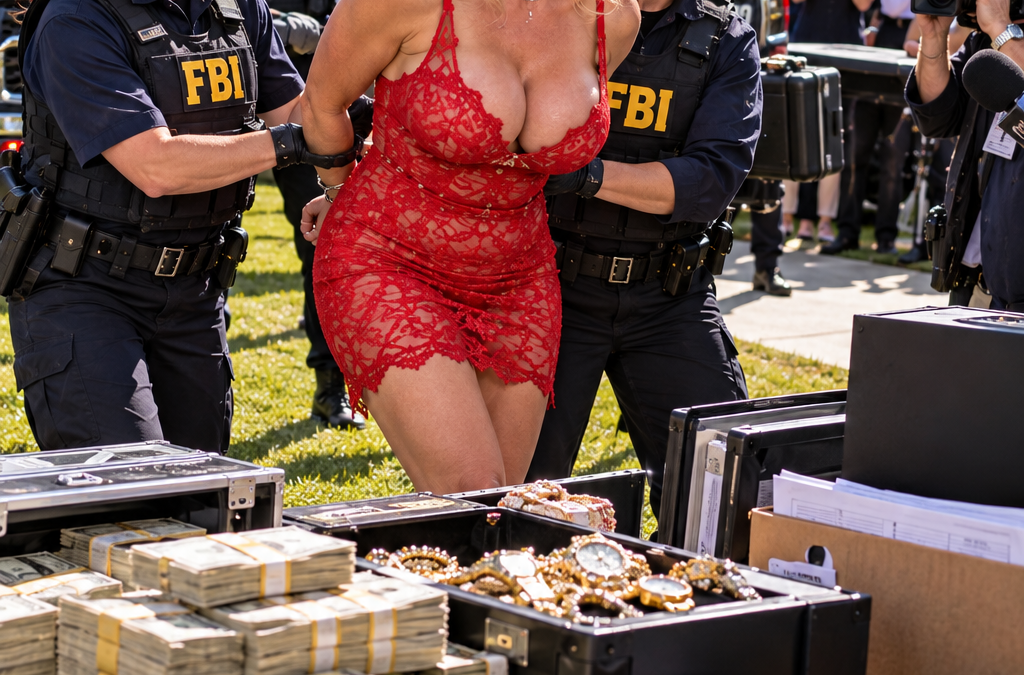
𝗙𝗨𝗟𝗟 𝗦𝗧𝗢𝗥𝗬
The way she said it—calm, exact, superior—should have warned me. This wasn’t about tomatoes. It was about obedience.
I said, “This seems a little extreme.”
Her smile sharpened.
“People who move here agree to community standards.”
“I understand standards. But I don’t see how tomatoes behind my house hurt the community.”
“That’s because you’re thinking like an individual homeowner.”
She leaned closer.
“We think collectively here.”
I held the violation notice in my hand and felt the first small spark of irritation.
“I’ll review the bylaws.”
“Do that.”
She turned toward the gate, then looked back at me.
“And Arya?”
“Yes?”
“In Willow Creek, it’s always easier to cooperate early.”
Then she walked out.
I paid the tomato fine.
I’m not proud of that.
At the time, it felt easier. Sana and I were still settling into the house. We had boxes in the guest room, bills on the counter, and no appetite for a neighborhood war over a garden.
So I paid the $150 and told myself it was the cost of peace.
Two weeks later, another notice appeared.
Mailbox post wrong shade of black.
Fine: $200.
I walked outside and stared at my mailbox.
It looked black.
The same black as every other mailbox on the street.
I actually held my phone flashlight against it that night, trying to see what shade of black Karen believed it was. Midnight charcoal? Approved onyx? Forbidden raven? It was absurd.
But the notice was real.
So was the fine.
That was when I started noticing something else.
My house was being inspected more than anyone else’s.
Karen’s little white SUV slowed near my curb almost daily. Sometimes she took pictures. Sometimes she just stared. Sometimes she made notes on her clipboard while pretending not to see me watching from the window.
Doug caught me at the mailboxes one evening.
“You’re on her list now.”
I turned.
“What list?”
He looked down the street before answering.
“Karen’s.”
I tried to smile.
“She has a list?”
“A folder, probably. She likes paper.”
“She fined me for tomatoes and a mailbox.”
“That’s how it starts.”
Doug was a heavyset man in his fifties with the tired eyes of someone who had learned not to fight battles he couldn’t afford. He had once challenged Karen over a fence height dispute. According to him, he lost the appeal, paid thousands in legal fees, and still had to rebuild the fence.
“She has a lawyer on retainer,” he said.
“So?”
“The HOA pays for it.”
I frowned.
“Our dues?”
He nodded.
“Our dues pay for her personal legal muscle.”
That sentence stayed with me.
Our dues.
I had paid into that account like every other homeowner. Sana and I budgeted for it. Everyone did. And if Doug was right, Karen was using community money to intimidate residents into silence.
The next HOA meeting was three nights later.
I went.
Not because I expected drama.
Because I wanted to watch.
The clubhouse was bland in the way community buildings usually are. Beige walls. Folding chairs. Coffee in a silver urn. A framed photograph of the neighborhood entrance hung near the door.
Karen sat at the center of the long table at the front.
Red lace dress.
Diamond necklace.
Clipboard perfectly aligned beside her.
She opened the meeting with that bright public smile.
“Good evening, neighbors. Thank you all for caring about the continued excellence of Willow Creek Estates.”
Her voice was honey over steel.
For the first twenty minutes, the meeting looked ordinary.
Landscaping reminders.
Pool hours.
Parking notices.
Community events.
Then a resident near the back asked about the reserve fund balance.
Karen’s smile flickered.
Only for a second.
“Our reserve fund remains adequate for projected needs.”
The resident raised his hand again.
“Could we see the current balance?”
Karen laughed lightly.
“Howard, if I presented every number every time someone got curious, we’d be here all night.”
A few people shifted uncomfortably.
Nobody laughed.
She moved on.
No vote.
No answer.
No balance.
I looked around the room and saw something I hadn’t noticed before.
Fear.
Not obvious terror. Nothing dramatic.
Just small signs.
People avoiding eye contact. Hands lowering before questions were asked. Spouses whispering, then going silent. Residents who clearly wanted answers deciding that peace was safer.
That silence told me more than Karen’s words.
I started taking notes.
Dates.
Amounts.
Questions avoided.
Fines issued.
Vague line items in the annual budget.
I told myself I was just being careful.
By the third meeting, careful had become suspicious.
Priya noticed first.
She found me in the clubhouse parking lot after a meeting where Karen had deflected three questions about maintenance costs.
“You’re writing everything down,” Priya said.
I closed my notebook.
“Habit.”
“No, it isn’t.”
She was a retired accountant, sharp-eyed and direct. She had silver-streaked dark hair, a practical handbag, and the kind of expression that made lying feel pointless.
I said, “The numbers don’t make sense.”
Her face changed.
“Which numbers?”
“Maintenance. Legal. Landscaping. Reserve fund withdrawals. I don’t know enough yet, but something feels off.”
Priya glanced toward the clubhouse doors.
Then she lowered her voice.
“I’ve seen embezzlement before.”
My stomach tightened.
“You think that’s what this is?”
“I think it smells the same.”
That single sentence changed everything.
Until then, Karen was an annoying HOA tyrant with a clipboard. Infuriating, yes. Maybe abusive. Maybe vindictive. But financial fraud? That was different.
Priya invited me to her kitchen two nights later.
We spread public HOA statements across her table. She had printed filings going back several years. I brought every fine and notice I had received. We cross-referenced assessment income, vendor payments, reserves, and annual budget summaries.
The first red flag was the landscaping contract.
Triple the expected market rate.
Paid to a company neither of us recognized.
No website.
No reviews.
No visible equipment.
Priya searched the business registration while I read the payment history.
When the address came up, she froze.
“What?” I asked.
She turned the laptop toward me.
The landscaping company’s registered address matched Karen’s brother-in-law’s home three streets over.
For a few seconds, I just stared.
Then I said, “That can’t be a coincidence.”
Priya’s voice went flat.
“It might be nepotism. It might be fraud. But it is definitely something.”
We kept digging.
There were special assessments for repairs that didn’t appear completed.
Fee hikes with vague explanations.
Vendor payments that lacked normal supporting detail.
And again and again, Karen’s signature appeared at the bottom.
Karen approving invoices.
Karen confirming contracts.
Karen certifying expenses.
It became clear we needed records beyond public summaries.
So I filed a formal request for access to full HOA financial records under our state’s transparency requirements and the association’s own governing documents.
I requested vendor contracts, invoices, bank statements, reserve ledgers, and board approvals.
Karen denied the request within twenty-four hours.
Her email was cold.
The board has determined that the requested records fall under internal confidentiality protections and are not subject to resident inspection.
I checked the bylaws.
There was no such policy.
I checked the state law summary.
Homeowners had rights to inspect key financial records.
Karen was bluffing.
That was when annoyance became war.
I contacted Marcus Chin, a real estate attorney known for handling HOA disputes. His office smelled like coffee and old paper. He listened to me describe the fines, the denied records request, the suspicious landscaping company, and Karen’s refusal to provide reserve fund details.
When I finished, he leaned back in his chair.
“This is more common than you’d think.”
“HOA corruption?”
“Abuse of authority. Financial opacity. Retaliatory enforcement. Sometimes it’s incompetence. Sometimes it’s criminal.”
He reviewed Karen’s denial.
“This response is weak.”
“Meaning?”
“Meaning she’s trying to sound official while citing a policy that may not exist.”
“So what do we do?”
“Build the case carefully.”
He tapped my folder.
“Karen sounds smart. She won’t leave obvious tracks. You need to catch her in her own paperwork.”
That became the plan.
I attended every HOA meeting.
Every community event.
Every public function Karen hosted.
I smiled when she approached me.
I paid fines under protest and saved every receipt.
I photographed my lawn before and after Karen claimed it was uneven. I photographed my mailbox. My driveway. My trash cans. My garden. My house from every angle.
Sana watched all of this with growing concern.
One night, she found me at the dining room table surrounded by violation notices and spreadsheets.
“Arya.”
I looked up.
Her voice was soft.
“When was the last time you slept?”
“I’m fine.”
“You’re not fine.”
I rubbed my eyes.
“She’s stealing from everyone.”
“We don’t know that yet.”
“No, but we’re close.”
Sana sat beside me.
“I hate what she’s doing. I do. But this is eating you alive.”
I wanted to deny it.
Instead, I looked at the stack of papers.
“She wants us scared enough to stop asking questions.”
“And are you scared?”
I laughed once.
“Yes.”
Sana took my hand.
“Then we finish this. Together. But carefully.”
I squeezed her hand.
That was Sana. Practical. Steady. Honest enough to tell me when I was spiraling and loyal enough to stand beside me anyway.
Karen noticed the change in me.
Of course she did.
The fines against our house tripled.
Suddenly, our lawn was uneven.
Our driveway parking angle was improper.
Our side gate color was inconsistent with community harmony.
One notice claimed our trash bin was visible from the street eleven minutes past the approved removal window.
Eleven minutes.
Karen had attached a timestamped photo.
I paid nothing without documentation.
Every notice went into the folder.
Every email went to Marcus.
Every contradiction became another thread.
Then Doug called me in a panic.
Karen was pushing an emergency special assessment.
Two thousand dollars per household.
The reason given was critical roof repairs on the clubhouse.
“The clubhouse roof?” I asked.
“That’s what the notice says.”
“Is it damaged?”
“Not that I’ve seen.”
I drove there that night.
The clubhouse sat beneath streetlights, quiet and locked.
I stood on the sidewalk and photographed the roof from every angle I could manage without trespassing.
It looked new.
Not damaged.
New.
Fresh shingles.
Clean lines.
No tarp.
No exposed repair.
No sign of emergency.
I sent the photos to Marcus.
He called the next morning.
“Now we’re getting somewhere.”
“What do you think?”
“I think you need to be at that assessment meeting with those photos in hand.”
The meeting was scheduled for Thursday at seven.
By six-forty-five, the clubhouse was packed.
More residents than I had ever seen at an HOA meeting squeezed into folding chairs and stood along the walls. Word had spread about the two-thousand-dollar assessment. People were nervous, angry, and confused.
Karen stood at the front, radiant in her red lace dress, smiling as though she had personally invited us to a garden party.
“Thank you all for coming,” she began. “It is heartwarming to see so many residents invested in the future of our beautiful community.”
Nobody smiled.
She launched into a speech about structural integrity, homeowner responsibility, emergency maintenance, and rising contractor costs.
When she introduced the assessment, I raised my hand.
Karen looked directly at me.
Her smile thinned.
“Yes, Arya?”
“I’d like to see the itemized invoice for the roof repair.”
“The invoice is being finalized.”
“You’re asking each household for two thousand dollars before the invoice is finalized?”
She tilted her head.
“Emergency projects sometimes require flexibility.”
I stood.
“I went by the clubhouse four nights ago.”
A murmur moved through the room.
I held up the photographs.
“The roof already looks fully replaced.”
Someone behind me said, “What?”
I passed copies down the front row.
Residents began leaning toward one another.
Karen’s smile flickered.
“That was temporary patchwork.”
“It looks like a complete roof installation.”
“It is not.”
“Then show us the contract.”
“The board will provide appropriate documentation at the appropriate time.”
Priya stood next.
She held printed financial statements.
“Karen, last year’s reserve fund dropped by nearly sixty percent.”
The room went silent.
Priya continued, calm and deadly.
“Where did the money go?”
Karen’s face tightened.
“The reserve fund has been allocated toward necessary community improvements.”
“Which ones?”
“That information is included in the broader financial report.”
“Then release the full report.”
Residents began nodding.
Someone said, “We deserve an audit.”
Another voice said, “Yes, an independent audit.”
Karen struck the table lightly with her pen.
“This meeting is becoming disorderly.”
“It’s becoming honest,” Doug said from the back.
That was the first time I saw Karen genuinely rattled.
Her eyes moved across the room, measuring the mood, calculating whether fear still outweighed anger.
For once, it didn’t.
She adjourned the meeting abruptly, promising answers at the next session.
But something had shifted.
People followed me into the parking lot afterward.
Some thanked me quietly.
Others asked whether I knew more.
Doug grinned.
“You just did what nobody’s dared to do in eleven years.”
I didn’t feel brave.
I felt exposed.
Three days later, I received a certified letter threatening a defamation lawsuit on Karen’s behalf.
Marcus read it and laughed.
“This is garbage.”
“It looks official.”
“That’s the point. She wants you scared.”
“Should I be?”
“Not of this.”
He placed the letter down.
“But it means you hit something important.”
Priya and I dug deeper into the landscaping company tied to Karen’s brother-in-law.
The numbers were obscene.
Over three years, the company had received more than $340,000.
For seasonal maintenance.
In a neighborhood whose landscaping costs should have been a fraction of that.
The company had no real website.
No employees we could identify.
No reviews.
No trucks.
No other known clients.
Just a business name, a bank account, and Karen’s approval signature.
“This isn’t mismanagement,” Priya said.
I stared at the records.
“No.”
“This is a machine.”
A machine.
That was exactly what it felt like.
A system designed to extract money while keeping residents distracted with fines and fear.
Marcus warned us not to confront Karen publicly yet.
“If she knows exactly what we have,” he said, “she may destroy records or move money.”
So I played the part.
I sent Karen a polite email clarifying that I had not intended to make any personal accusations at the meeting. She responded coldly, but the legal threat faded.
She thought I was backing down.
Behind the scenes, Marcus filed a formal complaint with the state HOA oversight division.
He also contacted an investigative journalist named Renee Vasquez, who had covered HOA corruption before.
Renee was skeptical at first.
“I get a lot of angry homeowner stories,” she said.
“Most of them?”
“Messy neighbor disputes. Personality conflicts. Some real abuse, but not always provable.”
Then I showed her the landscaping payments.
Her expression changed.
She leaned closer.
“This isn’t a neighborhood dispute.”
“No?”
“This looks like organized financial fraud.”
Within days, Renee began pulling county records, business licenses, vendor filings, and property ties connected to Karen’s family.
That was when the case grew legs outside our little group.
And that was when Karen became dangerous.
Her retaliation became more aggressive.
I received three fines in one week.
Improper driveway parking.
Unsightly lawn edge.
Unapproved side-yard storage.
The side-yard storage was a garden hose.
Sana found me staring at that notice and said, “This woman has lost her mind.”
“No,” I said. “She’s losing control.”
Renee’s research uncovered three more vendors.
Pool maintenance.
Security patrol.
Community events.
All linked to Karen’s extended family.
All overpaid.
All vaguely described in budget reports.
All approved through signatures that were now starting to look suspicious.
Then the name Frank appeared.
Not my neighbor Doug’s friend.
Frank, the HOA co-treasurer.
The quiet man who sat beside Karen at meetings and rarely spoke.
According to the records Renee found, Frank had received small but repeated payments tied to vendor contracts.
Kickbacks.
Marcus said, “We need someone inside.”
I knew immediately who he meant.
Frank.
The man who had sat sweating through the roof meeting while Priya asked about the reserve fund.
The man who looked less like a criminal mastermind and more like someone drowning in his own cowardice.
I found him one afternoon near the community mailboxes.
He was sorting through envelopes when I approached.
“Frank.”
He stiffened.
“Arya.”
“I know about the payments.”
His face drained.
He looked around quickly.
“Don’t do this here.”
“Then talk to me somewhere else.”
“I can’t.”
“You can keep protecting Karen, or you can protect yourself.”
His hands shook.
For a long moment, he stared at the ground.
Then he whispered, “She said if I ever talked, she’d say I forged everything myself.”
My pulse quickened.
“What did she forge?”
Frank swallowed.
“Board approvals. Contract authorizations. She used my signature stamp.”
“With your permission?”
“At first, for routine documents. Then she started using it for things I didn’t approve.”
“Why didn’t you report her?”
His eyes filled with panic.
“Because she had enough dirt to ruin me too.”
That was the fourth turn in the case.
Frank wasn’t innocent.
But he wasn’t fully in control either.
Karen had built her little empire through greed, fear, and leverage.
That night, Marcus met with Frank privately.
By morning, Frank agreed to cooperate.
He handed over internal bank statements he had secretly copied for years.
“Just in case,” he told us.
The numbers were staggering.
Nearly $1.8 million had flowed through vendor companies tied to Karen’s family over four years.
When Marcus reviewed the documents, his hands actually trembled.
“This isn’t just civil,” he said.
“This is criminal.”
He contacted a state attorney general investigator he knew from prior fraud cases.
Within days, a formal investigation opened.
Renee’s article dropped the same week.
The headline spread across local news by evening.
HOA PRESIDENT ACCUSED OF MULTI-YEAR FINANCIAL SCHEME.
Our quiet gated community became a media target overnight.
Reporters camped outside the entrance. Residents who had once whispered in corners now stood in driveways arguing openly. Karen issued a public statement denying everything.
She called the allegations a smear campaign by disgruntled rule-breaking residents.
She named me.
She claimed I had fabricated evidence out of spite over HOA fines.
For one terrible night, doubt crept in.
What if she talked her way out?
What if people believed her?
What if the investigation stalled and I was left standing alone with a ruined reputation?
Marcus called me after the statement.
“Don’t spiral.”
“She named me.”
“I saw.”
“She’s saying I fabricated evidence.”
“She has a bigger problem than public opinion now.”
“What?”
“Wire transfer records.”
I went quiet.
“Those don’t care how charming she is.”
Then came the fifth twist.
Investigators discovered that money from the shell vendors had moved across state lines.
That changed everything.
The case expanded beyond state-level HOA fraud and pulled in federal financial crimes investigators.
When Marcus called, his normally calm voice carried something close to excitement.
“They’re looking at wire fraud.”
“Federal?”
“Yes.”
I sat down.
“What does that mean?”
“It means Karen is no longer fighting neighbors. She’s fighting federal investigators.”
Karen tried one desperate maneuver.
She scheduled an emergency board vote to move old financial records into storage for “organization and preservation.”
Frank tipped off investigators immediately.
A preservation order was issued before the meeting could happen.
Then investigators found the Whitfield Contingency Fund.
That was the name on the account.
Nearly $600,000 sat inside.
Money siphoned slowly over the years, apparently intended as Karen’s escape cushion.
When Marcus told me, I didn’t speak for several seconds.
Six hundred thousand dollars.
While residents received fines for tomatoes.
While people paid special assessments.
While the clubhouse roof became an excuse for another two thousand dollars per household.
The anger in Willow Creek changed after that.
It was no longer quiet suspicion.
It was collective fury.
Neighbors who had ignored me now knocked on my door.
People brought copies of old notices, payment receipts, assessment letters, and repair complaints.
Doug hosted what he called a block meeting, though it looked more like an anxious street-wide gathering where everyone finally admitted what they had been afraid to say for years.
Karen, meanwhile, unraveled in public.
She sent frantic emails accusing board members of betrayal.
One email, clearly meant only for her inner circle, went to the entire resident list.
They can’t prove intent. Everyone needs to stay quiet and this will blow over.
I read that line five times.
Then forwarded it to Marcus.
He forwarded it to investigators.
“They can’t prove intent” became one of the most damaging sentences Karen ever wrote.
Priya and I kept digging.
The community events vendor turned up another fraud.
A Fourth of July fireworks show that had never happened.
Residents remembered it clearly.
The show had been canceled due to weather.
Yet the vendor had billed the HOA $22,000 and received full payment.
Twenty-two thousand dollars for fireworks that existed only on paper.
Every discovery felt like pulling another thread from a sweater that had somehow held together for eleven years.
Investigators held a formal meeting with affected residents.
Dozens of us showed up.
I brought everything.
Every fine.
Every photo.
Every email.
Every financial note.
The lead investigator was Agent Reyes, a composed woman with the calm authority of someone who had watched liars talk too much for a living.
She thanked me specifically.
“Your early documentation accelerated the timeline significantly.”
After months of stress, hearing that felt like air entering a locked room.
That night, Sana hugged me in our kitchen.
“You didn’t just fight for us,” she said.
“You fought for this whole street.”
I wanted to feel proud.
Mostly, I felt tired.
Then came the spreadsheet.
Forensic accountants found it on Karen’s home computer during a lawful search.
It tracked personal skim totals from each vendor contract.
Percentages.
Amounts.
Dates.
Names.
And one tab labeled:
Cover Story.
That tab listed excuses prepared in advance for fraudulent transactions.
Temporary repair.
Emergency maintenance.
Vendor shortage.
Weather cancellation.
Reserve fund adjustment.
It was breathtaking in its arrogance.
Karen hadn’t stumbled into bad accounting.
She had planned lies.
Line by line.
Frank signed a cooperation agreement and provided detailed testimony about forged signatures, hidden payments, and Karen’s threats.
Karen continued insisting publicly that she was the victim of a witch hunt.
A few longtime supporters believed her at first.
Some people didn’t want to admit they had trusted a thief.
Others preferred a familiar lie to an ugly truth.
Marcus reminded me that public opinion no longer mattered.
Evidence did.
The federal grand jury process moved quietly.
Willow Creek entered a strange suspended state.
Everyone waited.
Every morning, I checked the news.
Every evening, neighbors texted rumors they had heard.
Sana and I tried to keep ordinary routines alive, but the investigation had swallowed the neighborhood.
Then Karen’s brother-in-law flipped.
Facing exposure through the fake landscaping company, he agreed to cooperate.
He claimed Karen had pressured him into the scheme years earlier by threatening to expose an old family debt.
That didn’t excuse him.
He had taken the money.
He had participated.
But his statement revealed how Karen operated even inside her own family.
Control.
Threats.
Leverage.
Fear.
Renee published a follow-up article.
After that, Karen’s support collapsed almost completely.
Board members resigned one by one.
The inner circle fractured.
Karen stood increasingly alone, still defiant but visibly desperate.
She tried to sell her house through a family trust.
Investigators treated the attempted sale as evidence that she might flee or hide assets.
A judge issued a temporary asset freeze.
The sale stopped.
Her accounts were locked down.
For the first time since the tomato fine, I allowed myself to believe justice was coming.
Then, one quiet Tuesday morning, it arrived with sirens.
I was making coffee when I heard them.
Not one.
Several.
A sharp, rising sound turning into our street with urgency Willow Creek had never seen before.
I stepped onto the porch in my bathrobe.
Doug was already outside.
Priya opened her front door.
Other neighbors appeared one by one.
Black vehicles stopped in front of Karen’s house.
Federal agents stepped out.
Weapons holstered.
Badges visible.
Their presence was controlled, professional, unmistakable.
Karen’s front door opened.
She appeared in a bathrobe, her face bare of its usual flawless makeup, her blonde hair loose and messy. For once, there was no red lace dress, no clipboard, no polished performance.
Just panic.
“What is this?” she shouted. “This is harassment!”
Agent Reyes stood on the walkway and read from the warrant.
Wire fraud.
Embezzlement.
Forgery.
Money laundering.
Karen’s voice cracked.
“I’ve done nothing wrong!”
Two additional board members were arrested shortly afterward.
That was the final shock.
They had not merely been careless or intimidated. They had participated, benefited, or helped conceal pieces of the scheme.
The rot had gone deeper than we thought.
Karen was handcuffed on her own perfectly manicured lawn.
The same lawn she had once fined a neighbor for overgrowing by half an inch.
The irony moved through the crowd like a current.
Someone laughed once, sharp and stunned, then fell silent.
As agents guided Karen toward the vehicle, she looked across the street.
At me.
For once, she had nothing to say.
No bylaw.
No policy.
No confidential board discretion.
No sweet little threat wrapped in a smile.
Just silence.
I expected to feel triumph.
I didn’t.
I felt relief, yes.
But it was heavy.
Eleven years of fear ending in handcuffs on a Tuesday morning did not feel cinematic when I saw her children’s curtains moving in an upstairs window. It did not feel simple when I thought about every family she had manipulated and every person who had helped her because they were greedy, scared, or both.
Doug walked over and stood beside me.
“You did this,” he said.
I shook my head.
“We did.”
He looked at Karen’s house.
“Still.”
“No,” I said. “All of us. Finally.”
In the weeks that followed, the full scope became public.
Nearly $2.1 million stolen over eleven years.
Fake landscaping.
Phantom repairs.
Canceled fireworks billed as completed.
Security patrol contracts inflated through shell vendors.
Pool maintenance routed through family companies.
Reserve funds drained.
Special assessments fabricated.
Every homeowner in Willow Creek had unknowingly funded Karen’s private empire.
The state appointed an emergency receiver to stabilize the HOA finances until a new board could be elected.
Priya volunteered immediately.
I refused a board seat.
I was too tired.
But I agreed to help draft new transparency bylaws.
Quarterly public audits.
Open financial reports.
Mandatory vendor disclosures.
Independent bids for major contracts.
Limits on emergency spending.
Strict conflict-of-interest rules.
A real appeal process for fines.
A policy requiring all board votes to be recorded and accessible to homeowners.
Never again would one person be able to turn a community into a cash machine behind closed doors.
Frank avoided prison because of his cooperation, but he received probation and a lifetime ban from HOA leadership.
His marriage ended.
Many friendships did too.
Some people forgave him.
Others never would.
Karen’s brother-in-law received a reduced sentence for his cooperation, but his business collapsed and his reputation went with it.
Karen refused every plea deal.
Right through jury selection, she insisted she was innocent.
Her attorney reportedly urged her to accept a deal.
She refused.
She believed she could still charm a jury.
That was Karen’s final miscalculation.
At trial, prosecutors laid out the case piece by piece.
The shell companies.
The wire transfers.
Frank’s testimony.
The forged signatures.
The Whitfield Contingency Fund.
The fake roof assessment.
The canceled fireworks invoice.
The spreadsheet.
Karen took the stand.
For a moment, I saw the old version of her.
Calm.
Poised.
Beautiful.
Controlled.
She spoke about sacrifice, community service, administrative complexity, and disgruntled residents.
Then the prosecutor opened the cover-story tab from her own spreadsheet.
Line by line, he read her prepared excuses aloud.
Temporary repair.
Vendor shortage.
Weather cancellation.
Reserve adjustment.
Accounting delay.
Karen’s composure cracked on the stand.
Not all at once.
First her smile failed.
Then her voice tightened.
Then she stopped answering directly.
The prosecutor did not raise his voice.
He didn’t need to.
Her own records did the damage.
The jury deliberated for less than six hours.
Guilty on every count.
When the verdict was read, Sana held my hand so tightly it hurt.
I did not let go.
At sentencing, Karen received nine years in federal prison.
Full restitution was ordered for affected homeowners.
Her frozen house was sold at auction, and proceeds were redirected toward repayment.
When the judge read the sentence, I finally exhaled.
Not dramatically.
Not with tears.
Just a long, quiet breath I felt like I had been holding since the day Karen walked into my backyard and called my tomatoes unauthorized.
Outside the courthouse, Renee asked me how it felt.
I thought about giving a clean answer.
Something strong.
Something quotable.
Instead, I told the truth.
“It doesn’t feel like victory,” I said. “It feels like we finally stopped being afraid of a clipboard.”
That quote ran in the paper the next day.
Messages poured in from other neighborhoods.
People dealing with corrupt HOAs.
People afraid to ask for records.
People fined into silence over fences, gardens, flags, paint colors, driveways, and mailboxes.
Marcus started receiving calls from homeowners across the state. Eventually, HOA fraud litigation became a major part of his practice.
Priya’s new board rebuilt Willow Creek slowly.
The fake vendors were dissolved.
Real local companies were hired through competitive bids.
The reserve fund was reconstructed.
Quarterly audits were published.
Meetings became dull in the best possible way.
Numbers appeared on screens.
Residents asked questions.
Board members answered them.
No one was threatened for wanting proof.
Karen’s old house was eventually bought by a retired couple from Ohio. They painted the front door blue after receiving proper approval. Nobody fined them. Nobody whispered. Nobody slowed their car in front of their house with a clipboard.
That summer, my tomatoes grew wild.
I left them alone more than I should have, partly out of defiance and partly because I loved seeing them take over the garden bed that started everything.
When the first tomatoes ripened, Sana and I picked them together.
Doug joked that the neighborhood should name a variety after me.
“The Arya Accountability Tomato,” he said.
“That sounds terrible.”
“It tastes like justice.”
For the first time in what felt like years, I laughed without feeling tension behind it.
But justice always leaves wreckage.
That is something people don’t talk about enough.
Yes, Karen went to prison.
Yes, the stolen money was traced.
Yes, the HOA was rebuilt.
But Frank lost his marriage, his reputation, and the trust of neighbors who once considered him harmless.
Karen’s children, innocent in all of it, had to live with a family name tied to scandal.
Residents who had trusted the board now struggled to trust anyone with authority.
The community lost its innocence.
Maybe that innocence had been fake.
Maybe it had been built on silence.
Still, losing it hurt.
For months after the trial, I would wake up at night thinking about how close Karen had come to getting away with everything.
If I had paid the tomato fine and stopped noticing.
If Priya had stayed silent.
If Doug had decided it wasn’t worth the risk.
If Frank had kept protecting himself.
If Renee had dismissed us as another angry homeowner story.
If Marcus had not known exactly where to push.
If investigators had not followed the money.
Karen might still be sitting at the front of that clubhouse in her red lace dress, smiling at frightened homeowners while draining their accounts behind the scenes.
Instead, the first ridiculous violation notice hangs framed in my home office.
Unauthorized Vegetable Patch — $150.
Sometimes people laugh when they see it.
I don’t mind.
It is absurd.
But to me, that paper is also proof.
Proof that corruption often starts by training people to accept small humiliations.
Proof that fear becomes policy when no one challenges it.
Proof that a person with a clipboard can do enormous damage if everyone mistakes confidence for authority.
And proof that even the smallest fight can reveal something much larger beneath the surface.
One evening, months after Karen’s sentencing, I stood in the backyard watering the tomatoes.
Sana came outside with two glasses of iced tea.
She handed me one and looked at the garden.
“They’re taking over.”
“They’re thriving.”
“They’re aggressive.”
“They learned from the HOA.”
She smiled.
The sun was setting behind the houses, turning the sky gold and pink. Somewhere down the street, children were laughing. A sprinkler clicked rhythmically. A dog barked once and then went quiet.
For the first time since moving to Willow Creek, the neighborhood felt like what the newsletter had promised.
Not perfect.
Not spotless.
Not fake.
Real.
People had argued. Exposed one another. Testified. Cooperated. Confessed. Rebuilt.
Trust did not return overnight.
But it returned in pieces.
A neighbor sharing records.
A board member answering a question honestly.
A meeting where financial reports were boring and complete.
A garden left alone.
Sana slipped her arm through mine.
“Do you ever wish we’d never gotten involved?”
I watched the tomato vines move slightly in the evening breeze.
“Yes.”
She looked at me.
“Really?”
“Sometimes.”
I took a breath.
“It would have been easier to just pay and move on.”
“For us.”
“Maybe.”
She leaned her head against my shoulder.
“But not for everyone.”
That was the truth.
Karen had counted on each of us thinking only about our own peace.
My fine.
My house.
My risk.
My comfort.
Her entire system depended on isolation.
The moment people began comparing notes, her power cracked.
The moment we stopped whispering and started documenting, her kingdom began to collapse.
I looked toward Karen’s old house.
The retired couple from Ohio had planted flowers near the walkway. Bright yellow ones. Cheerful and slightly messy.
Karen would have hated them.
I smiled.
“What?” Sana asked.
“Nothing.”
But it wasn’t nothing.
It was the sight of a neighborhood finally allowed to breathe.
I took one ripe tomato from the vine and held it in my palm.
Small.
Ordinary.
Bright red.
The kind of thing no one should ever have cared about enough to issue a fine.
The kind of thing that had somehow helped expose millions of dollars in stolen money.
Some fights start so small they feel ridiculous.
A mailbox.
A fence.
A roof invoice.
A garden.
A tomato plant.
But if the person enforcing the rule is using that rule to hide something rotten, even the smallest pushback can open the ground beneath them.
Karen Whitfield thought she owned Willow Creek Estates.
She thought fear was permanent.
She thought money moved quietly enough through shell companies that nobody would ever follow it.
She thought a clipboard, a smile, and a red lace dress could keep an entire neighborhood obedient forever.
She was wrong.
All it took was one fine too many.
One neighbor willing to whisper the truth.
One accountant who knew what fraud smelled like.
One attorney who understood where the law gave residents power.
One journalist willing to keep digging.
One terrified insider deciding he would rather cooperate than drown.
And one backyard garden that refused to be the end of the story.
I rinsed the tomato under the outdoor faucet.
Then I bit into it right there in the yard.
It was warm from the sun.
Sweet.
A little messy.
Completely unauthorized by Karen Whitfield.
And absolutely perfect.
𝗧𝗛𝗘 𝗘𝗡𝗗
The HOA Queen Fined Me $150 for Tomatoes, Then Federal Agents Found the Millions She Thought Nobody Would Ever Trace.
The morning they dragged Karen Whitfield out in handcuffs, I stood on my front porch in my bathrobe with my coffee shaking in my hand.
Six months earlier, I had been worried about tomatoes.
That was the absurd part.
Not stolen money.
Not shell companies.
Not forged signatures.
Not federal wire fraud.
Tomatoes.
A few green vines planted in my own backyard, behind my own house, in soil I bought with my own money.
That was where everything began.
By the time it ended, federal agents were surrounding Karen’s manicured lawn, reporters were parked outside our gates, two board members were arrested beside her, and the woman who had ruled Willow Creek Estates for eleven years stood speechless while the same neighbors she had terrorized watched from their driveways.
My name is Arya.
I moved into Willow Creek Estates because I wanted peace.
That sounds painfully naive now.
At the time, it made sense.
I was in my early thirties, working long hours, building a career that demanded more from me than I usually admitted. My wife, Sana, and I wanted a place that felt stable. Clean streets. Quiet evenings. Neighbors who waved without needing anything. A backyard where we could plant something and watch it grow.
Willow Creek looked perfect from the outside.
The entrance gate had stone pillars and trimmed hedges. The lawns were green even during the hottest stretch of summer. Every mailbox stood upright and identical, painted the same approved shade of black. The community newsletter used words like trust, respect, and shared values so often that I almost believed them.
Then I met Karen Whitfield.
Karen was the president of the Willow Creek Estates Homeowners Association, and she carried herself like a woman who had never once been forced to hear the word no.
She was around forty, maybe a little older, but she looked younger at first glance because she maintained herself with the discipline of someone preparing for cameras. Her blonde hair was always styled, her makeup always precise, and her smile always placed exactly where she wanted it.
She was beautiful in a sharp, theatrical way.
Not warm.
Not soft.
Beautiful like a blade under bright light.
Her favorite outfit was a fitted red lace dress with a plunging neckline that drew every eye in the room before she even opened her mouth. It hugged her body tightly, and she used it the same way she used her clipboard—as a prop, a weapon, a declaration that she owned the space she occupied.
At HOA meetings, she would lean forward across the table, smile sweetly, and make grown adults forget what they had planned to say.
Then, the moment someone challenged her, the charm vanished.
The voice dropped.
The eyes hardened.
And everyone remembered why they had been afraid of her in the first place.
Neighbors called her the sheriff of suburbia behind her back.
Never to her face.
I heard the warnings early.
Doug from two doors down told me she had fined him into submission over a fence-height dispute.
Priya, a retired accountant who lived on the corner, said Karen had controlled the board so long that people had forgotten the HOA was supposed to serve residents, not rule them.
I laughed it off.
That was my first mistake.
I figured every neighborhood had one dramatic board member. One person who took lawn rules too seriously. One self-important volunteer who found meaning in paint samples and hedge measurements.
How bad could one overzealous HOA president really be?
Three weeks after Sana and I planted our backyard tomatoes, I found out.
It was a Saturday morning.
I was watering the garden when I heard the side gate click.
I looked up and saw Karen walking into my backyard without permission.
Red lace dress.
High heels.
Clipboard.
Perfect smile.
She stopped beside the raised garden bed and looked at my tomato plants as if she had discovered illegal explosives.
“Good morning, Arya,” she said.
I slowly lowered the hose.
“Karen. Can I help you?”
She tapped her pen against the clipboard.
“I’m afraid I’m the one here to help you.”
That was the first time I noticed how much she enjoyed making a threat sound polite.
“With what?”
She gestured toward the tomato vines.
“This unauthorized vegetable patch violates Section 4.2 of the Willow Creek exterior-use bylaws.”
I stared at her.
“My tomatoes?”
“Your unauthorized vegetable patch.”
“It’s in my backyard.”
“And visible from the upper-floor windows of neighboring homes.”
I almost laughed.
I thought she was joking.
Then she pulled a violation notice from her clipboard and handed it to me.
Fine: $150.
I looked from the paper to the garden, then back to her.
“You’re fining me for tomatoes?”
“I’m enforcing the bylaws.”
“Karen, these are vegetables.”
“Unauthorized vegetables.”
The way she said it—calm, exact, superior—should have warned me. This wasn’t about tomatoes. It was about obedience.
I said, “This seems a little extreme.”
Her smile sharpened.
“People who move here agree to community standards.”
“I understand standards. But I don’t see how tomatoes behind my house hurt the community.”
“That’s because you’re thinking like an individual homeowner.”
She leaned closer.
“We think collectively here.”
I held the violation notice in my hand and felt the first small spark of irritation.
“I’ll review the bylaws.”
“Do that.”
She turned toward the gate, then looked back at me.
“And Arya?”
“Yes?”
“In Willow Creek, it’s always easier to cooperate early.”
Then she walked out.
I paid the tomato fine.
I’m not proud of that.
At the time, it felt easier. Sana and I were still settling into the house. We had boxes in the guest room, bills on the counter, and no appetite for a neighborhood war over a garden.
So I paid the $150 and told myself it was the cost of peace.
Two weeks later, another notice appeared.
Mailbox post wrong shade of black.
Fine: $200.
I walked outside and stared at my mailbox.
It looked black.
The same black as every other mailbox on the street.
I actually held my phone flashlight against it that night, trying to see what shade of black Karen believed it was. Midnight charcoal? Approved onyx? Forbidden raven? It was absurd.
But the notice was real.
So was the fine.
That was when I started noticing something else.
My house was being inspected more than anyone else’s.
Karen’s little white SUV slowed near my curb almost daily. Sometimes she took pictures. Sometimes she just stared. Sometimes she made notes on her clipboard while pretending not to see me watching from the window.
Doug caught me at the mailboxes one evening.
“You’re on her list now.”
I turned.
“What list?”
He looked down the street before answering.
“Karen’s.”
I tried to smile.
“She has a list?”
“A folder, probably. She likes paper.”
“She fined me for tomatoes and a mailbox.”
“That’s how it starts.”
Doug was a heavyset man in his fifties with the tired eyes of someone who had learned not to fight battles he couldn’t afford. He had once challenged Karen over a fence height dispute. According to him, he lost the appeal, paid thousands in legal fees, and still had to rebuild the fence.
“She has a lawyer on retainer,” he said.
“So?”
“The HOA pays for it.”
I frowned.
“Our dues?”
He nodded.
“Our dues pay for her personal legal muscle.”
That sentence stayed with me.
Our dues.
I had paid into that account like every other homeowner. Sana and I budgeted for it. Everyone did. And if Doug was right, Karen was using community money to intimidate residents into silence.
The next HOA meeting was three nights later.
I went.
Not because I expected drama.
Because I wanted to watch.
The clubhouse was bland in the way community buildings usually are. Beige walls. Folding chairs. Coffee in a silver urn. A framed photograph of the neighborhood entrance hung near the door.
Karen sat at the center of the long table at the front.
Red lace dress.
Diamond necklace.
Clipboard perfectly aligned beside her.
She opened the meeting with that bright public smile.
“Good evening, neighbors. Thank you all for caring about the continued excellence of Willow Creek Estates.”
Her voice was honey over steel.
For the first twenty minutes, the meeting looked ordinary.
Landscaping reminders.
Pool hours.
Parking notices.
Community events.
Then a resident near the back asked about the reserve fund balance.
Karen’s smile flickered.
Only for a second.
“Our reserve fund remains adequate for projected needs.”
The resident raised his hand again.
“Could we see the current balance?”
Karen laughed lightly.
“Howard, if I presented every number every time someone got curious, we’d be here all night.”
A few people shifted uncomfortably.
Nobody laughed.
She moved on.
No vote.
No answer.
No balance.
I looked around the room and saw something I hadn’t noticed before.
Fear.
Not obvious terror. Nothing dramatic.
Just small signs.
People avoiding eye contact. Hands lowering before questions were asked. Spouses whispering, then going silent. Residents who clearly wanted answers deciding that peace was safer.
That silence told me more than Karen’s words.
I started taking notes.
Dates.
Amounts.
Questions avoided.
Fines issued.
Vague line items in the annual budget.
I told myself I was just being careful.
By the third meeting, careful had become suspicious.
Priya noticed first.
She found me in the clubhouse parking lot after a meeting where Karen had deflected three questions about maintenance costs.
“You’re writing everything down,” Priya said.
I closed my notebook.
“Habit.”
“No, it isn’t.”
She was a retired accountant, sharp-eyed and direct. She had silver-streaked dark hair, a practical handbag, and the kind of expression that made lying feel pointless.
I said, “The numbers don’t make sense.”
Her face changed.
“Which numbers?”
“Maintenance. Legal. Landscaping. Reserve fund withdrawals. I don’t know enough yet, but something feels off.”
Priya glanced toward the clubhouse doors.
Then she lowered her voice.
“I’ve seen embezzlement before.”
My stomach tightened.
“You think that’s what this is?”
“I think it smells the same.”
That single sentence changed everything.
Until then, Karen was an annoying HOA tyrant with a clipboard. Infuriating, yes. Maybe abusive. Maybe vindictive. But financial fraud? That was different.
Priya invited me to her kitchen two nights later.
We spread public HOA statements across her table. She had printed filings going back several years. I brought every fine and notice I had received. We cross-referenced assessment income, vendor payments, reserves, and annual budget summaries.
The first red flag was the landscaping contract.
Triple the expected market rate.
Paid to a company neither of us recognized.
No website.
No reviews.
No visible equipment.
Priya searched the business registration while I read the payment history.
When the address came up, she froze.
“What?” I asked.
She turned the laptop toward me.
The landscaping company’s registered address matched Karen’s brother-in-law’s home three streets over.
For a few seconds, I just stared.
Then I said, “That can’t be a coincidence.”
Priya’s voice went flat.
“It might be nepotism. It might be fraud. But it is definitely something.”
We kept digging.
There were special assessments for repairs that didn’t appear completed.
Fee hikes with vague explanations.
Vendor payments that lacked normal supporting detail.
And again and again, Karen’s signature appeared at the bottom.
Karen approving invoices.
Karen confirming contracts.
Karen certifying expenses.
It became clear we needed records beyond public summaries.
So I filed a formal request for access to full HOA financial records under our state’s transparency requirements and the association’s own governing documents.
I requested vendor contracts, invoices, bank statements, reserve ledgers, and board approvals.
Karen denied the request within twenty-four hours.
Her email was cold.
The board has determined that the requested records fall under internal confidentiality protections and are not subject to resident inspection.
I checked the bylaws.
There was no such policy.
I checked the state law summary.
Homeowners had rights to inspect key financial records.
Karen was bluffing.
That was when annoyance became war.
I contacted Marcus Chin, a real estate attorney known for handling HOA disputes. His office smelled like coffee and old paper. He listened to me describe the fines, the denied records request, the suspicious landscaping company, and Karen’s refusal to provide reserve fund details.
When I finished, he leaned back in his chair.
“This is more common than you’d think.”
“HOA corruption?”
“Abuse of authority. Financial opacity. Retaliatory enforcement. Sometimes it’s incompetence. Sometimes it’s criminal.”
He reviewed Karen’s denial.
“This response is weak.”
“Meaning?”
“Meaning she’s trying to sound official while citing a policy that may not exist.”
“So what do we do?”
“Build the case carefully.”
He tapped my folder.
“Karen sounds smart. She won’t leave obvious tracks. You need to catch her in her own paperwork.”
That became the plan.
I attended every HOA meeting.
Every community event.
Every public function Karen hosted.
I smiled when she approached me.
I paid fines under protest and saved every receipt.
I photographed my lawn before and after Karen claimed it was uneven. I photographed my mailbox. My driveway. My trash cans. My garden. My house from every angle.
Sana watched all of this with growing concern.
One night, she found me at the dining room table surrounded by violation notices and spreadsheets.
“Arya.”
I looked up.
Her voice was soft.
“When was the last time you slept?”
“I’m fine.”
“You’re not fine.”
I rubbed my eyes.
“She’s stealing from everyone.”
“We don’t know that yet.”
“No, but we’re close.”
Sana sat beside me.
“I hate what she’s doing. I do. But this is eating you alive.”
I wanted to deny it.
Instead, I looked at the stack of papers.
“She wants us scared enough to stop asking questions.”
“And are you scared?”
I laughed once.
“Yes.”
Sana took my hand.
“Then we finish this. Together. But carefully.”
I squeezed her hand.
That was Sana. Practical. Steady. Honest enough to tell me when I was spiraling and loyal enough to stand beside me anyway.
Karen noticed the change in me.
Of course she did.
The fines against our house tripled.
Suddenly, our lawn was uneven.
Our driveway parking angle was improper.
Our side gate color was inconsistent with community harmony.
One notice claimed our trash bin was visible from the street eleven minutes past the approved removal window.
Eleven minutes.
Karen had attached a timestamped photo.
I paid nothing without documentation.
Every notice went into the folder.
Every email went to Marcus.
Every contradiction became another thread.
Then Doug called me in a panic.
Karen was pushing an emergency special assessment.
Two thousand dollars per household.
The reason given was critical roof repairs on the clubhouse.
“The clubhouse roof?” I asked.
“That’s what the notice says.”
“Is it damaged?”
“Not that I’ve seen.”
I drove there that night.
The clubhouse sat beneath streetlights, quiet and locked.
I stood on the sidewalk and photographed the roof from every angle I could manage without trespassing.
It looked new.
Not damaged.
New.
Fresh shingles.
Clean lines.
No tarp.
No exposed repair.
No sign of emergency.
I sent the photos to Marcus.
He called the next morning.
“Now we’re getting somewhere.”
“What do you think?”
“I think you need to be at that assessment meeting with those photos in hand.”
The meeting was scheduled for Thursday at seven.
By six-forty-five, the clubhouse was packed.
More residents than I had ever seen at an HOA meeting squeezed into folding chairs and stood along the walls. Word had spread about the two-thousand-dollar assessment. People were nervous, angry, and confused.
Karen stood at the front, radiant in her red lace dress, smiling as though she had personally invited us to a garden party.
“Thank you all for coming,” she began. “It is heartwarming to see so many residents invested in the future of our beautiful community.”
Nobody smiled.
She launched into a speech about structural integrity, homeowner responsibility, emergency maintenance, and rising contractor costs.
When she introduced the assessment, I raised my hand.
Karen looked directly at me.
Her smile thinned.
“Yes, Arya?”
“I’d like to see the itemized invoice for the roof repair.”
“The invoice is being finalized.”
“You’re asking each household for two thousand dollars before the invoice is finalized?”
She tilted her head.
“Emergency projects sometimes require flexibility.”
I stood.
“I went by the clubhouse four nights ago.”
A murmur moved through the room.
I held up the photographs.
“The roof already looks fully replaced.”
Someone behind me said, “What?”
I passed copies down the front row.
Residents began leaning toward one another.
Karen’s smile flickered.
“That was temporary patchwork.”
“It looks like a complete roof installation.”
“It is not.”
“Then show us the contract.”
“The board will provide appropriate documentation at the appropriate time.”
Priya stood next.
She held printed financial statements.
“Karen, last year’s reserve fund dropped by nearly sixty percent.”
The room went silent.
Priya continued, calm and deadly.
“Where did the money go?”
Karen’s face tightened.
“The reserve fund has been allocated toward necessary community improvements.”
“Which ones?”
“That information is included in the broader financial report.”
“Then release the full report.”
Residents began nodding.
Someone said, “We deserve an audit.”
Another voice said, “Yes, an independent audit.”
Karen struck the table lightly with her pen.
“This meeting is becoming disorderly.”
“It’s becoming honest,” Doug said from the back.
That was the first time I saw Karen genuinely rattled.
Her eyes moved across the room, measuring the mood, calculating whether fear still outweighed anger.
For once, it didn’t.
She adjourned the meeting abruptly, promising answers at the next session.
But something had shifted.
People followed me into the parking lot afterward.
Some thanked me quietly.
Others asked whether I knew more.
Doug grinned.
“You just did what nobody’s dared to do in eleven years.”
I didn’t feel brave.
I felt exposed.
Three days later, I received a certified letter threatening a defamation lawsuit on Karen’s behalf.
Marcus read it and laughed.
“This is garbage.”
“It looks official.”
“That’s the point. She wants you scared.”
“Should I be?”
“Not of this.”
He placed the letter down.
“But it means you hit something important.”
Priya and I dug deeper into the landscaping company tied to Karen’s brother-in-law.
The numbers were obscene.
Over three years, the company had received more than $340,000.
For seasonal maintenance.
In a neighborhood whose landscaping costs should have been a fraction of that.
The company had no real website.
No employees we could identify.
No reviews.
No trucks.
No other known clients.
Just a business name, a bank account, and Karen’s approval signature.
“This isn’t mismanagement,” Priya said.
I stared at the records.
“No.”
“This is a machine.”
A machine.
That was exactly what it felt like.
A system designed to extract money while keeping residents distracted with fines and fear.
Marcus warned us not to confront Karen publicly yet.
“If she knows exactly what we have,” he said, “she may destroy records or move money.”
So I played the part.
I sent Karen a polite email clarifying that I had not intended to make any personal accusations at the meeting. She responded coldly, but the legal threat faded.
She thought I was backing down.
Behind the scenes, Marcus filed a formal complaint with the state HOA oversight division.
He also contacted an investigative journalist named Renee Vasquez, who had covered HOA corruption before.
Renee was skeptical at first.
“I get a lot of angry homeowner stories,” she said.
“Most of them?”
“Messy neighbor disputes. Personality conflicts. Some real abuse, but not always provable.”
Then I showed her the landscaping payments.
Her expression changed.
She leaned closer.
“This isn’t a neighborhood dispute.”
“No?”
“This looks like organized financial fraud.”
Within days, Renee began pulling county records, business licenses, vendor filings, and property ties connected to Karen’s family.
That was when the case grew legs outside our little group.
And that was when Karen became dangerous.
Her retaliation became more aggressive.
I received three fines in one week.
Improper driveway parking.
Unsightly lawn edge.
Unapproved side-yard storage.
The side-yard storage was a garden hose.
Sana found me staring at that notice and said, “This woman has lost her mind.”
“No,” I said. “She’s losing control.”
Renee’s research uncovered three more vendors.
Pool maintenance.
Security patrol.
Community events.
All linked to Karen’s extended family.
All overpaid.
All vaguely described in budget reports.
All approved through signatures that were now starting to look suspicious.
Then the name Frank appeared.
Not my neighbor Doug’s friend.
Frank, the HOA co-treasurer.
The quiet man who sat beside Karen at meetings and rarely spoke.
According to the records Renee found, Frank had received small but repeated payments tied to vendor contracts.
Kickbacks.
Marcus said, “We need someone inside.”
I knew immediately who he meant.
Frank.
The man who had sat sweating through the roof meeting while Priya asked about the reserve fund.
The man who looked less like a criminal mastermind and more like someone drowning in his own cowardice.
I found him one afternoon near the community mailboxes.
He was sorting through envelopes when I approached.
“Frank.”
He stiffened.
“Arya.”
“I know about the payments.”
His face drained.
He looked around quickly.
“Don’t do this here.”
“Then talk to me somewhere else.”
“I can’t.”
“You can keep protecting Karen, or you can protect yourself.”
His hands shook.
For a long moment, he stared at the ground.
Then he whispered, “She said if I ever talked, she’d say I forged everything myself.”
My pulse quickened.
“What did she forge?”
Frank swallowed.
“Board approvals. Contract authorizations. She used my signature stamp.”
“With your permission?”
“At first, for routine documents. Then she started using it for things I didn’t approve.”
“Why didn’t you report her?”
His eyes filled with panic.
“Because she had enough dirt to ruin me too.”
That was the fourth turn in the case.
Frank wasn’t innocent.
But he wasn’t fully in control either.
Karen had built her little empire through greed, fear, and leverage.
That night, Marcus met with Frank privately.
By morning, Frank agreed to cooperate.
He handed over internal bank statements he had secretly copied for years.
“Just in case,” he told us.
The numbers were staggering.
Nearly $1.8 million had flowed through vendor companies tied to Karen’s family over four years.
When Marcus reviewed the documents, his hands actually trembled.
“This isn’t just civil,” he said.
“This is criminal.”
He contacted a state attorney general investigator he knew from prior fraud cases.
Within days, a formal investigation opened.
Renee’s article dropped the same week.
The headline spread across local news by evening.
HOA PRESIDENT ACCUSED OF MULTI-YEAR FINANCIAL SCHEME.
Our quiet gated community became a media target overnight.
Reporters camped outside the entrance. Residents who had once whispered in corners now stood in driveways arguing openly. Karen issued a public statement denying everything.
She called the allegations a smear campaign by disgruntled rule-breaking residents.
She named me.
She claimed I had fabricated evidence out of spite over HOA fines.
For one terrible night, doubt crept in.
What if she talked her way out?
What if people believed her?
What if the investigation stalled and I was left standing alone with a ruined reputation?
Marcus called me after the statement.
“Don’t spiral.”
“She named me.”
“I saw.”
“She’s saying I fabricated evidence.”
“She has a bigger problem than public opinion now.”
“What?”
“Wire transfer records.”
I went quiet.
“Those don’t care how charming she is.”
Then came the fifth twist.
Investigators discovered that money from the shell vendors had moved across state lines.
That changed everything.
The case expanded beyond state-level HOA fraud and pulled in federal financial crimes investigators.
When Marcus called, his normally calm voice carried something close to excitement.
“They’re looking at wire fraud.”
“Federal?”
“Yes.”
I sat down.
“What does that mean?”
“It means Karen is no longer fighting neighbors. She’s fighting federal investigators.”
Karen tried one desperate maneuver.
She scheduled an emergency board vote to move old financial records into storage for “organization and preservation.”
Frank tipped off investigators immediately.
A preservation order was issued before the meeting could happen.
Then investigators found the Whitfield Contingency Fund.
That was the name on the account.
Nearly $600,000 sat inside.
Money siphoned slowly over the years, apparently intended as Karen’s escape cushion.
When Marcus told me, I didn’t speak for several seconds.
Six hundred thousand dollars.
While residents received fines for tomatoes.
While people paid special assessments.
While the clubhouse roof became an excuse for another two thousand dollars per household.
The anger in Willow Creek changed after that.
It was no longer quiet suspicion.
It was collective fury.
Neighbors who had ignored me now knocked on my door.
People brought copies of old notices, payment receipts, assessment letters, and repair complaints.
Doug hosted what he called a block meeting, though it looked more like an anxious street-wide gathering where everyone finally admitted what they had been afraid to say for years.
Karen, meanwhile, unraveled in public.
She sent frantic emails accusing board members of betrayal.
One email, clearly meant only for her inner circle, went to the entire resident list.
They can’t prove intent. Everyone needs to stay quiet and this will blow over.
I read that line five times.
Then forwarded it to Marcus.
He forwarded it to investigators.
“They can’t prove intent” became one of the most damaging sentences Karen ever wrote.
Priya and I kept digging.
The community events vendor turned up another fraud.
A Fourth of July fireworks show that had never happened.
Residents remembered it clearly.
The show had been canceled due to weather.
Yet the vendor had billed the HOA $22,000 and received full payment.
Twenty-two thousand dollars for fireworks that existed only on paper.
Every discovery felt like pulling another thread from a sweater that had somehow held together for eleven years.
Investigators held a formal meeting with affected residents.
Dozens of us showed up.
I brought everything.
Every fine.
Every photo.
Every email.
Every financial note.
The lead investigator was Agent Reyes, a composed woman with the calm authority of someone who had watched liars talk too much for a living.
She thanked me specifically.
“Your early documentation accelerated the timeline significantly.”
After months of stress, hearing that felt like air entering a locked room.
That night, Sana hugged me in our kitchen.
“You didn’t just fight for us,” she said.
“You fought for this whole street.”
I wanted to feel proud.
Mostly, I felt tired.
Then came the spreadsheet.
Forensic accountants found it on Karen’s home computer during a lawful search.
It tracked personal skim totals from each vendor contract.
Percentages.
Amounts.
Dates.
Names.
And one tab labeled:
Cover Story.
That tab listed excuses prepared in advance for fraudulent transactions.
Temporary repair.
Emergency maintenance.
Vendor shortage.
Weather cancellation.
Reserve fund adjustment.
It was breathtaking in its arrogance.
Karen hadn’t stumbled into bad accounting.
She had planned lies.
Line by line.
Frank signed a cooperation agreement and provided detailed testimony about forged signatures, hidden payments, and Karen’s threats.
Karen continued insisting publicly that she was the victim of a witch hunt.
A few longtime supporters believed her at first.
Some people didn’t want to admit they had trusted a thief.
Others preferred a familiar lie to an ugly truth.
Marcus reminded me that public opinion no longer mattered.
Evidence did.
The federal grand jury process moved quietly.
Willow Creek entered a strange suspended state.
Everyone waited.
Every morning, I checked the news.
Every evening, neighbors texted rumors they had heard.
Sana and I tried to keep ordinary routines alive, but the investigation had swallowed the neighborhood.
Then Karen’s brother-in-law flipped.
Facing exposure through the fake landscaping company, he agreed to cooperate.
He claimed Karen had pressured him into the scheme years earlier by threatening to expose an old family debt.
That didn’t excuse him.
He had taken the money.
He had participated.
But his statement revealed how Karen operated even inside her own family.
Control.
Threats.
Leverage.
Fear.
Renee published a follow-up article.
After that, Karen’s support collapsed almost completely.
Board members resigned one by one.
The inner circle fractured.
Karen stood increasingly alone, still defiant but visibly desperate.
She tried to sell her house through a family trust.
Investigators treated the attempted sale as evidence that she might flee or hide assets.
A judge issued a temporary asset freeze.
The sale stopped.
Her accounts were locked down.
For the first time since the tomato fine, I allowed myself to believe justice was coming.
Then, one quiet Tuesday morning, it arrived with sirens.
I was making coffee when I heard them.
Not one.
Several.
A sharp, rising sound turning into our street with urgency Willow Creek had never seen before.
I stepped onto the porch in my bathrobe.
Doug was already outside.
Priya opened her front door.
Other neighbors appeared one by one.
Black vehicles stopped in front of Karen’s house.
Federal agents stepped out.
Weapons holstered.
Badges visible.
Their presence was controlled, professional, unmistakable.
Karen’s front door opened.
She appeared in a bathrobe, her face bare of its usual flawless makeup, her blonde hair loose and messy. For once, there was no red lace dress, no clipboard, no polished performance.
Just panic.
“What is this?” she shouted. “This is harassment!”
Agent Reyes stood on the walkway and read from the warrant.
Wire fraud.
Embezzlement.
Forgery.
Money laundering.
Karen’s voice cracked.
“I’ve done nothing wrong!”
Two additional board members were arrested shortly afterward.
That was the final shock.
They had not merely been careless or intimidated. They had participated, benefited, or helped conceal pieces of the scheme.
The rot had gone deeper than we thought.
Karen was handcuffed on her own perfectly manicured lawn.
The same lawn she had once fined a neighbor for overgrowing by half an inch.
The irony moved through the crowd like a current.
Someone laughed once, sharp and stunned, then fell silent.
As agents guided Karen toward the vehicle, she looked across the street.
At me.
For once, she had nothing to say.
No bylaw.
No policy.
No confidential board discretion.
No sweet little threat wrapped in a smile.
Just silence.
I expected to feel triumph.
I didn’t.
I felt relief, yes.
But it was heavy.
Eleven years of fear ending in handcuffs on a Tuesday morning did not feel cinematic when I saw her children’s curtains moving in an upstairs window. It did not feel simple when I thought about every family she had manipulated and every person who had helped her because they were greedy, scared, or both.
Doug walked over and stood beside me.
“You did this,” he said.
I shook my head.
“We did.”
He looked at Karen’s house.
“Still.”
“No,” I said. “All of us. Finally.”
In the weeks that followed, the full scope became public.
Nearly $2.1 million stolen over eleven years.
Fake landscaping.
Phantom repairs.
Canceled fireworks billed as completed.
Security patrol contracts inflated through shell vendors.
Pool maintenance routed through family companies.
Reserve funds drained.
Special assessments fabricated.
Every homeowner in Willow Creek had unknowingly funded Karen’s private empire.
The state appointed an emergency receiver to stabilize the HOA finances until a new board could be elected.
Priya volunteered immediately.
I refused a board seat.
I was too tired.
But I agreed to help draft new transparency bylaws.
Quarterly public audits.
Open financial reports.
Mandatory vendor disclosures.
Independent bids for major contracts.
Limits on emergency spending.
Strict conflict-of-interest rules.
A real appeal process for fines.
A policy requiring all board votes to be recorded and accessible to homeowners.
Never again would one person be able to turn a community into a cash machine behind closed doors.
Frank avoided prison because of his cooperation, but he received probation and a lifetime ban from HOA leadership.
His marriage ended.
Many friendships did too.
Some people forgave him.
Others never would.
Karen’s brother-in-law received a reduced sentence for his cooperation, but his business collapsed and his reputation went with it.
Karen refused every plea deal.
Right through jury selection, she insisted she was innocent.
Her attorney reportedly urged her to accept a deal.
She refused.
She believed she could still charm a jury.
That was Karen’s final miscalculation.
At trial, prosecutors laid out the case piece by piece.
The shell companies.
The wire transfers.
Frank’s testimony.
The forged signatures.
The Whitfield Contingency Fund.
The fake roof assessment.
The canceled fireworks invoice.
The spreadsheet.
Karen took the stand.
For a moment, I saw the old version of her.
Calm.
Poised.
Beautiful.
Controlled.
She spoke about sacrifice, community service, administrative complexity, and disgruntled residents.
Then the prosecutor opened the cover-story tab from her own spreadsheet.
Line by line, he read her prepared excuses aloud.
Temporary repair.
Vendor shortage.
Weather cancellation.
Reserve adjustment.
Accounting delay.
Karen’s composure cracked on the stand.
Not all at once.
First her smile failed.
Then her voice tightened.
Then she stopped answering directly.
The prosecutor did not raise his voice.
He didn’t need to.
Her own records did the damage.
The jury deliberated for less than six hours.
Guilty on every count.
When the verdict was read, Sana held my hand so tightly it hurt.
I did not let go.
At sentencing, Karen received nine years in federal prison.
Full restitution was ordered for affected homeowners.
Her frozen house was sold at auction, and proceeds were redirected toward repayment.
When the judge read the sentence, I finally exhaled.
Not dramatically.
Not with tears.
Just a long, quiet breath I felt like I had been holding since the day Karen walked into my backyard and called my tomatoes unauthorized.
Outside the courthouse, Renee asked me how it felt.
I thought about giving a clean answer.
Something strong.
Something quotable.
Instead, I told the truth.
“It doesn’t feel like victory,” I said. “It feels like we finally stopped being afraid of a clipboard.”
That quote ran in the paper the next day.
Messages poured in from other neighborhoods.
People dealing with corrupt HOAs.
People afraid to ask for records.
People fined into silence over fences, gardens, flags, paint colors, driveways, and mailboxes.
Marcus started receiving calls from homeowners across the state. Eventually, HOA fraud litigation became a major part of his practice.
Priya’s new board rebuilt Willow Creek slowly.
The fake vendors were dissolved.
Real local companies were hired through competitive bids.
The reserve fund was reconstructed.
Quarterly audits were published.
Meetings became dull in the best possible way.
Numbers appeared on screens.
Residents asked questions.
Board members answered them.
No one was threatened for wanting proof.
Karen’s old house was eventually bought by a retired couple from Ohio. They painted the front door blue after receiving proper approval. Nobody fined them. Nobody whispered. Nobody slowed their car in front of their house with a clipboard.
That summer, my tomatoes grew wild.
I left them alone more than I should have, partly out of defiance and partly because I loved seeing them take over the garden bed that started everything.
When the first tomatoes ripened, Sana and I picked them together.
Doug joked that the neighborhood should name a variety after me.
“The Arya Accountability Tomato,” he said.
“That sounds terrible.”
“It tastes like justice.”
For the first time in what felt like years, I laughed without feeling tension behind it.
But justice always leaves wreckage.
That is something people don’t talk about enough.
Yes, Karen went to prison.
Yes, the stolen money was traced.
Yes, the HOA was rebuilt.
But Frank lost his marriage, his reputation, and the trust of neighbors who once considered him harmless.
Karen’s children, innocent in all of it, had to live with a family name tied to scandal.
Residents who had trusted the board now struggled to trust anyone with authority.
The community lost its innocence.
Maybe that innocence had been fake.
Maybe it had been built on silence.
Still, losing it hurt.
For months after the trial, I would wake up at night thinking about how close Karen had come to getting away with everything.
If I had paid the tomato fine and stopped noticing.
If Priya had stayed silent.
If Doug had decided it wasn’t worth the risk.
If Frank had kept protecting himself.
If Renee had dismissed us as another angry homeowner story.
If Marcus had not known exactly where to push.
If investigators had not followed the money.
Karen might still be sitting at the front of that clubhouse in her red lace dress, smiling at frightened homeowners while draining their accounts behind the scenes.
Instead, the first ridiculous violation notice hangs framed in my home office.
Unauthorized Vegetable Patch — $150.
Sometimes people laugh when they see it.
I don’t mind.
It is absurd.
But to me, that paper is also proof.
Proof that corruption often starts by training people to accept small humiliations.
Proof that fear becomes policy when no one challenges it.
Proof that a person with a clipboard can do enormous damage if everyone mistakes confidence for authority.
And proof that even the smallest fight can reveal something much larger beneath the surface.
One evening, months after Karen’s sentencing, I stood in the backyard watering the tomatoes.
Sana came outside with two glasses of iced tea.
She handed me one and looked at the garden.
“They’re taking over.”
“They’re thriving.”
“They’re aggressive.”
“They learned from the HOA.”
She smiled.
The sun was setting behind the houses, turning the sky gold and pink. Somewhere down the street, children were laughing. A sprinkler clicked rhythmically. A dog barked once and then went quiet.
For the first time since moving to Willow Creek, the neighborhood felt like what the newsletter had promised.
Not perfect.
Not spotless.
Not fake.
Real.
People had argued. Exposed one another. Testified. Cooperated. Confessed. Rebuilt.
Trust did not return overnight.
But it returned in pieces.
A neighbor sharing records.
A board member answering a question honestly.
A meeting where financial reports were boring and complete.
A garden left alone.
Sana slipped her arm through mine.
“Do you ever wish we’d never gotten involved?”
I watched the tomato vines move slightly in the evening breeze.
“Yes.”
She looked at me.
“Really?”
“Sometimes.”
I took a breath.
“It would have been easier to just pay and move on.”
“For us.”
“Maybe.”
She leaned her head against my shoulder.
“But not for everyone.”
That was the truth.
Karen had counted on each of us thinking only about our own peace.
My fine.
My house.
My risk.
My comfort.
Her entire system depended on isolation.
The moment people began comparing notes, her power cracked.
The moment we stopped whispering and started documenting, her kingdom began to collapse.
I looked toward Karen’s old house.
The retired couple from Ohio had planted flowers near the walkway. Bright yellow ones. Cheerful and slightly messy.
Karen would have hated them.
I smiled.
“What?” Sana asked.
“Nothing.”
But it wasn’t nothing.
It was the sight of a neighborhood finally allowed to breathe.
I took one ripe tomato from the vine and held it in my palm.
Small.
Ordinary.
Bright red.
The kind of thing no one should ever have cared about enough to issue a fine.
The kind of thing that had somehow helped expose millions of dollars in stolen money.
Some fights start so small they feel ridiculous.
A mailbox.
A fence.
A roof invoice.
A garden.
A tomato plant.
But if the person enforcing the rule is using that rule to hide something rotten, even the smallest pushback can open the ground beneath them.
Karen Whitfield thought she owned Willow Creek Estates.
She thought fear was permanent.
She thought money moved quietly enough through shell companies that nobody would ever follow it.
She thought a clipboard, a smile, and a red lace dress could keep an entire neighborhood obedient forever.
She was wrong.
All it took was one fine too many.
One neighbor willing to whisper the truth.
One accountant who knew what fraud smelled like.
One attorney who understood where the law gave residents power.
One journalist willing to keep digging.
One terrified insider deciding he would rather cooperate than drown.
And one backyard garden that refused to be the end of the story.
I rinsed the tomato under the outdoor faucet.
Then I bit into it right there in the yard.
It was warm from the sun.
Sweet.
A little messy.
Completely unauthorized by Karen Whitfield.
And absolutely perfect.








