𝗙𝗨𝗟𝗟 𝗦𝗧𝗢𝗥𝗬 My Daughter-in-Law Locked Me Out of My Own 75th Birthday and Told 200 Guests I Never Belonged There
𝗙𝗨𝗟𝗟 𝗦𝗧𝗢𝗥𝗬
Elliot stared at his plate.
I looked at him.
He didn’t look at me.
“Thank you,” I said.
I put the gift in my car.
Then drove home.
It was the first time I cried before reaching Birch Lane.
Thanksgiving had its own memory.
I had made sweet potato pie from my mother’s recipe.
The recipe card was dated 1958.
Her handwriting.
Butter stain in one corner.
I put the pie on the counter.
Victoria looked at it.
“We’re not doing that this year.”
She scraped my pie into the trash.
Right in front of me.
Then placed a store-bought tart on the table.
No one stopped her.
That was the pattern.
Victoria acted.
Elliot remained silent.
For years, I told myself his silence meant he was trying to keep peace.
A mother’s talent for lying to herself on behalf of her child is almost limitless.
I knew better.
Silence was not peace.
It was permission.
But I kept accepting it because I wanted access to my son.
My granddaughters.
Family.
I hoped love would eventually embarrass them into kindness.
It didn’t.
Then I turned seventy-five.
Three-quarters of a century.
I stood in the bathroom one Tuesday morning, looked at myself, and said the number aloud.
“Seventy-five.”
Lines around my mouth.
Silver hair.
Hands marked by time.
I thought about all the doors I had entered despite being told I didn’t belong.
Banks.
Boardrooms.
Closing offices.
Real estate meetings where men assumed I was somebody’s assistant.
And I realized I had never thrown a real birthday party for myself.
Not once.
So I decided I would.
Whitmore Estate had a ballroom I loved.
I bought the building in 2015 through one of our holding companies.
The room had tall windows.
Old chandeliers.
Warm wood.
I booked it under my own name.
Not the corporation.
Opal Hayes.
I chose everything myself.
Sunflowers.
White roses.
Roast chicken.
Collard greens.
Cornbread.
Sweet potato pie.
Peach cobbler made from my mother’s recipe.
I invited church friends.
Dorothy.
My quilting circle.
Pastor Green.
Former tenants who became friends.
People who knew me before anybody knew Hayes Holdings existed.
Two hundred invitations.
One went to Elliot and Victoria.
For once, I wanted my family in a room built around my life.
I had no idea Victoria would take that invitation and use it as a blueprint for erasing me.
She opened it at her kitchen island.
Elliot later told me what happened.
She read it twice.
Then said:
“Absolutely not.”
Elliot asked why.
“My friends go to Whitmore.”
“So?”
“Your mother cannot host something there.”
“She already booked it.”
Victoria stared at him.
“Do you know how that looks?”
Elliot apparently started to respond.
She cut him off.
“I’ll handle it.”
And he let her.
Three days.
That was all she needed.
She called the estate manager, Stacy Porter.
Introduced herself as party coordinator.
Said I was elderly.
Confused.
Early dementia.
Family stepping in.
Then claimed to hold power of attorney.
She didn’t.
Stacy should have checked.
She didn’t.
Victoria canceled my caterer.
A Black-owned restaurant on Magnolia Avenue I had used for thirty years.
Canceled the DJ from church.
Canceled my flowers.
Removed every person I invited.
Dorothy.
Pastor Green.
Quilting circle.
Friends.
Neighbors.
Then she replaced them with her own guest list.
Book club.
Pilates friends.
Country club couples.
A councilwoman she wanted to impress.
A local television anchor.
Two hundred twelve people.
Not one chosen by me.
The menu changed.
My roast chicken became seared salmon.
Collard greens became arugula.
Cornbread became rosemary focaccia.
Peach cobbler became crème brûlée.
She took every detail I had chosen and replaced it with a version of herself.
By Saturday evening, my birthday party no longer contained anything connected to me.
Except the building.
That still belonged to me.
At home, I got ready carefully.
Lavender dress.
Bought three weeks earlier.
Best thing I owned.
I pinned my mother’s pearl brooch near the collar.
Curled my hair.
Then looked in the hallway mirror.
For the first time in years, I felt pretty.
Not young.
Pretty.
There’s a difference.
Before leaving, I slipped a cream envelope into my purse.
Inside was a copy of the Hayes Holdings trust deed.
I had been carrying it for three days.
Something in me said I might need proof of who I was.
I didn’t know why.
Dorothy drove.
We arrived at 7:47.
Through the tall windows, I could see people moving beneath the chandeliers.
“Sounds lively,” Dorothy said.
“It should.”
I smiled.
“It’s my birthday.”
Then I walked toward the entrance.
Two security guards stood outside.
Neither worked regularly at Whitmore.
That was Victoria’s doing too.
The usual staff knew me.
These men did not.
One raised a hand.
“Name?”
“Opal Hayes.”
He checked the list.
Then again.
“I’m sorry, ma’am.”
“What?”
“You’re not listed.”
I smiled because I thought it had to be a mistake.
“This is my event.”
He checked again.
“No Opal Hayes.”
“I booked the ballroom.”
The second guard looked at the first.
Nothing.
“Who gave you this list?”
Before he answered, the doors opened.
Victoria stepped outside.
Silver gown.
Champagne flute.
Perfect hair.
Her face changed when she saw me.
Not surprise.
Satisfaction.
“Oh.”
She sighed.
“You actually came.”
I stared at her.
“Why wouldn’t I?”
Victoria descended one step.
“Opal.”
“Why am I not on the guest list?”
Guests began gathering behind her.
People love humiliation when they believe it belongs to somebody else.
“This isn’t your party anymore.”
For a second, I didn’t understand.
“I booked this room.”
Victoria laughed.
“You?”
“Yes.”
“With what?”
I looked at her.
She turned toward the people in the doorway.
“My mother-in-law gets confused.”
My stomach dropped.
“It’s sad.”
She lowered her voice theatrically.
“Early signs.”
I realized what she was doing.
Not merely excluding me.
Discrediting me.
In advance.
“Victoria.”
“What?”
“Let me inside.”
“Inside?”
She looked behind her.
“Does this look like something you organized?”
Laughter.
Not much.
Enough.
“The orchids alone cost more than your house.”
I almost smiled at that.
Technically, they didn’t.
Not even close.
But she didn’t know.
“The champagne is probably older than half your wardrobe.”
Someone laughed louder.
A man raised his phone.
I saw the red recording dot.
“Victoria.”
She descended another step.
“You know your problem?”
I stayed still.
“You never know your place.”
There it was.
The phrase people have used for generations when they want submission to sound like social order.
“You show up in places you don’t belong.”
Her voice sharpened.
“Old dresses.”
“Cheap shoes.”
“Smelling like a church kitchen.”
I heard someone whisper:
“This is awful.”
Nobody stepped forward.
Victoria leaned closer.
“Eleven years.”
Her champagne breath touched my face.
“Eleven years I’ve had to explain you.”
“Explain me?”
“Yes.”
“To people who ask why my mother-in-law looks like the help.”
My chest tightened.
“Your food.”
“Your Bible verses.”
“Your shoes on my hardwood.”
She forgot, of course, that the hardwood was technically mine.
“You embarrass me.”
She looked directly into my eyes.
“You have always embarrassed me.”
The words should not have surprised me.
They did.
Some part of me had still been protecting the possibility that I had misunderstood her.
That part died.
“This is my birthday.”
Victoria’s smile was almost tender.
“No.”
She shook her head.
“Tonight is mine.”
I heard a few uncomfortable movements behind her.
“You don’t get to walk in here and pretend you matter because you don’t.”
Then she snapped her fingers.
“Security.”
The guards approached.
“Remove her.”
I looked at Victoria.
“Don’t do this.”
“Lock the doors after she’s gone.”
The first guard touched my arm.
I pulled away.
“Don’t touch me.”
“Ma’am—”
“This is my property.”
The second guard grabbed my other arm.
They moved me down the steps.
I could have shouted.
Could have told them who I was.
I didn’t.
Maybe pride.
Maybe shock.
Maybe I wanted to see exactly how far everyone would let it go.
The answer was all the way.
My heel caught the final step.
I fell.
Knee first.
Pain shot through my leg.
My purse opened.
The cream envelope slid across the pavement.
My pearl brooch came loose.
Dropped beside me.
Two hundred people had witnessed enough to understand.
Nobody came.
Victoria stood above me.
Smiling.
“Somebody get that envelope before it blows into the flowers.”
The doors closed.
Then locked.
Click.
Tiny sound.
I will remember it until I die.
I picked up my mother’s brooch first.
Then the envelope.
Brushed dirt from both.
Dorothy was already opening her car door.
I raised one hand.
“Stay.”
“Opal—”
“Just a minute.”
I stood carefully.
My knee throbbed.
My hands did not shake.
I pulled out my phone.
Called Gregory Bennett.
He had been my attorney since 1984.
He answered on the second ring.
“Opal?”
“Gregory.”
Something in my voice must have told him enough.
“What happened?”
“I need you at Whitmore.”
“When?”
“Now.”
“What do I bring?”
I looked at the locked doors.
“All of it.”
Silence.
Then:
“You sure?”
“Yes.”
For six weeks, Gregory’s investigators had been documenting Victoria’s theft.
Twenty-three unauthorized transfers.
Four years.
Two-point-three million dollars removed from Hayes family accounts into accounts controlled by Victoria.
I had refused to act immediately.
I didn’t want to believe it.
Gregory told me the records were conclusive.
I told him to keep investigating.
Quietly.
Part of me hoped there was some explanation.
Family expenses.
Mistake.
Elliot’s authorization.
Something.
There wasn’t.
Even then, I had planned to deal with it privately.
No public embarrassment.
No police at dinner.
No headlines.
Lawyers.
Restitution.
Maybe divorce if Elliot finally chose himself.
I had spent my entire life protecting family from consequences.
That night, sitting outside my own birthday party after being physically removed from my own building, I decided I was finished.
Gregory arrived fourteen minutes later.
Black Lincoln.
Old enough that Victoria probably would have mocked it.
He stepped out carrying his leather briefcase.
Tall.
Seventy-one.
Still moved like a courtroom belonged to him once he entered it.
He stopped at the bottom step.
Looked at my dress.
My knee.
The locked doors.
Then the banner above them.
AN EVENING OF ELEGANCE HOSTED BY VICTORIA CALDWELL.
He read it.
Then looked at me.
“How do you want this handled?”
“The right way.”
“The right way takes longer.”
“I’ve waited eleven years.”
That almost made him smile.
Almost.
“I’ll need the judge.”
“For?”
“Emergency asset freeze.”
He opened the briefcase.
“And Detective Solace.”
I looked at him.
“You already spoke to financial crimes?”
“Six weeks ago.”
“Gregory.”
“You hired me to protect your interests.”
“I told you not to move.”
“I didn’t.”
He looked at the doors.
“Until you said move.”
I nodded.
“Move.”
He stepped away.
Dorothy came to sit beside me.
Wrapped her shawl around both our shoulders.
“You could just tell them.”
“I will.”
“You could’ve told them years ago.”
I looked at her.
“I know.”
“Why didn’t you?”
That question had more than one answer.
Because I didn’t want money changing my grandchildren’s love.
Because I wanted Elliot to build an identity beyond mine.
Because invisibility had protected me.
Because I believed family should love me whether I owned five dollars or five billion.
Mostly because I kept hoping Victoria would reveal enough of herself that Elliot would finally choose to stop her.
“He should have defended me without knowing what I owned.”
Dorothy nodded.
“Yes.”
That was it.
I didn’t want my worth rescued by a balance sheet.
If the only reason my son defended me was because I owned his house, then I had lost something larger than a party.
Inside, Elliot had received my message.
They locked me out.
Four words.
He knew what they meant.
Because he knew everything.
The building.
The company.
The family trust.
The investigation.
Victoria.
All of it.
Gregory called him.
I learned about that conversation later.
He told Elliot the audit was being delivered to law enforcement.
Explained the fraudulent power-of-attorney claim.
Then said:
“Your mother is finished protecting you from your own silence.”
That sentence stayed with Elliot.
He told me afterward that he stood beside the ballroom bar and realized he could no longer describe himself as neutral.
There is no neutral when someone you love is being humiliated.
There is only speaking.
Or allowing.
At the time, I knew none of this.
I sat outside.
Gregory made calls.
Fourteen more minutes passed.
An unmarked sedan arrived.
Detective Solace.
Uniformed officer.
Then my accountant, Howard Tilman, arrived carrying a box of financial records.
Gregory approached.
“We’re ready.”
I stood.
My knee hurt.
Dorothy fixed my brooch.
“You okay?”
“No.”
“Good.”
I looked at her.
“Good?”
“Means you’re not a machine.”
She patted my shoulder.
“Go get your party.”
I walked up those four marble steps again.
The guards saw Detective Solace’s badge.
Neither touched me.
I reached the doors.
My doors.
Put my hand on the brass handle.
Pushed.
The music died one instrument at a time.
A violinist saw me.
Lowered her bow.
Then cello.
Then viola.
Conversations followed.
Two hundred heads turned.
Victoria stood near the middle of the ballroom holding champagne.
Her expression changed.
“What is this?”
She saw the detective.
Gregory.
Howard.
Then me.
“I told security not to let her in.”
Nobody answered.
She came toward us.
“This woman is trespassing.”
Detective Solace stepped forward.
“Are you Victoria Caldwell?”
“Yes.”
“I want her removed.”
“I’m not here for Mrs. Hayes.”
Victoria frowned.
Gregory opened his briefcase.
Two clicks.
That sound became louder in the room than the music had been.
He removed the trust deed.
“Ladies and gentlemen.”
His voice traveled.
“My name is Gregory Bennett.”
People moved closer.
“I serve as chief legal counsel for Hayes Holdings Corporation.”
Victoria folded her arms.
“Why should anybody care?”
Gregory continued.
“I am here on behalf of the corporation’s founder, sole controlling owner, and beneficiary.”
He turned.
“Mrs. Opal Hayes.”
Silence.
Victoria laughed.
Too quickly.
“That’s ridiculous.”
Nobody joined her.
“She lives on Birch Lane.”
“I do.”
I stepped forward.
“I like Birch Lane.”
Gregory continued.
“Hayes Holdings owns the Whitmore Estate.”
A woman dropped her fork.
“It also controls fourteen additional commercial properties across three states, the Caldwell residence on Brierwood Drive, and the parent structure containing Ridgepoint Capital.”
Elliot’s employer.
Victoria’s face drained.
“No.”
Gregory held up the deed.
“This original trust establishes Mrs. Hayes as sole controlling proprietor of all listed entities and their subsidiaries.”
Victoria looked at me.
“You’re…”
She stopped.
“Just a what?”
I asked.
Her mouth closed.
“Go ahead.”
I stepped closer.
“You have used the word plenty of times.”
Phones were raised everywhere.
“Say it now.”
She didn’t.
“Say what you called me at Thanksgiving.”
Silence.
“Christmas.”
Nothing.
“Tonight.”
Her lips trembled.
I looked around the ballroom.
“She told you I was confused.”
Some guests lowered their eyes.
“She told security I didn’t belong.”
I looked back at Victoria.
“Now tell everyone why.”
Elliot stepped forward.
My son.
He stood beside me.
For eleven years, I had waited for that simple movement.
Not in front.
Not behind.
Beside.
“She’s telling the truth.”
His voice cracked.
“Mom built it.”
He looked around.
“All of it.”
Victoria stared.
“Elliot.”
He didn’t answer her.
“Everything we have came from her.”
The room shifted.
Not because I was suddenly more human.
Because money had entered the story.
I hated that part.
The same guests who watched me fall now looked horrified.
Ownership had changed their moral clarity.
But I wasn’t there for them.
I looked at Victoria.
“This is my building.”
Then the banner.
“My party.”
Then her.
“And you are no longer invited.”
Applause erupted.
I didn’t want it.
But it came.
Victoria raised both hands.
“Wait.”
Her confidence disappeared.
“This is a misunderstanding.”
She looked at Elliot.
“Tell them.”
Elliot shook his head.
“I’ve been saying nothing for eleven years.”
Victoria stepped toward him.
“Elliot.”
He finally looked at her.
“I’m done.”
Gregory removed another folder.
“Mrs. Caldwell.”
Victoria turned.
“Over four years, twenty-three wire transfers totaling two-point-three million dollars were made from the Hayes Family Trust into accounts under your control.”
The ballroom went silent again.
Victoria stared at the papers.
“That was family money.”
“No.”
Gregory set down statements.
“Personal account.”
Another.
“Brokerage.”
Another.
“Offshore account.”
Howard placed the banker’s box beside them.
Victoria looked around.
“I had access.”
“Access is not authorization.”
Gregory held up the event contract.
“You also represented yourself as holding power of attorney for Mrs. Hayes.”
“I was managing her affairs.”
“No.”
I spoke.
“You were managing your ambitions.”
Detective Solace stepped forward.
“Victoria Caldwell, you’re under arrest for embezzlement, fraud, and forgery.”
The cuffs clicked.
Same metallic sound as the door locking behind me.
Only now it was behind her.
Victoria looked at me.
“Opal.”
Her voice had lost everything sharp.
“Please.”
I thought about my sweet potato pie.
The mop.
The twins being told I was sick.
Christmas alone.
The marble step beneath my knee.
“You meant every word.”
She shook her head.
“No.”
“You did.”
“I was angry.”
“You were comfortable.”
That stopped her.
“Comfort shows people who they are.”
The officer guided her toward the doors.
The crowd opened.
Her heels scraped across the marble.
She passed beneath the banner she had ordered with her own name printed across it.
Then disappeared outside.
One of the guards approached me.
The same man who had held my arm.
He removed his earpiece.
“Mrs. Hayes.”
I waited.
“I’m sorry.”
I looked at him.
He looked ashamed.
“I didn’t know.”
“No.”
I nodded.
“Now you do.”
He stepped back.
Then somebody applauded.
Another.
Soon the room was full of noise.
I raised my hand.
Eventually it stopped.
“This was supposed to be my seventy-fifth birthday.”
A few nervous laughs.
I looked around.
“Most of you were invited here by somebody else.”
More awkward shifting.
“I won’t ask anyone to leave.”
Victoria would have.
That was the difference.
“But the caterer isn’t mine.”
I looked toward the kitchen.
“And I’m seventy-five.”
Somebody laughed.
“I refuse to celebrate with salmon.”
That finally broke the room.
Even I smiled.
Dorothy shouted from the doorway:
“Tell them about the peach cobbler.”
“Exactly.”
The original party couldn’t be rebuilt that night.
My people weren’t there.
My mother’s recipes weren’t there.
The flowers weren’t there.
So I didn’t pretend.
I stayed thirty minutes.
Long enough to answer police questions.
Long enough to hug Elliot once.
Then I went home with Dorothy.
She made coffee.
We sat at my kitchen table.
At midnight, my phone began vibrating continuously.
The video had been posted.
By morning, millions of people had watched.
I didn’t.
I had already lived it.
News vans came to Birch Lane.
Dorothy answered the door.
“Mrs. Hayes is having coffee.”
Then shut it.
My attorneys handled everything.
The forensic case against Victoria grew quickly.
The twenty-three transfers.
Forged authorizations.
Her offshore account.
Luxury purchases.
A forty-thousand-dollar handbag.
Porsche lease.
Vacations.
Cosmetic treatments.
None approved.
One detail hurt more than the rest.
Victoria had forged my signature using a digital copy taken from a birthday card I sent Harper and Norah.
She took something I signed with love for my granddaughters and used it to steal from me.
Her attorney tried to say Elliot gave implied permission.
He testified otherwise.
They tried to question my mental competence.
I had two doctors confirm I was cognitively healthy.
Apparently being seventy-five made fraud easier to explain if the victim could be portrayed as confused.
That angered me more than insults about my clothes ever had.
Age had become their defense.
As if wrinkles meant uncertainty.
As if surviving seven decades made my memory less valuable.
At trial, I sat beside Gregory.
Victoria barely looked at me.
The jury deliberated three hours and twenty minutes.
Guilty.
All counts.
She received eight years.
Full restitution.
Restraining order.
Elliot filed for divorce the following Monday.
That part did not make me happy.
Neither did Victoria’s sentence.
Consequences and joy are not the same thing.
People expected triumph.
I mostly felt tired.
My relationship with Elliot was harder.
He came to Birch Lane alone one Sunday.
I let him in.
Made coffee.
We sat at the table.
For several minutes, neither spoke.
Finally:
“I’m sorry.”
I looked at him.
“For which part?”
His eyes filled.
“Mom.”
“No.”
I needed him to answer.
“The mop?”
His face tightened.
“The holidays?”
“Yes.”
“The twins?”
“Yes.”
“The party?”
“Yes.”
“Watching her throw my food away?”
“Yes.”
I leaned back.
“Which part?”
“All of it.”
I believed him.
That didn’t repair it.
“You knew.”
“Yes.”
“You knew every time.”
“Yes.”
“Why?”
He stared at his coffee.
“I kept telling myself I was preventing bigger fights.”
“And who paid for that peace?”
He closed his eyes.
“You.”
“Yes.”
Silence.
“I was a coward.”
I didn’t disagree.
He looked at me.
“Can you forgive me?”
I thought about the word.
Forgiveness is often demanded from injured people before repair has even begun.
“I love you.”
His mouth trembled.
“That isn’t what I asked.”
“No.”
I held his eyes.
“And forgiveness isn’t what you’ve earned yet.”
He nodded.
That was the beginning of something more honest than peace.
He began bringing Harper and Norah every Sunday.
At first, they were awkward.
They had spent years being taught I was unstable.
Children absorb adult lies even when they don’t understand them.
One Sunday, Harper asked:
“Grandma, were you really sick?”
I put down the bowl I was carrying.
“No, baby.”
“Mom said you had episodes.”
“I know.”
Norah frowned.
“What kind?”
I sat with them.
“The kind your mother invented.”
Elliot looked uncomfortable.
I didn’t care.
I wasn’t cruel.
I was finished lying.
“I wanted to see you.”
Both girls looked down.
“I always wanted to see you.”
Harper whispered:
“We thought you didn’t come because you didn’t like us.”
My heart cracked.
I pulled both girls close.
“Never.”
I kissed their hair.
“Never believe that.”
Six months later, I turned seventy-six.
I threw another party.
Same ballroom.
This time, every decision was mine.
One hundred twelve guests.
Dorothy first on the list.
Pastor Green second.
Quilting circle.
Neighbors.
Old business associates who knew me before the headlines.
The soul food caterer from Magnolia Avenue.
Roast chicken.
Collard greens.
Cornbread.
Sweet potato pie.
Peach cobbler from Mama’s card.
No orchids.
Sunflowers.
No quartet.
Gospel choir.
No champagne tower.
Sweet tea in mason jars.
Above the door:
HAPPY BIRTHDAY, OPAL.
Nothing else.
Not Hayes Holdings.
Not billionaire.
Not founder.
Opal.
That was enough.
When Elliot arrived, the twins ran ahead of him.
They reached me on the same marble steps where security had dragged me down.
I knelt despite my knee protesting.
They threw their arms around me.
“Grandma!”
I held them.
I smelled shampoo.
Sunshine.
Childhood.
“I missed you.”
Harper said:
“We missed you too.”
“I missed you every day.”
Elliot stood a few feet away.
Crying.
I held out one arm.
“Come here.”
He did.
For the first time in eleven years, my son, my granddaughters, and I stood together without Victoria deciding who belonged.
Inside, Dorothy gave a toast.
She raised sweet tea.
“I’ve lived beside Opal Hayes nineteen years.”
People laughed because everyone knew what was coming.
“I’ve seen her pay rent for people who never knew who paid it.”
I looked at her sharply.
She ignored me.
“I’ve seen her bring food to grieving families and pretend she made extra by accident.”
More laughter.
“I’ve seen her read the Wall Street Journal at five in the morning while wearing slippers, and somehow it never occurred to me to ask why.”
The room laughed loudly.
She looked at me.
“But what I know about Opal isn’t what she owns.”
Her voice softened.
“It’s what she survived without letting it make her cruel.”
My eyes burned.
“She had every reason to become hard.”
Dorothy lifted her glass.
“She chose kind instead.”
I wiped my face.
She mouthed:
You owe me pie.
I mouthed back:
Two slices.
After that birthday, I created the Hayes Foundation.
Not because of the viral video.
Because of what I learned after it.
Calls came from older women.
Black women especially.
Mothers.
Grandmothers.
Women whose adult children had taken control of accounts.
Women removed from houses they had paid for.
Women denied access to grandchildren.
Women persuaded to sign papers they didn’t understand.
Women treated as though aging meant surrendering authority over their own lives.
The first office opened on Magnolia Avenue.
Three doors from the restaurant that catered my party.
Gregory served as counsel.
Howard handled finances.
Dorothy declared herself chief of staff without consultation.
“You are not chief of staff.”
“I have business cards.”
“Who approved business cards?”
“I did.”
I stared at her.
She sipped coffee.
“See? Leadership.”
I let her keep the title.
Within the first year, we helped more than three hundred families.
Legal aid.
Emergency housing.
Financial protection.
Workshops.
Guardianship disputes.
Bank fraud.
Grandparent access.
One woman came to us at eighty-one after discovering her grandson had transferred her house into an LLC she didn’t control.
Another had been living in a motel because her daughter changed the locks after gaining temporary access to her accounts.
We helped.
Not everybody won.
Real life doesn’t wrap every story neatly.
But nobody who came through our door was told she was too old to know what happened to her.
That became my rule.
Believe enough to investigate.
One reporter eventually caught me outside the foundation.
I had avoided interviews for months.
He asked:
“Mrs. Hayes, what do you want people to learn from what happened?”
I was wearing the lavender dress.
Same pearl brooch.
My knee still ached from that fall.
I thought about the doors.
The locked sound.
The deed in my purse.
Then I said:
“Age doesn’t weaken you.”
He waited.
“It sharpens you.”
I looked toward the foundation entrance.
“And if someone locks you out of a room you built, you don’t always need to break the door down.”
The reporter smiled.
“What do you do?”
“Bring the deed.”
That line followed me everywhere afterward.
People printed it.
Shared it.
Put it on signs.
But privately, I thought the deeper truth was something less satisfying.
I should not have needed the deed.
I should not have needed money.
I should not have needed Gregory.
Or detectives.
Or ownership papers.
When Victoria humiliated me, somebody in that doorway should have said:
Stop.
When security grabbed me, somebody should have said:
Don’t touch her.
My son should have done both.
That was the wound underneath everything.
Not being underestimated.
Being undefended.
Money could expose Victoria.
It could restore a room.
It could fund lawyers.
It could build foundations.
It could not give me back those eleven years.
It could not erase Harper believing Grandma didn’t want her.
It could not unthrow my mother’s pie from the trash.
It could not make Elliot speak sooner.
That work had to happen another way.
Slowly.
Sunday by Sunday.
Coffee by coffee.
Conversation by conversation.
Elliot started coming to Birch Lane alone sometimes.
He learned to apologize without expecting reassurance.
That mattered.
One afternoon, while helping me trim tomato vines, he said:
“I used to think silence meant I wasn’t choosing sides.”
I kept working.
“And?”
“I understand now.”
I clipped a stem.
“Understand what?”
“That silence chooses whoever is doing the harm.”
I looked at him.
He didn’t look away.
Good.
“That took you a long time.”
“I know.”
“Longer than I deserved.”
“Yes.”
He nodded.
No defense.
No excuse.
That was progress.
Harper and Norah eventually learned the truth about Hayes Holdings.
Not from television.
From me.
I took them to Cedar Street.
The first duplex.
It had been renovated many times, but the shape remained.
I stood on the sidewalk with them.
“This?”
Norah asked.
“This started everything?”
“Yes.”
“It looks small.”
“It was.”
Harper frowned.
“How did this become all those buildings?”
“One rent check at a time.”
They laughed.
I told them about the leaking roof.
The chickens.
The calculator.
The banker who laughed.
They listened.
Then Harper asked:
“Why didn’t you tell everybody you were rich?”
I looked at her.
“Because I wanted to know who respected me when they thought I wasn’t.”
She thought about that.
“Did it work?”
The question was sharper than she knew.
“Yes.”
I looked at the duplex.
“And sometimes I learned things I didn’t want to know.”
She took my hand.
“I’m sorry about Mom.”
“You don’t carry her mistakes.”
“But she was mean to you.”
“Yes.”
“So why don’t you hate her?”
I thought about that.
“Hate gives people a room inside you.”
She waited.
“And after everything, I’m very particular about who gets a room.”
She smiled.
That sounded like me.
At seventy-seven, I still lived on Birch Lane.
People thought that was strange.
Reporters loved asking when I planned to buy something bigger.
I already owned bigger.
That’s different from wanting it.
I liked my porch.
My tomatoes.
Dorothy appearing without knocking.
The grocery store cashier who knew nothing about Hayes Holdings and still saved the bruised peaches for me because she knew I used them in cobbler.
I liked being Opal.
The woman from Birch Lane.
Not the woman who owned the skyline.
One summer morning, I sat on the porch with Dorothy.
Coffee.
Wall Street Journal folded between us.
She pointed toward downtown.
“You ever regret staying invisible?”
I considered it.
“Sometimes.”
“Because of Victoria?”
“Partly.”
“Then why keep living like this?”
I looked around.
My garden.
Rocking chairs.
House.
“Privacy isn’t invisibility.”
She nodded.
“Difference?”
“Privacy is something I choose.”
I folded the newspaper.
“Invisibility is something other people impose.”
Dorothy smiled.
“That sounds like something they’ll put on a wall.”
“Don’t you dare.”
“No promises.”
We sat quietly.
Around six, Elliot’s car pulled up.
The twins jumped out.
They had sweet potato pie ingredients because I was teaching them Mama’s recipe.
Harper carried cinnamon.
Norah had two bags of sweet potatoes.
Elliot carried everything else.
They walked up my porch.
Nobody asked whether they were allowed in.
No guest list.
No guards.
No locked doors.
Just family learning how to become family again.
That mattered more than the trial.
More than headlines.
More than watching Victoria leave in handcuffs.
Consequences ended one chapter.
Repair built the next.
Inside, I pulled Mama’s stained recipe card from a drawer.
Harper stared.
“That thing is ancient.”
“So will you be someday if you’re lucky.”
She laughed.
Norah asked:
“Can I mash the potatoes?”
“You can peel.”
“That’s the boring part.”
“The boring part is how you earn the good part.”
Elliot smiled from the sink.
“That sounds familiar.”
I looked at him.
“It should.”
He had heard versions of that his entire childhood.
For the next hour, my kitchen filled with noise.
Granddaughters arguing.
Elliot looking for a measuring cup that had been in the same cabinet thirty years.
Dorothy walking in uninvited and taking a spoonful of filling.
Ordinary.
Messy.
Mine.
At one point, Harper dropped flour on the floor.
She looked horrified.
“I’ll clean it.”
I handed her a mop.
Then froze.
So did Elliot.
The memory entered the room without invitation.
Christmas.
Silver wrapping.
Victoria laughing.
For a second, nobody knew what to do.
Then Harper took the mop.
“Is this practical?”
She asked.
I stared at her.
Then laughed.
Really laughed.
Elliot laughed too.
Norah didn’t understand but joined anyway.
Sometimes healing isn’t solemn.
Sometimes it is taking an object that once humiliated you and letting your granddaughter use it to clean flour while everybody laughs for the right reason.
The pie came out beautifully.
After dinner, I carried one slice onto the porch.
The sun was going down.
Downtown buildings were visible faintly in the distance.
Some mine.
Most not.
Didn’t matter.
I thought about thirty-one-year-old me.
Widow.
Baby asleep in the next room.
Four hundred dollars.
Calculator.
Fear.
She had no idea what she would build.
She also had no idea that decades later, the hardest door she would ever open would not be a bank or boardroom.
It would be a ballroom door locked against her by family.
I wished I could tell that younger woman something.
Not that she would become wealthy.
She didn’t need that promise.
I would tell her:
Never let love become an excuse for accepting disrespect.
Never confuse patience with permission.
Never make yourself smaller because somebody you love is more comfortable that way.
And when your own child stays silent while someone wounds you, love him if you choose.
But tell the truth about what his silence cost.
I learned those things late.
Late is still learning.
Harper came outside.
“Grandma?”
“Yes?”
“Dad says you own the office building near my school.”
“Possibly.”
She rolled her eyes.
“How do you not know?”
“I own many things.”
“That’s insane.”
“Language.”
She sat beside me.
“You know what I like best?”
“What?”
“This house.”
I looked at her.
“Why?”
“It feels like you.”
My throat tightened.
I put my arm around her.
For eleven years, Victoria had treated Birch Lane as proof I was small.
My granddaughter understood it in one sentence.
It was proof I knew what enough looked like.
Night settled.
Lights came on inside.
I could hear Norah arguing with Elliot over who got the last slice of pie.
Harper rested her head against my shoulder.
No chandeliers.
No cameras.
No applause.
No deed in my purse.
I didn’t need any of it.
The locked ballroom had taught the world what I owned.
This porch reminded me who I was.
And that mattered more.
𝗧𝗛𝗘 𝗘𝗡𝗗
My Daughter-in-Law Locked Me Out of My Own 75th Birthday and Told 200 Guests I Never Belonged There
My daughter-in-law had security drag me down the marble steps of my own seventy-fifth birthday party while two hundred guests watched her tell me I had never mattered to the family.
When the doors locked behind me, I picked my mother’s pearl brooch off the pavement, reached into my purse for one document, and finally stopped protecting the people who had spent eleven years pretending I was beneath them.
I woke at 5:15 every morning.
No alarm.
At seventy-five, your body starts keeping time better than clocks do.
That Saturday morning was no different.
My eyes opened in the dark bedroom of the little white house on Birch Lane where I had lived for twenty years.
I listened for a moment.
The refrigerator humming.
Water moving through pipes.
A truck shifting gears somewhere beyond the neighborhood.
Then I sat up.
My knees complained.
They had earned the right.
I put on my robe and walked toward the kitchen.
Outside the front window, the tomatoes in my garden were beginning to redden beside the marigolds.
Most people driving past Birch Lane never looked twice at my house.
White siding.
Small porch.
Two rocking chairs.
A flower bed I maintained myself.
The house was comfortable.
Nothing more.
That was intentional.
My neighbors knew me as Opal Hayes.
The woman who brought sweet potato pie whenever somebody died.
The woman who showed up with lemonade whenever somebody had a baby.
The woman who had too many tomatoes every August and gave them away in brown paper bags.
Dorothy Wells, who had lived next door almost nineteen years, thought I had retired from bookkeeping.
I never corrected her.
Very few people knew that I owned enough commercial property to see several of my buildings from the downtown freeway.
I started Hayes Holdings in 1982.
I was thirty-one.
Widowed.
One baby.
Four hundred dollars in checking.
And a secondhand calculator with a seven that stuck unless you pressed it hard.
People enjoy rewriting success after it happens.
They talk about vision.
Strategy.
Timing.
They rarely talk about fear.
I was terrified when I bought my first duplex.
Cedar Street.
Two units.
Leaking roof.
Bad plumbing.
One tenant who paid rent three weeks late and another who kept chickens behind the building even though the lease prohibited livestock.
The bank officer looked at me like I had asked him for his wallet.
“You understand this property needs significant rehabilitation?”
“Yes.”
“You have experience?”
“No.”
“Then why do you believe you can manage it?”
I remember looking at him and thinking that a man had just asked a thirty-one-year-old Black widow why she believed she could survive something difficult.
By then, difficult was the only thing I had experience doing.
“I can learn.”
He laughed.
Not cruelly.
Which almost made it worse.
Eventually, I got the financing through a smaller neighborhood bank.
I fixed what I could myself.
Plumbing first.
Paint.
Floors.
I hired professionals for electrical work because I was ambitious, not suicidal.
Both units rented.
I saved.
Bought another.
Then another.
Every time the numbers worked, I reinvested.
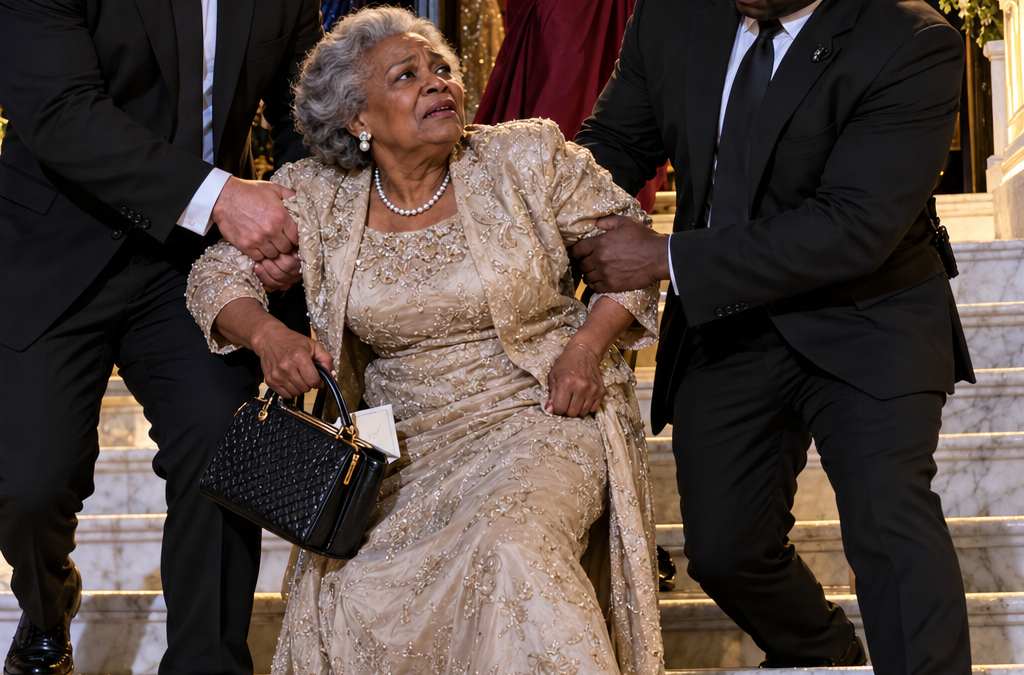
I didn’t buy jewelry.
Didn’t buy cars.
Didn’t move.
I read contracts at the kitchen table after putting my son to bed.
By 2002, Hayes Holdings controlled thirty-one commercial properties across three states.
Office buildings.
Retail plazas.
A waterfront development that became worth more after a rezoning than I had ever expected.
I signed every major deal.
Read every page.
Asked every question.
I never hired a publicist.
Never sat for magazine profiles.
Never put my name on buildings.
People sometimes asked why.
The answer was simple.
I had watched what money did to people who needed everybody else to know they possessed it.
Money could buy freedom.
It could also become a costume.
I preferred freedom.
My son knew.
Elliot grew up in rooms where I was negotiating deals while wearing jeans and carrying a grocery bag.
He knew why businessmen occasionally walked past me in lobbies while looking for “Mrs. Hayes.”
He knew that sometimes I let them.
It taught me things.
People reveal themselves quickly when they believe you have no power over them.
Elliot changed his last name when he went to college.
He became Elliot Caldwell.
He told me it was practical.
Easier professionally.
Less connection to old family assumptions.
I understood more than he said.
I didn’t argue.
A mother can know when her child is embarrassed even when he calls it practicality.
That did not mean I stopped loving him.
It meant I learned not to ask questions whose answers I wasn’t ready to hear.
He married Victoria Price eleven years before my seventy-fifth birthday.
She came from Connecticut.
Her family had once been wealthy enough that the habits remained after most of the money disappeared.
She knew which forks belonged beside which plates.
Which surnames opened certain doors.
How to pronounce French wines.
How to make a sentence sound like concern while using it as a knife.
Victoria believed she had married a successful executive from a comfortable family.
She knew Elliot had money.
She did not know where it came from.
She had no idea his employer was controlled through several layers of subsidiaries by Hayes Holdings.
She had no idea the house she lived in belonged ultimately to one of my companies.
She had no idea the Whitmore Estate, where her book club sometimes held charity lunches, belonged to me too.
That was partly my fault.
I wanted Elliot to have a life where my success wasn’t the first thing everybody saw.
I didn’t expect him to use my silence as permission to let his wife diminish me.
Victoria disliked me from almost the beginning.
At first, she was polite.
Careful.
Then marriage made her comfortable.
She removed my photographs from the upstairs hallway.
“Updating the décor,” she said.
She scheduled Sunday dinners during my church commitments.
She corrected my grammar in front of people even when nothing needed correcting.
If I brought food, she called it heavy.
If I wore an older dress, she called it vintage with a smile that made clear she meant outdated.
When the twins were born, I thought things might change.
Harper and Norah.
Two beautiful girls.
I would have crawled over broken glass for either of them.
Victoria understood that immediately.
And because she understood it, she knew exactly where to press.
Visits became limited.
“She needs routine.”
Then:
“They’re overstimulated.”
Then:
“Maybe next weekend.”
Then weeks.
Then months.
One Easter, the girls were told Grandma Opal couldn’t attend because I was having “one of my episodes.”
I was not having an episode.
I was kneeling in my backyard planting tomatoes.
My phone remained beside me the entire afternoon.
Nobody called.
I found out about the egg hunt later from photographs.
The twins wore matching yellow dresses.
I stared at those pictures longer than I should have.
Dorothy came over around dusk carrying coffee.
She took one look at my face and sat down without asking.
“Want to talk?”
“No.”
“Want company?”
“Yes.”
She stayed.
Christmas 2019 was worse.
Victoria handed me a silver-wrapped box.
The twins were watching.
Elliot was watching.
I opened it.
A mop.
Bucket.
Bleach.
Victoria laughed.
“I thought you’d appreciate something practical.”
The girls laughed because their mother laughed.
Elliot stared at his plate.
I looked at him.
He didn’t look at me.
“Thank you,” I said.
I put the gift in my car.
Then drove home.
It was the first time I cried before reaching Birch Lane.
Thanksgiving had its own memory.
I had made sweet potato pie from my mother’s recipe.
The recipe card was dated 1958.
Her handwriting.
Butter stain in one corner.
I put the pie on the counter.
Victoria looked at it.
“We’re not doing that this year.”
She scraped my pie into the trash.
Right in front of me.
Then placed a store-bought tart on the table.
No one stopped her.
That was the pattern.
Victoria acted.
Elliot remained silent.
For years, I told myself his silence meant he was trying to keep peace.
A mother’s talent for lying to herself on behalf of her child is almost limitless.
I knew better.
Silence was not peace.
It was permission.
But I kept accepting it because I wanted access to my son.
My granddaughters.
Family.
I hoped love would eventually embarrass them into kindness.
It didn’t.
Then I turned seventy-five.
Three-quarters of a century.
I stood in the bathroom one Tuesday morning, looked at myself, and said the number aloud.
“Seventy-five.”
Lines around my mouth.
Silver hair.
Hands marked by time.
I thought about all the doors I had entered despite being told I didn’t belong.
Banks.
Boardrooms.
Closing offices.
Real estate meetings where men assumed I was somebody’s assistant.
And I realized I had never thrown a real birthday party for myself.
Not once.
So I decided I would.
Whitmore Estate had a ballroom I loved.
I bought the building in 2015 through one of our holding companies.
The room had tall windows.
Old chandeliers.
Warm wood.
I booked it under my own name.
Not the corporation.
Opal Hayes.
I chose everything myself.
Sunflowers.
White roses.
Roast chicken.
Collard greens.
Cornbread.
Sweet potato pie.
Peach cobbler made from my mother’s recipe.
I invited church friends.
Dorothy.
My quilting circle.
Pastor Green.
Former tenants who became friends.
People who knew me before anybody knew Hayes Holdings existed.
Two hundred invitations.
One went to Elliot and Victoria.
For once, I wanted my family in a room built around my life.
I had no idea Victoria would take that invitation and use it as a blueprint for erasing me.
She opened it at her kitchen island.
Elliot later told me what happened.
She read it twice.
Then said:
“Absolutely not.”
Elliot asked why.
“My friends go to Whitmore.”
“So?”
“Your mother cannot host something there.”
“She already booked it.”
Victoria stared at him.
“Do you know how that looks?”
Elliot apparently started to respond.
She cut him off.
“I’ll handle it.”
And he let her.
Three days.
That was all she needed.
She called the estate manager, Stacy Porter.
Introduced herself as party coordinator.
Said I was elderly.
Confused.
Early dementia.
Family stepping in.
Then claimed to hold power of attorney.
She didn’t.
Stacy should have checked.
She didn’t.
Victoria canceled my caterer.
A Black-owned restaurant on Magnolia Avenue I had used for thirty years.
Canceled the DJ from church.
Canceled my flowers.
Removed every person I invited.
Dorothy.
Pastor Green.
Quilting circle.
Friends.
Neighbors.
Then she replaced them with her own guest list.
Book club.
Pilates friends.
Country club couples.
A councilwoman she wanted to impress.
A local television anchor.
Two hundred twelve people.
Not one chosen by me.
The menu changed.
My roast chicken became seared salmon.
Collard greens became arugula.
Cornbread became rosemary focaccia.
Peach cobbler became crème brûlée.
She took every detail I had chosen and replaced it with a version of herself.
By Saturday evening, my birthday party no longer contained anything connected to me.
Except the building.
That still belonged to me.
At home, I got ready carefully.
Lavender dress.
Bought three weeks earlier.
Best thing I owned.
I pinned my mother’s pearl brooch near the collar.
Curled my hair.
Then looked in the hallway mirror.
For the first time in years, I felt pretty.
Not young.
Pretty.
There’s a difference.
Before leaving, I slipped a cream envelope into my purse.
Inside was a copy of the Hayes Holdings trust deed.
I had been carrying it for three days.
Something in me said I might need proof of who I was.
I didn’t know why.
Dorothy drove.
We arrived at 7:47.
Through the tall windows, I could see people moving beneath the chandeliers.
“Sounds lively,” Dorothy said.
“It should.”
I smiled.
“It’s my birthday.”
Then I walked toward the entrance.
Two security guards stood outside.
Neither worked regularly at Whitmore.
That was Victoria’s doing too.
The usual staff knew me.
These men did not.
One raised a hand.
“Name?”
“Opal Hayes.”
He checked the list.
Then again.
“I’m sorry, ma’am.”
“What?”
“You’re not listed.”
I smiled because I thought it had to be a mistake.
“This is my event.”
He checked again.
“No Opal Hayes.”
“I booked the ballroom.”
The second guard looked at the first.
Nothing.
“Who gave you this list?”
Before he answered, the doors opened.
Victoria stepped outside.
Silver gown.
Champagne flute.
Perfect hair.
Her face changed when she saw me.
Not surprise.
Satisfaction.
“Oh.”
She sighed.
“You actually came.”
I stared at her.
“Why wouldn’t I?”
Victoria descended one step.
“Opal.”
“Why am I not on the guest list?”
Guests began gathering behind her.
People love humiliation when they believe it belongs to somebody else.
“This isn’t your party anymore.”
For a second, I didn’t understand.
“I booked this room.”
Victoria laughed.
“You?”
“Yes.”
“With what?”
I looked at her.
She turned toward the people in the doorway.
“My mother-in-law gets confused.”
My stomach dropped.
“It’s sad.”
She lowered her voice theatrically.
“Early signs.”
I realized what she was doing.
Not merely excluding me.
Discrediting me.
In advance.
“Victoria.”
“What?”
“Let me inside.”
“Inside?”
She looked behind her.
“Does this look like something you organized?”
Laughter.
Not much.
Enough.
“The orchids alone cost more than your house.”
I almost smiled at that.
Technically, they didn’t.
Not even close.
But she didn’t know.
“The champagne is probably older than half your wardrobe.”
Someone laughed louder.
A man raised his phone.
I saw the red recording dot.
“Victoria.”
She descended another step.
“You know your problem?”
I stayed still.
“You never know your place.”
There it was.
The phrase people have used for generations when they want submission to sound like social order.
“You show up in places you don’t belong.”
Her voice sharpened.
“Old dresses.”
“Cheap shoes.”
“Smelling like a church kitchen.”
I heard someone whisper:
“This is awful.”
Nobody stepped forward.
Victoria leaned closer.
“Eleven years.”
Her champagne breath touched my face.
“Eleven years I’ve had to explain you.”
“Explain me?”
“Yes.”
“To people who ask why my mother-in-law looks like the help.”
My chest tightened.
“Your food.”
“Your Bible verses.”
“Your shoes on my hardwood.”
She forgot, of course, that the hardwood was technically mine.
“You embarrass me.”
She looked directly into my eyes.
“You have always embarrassed me.”
The words should not have surprised me.
They did.
Some part of me had still been protecting the possibility that I had misunderstood her.
That part died.
“This is my birthday.”
Victoria’s smile was almost tender.
“No.”
She shook her head.
“Tonight is mine.”
I heard a few uncomfortable movements behind her.
“You don’t get to walk in here and pretend you matter because you don’t.”
Then she snapped her fingers.
“Security.”
The guards approached.
“Remove her.”
I looked at Victoria.
“Don’t do this.”
“Lock the doors after she’s gone.”
The first guard touched my arm.
I pulled away.
“Don’t touch me.”
“Ma’am—”
“This is my property.”
The second guard grabbed my other arm.
They moved me down the steps.
I could have shouted.
Could have told them who I was.
I didn’t.
Maybe pride.
Maybe shock.
Maybe I wanted to see exactly how far everyone would let it go.
The answer was all the way.
My heel caught the final step.
I fell.
Knee first.
Pain shot through my leg.
My purse opened.
The cream envelope slid across the pavement.
My pearl brooch came loose.
Dropped beside me.
Two hundred people had witnessed enough to understand.
Nobody came.
Victoria stood above me.
Smiling.
“Somebody get that envelope before it blows into the flowers.”
The doors closed.
Then locked.
Click.
Tiny sound.
I will remember it until I die.
I picked up my mother’s brooch first.
Then the envelope.
Brushed dirt from both.
Dorothy was already opening her car door.
I raised one hand.
“Stay.”
“Opal—”
“Just a minute.”
I stood carefully.
My knee throbbed.
My hands did not shake.
I pulled out my phone.
Called Gregory Bennett.
He had been my attorney since 1984.
He answered on the second ring.
“Opal?”
“Gregory.”
Something in my voice must have told him enough.
“What happened?”
“I need you at Whitmore.”
“When?”
“Now.”
“What do I bring?”
I looked at the locked doors.
“All of it.”
Silence.
Then:
“You sure?”
“Yes.”
For six weeks, Gregory’s investigators had been documenting Victoria’s theft.
Twenty-three unauthorized transfers.
Four years.
Two-point-three million dollars removed from Hayes family accounts into accounts controlled by Victoria.
I had refused to act immediately.
I didn’t want to believe it.
Gregory told me the records were conclusive.
I told him to keep investigating.
Quietly.
Part of me hoped there was some explanation.
Family expenses.
Mistake.
Elliot’s authorization.
Something.
There wasn’t.
Even then, I had planned to deal with it privately.
No public embarrassment.
No police at dinner.
No headlines.
Lawyers.
Restitution.
Maybe divorce if Elliot finally chose himself.
I had spent my entire life protecting family from consequences.
That night, sitting outside my own birthday party after being physically removed from my own building, I decided I was finished.
Gregory arrived fourteen minutes later.
Black Lincoln.
Old enough that Victoria probably would have mocked it.
He stepped out carrying his leather briefcase.
Tall.
Seventy-one.
Still moved like a courtroom belonged to him once he entered it.
He stopped at the bottom step.
Looked at my dress.
My knee.
The locked doors.
Then the banner above them.
AN EVENING OF ELEGANCE HOSTED BY VICTORIA CALDWELL.
He read it.
Then looked at me.
“How do you want this handled?”
“The right way.”
“The right way takes longer.”
“I’ve waited eleven years.”
That almost made him smile.
Almost.
“I’ll need the judge.”
“For?”
“Emergency asset freeze.”
He opened the briefcase.
“And Detective Solace.”
I looked at him.
“You already spoke to financial crimes?”
“Six weeks ago.”
“Gregory.”
“You hired me to protect your interests.”
“I told you not to move.”
“I didn’t.”
He looked at the doors.
“Until you said move.”
I nodded.
“Move.”
He stepped away.
Dorothy came to sit beside me.
Wrapped her shawl around both our shoulders.
“You could just tell them.”
“I will.”
“You could’ve told them years ago.”
I looked at her.
“I know.”
“Why didn’t you?”
That question had more than one answer.
Because I didn’t want money changing my grandchildren’s love.
Because I wanted Elliot to build an identity beyond mine.
Because invisibility had protected me.
Because I believed family should love me whether I owned five dollars or five billion.
Mostly because I kept hoping Victoria would reveal enough of herself that Elliot would finally choose to stop her.
“He should have defended me without knowing what I owned.”
Dorothy nodded.
“Yes.”
That was it.
I didn’t want my worth rescued by a balance sheet.
If the only reason my son defended me was because I owned his house, then I had lost something larger than a party.
Inside, Elliot had received my message.
They locked me out.
Four words.
He knew what they meant.
Because he knew everything.
The building.
The company.
The family trust.
The investigation.
Victoria.
All of it.
Gregory called him.
I learned about that conversation later.
He told Elliot the audit was being delivered to law enforcement.
Explained the fraudulent power-of-attorney claim.
Then said:
“Your mother is finished protecting you from your own silence.”
That sentence stayed with Elliot.
He told me afterward that he stood beside the ballroom bar and realized he could no longer describe himself as neutral.
There is no neutral when someone you love is being humiliated.
There is only speaking.
Or allowing.
At the time, I knew none of this.
I sat outside.
Gregory made calls.
Fourteen more minutes passed.
An unmarked sedan arrived.
Detective Solace.
Uniformed officer.
Then my accountant, Howard Tilman, arrived carrying a box of financial records.
Gregory approached.
“We’re ready.”
I stood.
My knee hurt.
Dorothy fixed my brooch.
“You okay?”
“No.”
“Good.”
I looked at her.
“Good?”
“Means you’re not a machine.”
She patted my shoulder.
“Go get your party.”
I walked up those four marble steps again.
The guards saw Detective Solace’s badge.
Neither touched me.
I reached the doors.
My doors.
Put my hand on the brass handle.
Pushed.
The music died one instrument at a time.
A violinist saw me.
Lowered her bow.
Then cello.
Then viola.
Conversations followed.
Two hundred heads turned.
Victoria stood near the middle of the ballroom holding champagne.
Her expression changed.
“What is this?”
She saw the detective.
Gregory.
Howard.
Then me.
“I told security not to let her in.”
Nobody answered.
She came toward us.
“This woman is trespassing.”
Detective Solace stepped forward.
“Are you Victoria Caldwell?”
“Yes.”
“I want her removed.”
“I’m not here for Mrs. Hayes.”
Victoria frowned.
Gregory opened his briefcase.
Two clicks.
That sound became louder in the room than the music had been.
He removed the trust deed.
“Ladies and gentlemen.”
His voice traveled.
“My name is Gregory Bennett.”
People moved closer.
“I serve as chief legal counsel for Hayes Holdings Corporation.”
Victoria folded her arms.
“Why should anybody care?”
Gregory continued.
“I am here on behalf of the corporation’s founder, sole controlling owner, and beneficiary.”
He turned.
“Mrs. Opal Hayes.”
Silence.
Victoria laughed.
Too quickly.
“That’s ridiculous.”
Nobody joined her.
“She lives on Birch Lane.”
“I do.”
I stepped forward.
“I like Birch Lane.”
Gregory continued.
“Hayes Holdings owns the Whitmore Estate.”
A woman dropped her fork.
“It also controls fourteen additional commercial properties across three states, the Caldwell residence on Brierwood Drive, and the parent structure containing Ridgepoint Capital.”
Elliot’s employer.
Victoria’s face drained.
“No.”
Gregory held up the deed.
“This original trust establishes Mrs. Hayes as sole controlling proprietor of all listed entities and their subsidiaries.”
Victoria looked at me.
“You’re…”
She stopped.
“Just a what?”
I asked.
Her mouth closed.
“Go ahead.”
I stepped closer.
“You have used the word plenty of times.”
Phones were raised everywhere.
“Say it now.”
She didn’t.
“Say what you called me at Thanksgiving.”
Silence.
“Christmas.”
Nothing.
“Tonight.”
Her lips trembled.
I looked around the ballroom.
“She told you I was confused.”
Some guests lowered their eyes.
“She told security I didn’t belong.”
I looked back at Victoria.
“Now tell everyone why.”
Elliot stepped forward.
My son.
He stood beside me.
For eleven years, I had waited for that simple movement.
Not in front.
Not behind.
Beside.
“She’s telling the truth.”
His voice cracked.
“Mom built it.”
He looked around.
“All of it.”
Victoria stared.
“Elliot.”
He didn’t answer her.
“Everything we have came from her.”
The room shifted.
Not because I was suddenly more human.
Because money had entered the story.
I hated that part.
The same guests who watched me fall now looked horrified.
Ownership had changed their moral clarity.
But I wasn’t there for them.
I looked at Victoria.
“This is my building.”
Then the banner.
“My party.”
Then her.
“And you are no longer invited.”
Applause erupted.
I didn’t want it.
But it came.
Victoria raised both hands.
“Wait.”
Her confidence disappeared.
“This is a misunderstanding.”
She looked at Elliot.
“Tell them.”
Elliot shook his head.
“I’ve been saying nothing for eleven years.”
Victoria stepped toward him.
“Elliot.”
He finally looked at her.
“I’m done.”
Gregory removed another folder.
“Mrs. Caldwell.”
Victoria turned.
“Over four years, twenty-three wire transfers totaling two-point-three million dollars were made from the Hayes Family Trust into accounts under your control.”
The ballroom went silent again.
Victoria stared at the papers.
“That was family money.”
“No.”
Gregory set down statements.
“Personal account.”
Another.
“Brokerage.”
Another.
“Offshore account.”
Howard placed the banker’s box beside them.
Victoria looked around.
“I had access.”
“Access is not authorization.”
Gregory held up the event contract.
“You also represented yourself as holding power of attorney for Mrs. Hayes.”
“I was managing her affairs.”
“No.”
I spoke.
“You were managing your ambitions.”
Detective Solace stepped forward.
“Victoria Caldwell, you’re under arrest for embezzlement, fraud, and forgery.”
The cuffs clicked.
Same metallic sound as the door locking behind me.
Only now it was behind her.
Victoria looked at me.
“Opal.”
Her voice had lost everything sharp.
“Please.”
I thought about my sweet potato pie.
The mop.
The twins being told I was sick.
Christmas alone.
The marble step beneath my knee.
“You meant every word.”
She shook her head.
“No.”
“You did.”
“I was angry.”
“You were comfortable.”
That stopped her.
“Comfort shows people who they are.”
The officer guided her toward the doors.
The crowd opened.
Her heels scraped across the marble.
She passed beneath the banner she had ordered with her own name printed across it.
Then disappeared outside.
One of the guards approached me.
The same man who had held my arm.
He removed his earpiece.
“Mrs. Hayes.”
I waited.
“I’m sorry.”
I looked at him.
He looked ashamed.
“I didn’t know.”
“No.”
I nodded.
“Now you do.”
He stepped back.
Then somebody applauded.
Another.
Soon the room was full of noise.
I raised my hand.
Eventually it stopped.
“This was supposed to be my seventy-fifth birthday.”
A few nervous laughs.
I looked around.
“Most of you were invited here by somebody else.”
More awkward shifting.
“I won’t ask anyone to leave.”
Victoria would have.
That was the difference.
“But the caterer isn’t mine.”
I looked toward the kitchen.
“And I’m seventy-five.”
Somebody laughed.
“I refuse to celebrate with salmon.”
That finally broke the room.
Even I smiled.
Dorothy shouted from the doorway:
“Tell them about the peach cobbler.”
“Exactly.”
The original party couldn’t be rebuilt that night.
My people weren’t there.
My mother’s recipes weren’t there.
The flowers weren’t there.
So I didn’t pretend.
I stayed thirty minutes.
Long enough to answer police questions.
Long enough to hug Elliot once.
Then I went home with Dorothy.
She made coffee.
We sat at my kitchen table.
At midnight, my phone began vibrating continuously.
The video had been posted.
By morning, millions of people had watched.
I didn’t.
I had already lived it.
News vans came to Birch Lane.
Dorothy answered the door.
“Mrs. Hayes is having coffee.”
Then shut it.
My attorneys handled everything.
The forensic case against Victoria grew quickly.
The twenty-three transfers.
Forged authorizations.
Her offshore account.
Luxury purchases.
A forty-thousand-dollar handbag.
Porsche lease.
Vacations.
Cosmetic treatments.
None approved.
One detail hurt more than the rest.
Victoria had forged my signature using a digital copy taken from a birthday card I sent Harper and Norah.
She took something I signed with love for my granddaughters and used it to steal from me.
Her attorney tried to say Elliot gave implied permission.
He testified otherwise.
They tried to question my mental competence.
I had two doctors confirm I was cognitively healthy.
Apparently being seventy-five made fraud easier to explain if the victim could be portrayed as confused.
That angered me more than insults about my clothes ever had.
Age had become their defense.
As if wrinkles meant uncertainty.
As if surviving seven decades made my memory less valuable.
At trial, I sat beside Gregory.
Victoria barely looked at me.
The jury deliberated three hours and twenty minutes.
Guilty.
All counts.
She received eight years.
Full restitution.
Restraining order.
Elliot filed for divorce the following Monday.
That part did not make me happy.
Neither did Victoria’s sentence.
Consequences and joy are not the same thing.
People expected triumph.
I mostly felt tired.
My relationship with Elliot was harder.
He came to Birch Lane alone one Sunday.
I let him in.
Made coffee.
We sat at the table.
For several minutes, neither spoke.
Finally:
“I’m sorry.”
I looked at him.
“For which part?”
His eyes filled.
“Mom.”
“No.”
I needed him to answer.
“The mop?”
His face tightened.
“The holidays?”
“Yes.”
“The twins?”
“Yes.”
“The party?”
“Yes.”
“Watching her throw my food away?”
“Yes.”
I leaned back.
“Which part?”
“All of it.”
I believed him.
That didn’t repair it.
“You knew.”
“Yes.”
“You knew every time.”
“Yes.”
“Why?”
He stared at his coffee.
“I kept telling myself I was preventing bigger fights.”
“And who paid for that peace?”
He closed his eyes.
“You.”
“Yes.”
Silence.
“I was a coward.”
I didn’t disagree.
He looked at me.
“Can you forgive me?”
I thought about the word.
Forgiveness is often demanded from injured people before repair has even begun.
“I love you.”
His mouth trembled.
“That isn’t what I asked.”
“No.”
I held his eyes.
“And forgiveness isn’t what you’ve earned yet.”
He nodded.
That was the beginning of something more honest than peace.
He began bringing Harper and Norah every Sunday.
At first, they were awkward.
They had spent years being taught I was unstable.
Children absorb adult lies even when they don’t understand them.
One Sunday, Harper asked:
“Grandma, were you really sick?”
I put down the bowl I was carrying.
“No, baby.”
“Mom said you had episodes.”
“I know.”
Norah frowned.
“What kind?”
I sat with them.
“The kind your mother invented.”
Elliot looked uncomfortable.
I didn’t care.
I wasn’t cruel.
I was finished lying.
“I wanted to see you.”
Both girls looked down.
“I always wanted to see you.”
Harper whispered:
“We thought you didn’t come because you didn’t like us.”
My heart cracked.
I pulled both girls close.
“Never.”
I kissed their hair.
“Never believe that.”
Six months later, I turned seventy-six.
I threw another party.
Same ballroom.
This time, every decision was mine.
One hundred twelve guests.
Dorothy first on the list.
Pastor Green second.
Quilting circle.
Neighbors.
Old business associates who knew me before the headlines.
The soul food caterer from Magnolia Avenue.
Roast chicken.
Collard greens.
Cornbread.
Sweet potato pie.
Peach cobbler from Mama’s card.
No orchids.
Sunflowers.
No quartet.
Gospel choir.
No champagne tower.
Sweet tea in mason jars.
Above the door:
HAPPY BIRTHDAY, OPAL.
Nothing else.
Not Hayes Holdings.
Not billionaire.
Not founder.
Opal.
That was enough.
When Elliot arrived, the twins ran ahead of him.
They reached me on the same marble steps where security had dragged me down.
I knelt despite my knee protesting.
They threw their arms around me.
“Grandma!”
I held them.
I smelled shampoo.
Sunshine.
Childhood.
“I missed you.”
Harper said:
“We missed you too.”
“I missed you every day.”
Elliot stood a few feet away.
Crying.
I held out one arm.
“Come here.”
He did.
For the first time in eleven years, my son, my granddaughters, and I stood together without Victoria deciding who belonged.
Inside, Dorothy gave a toast.
She raised sweet tea.
“I’ve lived beside Opal Hayes nineteen years.”
People laughed because everyone knew what was coming.
“I’ve seen her pay rent for people who never knew who paid it.”
I looked at her sharply.
She ignored me.
“I’ve seen her bring food to grieving families and pretend she made extra by accident.”
More laughter.
“I’ve seen her read the Wall Street Journal at five in the morning while wearing slippers, and somehow it never occurred to me to ask why.”
The room laughed loudly.
She looked at me.
“But what I know about Opal isn’t what she owns.”
Her voice softened.
“It’s what she survived without letting it make her cruel.”
My eyes burned.
“She had every reason to become hard.”
Dorothy lifted her glass.
“She chose kind instead.”
I wiped my face.
She mouthed:
You owe me pie.
I mouthed back:
Two slices.
After that birthday, I created the Hayes Foundation.
Not because of the viral video.
Because of what I learned after it.
Calls came from older women.
Black women especially.
Mothers.
Grandmothers.
Women whose adult children had taken control of accounts.
Women removed from houses they had paid for.
Women denied access to grandchildren.
Women persuaded to sign papers they didn’t understand.
Women treated as though aging meant surrendering authority over their own lives.
The first office opened on Magnolia Avenue.
Three doors from the restaurant that catered my party.
Gregory served as counsel.
Howard handled finances.
Dorothy declared herself chief of staff without consultation.
“You are not chief of staff.”
“I have business cards.”
“Who approved business cards?”
“I did.”
I stared at her.
She sipped coffee.
“See? Leadership.”
I let her keep the title.
Within the first year, we helped more than three hundred families.
Legal aid.
Emergency housing.
Financial protection.
Workshops.
Guardianship disputes.
Bank fraud.
Grandparent access.
One woman came to us at eighty-one after discovering her grandson had transferred her house into an LLC she didn’t control.
Another had been living in a motel because her daughter changed the locks after gaining temporary access to her accounts.
We helped.
Not everybody won.
Real life doesn’t wrap every story neatly.
But nobody who came through our door was told she was too old to know what happened to her.
That became my rule.
Believe enough to investigate.
One reporter eventually caught me outside the foundation.
I had avoided interviews for months.
He asked:
“Mrs. Hayes, what do you want people to learn from what happened?”
I was wearing the lavender dress.
Same pearl brooch.
My knee still ached from that fall.
I thought about the doors.
The locked sound.
The deed in my purse.
Then I said:
“Age doesn’t weaken you.”
He waited.
“It sharpens you.”
I looked toward the foundation entrance.
“And if someone locks you out of a room you built, you don’t always need to break the door down.”
The reporter smiled.
“What do you do?”
“Bring the deed.”
That line followed me everywhere afterward.
People printed it.
Shared it.
Put it on signs.
But privately, I thought the deeper truth was something less satisfying.
I should not have needed the deed.
I should not have needed money.
I should not have needed Gregory.
Or detectives.
Or ownership papers.
When Victoria humiliated me, somebody in that doorway should have said:
Stop.
When security grabbed me, somebody should have said:
Don’t touch her.
My son should have done both.
That was the wound underneath everything.
Not being underestimated.
Being undefended.
Money could expose Victoria.
It could restore a room.
It could fund lawyers.
It could build foundations.
It could not give me back those eleven years.
It could not erase Harper believing Grandma didn’t want her.
It could not unthrow my mother’s pie from the trash.
It could not make Elliot speak sooner.
That work had to happen another way.
Slowly.
Sunday by Sunday.
Coffee by coffee.
Conversation by conversation.
Elliot started coming to Birch Lane alone sometimes.
He learned to apologize without expecting reassurance.
That mattered.
One afternoon, while helping me trim tomato vines, he said:
“I used to think silence meant I wasn’t choosing sides.”
I kept working.
“And?”
“I understand now.”
I clipped a stem.
“Understand what?”
“That silence chooses whoever is doing the harm.”
I looked at him.
He didn’t look away.
Good.
“That took you a long time.”
“I know.”
“Longer than I deserved.”
“Yes.”
He nodded.
No defense.
No excuse.
That was progress.
Harper and Norah eventually learned the truth about Hayes Holdings.
Not from television.
From me.
I took them to Cedar Street.
The first duplex.
It had been renovated many times, but the shape remained.
I stood on the sidewalk with them.
“This?”
Norah asked.
“This started everything?”
“Yes.”
“It looks small.”
“It was.”
Harper frowned.
“How did this become all those buildings?”
“One rent check at a time.”
They laughed.
I told them about the leaking roof.
The chickens.
The calculator.
The banker who laughed.
They listened.
Then Harper asked:
“Why didn’t you tell everybody you were rich?”
I looked at her.
“Because I wanted to know who respected me when they thought I wasn’t.”
She thought about that.
“Did it work?”
The question was sharper than she knew.
“Yes.”
I looked at the duplex.
“And sometimes I learned things I didn’t want to know.”
She took my hand.
“I’m sorry about Mom.”
“You don’t carry her mistakes.”
“But she was mean to you.”
“Yes.”
“So why don’t you hate her?”
I thought about that.
“Hate gives people a room inside you.”
She waited.
“And after everything, I’m very particular about who gets a room.”
She smiled.
That sounded like me.
At seventy-seven, I still lived on Birch Lane.
People thought that was strange.
Reporters loved asking when I planned to buy something bigger.
I already owned bigger.
That’s different from wanting it.
I liked my porch.
My tomatoes.
Dorothy appearing without knocking.
The grocery store cashier who knew nothing about Hayes Holdings and still saved the bruised peaches for me because she knew I used them in cobbler.
I liked being Opal.
The woman from Birch Lane.
Not the woman who owned the skyline.
One summer morning, I sat on the porch with Dorothy.
Coffee.
Wall Street Journal folded between us.
She pointed toward downtown.
“You ever regret staying invisible?”
I considered it.
“Sometimes.”
“Because of Victoria?”
“Partly.”
“Then why keep living like this?”
I looked around.
My garden.
Rocking chairs.
House.
“Privacy isn’t invisibility.”
She nodded.
“Difference?”
“Privacy is something I choose.”
I folded the newspaper.
“Invisibility is something other people impose.”
Dorothy smiled.
“That sounds like something they’ll put on a wall.”
“Don’t you dare.”
“No promises.”
We sat quietly.
Around six, Elliot’s car pulled up.
The twins jumped out.
They had sweet potato pie ingredients because I was teaching them Mama’s recipe.
Harper carried cinnamon.
Norah had two bags of sweet potatoes.
Elliot carried everything else.
They walked up my porch.
Nobody asked whether they were allowed in.
No guest list.
No guards.
No locked doors.
Just family learning how to become family again.
That mattered more than the trial.
More than headlines.
More than watching Victoria leave in handcuffs.
Consequences ended one chapter.
Repair built the next.
Inside, I pulled Mama’s stained recipe card from a drawer.
Harper stared.
“That thing is ancient.”
“So will you be someday if you’re lucky.”
She laughed.
Norah asked:
“Can I mash the potatoes?”
“You can peel.”
“That’s the boring part.”
“The boring part is how you earn the good part.”
Elliot smiled from the sink.
“That sounds familiar.”
I looked at him.
“It should.”
He had heard versions of that his entire childhood.
For the next hour, my kitchen filled with noise.
Granddaughters arguing.
Elliot looking for a measuring cup that had been in the same cabinet thirty years.
Dorothy walking in uninvited and taking a spoonful of filling.
Ordinary.
Messy.
Mine.
At one point, Harper dropped flour on the floor.
She looked horrified.
“I’ll clean it.”
I handed her a mop.
Then froze.
So did Elliot.
The memory entered the room without invitation.
Christmas.
Silver wrapping.
Victoria laughing.
For a second, nobody knew what to do.
Then Harper took the mop.
“Is this practical?”
She asked.
I stared at her.
Then laughed.
Really laughed.
Elliot laughed too.
Norah didn’t understand but joined anyway.
Sometimes healing isn’t solemn.
Sometimes it is taking an object that once humiliated you and letting your granddaughter use it to clean flour while everybody laughs for the right reason.
The pie came out beautifully.
After dinner, I carried one slice onto the porch.
The sun was going down.
Downtown buildings were visible faintly in the distance.
Some mine.
Most not.
Didn’t matter.
I thought about thirty-one-year-old me.
Widow.
Baby asleep in the next room.
Four hundred dollars.
Calculator.
Fear.
She had no idea what she would build.
She also had no idea that decades later, the hardest door she would ever open would not be a bank or boardroom.
It would be a ballroom door locked against her by family.
I wished I could tell that younger woman something.
Not that she would become wealthy.
She didn’t need that promise.
I would tell her:
Never let love become an excuse for accepting disrespect.
Never confuse patience with permission.
Never make yourself smaller because somebody you love is more comfortable that way.
And when your own child stays silent while someone wounds you, love him if you choose.
But tell the truth about what his silence cost.
I learned those things late.
Late is still learning.
Harper came outside.
“Grandma?”
“Yes?”
“Dad says you own the office building near my school.”
“Possibly.”
She rolled her eyes.
“How do you not know?”
“I own many things.”
“That’s insane.”
“Language.”
She sat beside me.
“You know what I like best?”
“What?”
“This house.”
I looked at her.
“Why?”
“It feels like you.”
My throat tightened.
I put my arm around her.
For eleven years, Victoria had treated Birch Lane as proof I was small.
My granddaughter understood it in one sentence.
It was proof I knew what enough looked like.
Night settled.
Lights came on inside.
I could hear Norah arguing with Elliot over who got the last slice of pie.
Harper rested her head against my shoulder.
No chandeliers.
No cameras.
No applause.
No deed in my purse.
I didn’t need any of it.
The locked ballroom had taught the world what I owned.
This porch reminded me who I was.
And that mattered more.








