𝗙𝗨𝗟𝗟 𝗦𝗧𝗢𝗥𝗬 The HOA President Gave Me 30 Days to Tear Down My Grandfather’s 1923 Barn, Convinced Her Rules Reached Farther Than My Family’s Deed
𝗙𝗨𝗟𝗟 𝗦𝗧𝗢𝗥𝗬
The house.
The barns.
The cattle equipment.
The mineral rights.
The old Ford tractor that required prayer and profanity in equal measure to start.
And one hundred acres of land I’d spent most of my adult life assuming would always belong to Clifford.
I remember sitting alone in his kitchen that night.
His coffee cup was still on the drying rack.
His jacket hung behind the back door.
On the refrigerator was a grocery list in his handwriting.
Eggs.
Coffee.
Salt blocks.
It felt obscene that ordinary things had survived him.
I took the deed out of the envelope his attorney had given me.
Everett Cole.
My name.
Owner.
I should have felt fortunate.
Instead, I felt terrified.
I wasn’t a rancher.
I was a paralegal at a midsize firm forty-five miles away.
My work involved real estate litigation, contract disputes, probate files, property records, lien searches, document production, and occasionally enough spreadsheets to make a reasonable person reconsider every choice that had brought him into the legal profession.
I knew how to organize evidence.
I did not know how to repair a hydraulic line on a seventy-year-old tractor.
I knew how to retrieve a deed from the county recorder.
I did not know how much hay cattle ate through winter.
For two weeks, everyone assumed I would sell.
A local developer called.
Then another.
Then a man from an investment group in Denver.
I didn’t return their calls.
The decision came to me one morning at sunrise.
I was standing beside the old barn, drinking coffee from Clifford’s dented thermos.
The pasture was silver with dew.
A meadowlark was singing from a fence post.
For the first time since the funeral, everything inside me stopped moving.
I knew.
I wasn’t selling.
I called my firm.
My supervising attorney, Margaret Shaw, answered.
“You’re supposed to be on bereavement leave.”
“I need to ask you something.”
“If the question is whether you can have another week, the answer is yes.”
“Can I work remotely?”
Silence.
“How remotely?”
“Forty-five miles.”
“Everett.”
“I can come in for hearings and closings.”
“Everett.”
“I’ll keep normal hours.”
“Are you moving to the ranch?”
“Yes.”
Another pause.
Then Margaret sighed.
“I wondered how long it would take you to admit that.”
That was how I ended up living in Clifford’s house.
For the first two months, life was quieter than anything I’d known.
I worked from the old dining room.
My laptop sat where Clifford used to spread seed catalogs.
At lunch, I checked fences.
After work, I repaired what I could.
I hired help for what I couldn’t.
I spent evenings learning about pasture rotation, old well pumps, barn preservation, and cattle care.
I was terrible at most of it.
Then slightly less terrible.
The neighbors nearest the ranch were decent people.
Most lived in a subdivision called Hawthorne Ridge that had been built along the eastern side of our property decades earlier.
The development occupied land that had once been part of a much larger agricultural tract before Clifford bought his acreage.
Over time, houses replaced pasture.
Curving streets replaced access roads.
Streetlights appeared where cattle had once grazed.
The ranch remained.
An island of old land beside new development.
Hawthorne Ridge had a homeowners association.
I knew that.
I had never cared.
Neither had Clifford.
As far as I understood it, the subdivision ended where our fence began.
For decades, that had been enough.
Then the letters started.
The first arrived in June.
Heavy paper.
Professional letterhead.
HAWTHORNE RIDGE HOMEOWNERS ASSOCIATION.
FORMAL NOTICE OF VIOLATIONS.
I almost threw it away because I assumed it had been delivered to the wrong address.
Then I saw my name.
Everett Cole.
The letter listed eleven violations.
Eleven.
I remember sitting at Clifford’s kitchen table and reading them one by one.
Noncompliant accessory structure.
Livestock maintained within prohibited proximity to residential lots.
Unapproved exterior illumination.
Agricultural fencing inconsistent with community design requirements.
Improper equipment storage.
Unapproved flag display.
That last one made me stop.
I looked through the kitchen window toward the porch.
An American flag hung beside the front steps.
Clifford had installed the pole in 1987.
The flag itself had been replaced many times, but there had been one flying there for as long as I could remember.
I continued reading.
The letter demanded corrective action within fourteen days.
Failure to comply would result in fines beginning at two hundred dollars per day.
The signature at the bottom read:
RENATA VALE
PRESIDENT
HAWTHORNE RIDGE HOA
I assumed there had been a mistake.
I called the number.
A woman answered after two rings.
“Hawthorne Ridge Homeowners Association, Renata speaking.”
“My name is Everett Cole.”
Her tone changed immediately.
“Yes.”
Not hello.
Not how can I help.
Yes.
“I received a violation notice.”
“I’m aware.”
“I think you have the wrong property.”
“No.”
I looked at the page.
“My ranch isn’t part of Hawthorne Ridge.”
“Your grandfather allowed that myth to persist for years.”
My grip tightened on the phone.
“Excuse me?”
“The Cole property was incorporated into the community covenant structure when Hawthorne Ridge was originally platted.”
“That’s not reflected in the deed.”
“The HOA has records.”
“Good.”
I pulled a yellow legal pad toward me.
“Send me the recorded covenant instrument showing my parcel is subject to the restrictions.”
Silence.
Then:
“Mr. Cole, I’ve been president of this association for eleven years.”
“Congratulations.”
She ignored that.
“I know exactly which properties fall within our jurisdiction.”
“I didn’t ask how long you’ve been president.”
Her voice sharpened.
“Your grandfather was difficult too.”
That sentence changed the conversation.
“You knew Clifford?”
“I dealt with him.”
“About what?”
“Compliance matters.”
“Did he pay HOA dues?”
“That isn’t relevant.”
“It seems extremely relevant.”
“You inherited the parcel with all attached restrictions.”
“Then send me those restrictions.”
“You’ll get what I decide to send you.”
I actually pulled the phone away from my ear and stared at it.
“Sorry?”
“You heard me.”
Then she hung up.
I sat in Clifford’s kitchen listening to the dial tone.
I’d dealt with rude attorneys.
Hostile witnesses.
Angry clients.
Judges having bad mornings.
But Renata had something different.
Absolute certainty without any visible curiosity about whether she might be wrong.
That combination is dangerous.
I worked around legal documents every day.
I knew what restrictive covenants looked like.
I knew what recorded easements looked like.
I knew the difference between a board resolution and an instrument attached to land.
And I knew one rule above almost everything else:
If somebody claims authority over real property, there should be paper showing where that authority came from.
So I opened my laptop.
The county recorder’s database went back decades.
I searched my parcel.
Then Clifford’s name.
Then Hawthorne Ridge.
Then the original developer.
Hundreds of documents appeared.
Plats.
Transfers.
Liens.
Releases.
Mortgages.
Subdivision maps.
I downloaded everything relevant.
At first, I expected to prove only one thing:
My ranch wasn’t subject to their covenants.
What I found became much bigger.
But not immediately.
Legal records rarely give up their secrets dramatically.
Usually they bore you into submission first.
The next morning, another letter arrived.
Two hundred dollars.
The following day, another.
Two hundred fifty.
Then three hundred.
Renata had apparently invented escalating daily penalties.
I emailed a formal dispute.
I requested:
The recorded declaration.
My parcel’s legal description within the declaration.
Minutes showing authority for the fines.
The schedule of penalties.
Evidence of notice to Clifford.
Proof that the ranch had ever been assessed dues.
She responded with two sentences.
The board has already established jurisdiction. Continued obstruction will result in additional enforcement costs.
No documents.
I sent a second request by certified mail.
Then Renata came to the ranch.
I was repairing a gate latch when a dark blue SUV stopped outside.
She got out wearing white pants, a navy blouse, oversized sunglasses, and shoes completely unsuited for ranch dirt.
She carried a clipboard.
Of course she did.
“Everett Cole?”
“You already know that.”
She looked past me toward the barn.
“I’m conducting a compliance inspection.”
“No, you’re not.”
Her head turned.
“I’m sorry?”
“You can inspect anything visible from the public road.”
I pointed toward the property line.
“But you’re not coming onto the ranch.”
“The HOA has inspection rights.”
“Show me.”
She held up a folder.
“I don’t need to debate governing documents at a gate.”
“Then you don’t need to cross it.”
Her jaw tightened.
She raised her phone and began taking photographs.
Barn.
Fence.
Porch.
Flag.
Cattle.
Even the mailbox.
Click.
Click.
Click.
I watched.
“Does photographing the flag make it more unapproved?”
She lowered the phone.
“You find this amusing.”
“I find it strange.”
“Your grandfather spent years refusing to cooperate.”
“You’re the second person to tell me that.”
“He had a pattern.”
I stepped closer to the gate.
“What pattern?”
“Hostility toward the community.”
I almost laughed.
Clifford had been many things.
Stubborn.
Private.
Occasionally impossible.
But hostile?
The man plowed half the subdivision entrance after snowstorms because he had the only tractor nearby large enough to do it.
He repaired Loretta Harris’s fence after her husband had surgery.
He let neighborhood children watch calves being born.
If Renata considered that hostility, I was beginning to understand her definition of cooperation.
“Did Clifford ever sign your covenants?”
Renata’s mouth tightened.
“That question has been settled.”
“By whom?”
“The board.”
“Boards can’t create signatures.”
“You clearly don’t understand how homeowners associations operate.”
That almost impressed me.
I spent my workdays preparing documents for property disputes.
I decided not to mention it yet.
“You should leave.”
“You have outstanding fines.”
“I dispute them.”
“That doesn’t suspend enforcement.”
“Leave.”
She stared at me.
Then smiled.
Not pleasantly.
“You have no idea how expensive stubbornness can become.”
She turned and walked back to her SUV.
Three days later, I received a certified letter threatening a lien.
LIEN.
Not “lean,” as one of her earlier emails had accidentally spelled it.
A lien against land my family had held for generations.
That was when annoyance became anger.
Not wild anger.
Cold anger.
The useful kind.
I printed every letter.
Created a chronology.
Opened a spreadsheet.
Date.
Action.
Claim.
Authority cited.
Documents received.
Documents missing.
Then I returned to the county records.
The original Hawthorne Ridge corporation was created in 1994.
The first development plat was filed the same year.
The declaration of covenants appeared later.
Much later.
I noticed the dates because dates are what paralegals notice.
The declaration was recorded fourteen months after the deadline that appeared to be required under the version of state law governing that type of planned community at the time.
I stared at the filing stamp.
Then checked it again.
Fourteen months late.
I pulled the statute from the historical legal database.
Read it once.
Then again.
Then I called Margaret.
“I need five minutes.”
“For work or trouble?”
“Probably both.”
“Send me what you have.”
I emailed the statute and filing.
Twenty minutes later, she called.
“Where did you get this?”
“County recorder.”
“And you’re sure that’s the original declaration?”
“First one I can find.”
“Any earlier memorandum?”
“No.”
“Ratification?”
“Still looking.”
“Keep looking.”
So I did.
For the next four hours, I searched every recording connected to Hawthorne Ridge.
No earlier declaration.
No corrective filing within the required window.
No subsequent ratification signed by all affected property owners.
Nothing.
Then I opened the declaration itself.
Parcel descriptions filled six pages.
Lot numbers.
Blocks.
Phases.
Common areas.
Road tracts.
I searched for Clifford’s legal description.
Not there.
Searched his name.
Nothing.
Searched the parcel number.
Nothing.
The ranch wasn’t included.
Not ambiguously.
Not incorrectly.
Not at all.
I sat back.
That should have been enough.
If the governing document didn’t identify my parcel, Renata’s claim against my ranch looked increasingly absurd.
But the recording defect created another issue.
Potentially a much bigger one.
I didn’t celebrate.
I knew better.
Finding a legal problem and proving its consequences are different things.
So I brought everything to Margaret.
We sat in her office the next morning.
She read in silence.
Then picked up the phone.
“I’m calling Daniel Mercer.”
“Real estate?”
“Best one I know.”
Daniel Mercer practiced almost nothing except land-use and property litigation.
He agreed to review the documents.
Two days later, we met.
He was in his late sixties, slow-speaking, careful.
The sort of attorney who could make silence feel like cross-examination.
He spread the papers across the conference table.
“Your parcel isn’t subject to the declaration.”
“That’s what I thought.”
“That part is straightforward.”
Then he tapped the filing date.
“This isn’t.”
“What does it mean?”
“It means we need to be careful.”
He looked at me.
“Do not go around telling your neighbors their HOA doesn’t exist.”
“I haven’t.”
“Good.”
He tapped the statute.
“The law in effect in 1994 imposed a recording requirement. If the declaration missed that window, the association may have a serious enforceability problem.”
“May?”
“Everett, anyone who promises certainty before a judge signs something is selling you something.”
Fair enough.
He continued.
“If subsequent owners ratified the covenants, if there are later instruments, if another statute preserved them, if there are equitable arguments—we examine all of it.”
“We found no ratification.”
“I know.”
He leaned back.
“That is why this is interesting.”
While Daniel worked, Renata escalated.
She filed a complaint with the county claiming my barn was unsafe.
A county inspector came out.
I walked him through the structure.
He spent forty minutes inside.
Checked foundations.
Looked at roof framing.
Photographed beams.
At the end, he closed his notebook.
“This barn’s older than my father.”
“1923.”
“Looks like it’ll outlive both of us.”
“So no safety order?”
He smiled.
“No.”
“Can I get that in writing?”
“Absolutely.”
I did.
Renata then called three of my neighbors.
I know because two told me.
Loretta Harris was one of them.
She lived in the first house inside Hawthorne Ridge.
Retired elementary school teacher.
Seventy-two years old.
Her husband had died four years earlier.
She called me one evening.
“Everett?”
“Yes.”
“This is Loretta.”
“I know.”
“I hope I’m not bothering you.”
“Not at all.”
She hesitated.
“Renata called me.”
I looked out the window.
“What did she want?”
“She said your property was destabilizing home values.”
I actually laughed.
Loretta didn’t.
“She asked whether I’d be willing to sign a complaint.”
“And?”
“I told her no.”
“Thank you.”
“That isn’t why I’m calling.”
Her voice lowered.
“Be careful with her.”
“I am.”
“No, I mean really careful.”
I waited.
“She’s been running this neighborhood for eleven years.”
“I’ve heard.”
“People are afraid of her.”
That sentence bothered me.
“Afraid how?”
“Fines. Lawyers. Public humiliation.”
Loretta exhaled.
“Seven years ago, we painted our shutters green.”
I smiled despite myself.
“Sounds dangerous.”
“They were supposed to be forest green. Ours were apparently moss green.”
“How much?”
“Three hundred dollars.”
“For green shutters?”
“We appealed.”
“What happened?”
“She read our violation aloud at the annual meeting.”
My smile disappeared.
“She said we were lowering the standards of the entire neighborhood.”
Loretta paused.
“My husband hated conflict. We paid.”
“I’m sorry.”
“There are dozens of stories like that.”
“Why didn’t anyone vote her out?”
A long silence.
“Because every time someone challenged her, she found another rule they’d broken.”
That explained more than any legal document could.
Renata wasn’t powerful because the covenants were strong.
She was powerful because people believed resistance was more expensive than compliance.
“People think she’s untouchable,” Loretta said.
I looked down at the recording documents spread across my table.
“She’s not.”
Loretta was quiet.
“You sound very sure.”
“I’m sure she doesn’t own my ranch.”
“That’s something.”
“It may be more than that.”
I wasn’t ready to explain.
Not yet.
“Sit tight,” I said.
She laughed nervously.
“I haven’t done anything else for eleven years.”
Renata showed up again three days later.
This time she brought a man in a gray suit.
They stopped outside my gate.
She called me from the driveway.
“Come outside.”
I almost admired the audacity.
I walked down.
The man introduced himself as Calvin Reed.
“Counsel for Hawthorne Ridge HOA.”
I looked at Renata.
“You brought an attorney.”
She smiled.
“I told you this would become expensive.”
Calvin did not smile.
He looked uncomfortable.
“I’m here concerning your outstanding violations.”
“Have you reviewed the title documents?”
His eyes shifted toward Renata.
“Mr. Cole—”
“Specifically the declaration.”
Renata cut in.
“This isn’t a deposition.”
“No.”
I looked at Calvin.
“It’s a simple question.”
He adjusted his jacket.
“I’ve reviewed materials provided by the association.”
“Did that include the recorded declaration?”
Another glance toward Renata.
That was enough.
“I suggest you do.”
Renata snapped, “Do not threaten my attorney.”
Calvin’s expression changed slightly at the word my.
I almost felt sorry for him.
I went inside.
The next morning, a notice was attached to my front gate.
THIRTY-DAY DEMOLITION ORDER.
I stood there reading it while rain darkened the paper.
The notice identified the 1923 barn as a noncompliant accessory structure and demanded removal within thirty days.
It also ordered the removal or modification of fencing, exterior lights, the bunkhouse, and several agricultural fixtures.
At the bottom:
Failure to comply will result in legal action seeking compulsory removal, costs, fines, and attorney fees.
Signed:
Renata Vale, HOA President.
My hands shook.
I wish I could say they didn’t.
I wish I could tell you I immediately became the calm legal professional who understood exactly what to do.
I didn’t.
For a few seconds, I was thirteen again.
Standing inside that barn beside Clifford.
Watching dust float through sunlight between the boards.
Hearing him tell me to straighten the C in my initials.
Thirty days.
To tear it down.
To flatten timber that had stood through the Depression.
World War II.
Droughts.
Ice storms.
My mother’s childhood.
My childhood.
Clifford’s entire adult life.
I walked into the barn.
Rain drummed against the metal roof.
I stood beside the north beam.
C.C.
Below it:
E.C.
I ran my thumb across Clifford’s initials.
“You’d hate her,” I whispered.
Then I laughed.
“No.”
I corrected myself.
“You’d enjoy this.”
Clifford loved nothing more than watching somebody overplay a weak hand.
By the time I walked back toward the house, the shaking had stopped.
Renata had left a receipt acknowledgment attached to the order.
I signed it.
Not agreement.
Receipt.
Everett Cole.
Then I photographed everything.
That afternoon, Daniel Mercer called.
“I’ve finished my review.”
I sat down.
“And?”
“Your ranch isn’t bound.”
I closed my eyes briefly.
“You’re sure?”
“As sure as I get before litigation.”
“And the HOA itself?”
Silence.
Then:
“That’s where things become interesting.”
Daniel explained it slowly.
The original declaration appeared to have been recorded outside the statutory window then in force.
No universal ratification appeared in the county records.
Several later amendments assumed the original declaration was valid but did not independently cure the original defect.
In Daniel’s view, there was a substantial basis to ask a court for declaratory relief concerning enforceability.
“Would that affect everybody?”
“Potentially.”
“How potentially?”
“If the declaration never became enforceable in the manner required by the statute, then the association may have been exercising covenant authority it didn’t legally possess.”
I thought of Loretta.
Moss green shutters.
Three hundred dollars.
People sitting silently through public humiliation because they feared another letter.
“What do we do?”
“We don’t threaten.”
“Good.”
“We don’t tell Renata what we’ve found.”
“Even better.”
“We file.”
The petition was ready two days later.
My name appeared first.
Everett Cole, petitioner.
Hawthorne Ridge Homeowners Association, respondent.
The filing requested declaratory judgment.
First, confirmation that my ranch was not subject to the HOA declaration.
Second, judicial determination concerning the enforceability of the declaration itself in light of the recording defect.
Third, appropriate relief regarding the association’s asserted covenant authority.
Daniel attached everything.
Historical statute.
Certified county records.
Recording stamps.
Parcel descriptions.
Deeds.
The demolition notice.
Fine letters.
Lien threat.
No editorializing.
No dramatic language.
The paper did the work.
I read the petition twice.
Then signed.
Daniel filed electronically that afternoon.
I didn’t call Renata.
I didn’t email the board.
I didn’t warn Loretta.
I simply waited.
Two days later, Renata called.
I watched her name flash across my screen.
I let it ring twice.
Then answered.
“Everett.”
“Renata.”
“You filed a lawsuit.”
“A petition for declaratory judgment.”
“You are attempting to destroy this community.”
“No.”
“You are trying to invalidate thirty years of governance because you don’t like one enforcement action.”
“Eleven violations, daily fines, a lien threat, a county complaint, and a demolition order.”
“You could have resolved all of that by complying.”
“With what?”
“Don’t play games.”
“I’m not.”
My voice stayed calm.
“That’s the entire point of the petition. I asked you repeatedly to show me the document giving your association jurisdiction over my parcel.”
“We have jurisdiction.”
“Then the court will confirm it.”
Silence.
I could hear her breathing.
“You have no idea what you’ve done.”
“I know exactly what I filed.”
“Families depend on this association.”
“Then I assume the association kept its legal foundation in order.”
She hung up.
For the first time, I smiled after one of our conversations.
Not because I thought I’d won.
Because finally the argument was somewhere Renata couldn’t control the microphone.
A courtroom does not care how loudly the HOA president speaks at a board meeting.
It cares what is recorded.
What is signed.
What statute says what.
And whether the person asserting authority can prove she has it.
The following week was the strangest week Hawthorne Ridge had probably seen in decades.
Word spread.
Some homeowners were terrified.
Others were curious.
A few were angry with me.
One man came to my gate.
“Do you realize what happens if the HOA disappears?”
“I realize the court is reviewing whether it legally exists in the form you’ve been told.”
“We have roads.”
“The county maintains your roads.”
“We have landscaping.”
“That can be contracted.”
“We have standards.”
I looked at him.
“Do your standards require a legally enforceable covenant?”
He didn’t answer.
Another neighbor sent me a handwritten note.
Please don’t back down.
No signature.
That told me more than the angry visit.
Loretta called again.
“What did you do?”
“Filed.”
“Renata is losing her mind.”
“I assumed.”
“She held an emergency meeting.”
“I wasn’t invited.”
“That didn’t stop everyone from talking about you.”
“What did she say?”
“That you’re exploiting a technicality.”
I looked at the 1994 recording stamp on my desk.
“Interesting word.”
“Everett?”
“Yeah?”
“Is it really possible?”
I didn’t want to promise.
“Possible.”
“That she’s been enforcing rules that aren’t valid?”
“That’s what the court is deciding.”
Loretta became quiet.
Then she said something I didn’t expect.
“I don’t know whether to be happy or furious.”
“Why furious?”
“Because I keep thinking about all the things we didn’t do.”
I understood.
Paint colors changed.
Flags not hung.
Gardens removed.
Cars sold.
Fines paid.
Arguments avoided.
Years shaped by fear of a document no one had bothered to examine.
Eleven days after we filed, Daniel called me at 8:14 in the morning.
I remember the exact time because I was pouring coffee.
“Everett.”
Something in his voice made me put the pot down.
“We have an order.”
I didn’t speak.
“The court agreed with the core statutory argument.”
I gripped the counter.
“And?”
“The declaration is unenforceable under the applicable recording requirements.”
I sat down.
My coffee remained on the counter.
“What about the association?”
“The court’s order strips the covenant-based enforcement authority as currently constituted and directs dissolution procedures consistent with the corporate and property arrangements.”
I stared at the wall.
Daniel continued talking.
I heard maybe half of it.
The fines asserted against me were void.
The demolition demand had no enforceable covenant basis.
The threatened lien couldn’t stand.
Further association action under the invalid declaration was prohibited.
There would be administrative work regarding common assets and contracts.
But the thing Renata had spent eleven years wielding like absolute law?
Gone.
I thought I would feel victorious.
Instead, the first thing I felt was grief.
Clifford should have seen it.
He should have been standing in the kitchen.
He would have read the first page.
Then looked at me over his glasses.
Then said something infuriatingly understated like:
“Well. Imagine that.”
I walked outside.
Across the yard.
Into the barn.
The morning sun came through cracks between the boards.
I put one hand on the post with our initials.
“It’s staying,” I said.
My voice cracked.
“The damn barn is staying.”
That was when I cried.
Not when Daniel called.
Not when I read the order.
There.
Alone in a barn built in 1923.
The same barn Renata had given me thirty days to erase.
Loretta called that afternoon.
She could barely speak.
“Everett.”
“Hi.”
“It’s true?”
“Yes.”
“I just got the notice.”
Her voice broke.
I heard her take a breath.
“My husband would’ve loved this.”
I closed my eyes.
“Tell me about him.”
She laughed through tears.
“He hated that woman.”
That made me laugh too.
Loretta told me people had started coming outside.
Not for a celebration.
There was no organized gathering.
They simply didn’t know what to do.
Neighbors stood in driveways talking.
Some carried their old violation letters.
One man apparently brought out a folder containing twelve years of HOA correspondence and put it on the hood of his truck.
A woman across the street brought wine.
Another brought lawn chairs.
People compared stories.
Fines.
Threats.
Warnings.
Hearings.
Humiliations.
It was as if everyone had been living in separate rooms, believing their fear belonged only to them.
Now the walls were gone.
The next few weeks uncovered more.
A family had paid five hundred dollars because their son’s basketball hoop remained beside the driveway too long.
An elderly couple had removed a vegetable garden after being threatened with escalating fines.
A widow had been warned about hanging wind chimes.
A veteran had been told his flagpole was inconsistent with neighborhood aesthetics.
The most common sentence I heard was:
“I thought it was just us.”
That was Renata’s real power.
Isolation.
If everyone believes his own complaint is unique, he feels unreasonable.
If everyone discovers the same person has been using the same tactics against half the neighborhood, the story changes.
Renata tried to fight the order.
Her attorney requested reconsideration.
Daniel opposed it.
The court did not reverse the central ruling.
She sent letters blaming me.
Then letters blaming prior boards.
Then one particularly strange notice claiming the association had been the victim of “administrative sabotage dating back thirty years.”
No one knew what that meant.
The enforcement letters stopped.
The fines stopped.
The threats stopped.
For the first time in eleven years, Renata couldn’t create authority by putting HOA letterhead at the top of a page.
She was just another homeowner.
That was probably the part she found unbearable.
Loretta saw her at the mailbox one afternoon.
According to Loretta, a neighbor walked past wearing a bright purple jacket Renata had once complained was “visually aggressive.”
The woman smiled.
Renata looked away.
Within a month, a moving truck appeared in front of Renata’s house.
No announcement.
No farewell letter.
No final board address.
She left.
I watched the truck drive past the ranch one afternoon.
Her blue SUV followed behind.
For a moment, I expected her to stop.
She didn’t.
I don’t know whether she looked toward the barn.
I did.
It was still there.
After she left, Hawthorne Ridge had to figure out what came next.
That part mattered because destroying bad governance doesn’t eliminate the practical needs of a neighborhood.
Common landscaping still needed maintenance.
Insurance contracts still existed.
Shared property still had to be handled.
Residents formed a voluntary neighborhood association for limited services.
No architectural policing.
No daily fines.
No private court pretending to be community management.
Just specific agreements for specific shared expenses.
Loretta joined the committee.
That amused me.
“You hate meetings,” I told her.
“I hate Renata meetings.”
“Difference?”
“About eleven years.”
The ranch stayed outside all of it.
Exactly where it had always been.
One hundred acres.
Independent.
Clifford’s deed.
Clifford’s barns.
My responsibility.
That summer, I repaired the west wall of the 1923 barn.
Not because Renata had been right about it being unsafe.
She hadn’t.
Because old buildings need care.
I replaced several boards.
Repaired flashing.
Had an engineer inspect the foundation.
Then I hired a preservation carpenter to help reinforce two original beams without replacing them.
He spent nearly an hour studying the axe marks.
“You know this timber was cut by hand.”
“I know.”
“Probably local.”
“Most likely.”
He touched the post where Clifford and I had carved our initials.
“You want me to work around these?”
“Absolutely.”
He smiled.
“Good.”
One afternoon, while we were working, Loretta came by.
She stood in the barn doorway.
“So that’s it.”
“That’s what?”
“The famous criminal barn.”
I laughed.
“Try not to touch anything. It’s dangerously noncompliant.”
She walked toward the north post.
Her eyes landed on Clifford’s initials.
“Your grandfather?”
“Yeah.”
“And yours?”
“Thirteen years old.”
She smiled.
“He ever catch you?”
“He gave me the knife.”
Loretta ran a finger close to the letters without touching them.
“Renata wanted this torn down?”
“Thirty days.”
She shook her head.
“For what?”
That question stayed with me.
For what?
What had the barn done?
What had my cattle done?
What had Clifford’s flag done?
Nothing.
They simply existed outside Renata’s preferred version of the neighborhood.
That was enough.
People sometimes describe controlling personalities as rule-followers.
That isn’t accurate.
Real rule-followers care whether a rule exists.
Renata cared whether she could enforce something.
If one provision didn’t work, she found another.
If the document was unclear, she interpreted it in her favor.
If someone objected, she escalated.
If someone complied, she found the next violation.
That isn’t respect for rules.
It’s appetite.
And appetite rarely limits itself.
Months later, Daniel Mercer sent me the final closing paperwork from the case.
Attached was a copy of the original declaration with the county recording stamp.
Fourteen months beyond the relevant deadline.
I printed the page.
Then stared at it.
That date had been sitting in public records for thirty years.
Anyone could have found it.
Clifford could have.
Loretta could have.
Renata could have.
Any board member.
Any attorney who bothered to verify the foundation instead of accepting institutional habit as proof.
Nobody did.
Why would they?
The HOA sent bills.
People paid.
The HOA issued fines.
People complied.
The HOA held meetings.
People attended.
Eventually, routine started looking like legitimacy.
That’s one of the strangest things about authority.
It doesn’t always survive because it is strong.
Sometimes it survives because it has been there so long no one remembers to ask the first question.
Where did this power come from?
I asked.
Not because I was brave.
Because I’m a paralegal.
It’s what I’m trained to do.
Someone sends a demand?
Find the authority.
Someone claims a right?
Find the instrument.
Someone threatens a lien?
Find the statutory basis.
Someone says your property is bound?
Find the legal description.
Renata thought I was being difficult when I asked for the covenant.
I wasn’t.
I was being literal.
Show me.
She couldn’t.
So she became louder.
The louder she became, the more suspicious I got.
People who possess strong documents usually send them.
People who possess weak documents send threats.
A year after Clifford died, I held a small family gathering at the ranch.
Not many people.
A few relatives.
Some old friends.
Loretta.
Margaret from the firm.
Even Daniel came for an hour.
We set folding tables beneath the cottonwoods.
Someone grilled too much food.
Children ran between the fences.
At sunset, I walked into the barn alone.
Clifford’s hat still hung on an old nail near the tack room.
I had never moved it.
Probably never would.
I stood beneath it.
For months after his death, I had worried that keeping the ranch was just grief disguised as responsibility.
Maybe I was preserving land because I couldn’t preserve him.
Maybe staying was sentimental stupidity.
Maybe the sensible thing would have been to sell and return to the city.
That evening, hearing people laughing outside, I understood I no longer cared whether staying had been sensible.
It was mine.
That was enough.
The ranch didn’t need to justify itself to Renata.
It didn’t need to justify itself to a developer.
And I didn’t need to justify loving a place simply because the financial world assigns value differently.
I looked at the old beam.
C.C.
E.C.
I took out Clifford’s pocketknife.
The same one he’d given me as a teenager.
Below my initials, I carved another line.
Not elegant.
Not straight.
Clifford would have complained.
I stepped back.
Three dates.
A boy.
His grandson.
And the year the barn survived the woman who gave it thirty days.
I didn’t carve Renata’s name.
She didn’t deserve space on the beam.
For a while, people treated me like I’d saved Hawthorne Ridge.
That made me uncomfortable.
I hadn’t.
I found a filing problem.
Daniel made the legal argument.
A judge made the decision.
Homeowners chose what to build afterward.
More importantly, some of the damage couldn’t be undone.
Years of fines had been paid.
Arguments had happened.
People had altered homes they loved.
Some had moved away because dealing with Renata wasn’t worth it.
You don’t erase eleven years of intimidation with one court order.
But you can stop year twelve.
Sometimes that’s enough.
Loretta told me something months later that I still think about.
We were standing near my mailbox.
She had brought me peach preserves.
“People are different now,” she said.
“How?”
“They ask questions.”
I smiled.
“Dangerous habit.”
“I’m serious.”
“I know.”
She looked toward the neighborhood.
“When the landscaping committee sends out a proposed budget, people read it.”
“Good.”
“When someone says something has to be done, people ask where that’s written.”
“Even better.”
“And nobody likes being told, ‘That’s how we’ve always done it.'”
I laughed.
“Clifford would’ve approved.”
Loretta smiled.
“Maybe that’s what you gave us.”
“What?”
“Permission to ask.”
I thought about that.
“No one needed my permission.”
“Maybe not.”
She shrugged.
“Sometimes people need to see somebody survive the question first.”
That was probably true.
Fear is contagious.
So is resistance.
Not dramatic resistance.
Not screaming.
Not threats.
Sometimes resistance is simply asking for the document.
Then asking again when someone refuses.
Then reading it when they finally produce something.
That’s the part powerful people hate.
Questions slow everything down.
Questions turn assumptions into claims that need proof.
Questions make authority show its work.
Renata’s authority couldn’t survive that.
Not because I was smarter than she was.
Because she had spent eleven years assuming nobody would force her to prove anything.
Her mistake wasn’t just targeting my ranch.
Her mistake was believing longevity equals legality.
She had been president eleven years.
The HOA had existed for decades.
People had paid fines.
Therefore, in her mind, every action she took carried legitimacy.
But repetition doesn’t cure a defective foundation.
A threat repeated a thousand times doesn’t become a right.
And a piece of paper doesn’t become law because everybody is afraid of the letterhead.
The barn is still standing.
Every winter, the west wall creaks during hard wind.
Every spring, swallows nest beneath the roofline.
I still find old nails in the dirt.
I still curse the sliding door when humidity makes it stick.
It isn’t a museum.
It isn’t perfect.
It’s a working barn.
Exactly what it has always been.
Sometimes I walk through it late at night after checking cattle.
The place smells like hay, old wood, dust, and leather.
Light from the yard falls across the north beam.
Those initials are still there.
Clifford’s.
Mine.
When I touch them, I think about the morning Renata stood at my gate.
Thirty days.
That was what she gave me.
Thirty days to erase more than a century of family history because she believed an HOA boundary she’d never legally verified gave her the right.
I signed the receipt.
She thought the signature meant fear.
What it really meant was that I wanted a clean record showing exactly what she had demanded and exactly when she demanded it.
That’s another thing my work taught me.
Never interrupt somebody while they’re creating evidence against themselves.
Renata created plenty.
Letters.
Fine schedules.
Lien threats.
Inspection demands.
The demolition notice.
Every page strengthened the chronology.
Every threat made it easier to show how aggressively the HOA had asserted power.
By the time we filed, I didn’t need to call her unreasonable.
Her documents said it for me.
That mattered.
Because anger is not evidence.
Memory is not evidence.
Feeling wronged is not evidence.
Paper is.
And if you’re lucky, the person abusing authority puts everything in writing.
Renata did.
I still keep the demolition notice.
It’s not framed.
I considered it.
Then decided I didn’t want to look at her signature every day.
Instead, it sits in a fireproof file box with the deed, court order, survey, and Clifford’s will.
Once a year, when I review the property records, I see it.
THIRTY-DAY DEMOLITION ORDER.
The words don’t make me angry anymore.
They look small.
That’s what time does to certain threats.
They feel enormous when someone delivers them.
Then one day you look back and realize the threat was only as big as the authority behind it.
Renata had confidence.
Volume.
A title.
Eleven years of people backing down.
What she didn’t have was a valid claim over my land.
In the end, that distinction mattered more than everything else.
I wish Clifford had lived long enough to see it.
Sometimes I imagine telling him.
I’d find him in the barn.
He’d be repairing tack or sharpening something that didn’t need sharpening.
I’d hand him the court order.
He’d read it slowly.
Probably twice.
Then he’d hand it back.
“You paid a lawyer for this?”
I’d say yes.
He’d shake his head.
“Could’ve told you that woman was full of it for free.”
That would be Clifford.
No victory speech.
No celebration.
Then he’d probably ask why a fence still needed fixing.
Maybe that’s why I stayed.
Not because the land was magical.
Not because old buildings should never change.
Because the ranch taught me something the city never did.
Ownership isn’t just possession.
It’s stewardship.
You inherit something and, for a while, it is yours to protect.
Then someday someone else’s name will appear on the deed.
Clifford protected this place for almost sixty years.
My turn began when he died.
Renata’s thirty-day notice was the first real test.
There will be others.
Storms.
Taxes.
Repairs.
Markets.
Maybe developers again.
Land lasts longer than the people who fight over it.
That’s what Clifford meant when he said it remembers.
Not literally.
It remembers through what remains.
Fence posts.
Barn beams.
Initials.
Paths worn by cattle.
Trees planted by people whose names aren’t on any current record.
A place collects lives.
Renata looked at my ranch and saw a violation.
I looked at it and saw my grandfather standing inside the barn door with a pocketknife.
That is why the fight mattered.
Not because I wanted to destroy an HOA.
I didn’t.
If their documents had been valid and my parcel had genuinely been subject to reasonable restrictions, I would’ve dealt with that reality.
What I refused to do was accept invented authority just because the person asserting it was louder than everyone around her.
That’s a dangerous habit in any system.
Someone claims power.
Everyone assumes someone else already checked.
Years pass.
Custom becomes certainty.
Then one person asks:
Where is it written?
Sometimes everything survives that question.
Sometimes nothing does.
Hawthorne Ridge didn’t.
At least not the version Renata built.
The neighborhood survived just fine.
Better, according to Loretta.
Children still rode bicycles.
Grass still grew.
Homes still sold.
People still painted houses without civilization collapsing.
Someone even installed a wind chime.
A large one.
Loretta sent me a video the first windy night.
I could hear it from the road.
She wrote:
Renata would have called the National Guard.
I laughed harder than I should have.
Life moved on.
That’s the part people forget about bullies.
They make themselves feel permanent while they’re around.
Every room adjusts to them.
Every conversation anticipates them.
Everyone learns their moods.
Then one day they’re gone.
And the room discovers it had more air than anyone remembered.
Renata spent eleven years making Hawthorne Ridge feel like her domain.
Within weeks of losing that authority, neighbors were learning how ordinary life could feel without her.
No one missed the daily fear.
No one missed public hearings over paint colors.
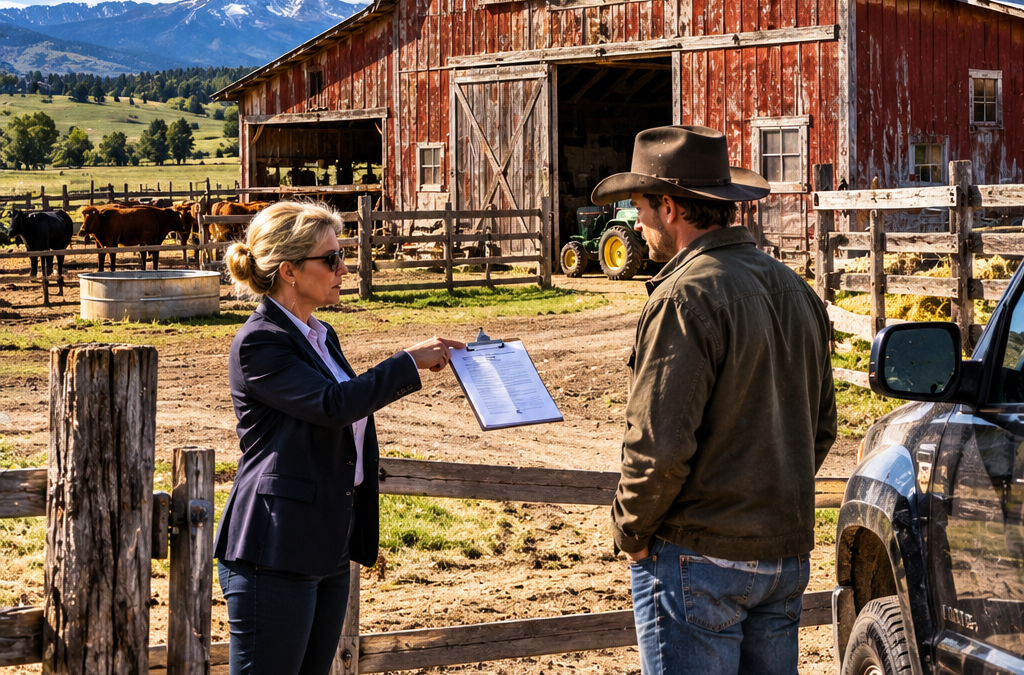
No one missed wondering whether a photograph of their trash bin would become a violation.
Eventually even stories about her became funny.
That’s how power disappears.
First people fear it.
Then they challenge it.
Then they laugh at what once scared them.
As for me, I still work as a paralegal.
Mostly remotely.
My office remains in Clifford’s dining room.
The old table now holds two monitors, a scanner, and more legal pads than any human being reasonably needs.
Through the window, I can see the barn.
Sometimes I’m reviewing a property file for work when I notice it.
A recording date.
A missing signature.
An incorrect parcel description.
And I think about Hawthorne Ridge.
About how a fourteen-month delay sat unnoticed in public records for three decades while one woman built a reputation for being untouchable.
People think legal battles are won by dramatic courtroom speeches.
Sometimes they are.
Most aren’t.
Most turn on details nobody thought were important.
A date.
A definition.
A signature.
One sentence buried in a statute.
A parcel that isn’t listed.
That’s what defeated Renata.
Not some clever trick.
Not revenge.
Not intimidation.
A filing date.
Thirty years old.
Public.
Boring.
Waiting.
She never looked because she never imagined she would have to.
That was her real mistake.
She assumed everyone else would remain too frightened to read.
I wasn’t.
And once I did, the barn didn’t need thirty days.
It just needed someone willing to ask whether the woman threatening it had ever possessed the right to threaten it at all.
She hadn’t.
So the barn stayed.
The ranch stayed.
And on quiet evenings, when the sun drops behind the western pasture and turns those hundred acres gold, I sometimes sit on Clifford’s porch with his old coffee mug beside me.
The American flag moves above the steps.
Still unapproved by nobody.
Beyond it, the barn stands exactly where it stood when Clifford was a boy.
I think about the people who built it.
The people who worked beneath that roof.
The people who left initials in timber because some part of them wanted proof they’d been there.
Then I think about one woman’s thirty-day notice sitting in a box where nobody can see it.
That’s where it belongs.
The barn earned its place in the landscape over a century.
Renata’s authority couldn’t survive eleven days of scrutiny.
Clifford was right after all.
Land remembers who takes care of it.
But paper remembers too.
And sometimes, when someone spends years abusing power, the quietest document in the courthouse is the one waiting to tell the truth.
𝗧𝗛𝗘 𝗘𝗡𝗗
The HOA President Gave Me 30 Days to Tear Down My Grandfather’s 1923 Barn, Convinced Her Rules Reached Farther Than My Family’s Deed
She stood on land that had fed three generations of my family and gave me thirty days to tear down a barn my great-grandfather had helped raise in 1923. I signed her notice without arguing because by then I had already found something in the county records that made every threat in her hand far more dangerous to her than it was to me.
My grandfather Clifford used to say that land remembers who takes care of it.
When I was younger, I thought that was one of those things old men said because they had spent too much time outdoors and not enough time around people who would challenge them.
Land was dirt.
Rock.
Water.
Boundary lines.
Numbers on tax records.
It didn’t remember anything.
That was what I believed when I was twenty-five and living in an apartment twelve floors above a city street, working sixty-hour weeks at a law firm where my days were measured in filing deadlines and document indexes.
Then Clifford died.
And I came home.
Only then did I understand what he meant.
The ranch sat on a little over a hundred acres outside town, where the pavement narrowed, the houses thinned out, and the sky seemed to get wider with every mile.
My extended family had worked pieces of that ground since the early 1900s.
Clifford bought the primary tract in 1967 and slowly consolidated adjoining acreage over the years until the place became what I knew as a child.
A main house with a deep porch.
A cattle barn.
A smaller equipment barn.
A bunkhouse nobody had slept in for decades.
A windmill that squeaked whenever the weather changed.
And a stone-lined well Clifford claimed he had dug mostly by hand.
I never believed that last part.
He insisted it was true.
The oldest barn was built in 1923.
It leaned slightly to the west because eighty years of wind had pushed against the same wall, but the foundation was solid.
The beams inside were hand-cut.
Some still carried axe marks.
There were initials carved into the north post from people who had been dead long before I was born.
My grandfather’s initials were among them.
C.C.
He had been seventeen.
Mine were lower down.
E.C.
I had carved them when I was thirteen.
Clifford caught me.
I thought he’d be furious.
Instead, he stared at the letters for a few seconds, handed me his pocketknife, and said, “If you’re going to scar good timber, at least make the C straight.”
That was Clifford.
He rarely said I love you.
He showed it by teaching you to sharpen a blade.
By leaving the porch light on.
By checking your tires before you drove back to college.
By pretending he didn’t notice when you cried after a calf died.
By setting aside the biggest piece of pie and claiming he was too full for dessert.
He raised my mother there.
After she died when I was twenty-one, the ranch became the place I went when the city felt too loud.
Clifford never asked many questions.
I’d arrive Friday evening.
He’d point toward whatever needed fixing.
Fence.
Gate.
Water line.
By sunset, we’d be working beside each other.
That was our relationship.
Mostly silence.
Mostly labor.
Everything important understood anyway.
He died the previous spring.
Eighty-seven years old.
Heart failure.
Peaceful, the doctor said.
I hated that word.
There was nothing peaceful about standing beside an empty hospital bed knowing a man who had occupied half your memory was suddenly nowhere.
After the funeral, Clifford’s attorney asked me to stay behind.
The family situation was simple.
My mother had been his only child.
I had no siblings.
No cousins fighting over acreage.
No hidden second will.
No dramatic inheritance dispute.
Clifford left the ranch to me.
Everything.
The house.
The barns.
The cattle equipment.
The mineral rights.
The old Ford tractor that required prayer and profanity in equal measure to start.
And one hundred acres of land I’d spent most of my adult life assuming would always belong to Clifford.
I remember sitting alone in his kitchen that night.
His coffee cup was still on the drying rack.
His jacket hung behind the back door.
On the refrigerator was a grocery list in his handwriting.
Eggs.
Coffee.
Salt blocks.
It felt obscene that ordinary things had survived him.
I took the deed out of the envelope his attorney had given me.
Everett Cole.
My name.
Owner.
I should have felt fortunate.
Instead, I felt terrified.
I wasn’t a rancher.
I was a paralegal at a midsize firm forty-five miles away.
My work involved real estate litigation, contract disputes, probate files, property records, lien searches, document production, and occasionally enough spreadsheets to make a reasonable person reconsider every choice that had brought him into the legal profession.
I knew how to organize evidence.
I did not know how to repair a hydraulic line on a seventy-year-old tractor.
I knew how to retrieve a deed from the county recorder.
I did not know how much hay cattle ate through winter.
For two weeks, everyone assumed I would sell.
A local developer called.
Then another.
Then a man from an investment group in Denver.
I didn’t return their calls.
The decision came to me one morning at sunrise.
I was standing beside the old barn, drinking coffee from Clifford’s dented thermos.
The pasture was silver with dew.
A meadowlark was singing from a fence post.
For the first time since the funeral, everything inside me stopped moving.
I knew.
I wasn’t selling.
I called my firm.
My supervising attorney, Margaret Shaw, answered.
“You’re supposed to be on bereavement leave.”
“I need to ask you something.”
“If the question is whether you can have another week, the answer is yes.”
“Can I work remotely?”
Silence.
“How remotely?”
“Forty-five miles.”
“Everett.”
“I can come in for hearings and closings.”
“Everett.”
“I’ll keep normal hours.”
“Are you moving to the ranch?”
“Yes.”
Another pause.
Then Margaret sighed.
“I wondered how long it would take you to admit that.”
That was how I ended up living in Clifford’s house.
For the first two months, life was quieter than anything I’d known.
I worked from the old dining room.
My laptop sat where Clifford used to spread seed catalogs.
At lunch, I checked fences.
After work, I repaired what I could.
I hired help for what I couldn’t.
I spent evenings learning about pasture rotation, old well pumps, barn preservation, and cattle care.
I was terrible at most of it.
Then slightly less terrible.
The neighbors nearest the ranch were decent people.
Most lived in a subdivision called Hawthorne Ridge that had been built along the eastern side of our property decades earlier.
The development occupied land that had once been part of a much larger agricultural tract before Clifford bought his acreage.
Over time, houses replaced pasture.
Curving streets replaced access roads.
Streetlights appeared where cattle had once grazed.
The ranch remained.
An island of old land beside new development.
Hawthorne Ridge had a homeowners association.
I knew that.
I had never cared.
Neither had Clifford.
As far as I understood it, the subdivision ended where our fence began.
For decades, that had been enough.
Then the letters started.
The first arrived in June.
Heavy paper.
Professional letterhead.
HAWTHORNE RIDGE HOMEOWNERS ASSOCIATION.
FORMAL NOTICE OF VIOLATIONS.
I almost threw it away because I assumed it had been delivered to the wrong address.
Then I saw my name.
Everett Cole.
The letter listed eleven violations.
Eleven.
I remember sitting at Clifford’s kitchen table and reading them one by one.
Noncompliant accessory structure.
Livestock maintained within prohibited proximity to residential lots.
Unapproved exterior illumination.
Agricultural fencing inconsistent with community design requirements.
Improper equipment storage.
Unapproved flag display.
That last one made me stop.
I looked through the kitchen window toward the porch.
An American flag hung beside the front steps.
Clifford had installed the pole in 1987.
The flag itself had been replaced many times, but there had been one flying there for as long as I could remember.
I continued reading.
The letter demanded corrective action within fourteen days.
Failure to comply would result in fines beginning at two hundred dollars per day.
The signature at the bottom read:
RENATA VALE
PRESIDENT
HAWTHORNE RIDGE HOA
I assumed there had been a mistake.
I called the number.
A woman answered after two rings.
“Hawthorne Ridge Homeowners Association, Renata speaking.”
“My name is Everett Cole.”
Her tone changed immediately.
“Yes.”
Not hello.
Not how can I help.
Yes.
“I received a violation notice.”
“I’m aware.”
“I think you have the wrong property.”
“No.”
I looked at the page.
“My ranch isn’t part of Hawthorne Ridge.”
“Your grandfather allowed that myth to persist for years.”
My grip tightened on the phone.
“Excuse me?”
“The Cole property was incorporated into the community covenant structure when Hawthorne Ridge was originally platted.”
“That’s not reflected in the deed.”
“The HOA has records.”
“Good.”
I pulled a yellow legal pad toward me.
“Send me the recorded covenant instrument showing my parcel is subject to the restrictions.”
Silence.
Then:
“Mr. Cole, I’ve been president of this association for eleven years.”
“Congratulations.”
She ignored that.
“I know exactly which properties fall within our jurisdiction.”
“I didn’t ask how long you’ve been president.”
Her voice sharpened.
“Your grandfather was difficult too.”
That sentence changed the conversation.
“You knew Clifford?”
“I dealt with him.”
“About what?”
“Compliance matters.”
“Did he pay HOA dues?”
“That isn’t relevant.”
“It seems extremely relevant.”
“You inherited the parcel with all attached restrictions.”
“Then send me those restrictions.”
“You’ll get what I decide to send you.”
I actually pulled the phone away from my ear and stared at it.
“Sorry?”
“You heard me.”
Then she hung up.
I sat in Clifford’s kitchen listening to the dial tone.
I’d dealt with rude attorneys.
Hostile witnesses.
Angry clients.
Judges having bad mornings.
But Renata had something different.
Absolute certainty without any visible curiosity about whether she might be wrong.
That combination is dangerous.
I worked around legal documents every day.
I knew what restrictive covenants looked like.
I knew what recorded easements looked like.
I knew the difference between a board resolution and an instrument attached to land.
And I knew one rule above almost everything else:
If somebody claims authority over real property, there should be paper showing where that authority came from.
So I opened my laptop.
The county recorder’s database went back decades.
I searched my parcel.
Then Clifford’s name.
Then Hawthorne Ridge.
Then the original developer.
Hundreds of documents appeared.
Plats.
Transfers.
Liens.
Releases.
Mortgages.
Subdivision maps.
I downloaded everything relevant.
At first, I expected to prove only one thing:
My ranch wasn’t subject to their covenants.
What I found became much bigger.
But not immediately.
Legal records rarely give up their secrets dramatically.
Usually they bore you into submission first.
The next morning, another letter arrived.
Two hundred dollars.
The following day, another.
Two hundred fifty.
Then three hundred.
Renata had apparently invented escalating daily penalties.
I emailed a formal dispute.
I requested:
The recorded declaration.
My parcel’s legal description within the declaration.
Minutes showing authority for the fines.
The schedule of penalties.
Evidence of notice to Clifford.
Proof that the ranch had ever been assessed dues.
She responded with two sentences.
The board has already established jurisdiction. Continued obstruction will result in additional enforcement costs.
No documents.
I sent a second request by certified mail.
Then Renata came to the ranch.
I was repairing a gate latch when a dark blue SUV stopped outside.
She got out wearing white pants, a navy blouse, oversized sunglasses, and shoes completely unsuited for ranch dirt.
She carried a clipboard.
Of course she did.
“Everett Cole?”
“You already know that.”
She looked past me toward the barn.
“I’m conducting a compliance inspection.”
“No, you’re not.”
Her head turned.
“I’m sorry?”
“You can inspect anything visible from the public road.”
I pointed toward the property line.
“But you’re not coming onto the ranch.”
“The HOA has inspection rights.”
“Show me.”
She held up a folder.
“I don’t need to debate governing documents at a gate.”
“Then you don’t need to cross it.”
Her jaw tightened.
She raised her phone and began taking photographs.
Barn.
Fence.
Porch.
Flag.
Cattle.
Even the mailbox.
Click.
Click.
Click.
I watched.
“Does photographing the flag make it more unapproved?”
She lowered the phone.
“You find this amusing.”
“I find it strange.”
“Your grandfather spent years refusing to cooperate.”
“You’re the second person to tell me that.”
“He had a pattern.”
I stepped closer to the gate.
“What pattern?”
“Hostility toward the community.”
I almost laughed.
Clifford had been many things.
Stubborn.
Private.
Occasionally impossible.
But hostile?
The man plowed half the subdivision entrance after snowstorms because he had the only tractor nearby large enough to do it.
He repaired Loretta Harris’s fence after her husband had surgery.
He let neighborhood children watch calves being born.
If Renata considered that hostility, I was beginning to understand her definition of cooperation.
“Did Clifford ever sign your covenants?”
Renata’s mouth tightened.
“That question has been settled.”
“By whom?”
“The board.”
“Boards can’t create signatures.”
“You clearly don’t understand how homeowners associations operate.”
That almost impressed me.
I spent my workdays preparing documents for property disputes.
I decided not to mention it yet.
“You should leave.”
“You have outstanding fines.”
“I dispute them.”
“That doesn’t suspend enforcement.”
“Leave.”
She stared at me.
Then smiled.
Not pleasantly.
“You have no idea how expensive stubbornness can become.”
She turned and walked back to her SUV.
Three days later, I received a certified letter threatening a lien.
LIEN.
Not “lean,” as one of her earlier emails had accidentally spelled it.
A lien against land my family had held for generations.
That was when annoyance became anger.
Not wild anger.
Cold anger.
The useful kind.
I printed every letter.
Created a chronology.
Opened a spreadsheet.
Date.
Action.
Claim.
Authority cited.
Documents received.
Documents missing.
Then I returned to the county records.
The original Hawthorne Ridge corporation was created in 1994.
The first development plat was filed the same year.
The declaration of covenants appeared later.
Much later.
I noticed the dates because dates are what paralegals notice.
The declaration was recorded fourteen months after the deadline that appeared to be required under the version of state law governing that type of planned community at the time.
I stared at the filing stamp.
Then checked it again.
Fourteen months late.
I pulled the statute from the historical legal database.
Read it once.
Then again.
Then I called Margaret.
“I need five minutes.”
“For work or trouble?”
“Probably both.”
“Send me what you have.”
I emailed the statute and filing.
Twenty minutes later, she called.
“Where did you get this?”
“County recorder.”
“And you’re sure that’s the original declaration?”
“First one I can find.”
“Any earlier memorandum?”
“No.”
“Ratification?”
“Still looking.”
“Keep looking.”
So I did.
For the next four hours, I searched every recording connected to Hawthorne Ridge.
No earlier declaration.
No corrective filing within the required window.
No subsequent ratification signed by all affected property owners.
Nothing.
Then I opened the declaration itself.
Parcel descriptions filled six pages.
Lot numbers.
Blocks.
Phases.
Common areas.
Road tracts.
I searched for Clifford’s legal description.
Not there.
Searched his name.
Nothing.
Searched the parcel number.
Nothing.
The ranch wasn’t included.
Not ambiguously.
Not incorrectly.
Not at all.
I sat back.
That should have been enough.
If the governing document didn’t identify my parcel, Renata’s claim against my ranch looked increasingly absurd.
But the recording defect created another issue.
Potentially a much bigger one.
I didn’t celebrate.
I knew better.
Finding a legal problem and proving its consequences are different things.
So I brought everything to Margaret.
We sat in her office the next morning.
She read in silence.
Then picked up the phone.
“I’m calling Daniel Mercer.”
“Real estate?”
“Best one I know.”
Daniel Mercer practiced almost nothing except land-use and property litigation.
He agreed to review the documents.
Two days later, we met.
He was in his late sixties, slow-speaking, careful.
The sort of attorney who could make silence feel like cross-examination.
He spread the papers across the conference table.
“Your parcel isn’t subject to the declaration.”
“That’s what I thought.”
“That part is straightforward.”
Then he tapped the filing date.
“This isn’t.”
“What does it mean?”
“It means we need to be careful.”
He looked at me.
“Do not go around telling your neighbors their HOA doesn’t exist.”
“I haven’t.”
“Good.”
He tapped the statute.
“The law in effect in 1994 imposed a recording requirement. If the declaration missed that window, the association may have a serious enforceability problem.”
“May?”
“Everett, anyone who promises certainty before a judge signs something is selling you something.”
Fair enough.
He continued.
“If subsequent owners ratified the covenants, if there are later instruments, if another statute preserved them, if there are equitable arguments—we examine all of it.”
“We found no ratification.”
“I know.”
He leaned back.
“That is why this is interesting.”
While Daniel worked, Renata escalated.
She filed a complaint with the county claiming my barn was unsafe.
A county inspector came out.
I walked him through the structure.
He spent forty minutes inside.
Checked foundations.
Looked at roof framing.
Photographed beams.
At the end, he closed his notebook.
“This barn’s older than my father.”
“1923.”
“Looks like it’ll outlive both of us.”
“So no safety order?”
He smiled.
“No.”
“Can I get that in writing?”
“Absolutely.”
I did.
Renata then called three of my neighbors.
I know because two told me.
Loretta Harris was one of them.
She lived in the first house inside Hawthorne Ridge.
Retired elementary school teacher.
Seventy-two years old.
Her husband had died four years earlier.
She called me one evening.
“Everett?”
“Yes.”
“This is Loretta.”
“I know.”
“I hope I’m not bothering you.”
“Not at all.”
She hesitated.
“Renata called me.”
I looked out the window.
“What did she want?”
“She said your property was destabilizing home values.”
I actually laughed.
Loretta didn’t.
“She asked whether I’d be willing to sign a complaint.”
“And?”
“I told her no.”
“Thank you.”
“That isn’t why I’m calling.”
Her voice lowered.
“Be careful with her.”
“I am.”
“No, I mean really careful.”
I waited.
“She’s been running this neighborhood for eleven years.”
“I’ve heard.”
“People are afraid of her.”
That sentence bothered me.
“Afraid how?”
“Fines. Lawyers. Public humiliation.”
Loretta exhaled.
“Seven years ago, we painted our shutters green.”
I smiled despite myself.
“Sounds dangerous.”
“They were supposed to be forest green. Ours were apparently moss green.”
“How much?”
“Three hundred dollars.”
“For green shutters?”
“We appealed.”
“What happened?”
“She read our violation aloud at the annual meeting.”
My smile disappeared.
“She said we were lowering the standards of the entire neighborhood.”
Loretta paused.
“My husband hated conflict. We paid.”
“I’m sorry.”
“There are dozens of stories like that.”
“Why didn’t anyone vote her out?”
A long silence.
“Because every time someone challenged her, she found another rule they’d broken.”
That explained more than any legal document could.
Renata wasn’t powerful because the covenants were strong.
She was powerful because people believed resistance was more expensive than compliance.
“People think she’s untouchable,” Loretta said.
I looked down at the recording documents spread across my table.
“She’s not.”
Loretta was quiet.
“You sound very sure.”
“I’m sure she doesn’t own my ranch.”
“That’s something.”
“It may be more than that.”
I wasn’t ready to explain.
Not yet.
“Sit tight,” I said.
She laughed nervously.
“I haven’t done anything else for eleven years.”
Renata showed up again three days later.
This time she brought a man in a gray suit.
They stopped outside my gate.
She called me from the driveway.
“Come outside.”
I almost admired the audacity.
I walked down.
The man introduced himself as Calvin Reed.
“Counsel for Hawthorne Ridge HOA.”
I looked at Renata.
“You brought an attorney.”
She smiled.
“I told you this would become expensive.”
Calvin did not smile.
He looked uncomfortable.
“I’m here concerning your outstanding violations.”
“Have you reviewed the title documents?”
His eyes shifted toward Renata.
“Mr. Cole—”
“Specifically the declaration.”
Renata cut in.
“This isn’t a deposition.”
“No.”
I looked at Calvin.
“It’s a simple question.”
He adjusted his jacket.
“I’ve reviewed materials provided by the association.”
“Did that include the recorded declaration?”
Another glance toward Renata.
That was enough.
“I suggest you do.”
Renata snapped, “Do not threaten my attorney.”
Calvin’s expression changed slightly at the word my.
I almost felt sorry for him.
I went inside.
The next morning, a notice was attached to my front gate.
THIRTY-DAY DEMOLITION ORDER.
I stood there reading it while rain darkened the paper.
The notice identified the 1923 barn as a noncompliant accessory structure and demanded removal within thirty days.
It also ordered the removal or modification of fencing, exterior lights, the bunkhouse, and several agricultural fixtures.
At the bottom:
Failure to comply will result in legal action seeking compulsory removal, costs, fines, and attorney fees.
Signed:
Renata Vale, HOA President.
My hands shook.
I wish I could say they didn’t.
I wish I could tell you I immediately became the calm legal professional who understood exactly what to do.
I didn’t.
For a few seconds, I was thirteen again.
Standing inside that barn beside Clifford.
Watching dust float through sunlight between the boards.
Hearing him tell me to straighten the C in my initials.
Thirty days.
To tear it down.
To flatten timber that had stood through the Depression.
World War II.
Droughts.
Ice storms.
My mother’s childhood.
My childhood.
Clifford’s entire adult life.
I walked into the barn.
Rain drummed against the metal roof.
I stood beside the north beam.
C.C.
Below it:
E.C.
I ran my thumb across Clifford’s initials.
“You’d hate her,” I whispered.
Then I laughed.
“No.”
I corrected myself.
“You’d enjoy this.”
Clifford loved nothing more than watching somebody overplay a weak hand.
By the time I walked back toward the house, the shaking had stopped.
Renata had left a receipt acknowledgment attached to the order.
I signed it.
Not agreement.
Receipt.
Everett Cole.
Then I photographed everything.
That afternoon, Daniel Mercer called.
“I’ve finished my review.”
I sat down.
“And?”
“Your ranch isn’t bound.”
I closed my eyes briefly.
“You’re sure?”
“As sure as I get before litigation.”
“And the HOA itself?”
Silence.
Then:
“That’s where things become interesting.”
Daniel explained it slowly.
The original declaration appeared to have been recorded outside the statutory window then in force.
No universal ratification appeared in the county records.
Several later amendments assumed the original declaration was valid but did not independently cure the original defect.
In Daniel’s view, there was a substantial basis to ask a court for declaratory relief concerning enforceability.
“Would that affect everybody?”
“Potentially.”
“How potentially?”
“If the declaration never became enforceable in the manner required by the statute, then the association may have been exercising covenant authority it didn’t legally possess.”
I thought of Loretta.
Moss green shutters.
Three hundred dollars.
People sitting silently through public humiliation because they feared another letter.
“What do we do?”
“We don’t threaten.”
“Good.”
“We don’t tell Renata what we’ve found.”
“Even better.”
“We file.”
The petition was ready two days later.
My name appeared first.
Everett Cole, petitioner.
Hawthorne Ridge Homeowners Association, respondent.
The filing requested declaratory judgment.
First, confirmation that my ranch was not subject to the HOA declaration.
Second, judicial determination concerning the enforceability of the declaration itself in light of the recording defect.
Third, appropriate relief regarding the association’s asserted covenant authority.
Daniel attached everything.
Historical statute.
Certified county records.
Recording stamps.
Parcel descriptions.
Deeds.
The demolition notice.
Fine letters.
Lien threat.
No editorializing.
No dramatic language.
The paper did the work.
I read the petition twice.
Then signed.
Daniel filed electronically that afternoon.
I didn’t call Renata.
I didn’t email the board.
I didn’t warn Loretta.
I simply waited.
Two days later, Renata called.
I watched her name flash across my screen.
I let it ring twice.
Then answered.
“Everett.”
“Renata.”
“You filed a lawsuit.”
“A petition for declaratory judgment.”
“You are attempting to destroy this community.”
“No.”
“You are trying to invalidate thirty years of governance because you don’t like one enforcement action.”
“Eleven violations, daily fines, a lien threat, a county complaint, and a demolition order.”
“You could have resolved all of that by complying.”
“With what?”
“Don’t play games.”
“I’m not.”
My voice stayed calm.
“That’s the entire point of the petition. I asked you repeatedly to show me the document giving your association jurisdiction over my parcel.”
“We have jurisdiction.”
“Then the court will confirm it.”
Silence.
I could hear her breathing.
“You have no idea what you’ve done.”
“I know exactly what I filed.”
“Families depend on this association.”
“Then I assume the association kept its legal foundation in order.”
She hung up.
For the first time, I smiled after one of our conversations.
Not because I thought I’d won.
Because finally the argument was somewhere Renata couldn’t control the microphone.
A courtroom does not care how loudly the HOA president speaks at a board meeting.
It cares what is recorded.
What is signed.
What statute says what.
And whether the person asserting authority can prove she has it.
The following week was the strangest week Hawthorne Ridge had probably seen in decades.
Word spread.
Some homeowners were terrified.
Others were curious.
A few were angry with me.
One man came to my gate.
“Do you realize what happens if the HOA disappears?”
“I realize the court is reviewing whether it legally exists in the form you’ve been told.”
“We have roads.”
“The county maintains your roads.”
“We have landscaping.”
“That can be contracted.”
“We have standards.”
I looked at him.
“Do your standards require a legally enforceable covenant?”
He didn’t answer.
Another neighbor sent me a handwritten note.
Please don’t back down.
No signature.
That told me more than the angry visit.
Loretta called again.
“What did you do?”
“Filed.”
“Renata is losing her mind.”
“I assumed.”
“She held an emergency meeting.”
“I wasn’t invited.”
“That didn’t stop everyone from talking about you.”
“What did she say?”
“That you’re exploiting a technicality.”
I looked at the 1994 recording stamp on my desk.
“Interesting word.”
“Everett?”
“Yeah?”
“Is it really possible?”
I didn’t want to promise.
“Possible.”
“That she’s been enforcing rules that aren’t valid?”
“That’s what the court is deciding.”
Loretta became quiet.
Then she said something I didn’t expect.
“I don’t know whether to be happy or furious.”
“Why furious?”
“Because I keep thinking about all the things we didn’t do.”
I understood.
Paint colors changed.
Flags not hung.
Gardens removed.
Cars sold.
Fines paid.
Arguments avoided.
Years shaped by fear of a document no one had bothered to examine.
Eleven days after we filed, Daniel called me at 8:14 in the morning.
I remember the exact time because I was pouring coffee.
“Everett.”
Something in his voice made me put the pot down.
“We have an order.”
I didn’t speak.
“The court agreed with the core statutory argument.”
I gripped the counter.
“And?”
“The declaration is unenforceable under the applicable recording requirements.”
I sat down.
My coffee remained on the counter.
“What about the association?”
“The court’s order strips the covenant-based enforcement authority as currently constituted and directs dissolution procedures consistent with the corporate and property arrangements.”
I stared at the wall.
Daniel continued talking.
I heard maybe half of it.
The fines asserted against me were void.
The demolition demand had no enforceable covenant basis.
The threatened lien couldn’t stand.
Further association action under the invalid declaration was prohibited.
There would be administrative work regarding common assets and contracts.
But the thing Renata had spent eleven years wielding like absolute law?
Gone.
I thought I would feel victorious.
Instead, the first thing I felt was grief.
Clifford should have seen it.
He should have been standing in the kitchen.
He would have read the first page.
Then looked at me over his glasses.
Then said something infuriatingly understated like:
“Well. Imagine that.”
I walked outside.
Across the yard.
Into the barn.
The morning sun came through cracks between the boards.
I put one hand on the post with our initials.
“It’s staying,” I said.
My voice cracked.
“The damn barn is staying.”
That was when I cried.
Not when Daniel called.
Not when I read the order.
There.
Alone in a barn built in 1923.
The same barn Renata had given me thirty days to erase.
Loretta called that afternoon.
She could barely speak.
“Everett.”
“Hi.”
“It’s true?”
“Yes.”
“I just got the notice.”
Her voice broke.
I heard her take a breath.
“My husband would’ve loved this.”
I closed my eyes.
“Tell me about him.”
She laughed through tears.
“He hated that woman.”
That made me laugh too.
Loretta told me people had started coming outside.
Not for a celebration.
There was no organized gathering.
They simply didn’t know what to do.
Neighbors stood in driveways talking.
Some carried their old violation letters.
One man apparently brought out a folder containing twelve years of HOA correspondence and put it on the hood of his truck.
A woman across the street brought wine.
Another brought lawn chairs.
People compared stories.
Fines.
Threats.
Warnings.
Hearings.
Humiliations.
It was as if everyone had been living in separate rooms, believing their fear belonged only to them.
Now the walls were gone.
The next few weeks uncovered more.
A family had paid five hundred dollars because their son’s basketball hoop remained beside the driveway too long.
An elderly couple had removed a vegetable garden after being threatened with escalating fines.
A widow had been warned about hanging wind chimes.
A veteran had been told his flagpole was inconsistent with neighborhood aesthetics.
The most common sentence I heard was:
“I thought it was just us.”
That was Renata’s real power.
Isolation.
If everyone believes his own complaint is unique, he feels unreasonable.
If everyone discovers the same person has been using the same tactics against half the neighborhood, the story changes.
Renata tried to fight the order.
Her attorney requested reconsideration.
Daniel opposed it.
The court did not reverse the central ruling.
She sent letters blaming me.
Then letters blaming prior boards.
Then one particularly strange notice claiming the association had been the victim of “administrative sabotage dating back thirty years.”
No one knew what that meant.
The enforcement letters stopped.
The fines stopped.
The threats stopped.
For the first time in eleven years, Renata couldn’t create authority by putting HOA letterhead at the top of a page.
She was just another homeowner.
That was probably the part she found unbearable.
Loretta saw her at the mailbox one afternoon.
According to Loretta, a neighbor walked past wearing a bright purple jacket Renata had once complained was “visually aggressive.”
The woman smiled.
Renata looked away.
Within a month, a moving truck appeared in front of Renata’s house.
No announcement.
No farewell letter.
No final board address.
She left.
I watched the truck drive past the ranch one afternoon.
Her blue SUV followed behind.
For a moment, I expected her to stop.
She didn’t.
I don’t know whether she looked toward the barn.
I did.
It was still there.
After she left, Hawthorne Ridge had to figure out what came next.
That part mattered because destroying bad governance doesn’t eliminate the practical needs of a neighborhood.
Common landscaping still needed maintenance.
Insurance contracts still existed.
Shared property still had to be handled.
Residents formed a voluntary neighborhood association for limited services.
No architectural policing.
No daily fines.
No private court pretending to be community management.
Just specific agreements for specific shared expenses.
Loretta joined the committee.
That amused me.
“You hate meetings,” I told her.
“I hate Renata meetings.”
“Difference?”
“About eleven years.”
The ranch stayed outside all of it.
Exactly where it had always been.
One hundred acres.
Independent.
Clifford’s deed.
Clifford’s barns.
My responsibility.
That summer, I repaired the west wall of the 1923 barn.
Not because Renata had been right about it being unsafe.
She hadn’t.
Because old buildings need care.
I replaced several boards.
Repaired flashing.
Had an engineer inspect the foundation.
Then I hired a preservation carpenter to help reinforce two original beams without replacing them.
He spent nearly an hour studying the axe marks.
“You know this timber was cut by hand.”
“I know.”
“Probably local.”
“Most likely.”
He touched the post where Clifford and I had carved our initials.
“You want me to work around these?”
“Absolutely.”
He smiled.
“Good.”
One afternoon, while we were working, Loretta came by.
She stood in the barn doorway.
“So that’s it.”
“That’s what?”
“The famous criminal barn.”
I laughed.
“Try not to touch anything. It’s dangerously noncompliant.”
She walked toward the north post.
Her eyes landed on Clifford’s initials.
“Your grandfather?”
“Yeah.”
“And yours?”
“Thirteen years old.”
She smiled.
“He ever catch you?”
“He gave me the knife.”
Loretta ran a finger close to the letters without touching them.
“Renata wanted this torn down?”
“Thirty days.”
She shook her head.
“For what?”
That question stayed with me.
For what?
What had the barn done?
What had my cattle done?
What had Clifford’s flag done?
Nothing.
They simply existed outside Renata’s preferred version of the neighborhood.
That was enough.
People sometimes describe controlling personalities as rule-followers.
That isn’t accurate.
Real rule-followers care whether a rule exists.
Renata cared whether she could enforce something.
If one provision didn’t work, she found another.
If the document was unclear, she interpreted it in her favor.
If someone objected, she escalated.
If someone complied, she found the next violation.
That isn’t respect for rules.
It’s appetite.
And appetite rarely limits itself.
Months later, Daniel Mercer sent me the final closing paperwork from the case.
Attached was a copy of the original declaration with the county recording stamp.
Fourteen months beyond the relevant deadline.
I printed the page.
Then stared at it.
That date had been sitting in public records for thirty years.
Anyone could have found it.
Clifford could have.
Loretta could have.
Renata could have.
Any board member.
Any attorney who bothered to verify the foundation instead of accepting institutional habit as proof.
Nobody did.
Why would they?
The HOA sent bills.
People paid.
The HOA issued fines.
People complied.
The HOA held meetings.
People attended.
Eventually, routine started looking like legitimacy.
That’s one of the strangest things about authority.
It doesn’t always survive because it is strong.
Sometimes it survives because it has been there so long no one remembers to ask the first question.
Where did this power come from?
I asked.
Not because I was brave.
Because I’m a paralegal.
It’s what I’m trained to do.
Someone sends a demand?
Find the authority.
Someone claims a right?
Find the instrument.
Someone threatens a lien?
Find the statutory basis.
Someone says your property is bound?
Find the legal description.
Renata thought I was being difficult when I asked for the covenant.
I wasn’t.
I was being literal.
Show me.
She couldn’t.
So she became louder.
The louder she became, the more suspicious I got.
People who possess strong documents usually send them.
People who possess weak documents send threats.
A year after Clifford died, I held a small family gathering at the ranch.
Not many people.
A few relatives.
Some old friends.
Loretta.
Margaret from the firm.
Even Daniel came for an hour.
We set folding tables beneath the cottonwoods.
Someone grilled too much food.
Children ran between the fences.
At sunset, I walked into the barn alone.
Clifford’s hat still hung on an old nail near the tack room.
I had never moved it.
Probably never would.
I stood beneath it.
For months after his death, I had worried that keeping the ranch was just grief disguised as responsibility.
Maybe I was preserving land because I couldn’t preserve him.
Maybe staying was sentimental stupidity.
Maybe the sensible thing would have been to sell and return to the city.
That evening, hearing people laughing outside, I understood I no longer cared whether staying had been sensible.
It was mine.
That was enough.
The ranch didn’t need to justify itself to Renata.
It didn’t need to justify itself to a developer.
And I didn’t need to justify loving a place simply because the financial world assigns value differently.
I looked at the old beam.
C.C.
E.C.
I took out Clifford’s pocketknife.
The same one he’d given me as a teenager.
Below my initials, I carved another line.
Not elegant.
Not straight.
Clifford would have complained.
I stepped back.
Three dates.
A boy.
His grandson.
And the year the barn survived the woman who gave it thirty days.
I didn’t carve Renata’s name.
She didn’t deserve space on the beam.
For a while, people treated me like I’d saved Hawthorne Ridge.
That made me uncomfortable.
I hadn’t.
I found a filing problem.
Daniel made the legal argument.
A judge made the decision.
Homeowners chose what to build afterward.
More importantly, some of the damage couldn’t be undone.
Years of fines had been paid.
Arguments had happened.
People had altered homes they loved.
Some had moved away because dealing with Renata wasn’t worth it.
You don’t erase eleven years of intimidation with one court order.
But you can stop year twelve.
Sometimes that’s enough.
Loretta told me something months later that I still think about.
We were standing near my mailbox.
She had brought me peach preserves.
“People are different now,” she said.
“How?”
“They ask questions.”
I smiled.
“Dangerous habit.”
“I’m serious.”
“I know.”
She looked toward the neighborhood.
“When the landscaping committee sends out a proposed budget, people read it.”
“Good.”
“When someone says something has to be done, people ask where that’s written.”
“Even better.”
“And nobody likes being told, ‘That’s how we’ve always done it.'”
I laughed.
“Clifford would’ve approved.”
Loretta smiled.
“Maybe that’s what you gave us.”
“What?”
“Permission to ask.”
I thought about that.
“No one needed my permission.”
“Maybe not.”
She shrugged.
“Sometimes people need to see somebody survive the question first.”
That was probably true.
Fear is contagious.
So is resistance.
Not dramatic resistance.
Not screaming.
Not threats.
Sometimes resistance is simply asking for the document.
Then asking again when someone refuses.
Then reading it when they finally produce something.
That’s the part powerful people hate.
Questions slow everything down.
Questions turn assumptions into claims that need proof.
Questions make authority show its work.
Renata’s authority couldn’t survive that.
Not because I was smarter than she was.
Because she had spent eleven years assuming nobody would force her to prove anything.
Her mistake wasn’t just targeting my ranch.
Her mistake was believing longevity equals legality.
She had been president eleven years.
The HOA had existed for decades.
People had paid fines.
Therefore, in her mind, every action she took carried legitimacy.
But repetition doesn’t cure a defective foundation.
A threat repeated a thousand times doesn’t become a right.
And a piece of paper doesn’t become law because everybody is afraid of the letterhead.
The barn is still standing.
Every winter, the west wall creaks during hard wind.
Every spring, swallows nest beneath the roofline.
I still find old nails in the dirt.
I still curse the sliding door when humidity makes it stick.
It isn’t a museum.
It isn’t perfect.
It’s a working barn.
Exactly what it has always been.
Sometimes I walk through it late at night after checking cattle.
The place smells like hay, old wood, dust, and leather.
Light from the yard falls across the north beam.
Those initials are still there.
Clifford’s.
Mine.
When I touch them, I think about the morning Renata stood at my gate.
Thirty days.
That was what she gave me.
Thirty days to erase more than a century of family history because she believed an HOA boundary she’d never legally verified gave her the right.
I signed the receipt.
She thought the signature meant fear.
What it really meant was that I wanted a clean record showing exactly what she had demanded and exactly when she demanded it.
That’s another thing my work taught me.
Never interrupt somebody while they’re creating evidence against themselves.
Renata created plenty.
Letters.
Fine schedules.
Lien threats.
Inspection demands.
The demolition notice.
Every page strengthened the chronology.
Every threat made it easier to show how aggressively the HOA had asserted power.
By the time we filed, I didn’t need to call her unreasonable.
Her documents said it for me.
That mattered.
Because anger is not evidence.
Memory is not evidence.
Feeling wronged is not evidence.
Paper is.
And if you’re lucky, the person abusing authority puts everything in writing.
Renata did.
I still keep the demolition notice.
It’s not framed.
I considered it.
Then decided I didn’t want to look at her signature every day.
Instead, it sits in a fireproof file box with the deed, court order, survey, and Clifford’s will.
Once a year, when I review the property records, I see it.
THIRTY-DAY DEMOLITION ORDER.
The words don’t make me angry anymore.
They look small.
That’s what time does to certain threats.
They feel enormous when someone delivers them.
Then one day you look back and realize the threat was only as big as the authority behind it.
Renata had confidence.
Volume.
A title.
Eleven years of people backing down.
What she didn’t have was a valid claim over my land.
In the end, that distinction mattered more than everything else.
I wish Clifford had lived long enough to see it.
Sometimes I imagine telling him.
I’d find him in the barn.
He’d be repairing tack or sharpening something that didn’t need sharpening.
I’d hand him the court order.
He’d read it slowly.
Probably twice.
Then he’d hand it back.
“You paid a lawyer for this?”
I’d say yes.
He’d shake his head.
“Could’ve told you that woman was full of it for free.”
That would be Clifford.
No victory speech.
No celebration.
Then he’d probably ask why a fence still needed fixing.
Maybe that’s why I stayed.
Not because the land was magical.
Not because old buildings should never change.
Because the ranch taught me something the city never did.
Ownership isn’t just possession.
It’s stewardship.
You inherit something and, for a while, it is yours to protect.
Then someday someone else’s name will appear on the deed.
Clifford protected this place for almost sixty years.
My turn began when he died.
Renata’s thirty-day notice was the first real test.
There will be others.
Storms.
Taxes.
Repairs.
Markets.
Maybe developers again.
Land lasts longer than the people who fight over it.
That’s what Clifford meant when he said it remembers.
Not literally.
It remembers through what remains.
Fence posts.
Barn beams.
Initials.
Paths worn by cattle.
Trees planted by people whose names aren’t on any current record.
A place collects lives.
Renata looked at my ranch and saw a violation.
I looked at it and saw my grandfather standing inside the barn door with a pocketknife.
That is why the fight mattered.
Not because I wanted to destroy an HOA.
I didn’t.
If their documents had been valid and my parcel had genuinely been subject to reasonable restrictions, I would’ve dealt with that reality.
What I refused to do was accept invented authority just because the person asserting it was louder than everyone around her.
That’s a dangerous habit in any system.
Someone claims power.
Everyone assumes someone else already checked.
Years pass.
Custom becomes certainty.
Then one person asks:
Where is it written?
Sometimes everything survives that question.
Sometimes nothing does.
Hawthorne Ridge didn’t.
At least not the version Renata built.
The neighborhood survived just fine.
Better, according to Loretta.
Children still rode bicycles.
Grass still grew.
Homes still sold.
People still painted houses without civilization collapsing.
Someone even installed a wind chime.
A large one.
Loretta sent me a video the first windy night.
I could hear it from the road.
She wrote:
Renata would have called the National Guard.
I laughed harder than I should have.
Life moved on.
That’s the part people forget about bullies.
They make themselves feel permanent while they’re around.
Every room adjusts to them.
Every conversation anticipates them.
Everyone learns their moods.
Then one day they’re gone.
And the room discovers it had more air than anyone remembered.
Renata spent eleven years making Hawthorne Ridge feel like her domain.
Within weeks of losing that authority, neighbors were learning how ordinary life could feel without her.
No one missed the daily fear.
No one missed public hearings over paint colors.
No one missed wondering whether a photograph of their trash bin would become a violation.
Eventually even stories about her became funny.
That’s how power disappears.
First people fear it.
Then they challenge it.
Then they laugh at what once scared them.
As for me, I still work as a paralegal.
Mostly remotely.
My office remains in Clifford’s dining room.
The old table now holds two monitors, a scanner, and more legal pads than any human being reasonably needs.
Through the window, I can see the barn.
Sometimes I’m reviewing a property file for work when I notice it.
A recording date.
A missing signature.
An incorrect parcel description.
And I think about Hawthorne Ridge.
About how a fourteen-month delay sat unnoticed in public records for three decades while one woman built a reputation for being untouchable.
People think legal battles are won by dramatic courtroom speeches.
Sometimes they are.
Most aren’t.
Most turn on details nobody thought were important.
A date.
A definition.
A signature.
One sentence buried in a statute.
A parcel that isn’t listed.
That’s what defeated Renata.
Not some clever trick.
Not revenge.
Not intimidation.
A filing date.
Thirty years old.
Public.
Boring.
Waiting.
She never looked because she never imagined she would have to.
That was her real mistake.
She assumed everyone else would remain too frightened to read.
I wasn’t.
And once I did, the barn didn’t need thirty days.
It just needed someone willing to ask whether the woman threatening it had ever possessed the right to threaten it at all.
She hadn’t.
So the barn stayed.
The ranch stayed.
And on quiet evenings, when the sun drops behind the western pasture and turns those hundred acres gold, I sometimes sit on Clifford’s porch with his old coffee mug beside me.
The American flag moves above the steps.
Still unapproved by nobody.
Beyond it, the barn stands exactly where it stood when Clifford was a boy.
I think about the people who built it.
The people who worked beneath that roof.
The people who left initials in timber because some part of them wanted proof they’d been there.
Then I think about one woman’s thirty-day notice sitting in a box where nobody can see it.
That’s where it belongs.
The barn earned its place in the landscape over a century.
Renata’s authority couldn’t survive eleven days of scrutiny.
Clifford was right after all.
Land remembers who takes care of it.
But paper remembers too.
And sometimes, when someone spends years abusing power, the quietest document in the courthouse is the one waiting to tell the truth.







