PART 2: They Told Me Maya Might Never Walk Again—But the Dog Left Broken on the Road Wasn’t Finished With Life Yet
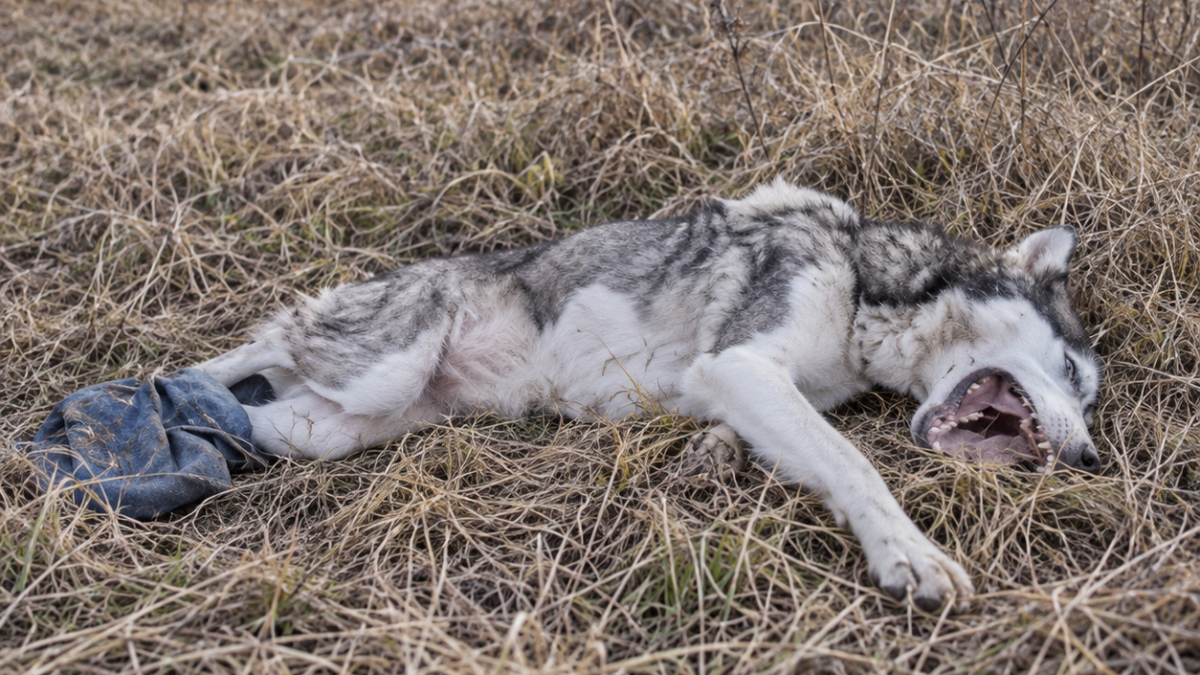
The first time I saw Maya, she was lying in the rain beside a two-lane road, unable to move her back legs while cars kept passing as if the small brown dog on the shoulder were part of the pavement.
The veterinarian warned me that even if she survived the night, she might never walk normally again, and there was no way to know how much pain or fear she would carry after what had happened to her.
But when Maya lifted her head from the emergency-room blanket and placed one trembling paw against my wrist, I made a promise before I understood how completely that promise was going to change both of our lives.
My name is Emily Carter, and I wasn’t looking for a dog that afternoon.
I was driving home outside Spokane, Washington, after visiting my mother when rain began hammering the windshield hard enough to turn the road silver. I slowed around a curve and saw something near the ditch.
At first, I thought it was a piece of cardboard.
Then it moved.
I pulled over.
The dog was young, maybe two years old, medium-sized, with a tan-brown coat darkened by rain and a narrow white stripe down her chest. One side of her face was scraped, blood marked the fur near her hip, and her rear legs lay strangely behind her.
When I approached, she tried to drag herself away using only her front legs.
“Easy,” I whispered. “I’m not going to hurt you.”
She froze.
Her eyes were enormous.
I expected growling.
Instead, she lowered her head to the pavement as though she had simply run out of strength.
There was no collar.
No tag.
No person nearby.
I called emergency veterinary clinics until one twenty minutes away told me to bring her immediately.
The problem was getting her into my car without making the injuries worse.
I found an old blanket in the trunk, slid it carefully underneath her, and used it like a stretcher.
When I lifted her, she cried out once.
Just once.
Then she went silent.
That sound followed me the entire drive.
At the clinic, two technicians met us outside.
They carried her away while I stood in the lobby dripping rainwater onto the floor and wondering why my hands were shaking.
A receptionist asked, “Is she yours?”
“No.”
“Do you know who owns her?”
“No.”
She looked toward the treatment room.
“Then we’ll need to contact animal control.”
“Treat her first.”
“We are.”
“No, I mean whatever she needs.”
The woman studied me.
“Are you accepting financial responsibility?”
I should have asked how much.
I should have thought about it.
Instead I said, “Yes.”
An hour later, Dr. Nathan Reed brought me into a consultation room.
He placed X-rays on the screen.
“Maya has a fractured pelvis, trauma around the lower spine, and a badly damaged left hind leg.”
“Maya?”
“One of the technicians started calling her that.”
I looked toward the treatment room.
“Can she walk again?”
Dr. Reed hesitated.
That pause frightened me more than any medical terminology.
“We don’t know.”
“Can you fix her?”
“We can stabilize her. She may need orthopedic surgery. The spinal swelling is my biggest concern tonight.”
“And if it doesn’t improve?”
“She could have permanent weakness or paralysis in the rear legs.”
I stared at the X-ray.
“What about putting her down?”
Dr. Reed did not flinch.
“If her pain cannot be controlled or her injuries prove incompatible with a reasonable quality of life, we would discuss that. But I’m not telling you that tonight.”
“So she has a chance.”
“Yes.”
“How much of one?”
“I can’t give you a percentage.”
Behind the treatment-room window, Maya lifted her head.
One technician adjusted the blanket around her.
Then Maya saw me.
For some reason, she kept looking.
I walked closer.
She stretched one front paw toward the edge of the table.
I placed my hand beside it.
Her paw settled against my wrist.
Barely any pressure.
But she left it there.
Dr. Reed stood behind me.
“You understand this could become a long road.”
I kept my eyes on Maya.
“I know.”
At the time, I thought he meant surgery, physical therapy, and veterinary bills.
I had no idea that within days we would discover someone had seen the accident, that Maya’s past was not as empty as we first believed, or that the person who left her on that road would eventually have to answer for far more than one terrible afternoon.
PART 2
Maya survived the first night.
That sentence sounds simple now.
At the time, it felt like the first solid thing I had been able to hold onto since finding her.
Dr. Reed called me at 6:18 the next morning.
I answered before I was fully awake.
“She’s stable,” he said.
I sat straight up in bed.
“Stable good or stable bad?”
“Stable means she made it through the night without neurological deterioration.”
I closed my eyes.
“So good.”
“For this morning, yes.”
“Did she eat?”
“No.”
“Did she sleep?”
“Some.”
“Can she move her legs?”
There was a pause.
“Her right hind leg responded slightly to deep-pain testing. The left is more difficult to assess because of the orthopedic injury.”
I held the phone tighter.
“What does that mean?”
“It means I’m not giving up on neurological function.”
That became our first victory.
Not walking.
Not even standing.
A response.
A tiny signal traveling through an injured body saying something was still connected.
I arrived at the clinic before visiting hours.
Dr. Reed did not look surprised.
“You know the sign on the front door says nine.”
“I assumed that was more of a suggestion.”
“It isn’t.”
“Can I see her?”
He sighed.
“Five minutes.”
Maya was lying on her side inside a recovery kennel.
Her hip had been clipped for imaging. One leg was wrapped. An IV line ran into her front leg.
When she saw me, her ears moved.
That was all.
It was enough.
“Hey, girl.”
I sat on the floor outside the kennel.
She watched me.
“I came back.”
Her eyes stayed on mine.
I didn’t know why saying that mattered so much.
Maybe because I had spent half the night wondering what kind of person could hit a dog and leave.
Maybe because Maya had no reason to believe people came back for anything.
A technician named Rosa crouched beside me.
“She’s calmer when you’re here.”
“That sounds scientifically questionable.”
Rosa smiled.
“Very.”
Maya tried to raise her head.
I moved closer.
“No heroics.”
She lowered it again.
Dr. Reed appeared in the doorway.
“We have a surgeon reviewing her images.”
“When?”
“Later this morning.”
“And animal control?”
“They’ll scan again for a microchip and file the found-dog report. Nothing showed up last night.”
“If someone claims her?”
“That becomes a legal question.”
The idea of somebody appearing and taking Maya away hit me harder than it should have after less than twenty-four hours.
“Could the owner have done this?”
Dr. Reed shook his head.
“All we know is she suffered blunt-force trauma consistent with being struck by a vehicle. Anything beyond that would be speculation.”
I nodded.
Facts.
I would learn to value that distinction later.
That morning, the orthopedic surgeon recommended surgery on Maya’s left hind leg once the swelling around her spine had stabilized.
The pelvis would likely heal with restricted movement.
The leg was another matter.
The femur had fractured close to the hip.
There was displacement.
Repair would require hardware.
The estimate arrived.
I stared at the number.
Then at the additional estimates for hospitalization, medication, imaging, and rehabilitation.
I had savings.
Not unlimited savings.
I taught fourth grade.
My salary did not contain an “unexpected orthopedic rescue dog” category.
Dr. Reed sat across from me.
“You do not have to make this decision because you happened to stop.”
I looked through the window at Maya.
“What happens if I don’t?”
“If she becomes property of the county, they’ll evaluate treatment options based on medical prognosis, resources, and placement.”
That was a professional answer.
I heard the part underneath.
Resources have limits.
“What would you do?”
Dr. Reed leaned back.
“I don’t answer that question for clients.”
“I’m not technically her owner.”
“Then I especially don’t answer it.”
I almost smiled.
He continued.
“What I can tell you is that I believe she has a reasonable path to a good quality of life. I cannot promise normal mobility.”
“Could she be happy?”
“Yes.”
“Even if she never walks normally?”
“Yes.”
That was the only answer I needed.
“Schedule the surgery.”
He studied me.
“You understand the cost.”
“Yes.”
“And rehabilitation.”
“Yes.”
“You work?”
“Yes, Nathan. I understand employment.”
That finally made him smile.
“All right.”
I called my sister on the way home.
Lauren answered with, “How’s the dog?”
“She needs surgery.”
“How much?”
I told her.
Silence.
Then, “Emily.”
“I know.”
“That’s a used car.”
“A bad used car.”
“That doesn’t make this more reasonable.”
“I didn’t call for reason.”
“What did you call for?”
I pulled into my driveway.
“I don’t know.”
Lauren softened immediately.
“Then do what lets you sleep later.”
That sentence stayed with me.
Do what lets you sleep later.
People think compassion is emotional.
Sometimes it is brutally practical.
Which regret can you live with?
I could survive losing savings.
I was not sure I could drive past that stretch of road for the next twenty years wondering what happened because I had decided Maya cost too much.
The surgery happened two days later.
I spent four hours grading spelling quizzes in the waiting room.
At least I pretended to.
Every student received marks that probably made no sense.
When Dr. Reed finally walked toward me, I stood so quickly my chair tipped backward.
“She’s okay.”
I covered my mouth.
“The repair went well. Hardware is stable. Now we deal with swelling, pain control, and neurological recovery.”
“Can she move?”
“Not yet.”
That part came later.
Much later.
Maya remained hospitalized for six more days.
I visited every morning before school and every afternoon afterward.
My students knew something was happening because fourth graders miss nothing.
On the third day, a boy named Jordan raised his hand during math.
“Ms. Carter?”
“Yes?”
“Is the hurt dog alive?”
Every head turned toward me.
I had apparently underestimated the efficiency of elementary-school gossip.
“Yes.”
“Is she your dog?”
“No.”
A girl named Ava frowned.
“Then why are you paying for her?”
There are questions adults complicate that children ask beautifully.
I thought for a moment.
“Because I found her.”
Jordan looked confused.
“That means you have to?”
“No.”
“Then why?”
I could have said compassion.
Responsibility.
Empathy.
Instead I said, “Because sometimes finding something means you’re the person who gets to decide whether to walk away.”
They were quiet.
Then Ava said, “So she is your dog.”
The class laughed.
I did too.
“Open your math books.”
When Maya finally came home, my living room looked like a rehabilitation ward.
Rugs covered the hardwood floor.
Baby gates blocked stairs.
A large orthopedic bed sat beside the couch.
Medication chart on the refrigerator.
Harness.
Support sling.
Water bowl elevated slightly.
Crate with enough room to rest comfortably but not move recklessly.
I had purchased three different kinds of dog treats despite having no evidence Maya liked any of them.
Lauren came over.
“You bought a ramp.”
“Yes.”
“You don’t have steps inside.”
“It’s for the back porch.”
“You built it?”
“Yes.”
“It looks like a small interstate project.”
“I wanted correct slope.”
“You teach nine-year-olds.”
“I contain multitudes.”
Maya arrived wearing a support harness.
Rosa helped lift her from my car.
The moment her paws touched my rug, she froze.
New room.
New smell.
New person.
No clinic noises.
She looked at me.
“Welcome home.”
I immediately wished I hadn’t said it.
Home implied permanence.
The legal stray hold was not finished.
No owner had come forward, but technically Maya wasn’t mine.
Still, the word felt right.
The first week nearly broke both of us.
Maya hated taking pills.
Cheese solved that.
Then she learned pills could exist inside cheese.
Peanut butter solved that.
Then she learned that too.
Eventually I became a pharmacist running an increasingly sophisticated deception operation.
She needed help standing.
I slid the support sling beneath her belly and lifted enough weight for her front legs to carry her.
Her right rear paw sometimes touched the floor.
The left barely did.
The first time I tried taking her outside, she panicked.
She twisted.
Whined.
Tried dragging herself backward.
I almost fell.
“Okay. Okay.”
We stopped.
I sat on the floor.
Maya trembled.
I realized something.
The last time she had been outside before hospitalization, she had been hit by a vehicle and left on a roadside.
Maybe the open door didn’t mean fresh air.
Maybe it meant pavement.
Pain.
Rain.
I closed the door.
We tried again an hour later.
Not outside.
Just standing near it.
Then the next day, the threshold.
Then the porch.
Rehabilitation teaches you humility.
You stop measuring progress by what you imagined.
You measure what the patient gives you.
Ten seconds standing becomes success.
One paw placed correctly becomes success.
Eating breakfast becomes success.
Sleeping without crying becomes success.
On day twelve, Maya moved her right hind leg voluntarily.
I saw it happen in the backyard.
She was supported by the sling, concentrating on something only she understood.
Then her right paw stepped forward.
Not dragged.
Stepped.
I gasped.
Maya startled and nearly collapsed.
“Sorry! Sorry!”
I lowered her gently.
Then I started laughing.
Then crying.
My neighbor, Mr. Jenkins, was watering his lawn across the fence.
“You all right?”
“She moved her leg!”
He stared.
“Congratulations?”
“Yes!”
I called Dr. Reed.
“I’m in surgery prep,” he whispered.
“She moved it.”
“Who?”
“Maya.”
“Oh.”
Silence.
Then, “That’s excellent.”
“I know.”
“I genuinely need to go operate on somebody else’s dog.”
“Fine.”
“Emily?”
“Yes?”
“Record the next therapy session.”
I did.
Physical therapy began twice a week.
At first, Maya hated the clinic pool.
The rehabilitation veterinarian, Dr. Claire Nguyen, used an underwater treadmill because water could support Maya’s body while encouraging movement.
The first session lasted four minutes.
Maya looked at me as if I had betrayed every promise I had ever made.
“This is for your own good.”
Her expression clearly said people who use that sentence should be prosecuted.
But her right leg moved.
Then the left.
Barely.
Muscle activation.
Dr. Nguyen pointed.
“See that?”
“I see everything.”
“Don’t overwhelm her.”
“I’m standing still.”
“You are emotionally loud.”
Apparently everyone in veterinary medicine had developed the ability to insult me kindly.
Weeks passed.
The stray hold expired.
No owner claimed her.
Animal control completed the necessary paperwork.
The microchip scan remained negative.
And one afternoon, I signed adoption forms.
The employee slid them toward me.
“Name?”
“Maya Carter.”
Writing it did something strange to my chest.
Legally mine.
That night, I put a real collar around her neck.
Blue.
Simple.
A tag with my phone number.
Maya.
I held it so she could sniff.
“You have paperwork now.”
Her tail moved.
Only twice.
But it moved.
Recovery accelerated slowly.
That sounds contradictory, but anyone who has lived through rehabilitation understands.
For weeks, almost nothing changes.
Then one day the accumulation becomes visible.
Maya could stand for fifteen seconds.
Then thirty.
Then a minute.
Her left leg began bearing weight.
Her muscles returned.
She could walk five assisted steps.
Then ten.
At three months, Dr. Nguyen told me to loosen the sling enough that Maya carried more of herself.
I was terrified.
“She’ll fall.”
“She might.”
“I don’t like that.”
“Maya needs to learn balance.”
“I can hold her.”
“You cannot hold her forever.”
That sentence landed outside its intended context.
I looked at Maya.
No.
I couldn’t.
So I loosened the sling.
Maya took one step.
Wobbled.
Another.
Her hindquarters swayed.
Third.
Fourth.
Then she fell onto the padded mat.
I rushed forward.
Dr. Nguyen stopped me.
“Wait.”
Maya lifted her head.
She looked annoyed.
Then pushed with her front legs.
Her rear legs gathered underneath.
She stood.
By herself.
I covered my mouth.
Dr. Nguyen smiled.
“Now you can cry.”
I did.
Maya walked six steps that afternoon without my support.
Crooked.
Awkward.
Unsteady.
Perfect.
I thought that would be the biggest moment of her recovery.
It wasn’t.
Because while Maya was learning how to walk again, someone else was quietly trying to find me.
The first message came through the clinic.
Dr. Reed called one Thursday evening.
“A man contacted us asking about the dog found on Route 27.”
I stopped chopping vegetables.
“Owner?”
“No.”
“Who?”
“Says he saw the accident.”
My knife stayed on the cutting board.
“What?”
“He saw Maya get hit.”
I sat down.
“What did he say?”
“Not much. He wants to speak with whoever found her.”
“Give him my number.”
“I already asked permission to share his. He agreed.”
His name was Thomas Becker.
Sixty-one.
Delivery driver.
I called immediately.
“Mr. Becker?”
“Yes.”
“This is Emily Carter.”
“The teacher?”
I frowned.
“How do you know that?”
“Clinic said enough so I’d know you were the woman who took the dog.”
“Tell me what happened.”
He exhaled slowly.
“I’ve been feeling sick about it for months.”
Months?
“What do you mean months?”
“The accident wasn’t the first time I saw that dog.”
My stomach tightened.
“Start at the beginning.”
Thomas drove a delivery route through the area three days a week.
Several miles from where I found Maya stood an old property behind a line of poplar trees.
A house.
Two sheds.
Chain-link kennels.
He had seen dogs there.
Many dogs.
“At least fifteen some days,” he said.
“What kind?”
“Mixed. Shepherd-looking dogs. Hounds. Brown dog looked like yours.”
“Why didn’t you report it?”
“I didn’t know anything was wrong.”
Fair.
A property with dogs is not automatically a crime.
Then Thomas described the accident.
He had been driving behind a dark red pickup.
A dog—Maya—ran from the property side of the road.
The pickup hit her.
Hard.
Thomas saw the brake lights.
The truck stopped.
A man got out.
My fingers tightened around the phone.
“He checked her?”
“He walked over.”
“And?”
Thomas’s voice changed.
“He looked at her for maybe ten seconds.”
“What happened?”
“He got back in the truck.”
The room seemed to tilt.
“He left?”
“Yes.”
“Did you stop?”
“I was in a loaded delivery truck. There was traffic behind me. By the time I could turn around safely, another vehicle had stopped.”
“My car.”
“Probably.”
My anger came so fast it frightened me.
“You saw his license plate?”
“Part of it.”
I stood.
“Why are you only coming forward now?”
“I reported it to highway patrol that day.”
That stopped me.
“You did?”
“Yes. Partial plate. Vehicle description. I didn’t know what happened to the dog. Then last week my granddaughter showed me a local social media post from the rehab clinic. Your dog’s face looked familiar.”
I sat again.
“What post?”
Apparently Dr. Nguyen had shared a general clinic success story with my permission months earlier—no location, no accident details, just Maya learning to walk.
Thomas recognized her markings.
“I went through my dashcam files.”
My heart started pounding.
“You have video?”
“Maybe.”
His camera stored clips on removable cards. He routinely replaced them but kept older cards in his truck drawer until clearing them.
He found one from the week of the accident.
The footage showed the road.
The red pickup.
Maya emerging.
Impact.
The truck stopping.
The driver exiting.
Walking toward her.
Then leaving.
Thomas sent the file to law enforcement.
He also sent me a still frame.
I stared at it for a long time.
The image was not cinematic.
No clear face.
No dramatic close-up.
Just a man beside a small injured dog on wet pavement.
Then another still.
The man walking back toward his truck.
Maya still on the ground.
I felt physically ill.
When I imagined Maya’s accident, some part of me had protected itself with uncertainty.
Maybe the driver never saw her.
Maybe the rain was too heavy.
Maybe he thought she ran away.
Maybe he panicked.
Now I knew he had stopped.
He had looked.
Then he had chosen.
I showed Lauren the video.
She watched silently.
When it ended, she said, “Don’t do anything stupid.”
“I wasn’t planning anything.”
“You have that face.”
“What face?”
“The face you had when that contractor charged Mom for work he didn’t finish.”
“That was justified.”
“You called the state licensing board.”
“He deserved it.”
“Exactly my point.”
I looked at Maya sleeping on the rug.
“What kind of person does that?”
Lauren sat beside me.
“The kind you let police deal with.”
That was not satisfying.
It was correct.
The partial plate, vehicle details, and dashcam footage led investigators to a registered pickup.
The owner was a man named Curtis Lang.
Forty-eight.
The address matched the property Thomas had described.
When animal-control records were checked, something else appeared.
There had been prior complaints.
Loose dogs.
Excessive barking.
Possible unlicensed breeding.
Nothing that had led to a major enforcement action.
Not yet.
The investigation into Maya’s accident gave authorities reason to ask more questions.
I learned most of this later.
At the time, all I knew was Detective Sarah Monroe called me.
“We’ve identified the driver.”
“Is he being charged?”
“We’re investigating several issues.”
“That isn’t an answer.”
“It’s the only answer I can give you today.”
“He left her in the road.”
“We have video that appears to show him stopping after the collision and leaving. Prosecutors will determine applicable charges.”
“Appears?”
“Emily.”
I hated how calm she sounded.
Then I realized calm was part of her job.
“Okay.”
“There’s more.”
I went still.
“The dog may have originated from his property.”
“Maya?”
“We believe so.”
My mouth went dry.
“How?”
“Photographs recovered from online sales listings show a young female dog with markings consistent with Maya.”
“Sales?”
“He breeds dogs?”
“Possibly without all required licensing. We’re working with animal control.”
“What kind of breeding?”
“Mixed working dogs. Some sold as farm and security dogs.”
I looked at Maya.
She was chewing the edge of a rubber toy.
“How sure are you?”
“Not enough to make public statements.”
There it was again.
Facts first.
I forced myself to breathe.
“What happens now?”
“We investigate.”
Three days later, authorities executed an inspection and search at Curtis Lang’s property under appropriate legal authority.
I was not there.
I am grateful.
What they found became a second story connected to Maya.
Nineteen dogs.
Not all in terrible condition.
That matters.
Some had food.
Some were healthy.
But several were underweight.
Two had untreated skin problems.
One older shepherd had an injured paw.
Records were incomplete.
Veterinary documentation did not match the number of animals.
Some dogs appeared to have been sold without the records normally expected from a legitimate breeding operation.
The most important discovery for Maya was a photograph.
A printed sales sheet.
Several dogs pictured.
One was Maya.
Younger.
Standing beside a chain-link run.
Under her photograph:
**FEMALE 7 — ACTIVE / FARM PROSPECT**
No name.
Female 7.
I stared at the copy Detective Monroe later showed me.
“That’s her.”
“We believe so.”
“She didn’t have a name?”
“We haven’t found one.”
Something about that hurt almost more than the video.
Maya had spent months fighting to walk.
I had whispered her name during therapy.
My students had made her cards.
Dr. Nguyen said her name before every exercise.
She knew it now.
Maya.
But before that?
Female 7.
An item.
A prospect.
Detective Monroe closed the folder.
“Curtis claims she escaped the property before the accident.”
“And then he hit her.”
“He acknowledges the collision.”
“And left.”
“He says he believed she was dead.”
I looked at Monroe.
“Does the video look like he checked?”
“That’s for investigators and prosecutors to argue from evidence.”
I almost snapped at her.
Then stopped.
She was not defending him.
She was protecting the case from people like me turning anger into certainty.
“Did he know she was his dog?”
“He has given inconsistent statements.”
That was enough to make my jaw tighten.
First Maya escaped.
Then he hit her.
Then maybe she was dead.
Then perhaps he didn’t recognize her.
Stories changing under pressure tend to attract investigators.
More evidence followed.
Text messages between Curtis and a man who occasionally helped with the dogs.
One message from weeks before Maya’s accident referred to:
**that brown female with the weak back end**
Another said:
**if she doesn’t tighten up, don’t waste a vet bill**
My stomach dropped when I read it.
“What does weak back end mean?”
Dr. Reed later told me it could mean almost anything without examination.
Muscle weakness.
Old injury.
Poor conditioning.
A neurological issue.
Or simply somebody’s casual description.
We could not claim Maya had been medically neglected before the collision based on that phrase alone.
But another recovered message mattered more.
Sent the afternoon of the accident.
The helper asked:
**You find 7?**
Curtis replied:
**Road handled it.**
I read those three words three times.
Road handled it.
My hands began shaking.
Detective Monroe watched me.
“Emily.”
“He knew.”
“The message is evidence.”
“He knew exactly who she was.”
“It supports that interpretation. Prosecutors will make the argument.”
“Road handled it.”
I whispered the words.
Maya had been lying in rain unable to move her legs, and the person who had once classified her as Female 7 apparently reduced her suffering to a problem the road had solved.
Something inside me changed that day.
Before that, I wanted justice because somebody had left an injured dog.
After reading those words, I wanted the entire system around Maya exposed.
Not with violence.
Not with revenge fantasies.
With records.
Photos.
Licenses.
Veterinary histories.
Sales.
Messages.
Everything.
If Curtis had built a business on treating dogs as replaceable, I wanted facts to make that impossible to hide.
The investigation broadened.
Several dogs were removed from his property temporarily while legal proceedings moved forward.
Some remained under monitored care depending on ownership and medical status.
The county reviewed licensing.
Former buyers were contacted.
A woman named Denise Harper came forward after seeing a public notice connected to the case.
She had purchased a dog from Curtis the year before.
Her dog, Ranger, arrived with severe intestinal parasites despite having been represented as veterinarian-checked.
She had messages.
Another buyer had records showing a puppy developed a congenital orthopedic condition shortly after sale.
That did not automatically prove wrongdoing.
But the pattern drew attention.
Then a former helper named Evan Brooks agreed to speak.
He described Curtis as a man who did not think of himself as cruel.
That sentence fascinated me.
“What does that mean?” I asked Detective Monroe when she summarized.
“He reportedly viewed dogs in terms of usefulness.”
“That sounds cruel.”
“Evan says Curtis fed them, bred them, trained some, sold them. He wasn’t describing deliberate daily violence.”
“But injured dogs?”
“According to the witness, Curtis was reluctant to spend substantial money on dogs he didn’t believe would sell.”
I looked at Maya.
She was walking across my living room.
Still limping.
But walking.
“So Maya became unprofitable.”
“We don’t know his exact thinking.”
I did.
But I learned to keep that inside.
What we could prove mattered more than what I felt.
The legal process moved slowly.
Painfully slowly.
Maya did not care.
That became my salvation.
While lawyers filed motions and investigators reviewed messages, Maya had physical therapy.
She learned stairs.
Three steps at first.
Up was easier.
Down terrified her.
Dr. Nguyen placed treats on each step.
Maya stared at her.
“You’re bribing her.”
“Behavioral economics.”
“She’s a dog.”
“Still economics.”
Maya eventually descended.
One step.
Pause.
Second.
Third.
At the bottom, she turned around as if she had crossed the Grand Canyon.
I clapped.
She barked.
That became our ritual.
Every new milestone received applause.
Walking across the kitchen without falling.
Applause.
Getting into the car using the ramp.
Applause.
Standing long enough to eat dinner without sitting.
Applause.
The first time she trotted?
I cried so hard Dr. Nguyen handed me tissues before saying anything.
It happened six months after the accident.
Underwater therapy had strengthened her.
Land exercises improved balance.
Her left leg would never move normally.
The pelvis had healed.
The spinal swelling had resolved enough that neurological function returned far better than Dr. Reed had first feared.
We were in a fenced rehabilitation yard.
Maya walked toward me.
Then something caught her attention—a squirrel outside the fence.
Her ears went up.
She accelerated.
Three fast steps.
Then five.
Not a normal run.
A crooked little half-trot.
But definitely faster than walking.
“Maya!”
She stopped.
Looked at me.
Then did it again.
Dr. Nguyen laughed.
“There she goes.”
I dropped to my knees.
Maya reached me and nearly knocked me backward.
I wrapped my arms around her.
“You did it.”
She licked my face.
“You did it.”
That evening, my fourth-grade class surprised me.
Lauren had apparently coordinated with another teacher.
The students had made a paper banner.
**GO MAYA GO!**
They had drawn dogs running.
One drawing showed Maya with six legs.
I did not correct the anatomy.
Maya visited the classroom for the first time a month later.
With district permission.
Leashed.
Short visit.
I expected her to be nervous.
Instead, she walked in and immediately recognized children as potential sources of snacks.
Jordan knelt.
“That’s Maya?”
“That’s Maya.”
“She walks weird.”
I waited to see how he meant it.
Then he smiled.
“But fast.”
Exactly.
“Can I pet her?”
“Let her come to you.”
Jordan held out his hand.
Maya sniffed.
Then leaned against his knee.
By the end of the visit, she was lying in the reading corner surrounded by eight children.
Ava whispered, “She likes books.”
“She’s asleep.”
“That means she likes them.”
Fair enough.
That visit planted an idea I did not take seriously at first.
Maya was unusually calm with children.
Not just tolerant.
Attentive.
A student who struggled with reading aloud sat beside her and suddenly read an entire page without stopping.
He kept one hand on Maya’s shoulder.
When he stumbled over a word, Maya didn’t react.
No impatience.
No correction.
Just breathing.
After the visit, our school counselor, Michelle, said, “You should consider therapy-dog training.”
I laughed.
“Maya can barely walk normally.”
“So?”
“She was hit by a truck.”
“I’m aware.”
“She has hardware in her leg.”
“Does that prevent her from listening to children?”
I looked at Maya.
She was sniffing a trash can.
“Her professional standards are questionable.”
Michelle smiled.
“I’m serious.”
I mentioned it to Dr. Nguyen.
She surprised me.
“I think she could do it.”
“Physically?”
“With limits.”
“Behaviorally?”
“You’d need an experienced evaluator.”
I looked at Maya.
“She used to be Female 7.”
Dr. Nguyen’s expression softened.
“She isn’t anymore.”
That became the next chapter.
Training.
Not because Maya needed to prove anything.
I was careful about that.
Recovery does not require productivity.
She had already earned rest by existing.
But Maya enjoyed people.
She liked children.
She liked learning.
Most importantly, she seemed to become calmer when someone else was nervous.
A trainer named Carla assessed her.
Carla was not sentimental.
I appreciated that.
She tested Maya around wheelchairs.
Dropped objects.
Unusual noises.
Crowds.
Gentle handling.
Other dogs.
Food distractions.
Maya passed some easily.
Struggled with others.
A metal crash caused her to freeze.
Cars moving too close made her pull away.
Carla wrote notes.
“We work on those.”
“Will she qualify?”
“Maybe.”
“I hate maybe.”
“Dogs love it. Humans hate it.”
Maya’s legal case reached a major hearing during this period.
Curtis Lang faced charges related to leaving an injured animal without aid, animal-care violations connected to dogs on his property, and licensing matters. The exact legal language was narrower and less emotionally satisfying than the story people told online.
That frustrated me.
People wanted one enormous charge that represented everything.
Law rarely works like that.
Evidence is divided into statutes.
Dates.
Elements.
What can be proved beyond required standards.
Curtis’s attorney argued that the collision was accidental.
No one disputed that.
The road was wet.
Maya entered traffic.
The issue was what happened afterward.
The dashcam video showed him stop.
Approach.
Leave.
The message:
**Road handled it.**
The defense argued it was a crude statement made under stress, not proof he knew Maya was alive.
Thomas Becker testified.
He described seeing Maya moving after impact.
The defense challenged distance.
Rain.
Visibility.
Memory.
Then the dashcam footage played.
I was in the courtroom.
I had seen it before.
It still hurt.
Vehicle impact.
Brake lights.
Curtis walking toward Maya.
Maya’s head lifting slightly.
Curtis returning to the truck.
Driving away.
The courtroom was completely quiet.
I looked at him for the first time.
He did not look monstrous.
That bothered me.
He looked ordinary.
Gray at the temples.
Dark jacket.
Hands folded.
We want cruelty to look obvious.
It often doesn’t.
Sometimes it looks like an ordinary person making one selfish decision, then another, then enough of them that suffering becomes routine.
Evan Brooks testified about the breeding operation.
He admitted he had participated.
That made the defense attack him.
“You were paid by Mr. Lang?”
“Yes.”
“You helped maintain the kennels?”
“Yes.”
“You handled sales?”
“Sometimes.”
“So if conditions were improper, you were part of them.”
Evan looked at the attorney.
“Yes.”
“Yet now you blame Mr. Lang.”
Evan swallowed.
“No. I’m telling you I was part of it.”
The attorney paused.
Evan continued.
“I kept telling myself the dogs were fed, so it wasn’t bad. I kept telling myself if one was sick, Curtis knew what he was doing. I needed the money. I didn’t ask questions because questions might make me quit.”
The room went still.
“What changed?” the prosecutor later asked.
Evan looked toward the gallery.
“Maya.”
My throat tightened.
He hadn’t known her name before the case.
“She got hit, and I heard Curtis say the road saved him a vet bill.”
Curtis’s attorney objected.
The judge addressed admissibility.
There was argument.
Parts of testimony were limited.
That is how court works.
Not every terrible statement becomes evidence exactly the way people expect.
But the investigation had records.
Messages.
Veterinary findings.
Licensing problems.
Buyer complaints supported by documents.
The consequences came piece by piece.
Curtis eventually accepted a plea agreement on several counts rather than take every charge through trial.
People online called it too lenient.
Some were angry.
I understood.
He received jail time, probation, fines, restrictions involving commercial breeding and animal ownership during the applicable period, and financial obligations connected to care.
His breeding operation closed.
Dogs legally released from the case moved to rescues and foster homes.
The property was no longer allowed to operate as it had.
Was that enough?
I still don’t know.
Justice is a terrible place to look for emotional symmetry.
There is no sentence that makes Maya unhurt.
No fine removes hardware from her leg.
No probation erases the road.
But consequences mattered.
The business ended.
The dogs got out.
The records followed him.
And Maya?
Maya kept walking.
That became my favorite form of revenge.
Not pain returned for pain.
A life that contradicted everything he had reduced her to.
Female 7.
Weak back end.
Don’t waste a vet bill.
Road handled it.
Every phrase turned out wrong.
Maya became strong.
Maya received more veterinary care than Curtis had ever been willing to imagine.
The road did not handle her.
I did.
Dr. Reed did.
Rosa did.
Dr. Nguyen did.
My students did.
Carla did.
And eventually Maya handled herself.
A year after the accident, she passed her first therapy-dog evaluation.
Not perfectly.
The evaluator noted her altered gait.
No problem.
She remained calm when a walker rolled past.
Good.
She startled at a dropped metal bowl but recovered quickly.
Acceptable.
She ignored another dog after initial interest.
Good.
She allowed gentle petting.
Excellent.
Then came the children.
A boy in the training group sat on the floor.
Maya approached.
He did not reach.
She placed herself beside him.
The evaluator smiled.
“That’s what I wanted to see.”
I whispered, “What?”
“Choice.”
Maya qualified with restrictions appropriate to her physical limits.
Short visits.
Rest periods.
No slippery floors.
No crowded uncontrolled environments.
Her first official visits were at my school.
She wore a blue therapy vest.
The first morning, I took a photograph.
Maya standing outside the classroom door.
One back leg slightly turned.
White stripe on her chest.
Eyes bright.
I compared it later to the original sales photograph.
Female 7 behind chain-link.
Same dog.
Nothing else the same.
Children began reading to her.
Students with anxiety sat beside her.
One girl named Sophie rarely spoke above a whisper at school.
Her parents were going through a painful divorce.
She had begun complaining of stomachaches every Monday.
One afternoon, Sophie sat beside Maya during reading hour.
She did not read.
Just stroked Maya’s shoulder.
Five minutes.
Ten.
Then she whispered, “Does her leg hurt?”
“Sometimes.”
“Does she know?”
“That it was hurt?”
Sophie nodded.
“I think she remembers some things.”
“Is she scared?”
“Sometimes.”
Sophie looked at Maya.
“But she comes here.”
“Yes.”
“Even scared?”
“Yes.”
Sophie was quiet.
Then she opened her book.
That child read four pages.
At the end, she kissed Maya’s head.
I went into the supply closet afterward and cried where nobody could see me.
Maya’s transformation became more than physical.
That is the part people misunderstand when they hear “miracle dog.”
I do not call her a miracle.
Miracles suggest something happened without work.
Maya’s recovery was work.
Surgery.
Pain medication.
Physical therapy.
Thousands of repetitions.
Fear.
Falls.
Rest.
Training.
Patience.
Money.
Time.
The extraordinary outcome was built out of ordinary effort.
And Maya did most of the hard part.
She never became physically perfect.
Her left hind leg remained slightly weaker.
Cold mornings made her stiff.
Long walks required rest.
She would never jump safely the way other dogs did.
We used ramps.
Rugs.
Supplements.
Medication as she aged.
None of that made her less transformed.
Transformation is not returning to who you were before something happened.
Sometimes there is no before to return to.
Transformation is becoming someone new without letting the damage decide everything.
The former dogs from Curtis’s property began finding homes too.
One old shepherd named Duke went to Evan.
That surprised me.
At first, I was angry.
Evan had admitted he had looked away.
Why should he get one?
Then I met him at a veterinary fundraiser.
Duke stood beside him.
Older.
Gray muzzle.
Evan saw me.
“I understand if you don’t want to talk.”
I looked at Duke.
“He yours?”
“Yeah.”
“How long?”
“Eight months.”
“Why him?”
Evan looked embarrassed.
“He was there the whole time I worked for Curtis.”
“That doesn’t answer me.”
“No.”
He scratched Duke’s neck.
“He deserved somebody who knew exactly what I failed to do.”
That answer stopped me.
“How is that fair to the dog?”
“It wouldn’t be if I were using him to punish myself.”
“Are you?”
“I was at first.”
Honesty again.
“What changed?”
“Duke doesn’t care about my guilt. He cares about breakfast.”
I almost smiled.
Evan continued.
“So I stopped making him carry it.”
That was one of the smartest things anyone connected to the case ever said.
Duke did not need Evan’s shame.
He needed good care.
People can change without erasing what they did.
That was difficult for me to accept.
I wanted clear categories.
Good.
Bad.
Rescuer.
Abuser.
But life kept resisting.
Thomas had seen the accident but could not stop immediately.
He carried guilt he did not deserve.
Evan had looked away for too long, then became a witness and gave Duke a good home.
Curtis had fed dogs and also treated them as economically disposable.
I had rescued Maya but sometimes pushed rehabilitation too hard because I wanted progress.
Compassion does not make people perfect.
What matters is whether we listen when reality corrects us.
Maya turned three.
Then four.
Her therapy work expanded.
A local rehabilitation hospital invited evaluated animal-assisted teams for certain programs.
Maya especially connected with patients relearning mobility after accidents.
The first time we visited, I worried the equipment would trigger her.
Wheelchairs.
Walkers.
Metal rails.
Machines.
Carla came with us.
Maya entered slowly.
A physical therapist named Daniel greeted her.
“We have someone who asked to meet the dog with the bad leg.”
I laughed.
“That is a terrible description.”
“He’s twelve.”
“Fine.”
The boy’s name was Lucas.
He had been injured in a bicycle collision.
One leg was immobilized.
He had undergone multiple surgeries.
He was angry at everyone.
His mother warned me before we entered.
“He doesn’t want people telling him to be positive.”
“I won’t.”
“He hates inspirational speeches.”
“So do I.”
Good start.
Lucas sat in a wheelchair near the window.
He looked at Maya.
“That her?”
“That’s Maya.”
“She limps.”
“Yes.”
“Forever?”
“Probably.”
“Then therapy didn’t work.”
I liked him immediately.
“It worked enough that she can walk.”
“But not normal.”
“What’s normal?”
He rolled his eyes.
Fair.
I sat.
“Maya got hit by a truck.”
That got his attention.
“She couldn’t move her back legs.”
“Both?”
“Yes.”
“Did they say she’d walk?”
“They didn’t know.”
Lucas stared at her.
Maya approached.
She stopped beside his wheelchair.
He touched her ear.
“Did it hurt?”
“A lot.”
“How long?”
“Months.”
He looked down at his own leg.
Nobody spoke.
Maya rested her chin on his knee.
Lucas whispered, “I hate therapy.”
“I think Maya did too.”
“Then why’d she do it?”
I smiled.
“She likes cheese.”
For the first time, Lucas laughed.
His mother turned away and wiped her eyes.
Maya visited him every week for two months.
On his final visit before discharge, Lucas walked twenty steps with forearm crutches while Maya walked beside him.
No one called it a miracle.
Good.
It was better than that.
It was effort.
By then, local news outlets had learned more of Maya’s story from public court records and community events.
They wanted interviews.
I refused most.
I did not want Maya’s life converted into inspirational entertainment where the suffering became a dramatic setup and everything afterward looked easy.
One reporter eventually convinced me because she agreed to focus on rehabilitation and responsible rescue.
She asked, “Do you forgive Curtis Lang?”
I hated the question.
“I don’t know him well enough for forgiveness to mean what people want it to mean.”
“Are you still angry?”
“Yes.”
“Then what does justice look like?”
I looked at Maya sleeping beside my chair.
“That.”
The reporter followed my eyes.
“A sleeping dog?”
“A dog who was treated like an expense and now has an entire life nobody can reduce to a price.”
That quote appeared in the story.
People shared it.
Curtis heard about it.
I know because two months later, I received a letter.
My first instinct was to throw it away.
The return address came from a correctional facility.
Curtis Lang.
Lauren was at my house when I opened it.
“You don’t have to read that.”
“I know.”
“Then why?”
“Because not knowing will annoy me forever.”
The letter was three pages.
Not beautifully written.
Not an apology at first.
He explained himself.
That irritated me immediately.
Costs.
Business pressures.
Too many dogs.
Buyers backing out.
Medical bills.
Storm damage at the property.
He had convinced himself every decision was temporary.
He claimed the collision had shocked him.
He wrote that he thought Maya was dying.
Then came the line that made me stop.
*I know now that thinking she was dying did not give me the right to leave her.*
Finally.
No excuse attached.
He wrote about seeing the therapy-dog article.
He recognized Maya.
He said he had not thought of her as Maya.
Only Female 7.
Then:
*That is probably the worst thing I understand now. I kept too many dogs to know them as individuals. I thought that made me efficient. It made it easier to decide what they were worth.*
I read that twice.
Lauren watched me.
“What?”
I handed her the page.
She read silently.
Then sat down.
At the end, Curtis asked no forgiveness.
He asked one question.
*Does she still hurt because of what happened?*
I almost hated him more for asking.
Because Maya did.
Sometimes.
Cold mornings.
Long days.
After too much activity.
She would rise stiffly.
I had anti-inflammatory medication approved by her vet.
I used a heating pad.
Massage.
Rest.
Damage can become manageable without disappearing.
I waited a week before replying.
My letter was short.
*Maya still has pain sometimes. She also walks, runs in her own crooked way, works with children, sleeps on my couch, steals socks, and has more people who know her name than I can count. I will not tell you that makes what happened okay. It doesn’t. But if you are asking whether the road “handled it,” the answer is no. Maya did.*
I mailed it.
Curtis wrote once more.
Only two sentences.
*Thank you for answering. I was wrong about what she was worth.*
I never replied.
That was enough.
Years moved.
Maya became familiar enough at school that students who had never known the accident simply knew her as Ms. Carter’s therapy dog.
That pleased me.
Victimhood should not be the only identity rescue animals are allowed.
One morning, a new student asked why Maya walked funny.
Before I could answer, Ava’s younger brother—now one of my students—said, “That’s just how Maya walks.”
That’s just how Maya walks.
No tragedy.
No explanation.
Just Maya.
I loved it.
At six, she developed arthritis earlier than typical.
Not surprising.
Dr. Nguyen had warned me.
We adjusted.
Fewer long visits.
More rest.
Swimming instead of extended walks.
Medication when needed.
I bought an even more expensive orthopedic bed.
Maya ignored it for three weeks and slept on the couch.
“You have no respect for money.”
Tail wag.
At seven, she retired from regular hospital visits but continued school reading sessions.
At eight, she slowed further.
Gray appeared around her muzzle.
The little white stripe on her chest seemed brighter against the darkening brown.
My students changed every year.
Maya remained.
Children who met her in fourth grade returned as teenagers.
They would see me at grocery stores.
“How’s Maya?”
“Still bossy.”
“Does she remember me?”
Probably not.
I usually said, “She remembers snacks.”
They liked that answer.
Lucas—the boy from rehabilitation—visited when he was eighteen.
I almost didn’t recognize him.
Tall.
Athletic build.
A slight limp when tired.
He walked into my classroom after school.
Maya, now an old dog, lifted her head.
“Hey, truck dog.”
I stared at him.
“Lucas?”
He smiled.
He knelt slowly.
Maya sniffed his hand.
Then licked it.
“I’m starting college.”
“That’s wonderful.”
“Physical therapy.”
I blinked.
“You’re studying physical therapy?”
“Yeah.”
He looked at Maya.
“Figured somebody has to annoy injured people into moving.”
I laughed.
“She takes cheese as payment.”
“I remember.”
He sat beside her for nearly an hour.
Before leaving, he said something I never forgot.
“Everybody told me she inspired me.”
I waited.
“She didn’t.”
I raised an eyebrow.
“Maya made me mad.”
“How?”
“She limped and everybody acted like that was okay.”
I smiled slightly.
“And?”
“Then I realized okay wasn’t the same as perfect.”
There it was.
A lesson I had taken years to learn.
At nine, Maya stopped doing therapy work entirely.
I officially retired her.
I made a ridiculous certificate.
**MAYA CARTER — RETIRED PROFESSIONAL CHILD LISTENER**
Lauren framed it.
Maya celebrated by stealing half a hamburger.
Retirement suited her.
Morning walks.
Sunlight by the back window.
Car rides only when she wanted.
Trips to the lake.
Naps.
My life had changed too.
I moved from classroom teaching into a literacy-support role with fewer hours.
Not because of Maya alone.
But she had changed how I thought about patience.
About progress.
About children who learn differently.
Maya’s physical rehabilitation had taught me something applicable to every struggling student I had ever taught.
A delayed milestone is still a milestone.
A different path is still a path.
Support is not cheating.
Rest is part of work.
Falling does not erase the steps before it.
I became a better teacher because a damaged dog made me watch progress more carefully.
At ten, Maya developed a small mass on her side.
Benign.
Removed easily.
At eleven, her bloodwork showed early kidney changes.
Manageable.
At twelve, stairs became impossible.
The ramp I had built when she first came home returned to daily use.
Lauren stood on my porch watching Maya walk carefully down.
“You kept that thing all these years?”
“Quality engineering.”
“It looks like a bridge built by a nervous accountant.”
“Maya likes it.”
Maya reached the bottom.
Paused.
Then looked back.
“See?”
Lauren smiled.
“She always did make you ridiculous.”
Yes.
She did.
The legal case had become distant by then.
Curtis had completed his sentence and probationary obligations.
I heard through community contacts that he no longer bred dogs.
Later, Evan told me Curtis worked for a landscaping company.
No animals.
I felt almost nothing hearing it.
That surprised me.
For years, I had imagined his punishment as part of Maya’s story.
Eventually, he became irrelevant.
That may have been the deepest victory of all.
Maya’s life grew so large that the person who had failed her became a minor character in it.
The accident was one afternoon.
Recovery was years.
Love lasted longer.
At thirteen, Maya began having episodes where her rear legs suddenly weakened.
Dr. Nguyen had retired, but Dr. Reed—older now, hair silver—still practiced part-time.
He examined her.
“Degenerative changes.”
“Can we treat?”
“Manage.”
I hated that word less than I used to.
Management had given us thirteen years.
“What does she need?”
“Pain control. Mobility support. Keep her lean. Watch quality of life.”
Quality of life.
The phrase I had heard the first night.
Back then, I had been afraid Maya might never have one.
Now we were measuring the quality of a life already full.
She still ate eagerly.
Still wanted short walks.
Still barked when Lauren arrived.
Still sniffed every grocery bag.
Still slept deeply.
Good days outnumbered bad.
So we continued.
Four months later, the balance changed.
Not suddenly.
That would have been easier.
Slowly.
Maya stopped waiting at the kitchen when I made breakfast.
Then she refused one morning walk.
Then another.
She slipped even on rugs.
I increased support.
More pain medication under veterinary guidance.
Harness.
Short trips outside.
One morning, she fell beside her water bowl and looked at me with something I had never seen before.
Not fear.
Fatigue.
I sat on the floor.
“Okay.”
Her head rested against my leg.
“I see you.”
That afternoon, I called Dr. Reed.
He examined her carefully.
Listened.
Tested.
Watched her attempt to stand.
Then he sat beside me on the floor.
“We can adjust medication again.”
“Will it give her good days?”
“Maybe some.”
I hated that word again.
He continued.
“But Emily, you asked me fourteen years ago whether she could have a good quality of life.”
My throat closed.
“She did.”
“Yes.”
“She really did.”
“Yes.”
I looked at Maya.
“So now?”
“Now the question is whether treatment is supporting her life or asking her to stay because you need more time.”
I started crying before he finished.
“I always need more time.”
“I know.”
I took Maya home.
Not because I had decided to ignore him.
Because she deserved one more night in her own house.
Lauren came over.
Then Michelle.
Lucas drove two hours when he heard.
Now twenty-six and working as a physical therapist.
He sat on the floor.
Maya lifted her head.
“Hey, truck dog.”
Her tail moved.
Once.
Lucas cried.
“I hate this part.”
“So do I.”
He touched the old scar near her hip.
“She changed my life.”
“She changed mine first.”
We ordered hamburgers.
Maya ate three small pieces.
Good.
For a moment, I almost convinced myself Dr. Reed was wrong.
Then Maya tried to stand and couldn’t.
Lucas helped support her.
His hands were steady.
A physical therapist helping the dog who had once sat beside him while he learned to walk.
That circle nearly broke me.
The next morning was bright.
Cold.
Maya loved cold mornings when she was younger.
I opened the back door.
Using the harness, I helped her outside.
She moved slowly down the old ramp.
At the bottom, she stopped.
The yard was damp from overnight rain.
Not the violent rain from the day I found her.
Soft rain.
The air smelled clean.
Maya lifted her nose.
I thought about the roadside.
The first blanket.
The emergency clinic.
Female 7.
The surgery.
Underwater treadmill.
Six crooked steps.
A fourth-grade classroom.
Lucas.
Sophie.
Therapy vest.
Thirteen years of ordinary mornings.
Maya sat.
I lowered myself beside her.
“You know something?”
Her cloudy eyes turned toward me.
“You were never supposed to become this.”
Tail movement.
“You were supposed to be a bad investment.”
I laughed through tears.
“Do you know how expensive you were?”
She leaned against me.
“Worth every dollar.”
We stayed outside until she grew tired.
Dr. Reed came to my house that afternoon.
He offered the clinic.
I said no.
Maya had spent enough defining moments under fluorescent veterinary lights.
Her ending would be home.
We placed her orthopedic bed beside the living-room window where sunlight fell in the afternoon.
The same bed she had ignored for weeks years earlier.
Now she rested on it.
Lauren sat on one side.
I sat on the other.
Dr. Reed prepared the medication.
He looked older than the man who had first shown me Maya’s X-rays.
So did I.
“You remember telling me she might never walk?”
“I remember being careful.”
“You were annoyingly careful.”
“Still am.”
I stroked Maya’s face.
“She walked.”
“Yes.”
“She ran.”
“In her way.”
“She worked.”
He smiled.
“She did more than many healthy dogs.”
Maya’s breathing was calm.
I leaned close.
“You remember the classroom?”
Her ear moved.
“The kids?”
I kissed her forehead.
“You were good at that.”
Dr. Reed waited until I nodded.
The sedative went in.
Maya relaxed.
Her head became heavier against my hand.
No fear.
No trembling.
I whispered, “I came back.”
The words took me to the clinic fourteen years earlier.
I came back.
That had been my first promise.
I kept it.
Every day.
“You can stop now.”
Maya breathed.
“You don’t have to prove anything else.”
Another breath.
“You were never Female 7.”
My voice broke.
“You were Maya.”
Another.
“My Maya.”
Then quiet.
Dr. Reed listened with his stethoscope.
I knew before he spoke.
“She’s gone.”
Lauren put her arms around me.
I kept one hand on Maya.
The room seemed impossibly still.
For fourteen years, Maya’s movements had defined my house.
The crooked nails on the floor.
The thump when she lowered herself beside the couch.
The bark at delivery trucks.
The scrape of paws on her ramp.
Now nothing.
I thought grief would feel like losing the dog from the road.
It didn’t.
I had lost that dog years earlier.
She became something else.
Confident.
Stubborn.
Professional child listener.
Hamburger thief.
Retired therapy dog.
Family.
I had lost an entire era of my life.
That was why it hurt.
We cremated Maya.
I kept her blue collar.
The original one I bought after signing adoption papers.
Scratched.
Faded.
Her tag worn smooth at the edges.
**MAYA CARTER.**
I placed it beside her therapy certificate.
For months, I could not remove her ramp.
Lauren offered.
“No.”
“You don’t need it.”
“I know.”
“It’s taking up half the porch.”
“I know.”
So it stayed.
One morning in spring, I saw a neighbor’s elderly dog struggling with her front steps.
That afternoon, I carried Maya’s ramp across the street.
Mr. Jenkins—older too now—looked at it.
“This the interstate project?”
I laughed.
“The very one.”
His old Labrador used it for two years.
That felt right.
Maya’s things began moving outward.
Her unopened medication went back for proper disposal.
Her spare harness went to a rescue.
Her therapy vest stayed with me.
Her orthopedic bed went to an elderly foster dog after I finally became ready.
The first time I saw another dog sleeping on it, grief punched me unexpectedly.
Then softened.
Objects should keep being useful.
Maya had taught me that life was not honored by freezing everything exactly where death left it.
Six months after Maya died, the school asked whether I would participate in a small memorial project.
I nearly refused.
I did not want a bronze statue.
No dramatic shrine.
Michelle explained.
“We’re renaming the reading corner.”
I stared.
“The reading corner?”
“The one where she used to work.”
A simple wooden sign was installed.
**MAYA’S CORNER**
Underneath:
**Take Your Time. Every Step Counts.**
That I could accept.
No story about being hit.
No photograph of her injured.
Children who never knew Maya simply used the corner to read.
Sometimes a teacher explained who she was.
Sometimes not.
The message was enough.
Lucas came to the dedication.
Now fully established in physical therapy practice.
Sophie came too.
She was in college studying social work.
Jordan, unbelievably tall, was training to become a firefighter.
Ava was a teacher.
I looked at them and realized Maya’s therapy years had not been about one dog comforting children.
She had become embedded in people’s memories during moments when they were still becoming themselves.
Lucas gave me a small box.
Inside was a metal tag.
Not Maya’s.
A reproduction.
One side said:
**MAYA**
The other:
**ROAD DIDN’T HANDLE IT. SHE DID.**
I laughed.
Then cried.
“That is slightly aggressive.”
“She would approve.”
I keep it on my key ring.
Years after Curtis’s case, I received one final piece of news.
Not from him.
From Evan.
Curtis had died from a sudden heart attack in his late fifties.
I sat with the message open for a long time.
I expected anger.
Satisfaction.
Something.
Instead, I felt sadness of a vague, distant kind.
Not because he had earned my grief.
Because human beings sometimes understand too late.
I never knew whether Curtis truly changed after his sentence.
The letters suggested he understood something.
Maybe not enough.
Maybe as much as he could.
His death did not improve Maya’s life.
His suffering had never been necessary for her happiness.
That realization completed something inside me.
Revenge had never actually been the end.
Accountability mattered because it protected other animals.
Stopping the breeding operation mattered.
Removing dogs mattered.
Licensing restrictions mattered.
Records mattered.
But Maya did not need Curtis to hurt in order to heal.
Her recovery existed independently.
That was power.
The person who harmed you does not have to suffer proportionally for your life to become meaningful again.
Sometimes the most complete answer is to outgrow the space they occupied in your story.
Curtis became smaller.
Maya became everything else.
Today, when people hear Maya’s story, they often focus on the transformation.
Dog hit by vehicle.
Possible paralysis.
Surgery.
Rehabilitation.
Walking again.
Therapy dog.
Children.
Long life.
That is a good story.
But it leaves out what mattered most.
There was no single transformation.
There were thousands.
Maya transformed when she survived the night.
Again when her paw responded to pain testing.
Again when she accepted food.
Again when she came home.
Again when she stepped with her right leg.
Again with the left.
Again when she stood.
Again when she fell and stood back up.
Again when she trotted after a squirrel.
Again when a child read beside her.
Again when she wore a therapy vest.
Again when she aged.
Again when she retired.
Again when she taught me how to let her go.
Resilience is not one dramatic comeback.
It is adaptation repeated until the life you build becomes larger than the thing that broke you.
I learned that from a dog.
A dog somebody called Female 7.
A dog somebody decided wasn’t worth a veterinary bill.
A dog a man hit with his truck, looked at, and left on wet pavement.
A dog who placed one paw against my wrist while a veterinarian warned me not to expect too much.
Maya never knew the phrase “against the odds.”
Dogs don’t live inside statistics.
She knew whether breakfast came.
Whether I returned.
Whether her leg hurt.
Whether the water in the therapy treadmill was warm.
Whether children had snacks.
Whether the couch was available.
Whether she was safe.
That was enough.
I think humans complicate healing because we need meaning.
Dogs need conditions.
Safety.
Food.
Care.
Time.
Choice.
Love.
Provide those long enough and sometimes meaning arrives by itself.
After Maya died, I swore I would not adopt another dog quickly.
For once, Lauren supported me.
“Take time.”
“I am.”
“Seriously.”
“Yes.”
Eight months later, Dr. Reed called.
I answered.
“No.”
“I haven’t said anything.”
“I know your voice.”
“There is a dog.”
“Absolutely not.”
“Older.”
“No.”
“Rear-leg injury.”
“That is emotional manipulation.”
“Probably.”
I went to the clinic anyway.
Of course.
The dog was a ten-year-old black Labrador mix named Henry.
His owner had died.
Family could not keep him.
Arthritis.
Old knee injury.
Nothing dramatic.
He looked at me.
I looked at him.
“This is temporary.”
Dr. Reed said, “I’ve heard that sentence before.”
Henry moved into my house two days later.
He never became Maya.
Thank God.
I did not need Maya again.
I needed Henry to be Henry.
He snored.
Maya rarely did.
He hated car rides.
Maya loved them.
He did not care about children.
He adored old men.
He stole no socks.
He did steal butter once.
We had two good years.
When Henry died, grief came again.
Different.
Still worthwhile.
That taught me the final lesson Maya left behind.
Loving again does not replace what came before.
A second dog does not occupy the first dog’s space.
Love apparently expands through terrible architecture.
Rooms appear where none existed.
I still visit Maya’s Corner at school sometimes.
I am retired now.
Children sit on cushions reading.
The wooden sign has scratches.
One afternoon, I watched a little girl struggle through a paragraph.
She stopped.
Frustrated.
Her teacher pointed gently toward the line under Maya’s name.
**Take Your Time. Every Step Counts.**
The girl looked at it.
Then started again.
I stood in the hallway and smiled.
No one there knew I was Maya’s person.
That was okay.
Legacy does not require recognition.
I later drove the long way home.
Past Route 27.
Past the place where I found her.
The shoulder had been resurfaced.
Trees grew taller.
There was no marker.
No evidence.
Cars passed.
For years I avoided stopping there.
That day I pulled over safely farther down the road and walked back.
The pavement was dry.
I stood near the ditch.
Fourteen years collapsed.
Rain.
Blanket.
Blood near her hip.
Eyes looking at me.
I remembered the exact moment I could have kept driving.
That thought still frightens me.
Not because I think I was uniquely heroic.
I wasn’t.
I was simply the next person who saw her.
Someone else might have stopped.
Thomas tried to return.
Emergency services could have been called.
Maybe.
But life often turns on ordinary people making decisions without knowing they are important.
Stop.
Call.
Lift.
Pay.
Wait.
Return.
Again.
Again.
Again.
I crouched near the grass.
“You made it pretty far, Maya.”
A truck passed.
Wind moved my hair.
I smiled.
Then I said what I had wanted to say since the first night.
“You got your whole life.”
That was what mattered.
Not that Maya survived an accident.
That she got enough time afterward for the accident to stop being the biggest thing that ever happened to her.
She got a whole life.
A damaged body.
A whole life.
Pain sometimes.
A whole life.
A limp.
A whole life.
Scars.
A whole life.
That is the ending I want people to understand.
We are tempted to think resilience means becoming untouched.
Maya was never untouched.
Her X-rays always showed the hardware.
Her gait always showed the injury.
Cold mornings reminded us.
She carried evidence in her body until the day she died.
But she was not trapped inside the evidence.
That distinction is everything.
The accident remained true.
So did the classroom.
The abandonment remained true.
So did my couch.
Female 7 remained part of the record.
So did Maya Carter.
“Road handled it” remained in a text message.
So did fourteen years of life proving otherwise.
That was Maya’s revenge.
Not cruelty returned.
Not hatred.
Contradiction.
Someone decided she was finished.
She wasn’t.
Someone decided treatment was wasted money.
It wasn’t.
Someone left her alone.
She became surrounded.
Someone gave her a number.
She gained a name.
Someone saw no future worth paying for.
Maya filled fourteen years with enough future to change people who never even met the man who left her.
That is more satisfying to me than any punishment ever was.
Sometimes I still dream about the first clinic.
Maya is on the blanket.
Dr. Reed is telling me we do not know.
In the dream, I always look at her paw.
It reaches toward me.
And every time, I put my wrist beneath it.
Maybe that is how memory protects us.
It lets us return to the moment before everything changed and choose correctly again.
I cannot save every dog on every roadside.
No one can.
I cannot tell every frightened person that recovery will look like Maya’s.
It won’t.
Some injuries do not heal.
Some endings come too quickly.
Some chances do not become fourteen years.
But uncertainty is not the same as hopelessness.
That is the sentence Maya left me.
We did not know whether she would walk.
We tried.
We did not know whether she could live without pain.
We treated.
We did not know whether she could trust.
We waited.
We did not know whether she could become a therapy dog.
We trained.
We did not know whether she would grow old.
She did.
Life did not guarantee us the ending.
It only gave us the next step.
Maya took it.
Then another.
Then another.
Crooked sometimes.
Slowly sometimes.
With help sometimes.
But forward.
And when people ask me now what Maya’s journey taught me, I do not tell them that anything is possible.
That sounds beautiful.
It isn’t true.
Not everything is possible.
Maya never regained a perfectly normal gait.
She could not jump safely.
She needed medication.
She aged with consequences from the accident.
The truth is better.
Not everything has to become possible for life to become good.
Maya taught me that.
She did not get the body she might have had.
She got a life worth living inside the body that remained.
She did not erase the past.
She built beyond it.
She did not become unscarred.
She became loved.
And maybe that is why, even after all these years, I still keep her blue tag where I can see it.
Not because I want to remember what happened on Route 27.
Because of what came after.
**MAYA CARTER.**
Two words somebody once would never have thought mattered.
They mattered to me.
They mattered to children.
They mattered to veterinarians and therapists.
They mattered to Lucas.
Sophie.
Jordan.
Ava.
They mattered to every person who bent down and waited for Maya to choose whether to approach.
Most of all, I think they mattered to Maya in the only way a name matters to a dog.
When I said it, she knew somebody was speaking to her.
Not Female 7.
Not the injured dog.
Not the case.
Not the therapy animal.
Her.
“Maya.”
She would lift her head.
That was enough.
And if I could have one more ordinary morning with her, I wouldn’t ask for the dramatic milestones.
I wouldn’t ask to watch her walk for the first time again.
Or pass her evaluation.
Or help Lucas.
I would want a Tuesday.
No cameras.
No court case.
No rehabilitation.
Just Maya asleep beside the kitchen while I make coffee.
Her bowl near the counter.
Her blue tag clicking softly against the collar when she stands.
Me complaining that she is underfoot.
Her ignoring me.
Breakfast.
A slow walk.
Sunlight.
Home.
Because in the end, that was what all the surgery, anger, investigation, justice, therapy, and effort were fighting for.
Not a miracle.
Ordinary life.
Maya got it.
More than ten years of it.
More than anyone standing beside that emergency-room blanket dared promise.
And that is why I no longer remember her first as the dog broken beside the road.
I remember the dog who got up.
Not once.
Thousands of times.
For fourteen years.








