PART 2: They Taped Angel’s Mouth Shut, Shot Her Six Times, and Left Her to Di3—But They Couldn’t Finish Her Story
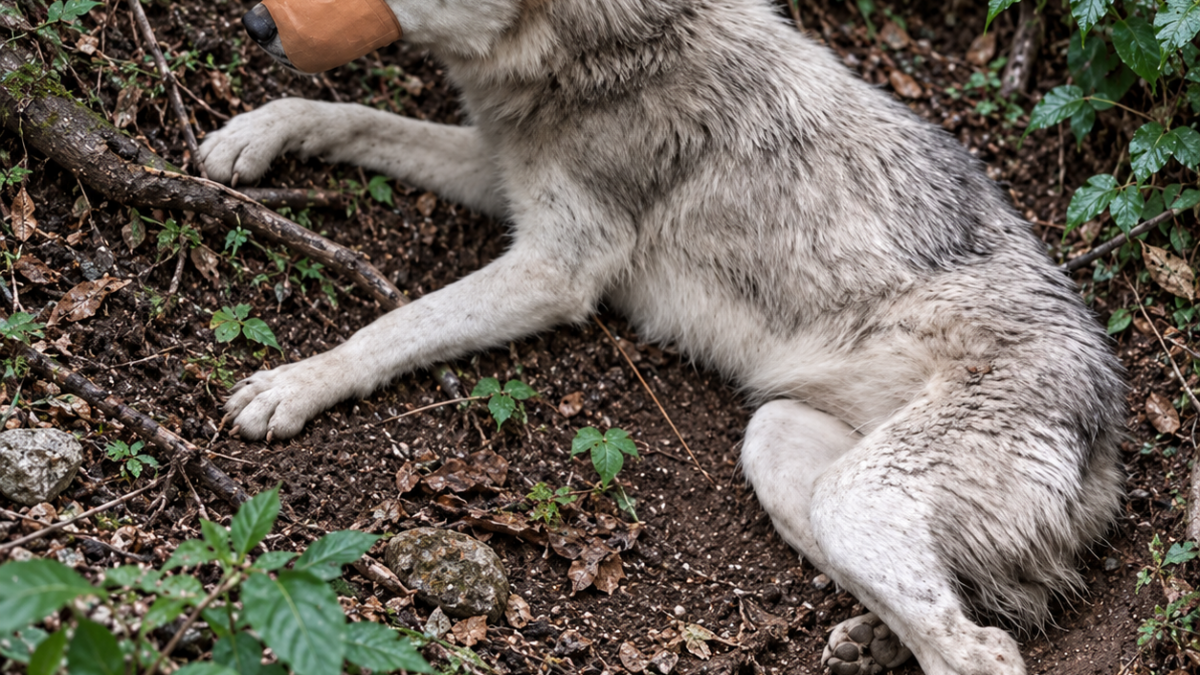
PART 2
The first thing the investigator found was a brass shell casing half pressed into the damp ground.
Then he found another.
And another.
By the time he finished marking the area, he had several pieces of evidence bagged and photographed.
But that was not what made his voice change when he called me.
“There’s a camera,” he said.
“What kind of camera?”
“Trail camera. On the property across the service road.”
I stood in the hospital hallway, looking through the glass doors toward the surgical wing.
Angel had been in surgery for almost an hour.
My coffee had gone cold in my hand.
“Does it point toward where she was found?”
“Not exactly. It points toward the road.”
My heart started beating harder.
“Can it see vehicles?”
“That’s what I’m trying to find out.”
The property belonged to a man who used the woods for deer hunting. He lived forty minutes away and had not checked the camera in more than a week.
The investigator was waiting for him to arrive.
I closed my eyes.
For two days, anger had been sitting inside me like a hot stone.
I had been trying not to feed it.
Rescue teaches you strange forms of discipline.
You learn how to look at injuries without turning away.
You learn how to speak gently when you want to scream.
You learn that rage cannot start an IV, repair a spine, or convince a terrified animal to trust your hands.
But I wanted the person who did this found.
I wanted him to sit in a room where somebody could ask him exactly how a dog ended up with tape around her mouth and six bullets in her body.
Most of all, I wanted him to understand one thing.
Angel had lived.
The doors to the surgical unit opened.
I stood so quickly that coffee spilled across my jeans.
The veterinarian came toward me with his cap still on.
“It’s out.”
For a second, I just stared at him.
“The bullet?”
He nodded.
“We removed the projectile near the spinal canal. The procedure went as well as we could reasonably hope.”
“Can she walk?”
He didn’t answer immediately.
That silence told me more than the words that followed.
“It’s too early to know.”
I looked through the doors behind him.
“Is the spinal cord severed?”
“No. That’s the good news. But there’s trauma, swelling and neurological damage. We need time.”
“How much?”
“Days before we know anything useful. Weeks or months before we know what recovery might look like.”
“And if she never walks?”
He looked directly at me.
“Then we teach her how to live without walking.”
That sentence stayed with me.
Not because it was dramatic.
Because it was practical.
Angel did not need a miracle in order to deserve a life.
She did not need to prove anything to us.
She did not need to rise from that hospital floor and walk just so her survival could count as a happy ending.
She had already done the impossible part.
She was alive.
Several hours later, Angel began waking from anesthesia.
I expected confusion.
Maybe fear.
Instead, when one of the technicians leaned over her, Angel raised her head as far as she could and licked the woman’s chin.
The technician laughed and cried at the same time.
“Oh, sweetheart.”
Angel tried again.
Another kiss.
Then another.
I stood behind them with both hands over my mouth.
This dog had been restrained by a human.
Hurt by a human.
Abandoned by a human.
Yet when she woke from surgery surrounded by people, the first thing she offered was affection.
I knelt beside her.
Angel’s eyes moved toward me.
“Hey, fighter.”
Her tail thumped once.
Then twice.
Her back legs remained still.
I scratched the side of her face.
“You don’t owe us anything,” I whispered.
She licked my wrist anyway.
That afternoon, the investigator called again.
The trail camera worked.
Its angle was poor, and tree branches obscured part of the service road, but shortly after midnight on the night Angel was believed to have been injured, it had photographed a pickup truck entering the area.
A few minutes later, the same truck left.
The rear passenger-side taillight was broken.
One side of the tailgate had a large pale patch where the paint had peeled away.
The license plate was unreadable.
It was not enough to identify the driver.
But it was something.
And sometimes something is where justice begins.
For the next several days, Angel’s world became very small.
A hospital kennel.
Soft blankets.
Pain medication.
Careful repositioning.
Meals offered by hand when she was too tired to eat.
Neurological checks.
People gently touching her toes and watching for reactions that might mean signals were still traveling between her brain and her hind legs.
I visited every day.
Sometimes Angel was sleepy.
Sometimes she was restless.
Sometimes she dragged herself toward the front of the kennel because she wanted to be closer to whoever had entered the room.
The staff fell in love with her almost immediately.
One technician started bringing a folded towel because Angel liked resting her chin on it.
Another kept a jar of tiny treats beside her kennel.
The overnight veterinarian admitted that he spent part of his lunch break sitting on the floor beside her.
Angel collected people.
That was the simplest way I knew to describe it.
She gathered them.
You could enter the room knowing everything that had happened to her and expect to feel pity.
Five minutes later, pity was gone.
What replaced it was admiration.
She did not behave as though her life had ended.
She behaved as though she had somewhere to go.
On the fourth morning after surgery, we tried supporting her with a sling.
Her front feet planted immediately.
Her shoulders pushed upward.
For half a second, I thought her right rear leg moved.
“Did you see that?”
The rehabilitation technician crouched lower.
“Maybe.”
We tried again.
Nothing.
My excitement disappeared.
The technician touched my arm.
“Don’t chase every twitch,” she said gently. “Some movements are reflexive. We’ll watch patterns.”
I nodded.
Angel looked up at us, confused by why three adults were staring at her feet.
Then she sneezed.
We all laughed.
It was the first real laugh I had heard in that room.
Meanwhile, investigators were working backward from the truck.
There were only a few houses beyond the service road.
One had a doorbell camera.
It had not captured the woods, but it had captured vehicles passing the intersection.
The homeowner agreed to let investigators review the footage.
At 12:18 a.m., a pickup passed heading toward the service road.
At 12:34, it came back.
Broken passenger-side taillight.
Faded paint on the tailgate.
This camera caught part of the license plate.
Four characters.
Not enough.
But again, something.
The investigator started comparing registered trucks matching the make, model, approximate year, and partial plate.
There were dozens.
He narrowed them by county.
Then by color.
Then by vehicles associated with addresses within a reasonable radius.
That reduced dozens to seven.
Seven trucks.
Seven owners.
Seven doors to knock on.
I asked him what would happen if somebody repaired the taillight.
“We already have what it looked like that night.”
“What if he sells the truck?”
“We still have what it looked like that night.”
“What if he gets rid of the gun?”
He paused.
“Then we keep building the case.”
The calmness of his answer frustrated me at first.
I wanted speed.
He wanted evidence.
I would eventually understand why that difference mattered.
You do not build a case out of fury.
You build it out of things that survive questions.
Dates.
Photographs.
Veterinary reports.
Recovered projectiles.
Shell casings.
Video.
Witness statements.
Physical evidence.
Things a defense attorney cannot erase simply by saying, “Maybe.”
Angel knew nothing about any of it.
She had more immediate problems.
She hated being still.
Once her surgical incision began healing and the veterinarian approved more activity, we introduced her to a mobility cart.
Calling it a wheelchair made people imagine something slow and delicate.
Angel corrected that misunderstanding within minutes.
The first fitting was awkward.
We supported her back end in the frame, secured the straps, checked every contact point and made sure nothing rubbed her skin.
Angel stood there with an expression I can only describe as offended.
The rehabilitation technician stepped in front of her with a treat.
“Come on, Angel.”
Angel leaned forward.
The wheels moved three inches.
She froze.
Then she looked behind herself.
We laughed.
She took another step with her front legs.
The wheels followed.
Her ears lifted.
“Oh no,” I said.
The technician glanced at me.
“What?”
“She figured it out.”
Angel launched forward.
Not gracefully.
Not carefully.
Forward.
The technician jumped sideways.
I grabbed the handle on the cart.
Angel kept pumping her front legs as if she had spent her entire life waiting for someone to attach wheels to her.
We made one slow lap of the rehabilitation room.
Then another.
On the third lap, she tried to accelerate toward a veterinary assistant who had entered carrying chicken.
“She has brakes, right?” I asked.
“No.”
“That feels like an oversight.”
The assistant laughed.
Angel reached her and received the chicken.
From that day on, the wheelchair stopped representing what Angel had lost.
It represented access.
She could move.
She could investigate.
She could choose where to go.
She could greet every person in the building whether they had requested the honor or not.
One afternoon, I brought her outside.
The grass was dry and the sky was clear.
For the first few seconds, Angel stood in the cart sniffing the air.
Then she rolled toward a patch of sunlight.
She moved faster.
A butterfly lifted from the grass.
Angel chased it.
I had to jog behind her.
The leash pulled tight.
“Angel!”
She looked back at me with her mouth open and tongue hanging to one side.
If dogs can laugh, she was laughing.
I stopped.
For weeks, I had been thinking about what somebody had taken from her.
Her ability to use her back legs.
Her safety.
Her trust.
Part of her body.
A piece of whatever life she had lived before the woods.
But watching her race across that grass, I understood something.
The person who hurt Angel had taken plenty.
He had not taken everything.
And every joyful thing she did from that point forward felt like theft in reverse.
We were taking her life back.
Ten days after she entered the hospital, the veterinary team agreed Angel could leave.
She still needed medication, incision monitoring and rehabilitation.
She still required help expressing her bladder at times.
She needed skin checks because paralyzed dogs can injure areas they cannot fully feel.
She needed a foster home willing to learn more than most families ever have to learn about a dog.
We had one.
When I carried Angel through the hospital lobby on discharge day, nearly the entire staff seemed to appear.
People came from treatment rooms.
From reception.
From the pharmacy.
One doctor stepped out of an exam room still wearing a stethoscope.
Angel’s wheelchair waited by the door.
The technician who had been there after surgery knelt beside her.
“You behave.”
Angel kissed her.
“That is not an answer.”
Angel kissed her again.
There were tears everywhere.
Good tears this time.
Before we left, the surgeon handed me a sealed evidence packet.
The projectile removed near Angel’s spine had been turned over according to the investigator’s instructions.
“They’re picking it up today,” he said.
I understood.
Another piece.
Another thing that could survive questions.
Angel spent the next several weeks with an experienced foster family.
They placed runners over slick floors so her front paws would have traction.
They learned how to lift her safely.
They checked her feet after every wheelchair run.
They positioned her bed where she could see the kitchen because Angel hated missing activity.
That dog had nearly died alone in the woods and had apparently decided she would never again tolerate being excluded from anything.
If somebody opened the refrigerator, Angel appeared.
If somebody went to the laundry room, Angel followed.
If the foster dad sat on the porch, she wheeled out beside him.
If the foster mom tried to shower without Angel supervising from the bathmat, Angel complained.
Her voice surprised me the first time I heard it.
A short, demanding bark.
I froze.
Then I laughed so hard I had to sit down.
The dog whose mouth had been taped shut had opinions.
Strong ones.
She used them.
One Saturday, I visited while Angel was eating breakfast.
Her foster mom handed me a coffee.
“She stole half a pancake this morning.”
“Angel?”
“Who else?”
“She can’t reach the table.”
“You keep believing that.”
Angel looked at us innocently.
Her wheelchair was parked beside her.
A tiny piece of pancake clung to her whiskers.
For the first time since I met her, Angel looked less like a patient and more like a dog who had discovered the advantages of being spoiled.
That was exactly what I wanted.
The investigation moved more slowly.
Three of the seven trucks were eliminated quickly.
One had been in another state.
One had been in a repair shop.
One belonged to an elderly man whose security cameras showed the vehicle parked at home all night.
Four remained.
Investigators interviewed the owners.
Two allowed officers to inspect their vehicles voluntarily.
Neither matched details visible in the footage.
That left two.
The sixth truck had a similar damaged taillight, but the tailgate paint did not match.
The final vehicle was registered to a man who lived less than six miles from the woods.
When the investigator reached his property, the truck was parked behind a detached garage.
The passenger-side taillight had recently been replaced.
The tailgate had been repainted.
I learned that later.
At the time, all I knew was that the investigator called and said, “We have a truck we’re interested in.”
My hands started shaking.
“Is it him?”
“I didn’t say that.”
“But you think—”
“I said we have a truck.”
That answer drove me crazy.
Then he added, “Patience.”
I hated that word.
But again, he was right.
The man who owned the truck denied knowing anything about Angel.
He said he did not have a dog.
Had never seen Angel.
Had not driven into those woods.
When asked why his taillight had been replaced, he said it had been damaged in a parking lot.
When asked when, he could not remember.
When asked when the tailgate had been painted, he said several months earlier.
Investigators photographed the truck.
Then they left.
No dramatic arrest.
No handcuffs.
No shouting.
Just questions and photographs.
I called the investigator afterward.
“That’s it?”
“For today.”
“You’re just leaving him there?”
“I don’t arrest people because I dislike their answers.”
“He lied.”
“Then we prove it.”
The words irritated me because I wanted an ending.
Angel, however, was busy beginning a new chapter.
We received dozens of adoption inquiries.
Some people meant well but clearly did not understand what Angel required.
They fell in love with the idea of rescuing a paralyzed dog.
Ideas are easy.
Daily care is not.
Angel might need a wheelchair for life.
She might have accidents.
She might require future rehabilitation.
She might develop urinary infections.
She would need monitoring for pressure sores.
Travel would require planning.
Stairs could be difficult.
Snow could be difficult.
Everything was manageable.
But manageable and effortless are not the same thing.
We were not looking for someone who felt sorry for Angel.
We were looking for someone who would still choose her on an inconvenient Tuesday five years from now.
Then an application arrived from Wisconsin.
The woman wrote several pages.
Most people began by explaining why they loved Angel.
This woman began with logistics.
Single-story home.
Fenced backyard.
Ramp already installed because her previous senior dog had developed arthritis.
Flexible work schedule.
Veterinarian contacted in advance.
Rehabilitation clinic within driving distance.
Savings set aside for medical care.
Experience caring for a dog with mobility problems.
Then, near the bottom, she wrote one sentence that stopped me.
I am not applying because I believe I can make Angel walk again; I am applying because she deserves a home even if she never does.
I read it twice.
Then a third time.
I called her.
Her name was Claire.
We spoke for nearly two hours.
She asked smart questions.
Not romantic ones.
How often did Angel need bladder assistance?
What kind of wheelchair did she use?
Did she have sensation in her toes?
How did she handle car rides?
Could she be left alone for short periods?
What surfaces caused problems?
What did she eat?
Where did she prefer to sleep?
What frightened her?
I liked Claire before the conversation ended.
Then she asked one question nobody else had asked.
“What makes her happiest?”
I looked through the window toward the foster yard.
Angel was chasing a tennis ball in her wheelchair.
“Being included,” I said.
Claire was quiet.
Then she answered, “I can do that.”
We completed every check.
References.
Veterinary history.
Home evaluation.
Long conversations.
Nobody found a reason to say no.
The day Angel left for Wisconsin, I told myself I would not cry.
That promise lasted until Claire knelt beside her.
Angel sniffed her face.
Claire did not hug her immediately.
She waited.
She let Angel choose.
After several seconds, Angel rolled forward and put her head against Claire’s chest.
Claire closed her eyes.
“There you are,” she whispered.
That was it.
I turned away because my face had completely betrayed me.
Before they left, I demonstrated the wheelchair straps one more time.
Claire smiled.
“You’ve shown me three times.”
“I know.”
“I took pictures.”
“I know.”
“And you wrote instructions.”
“Six pages.”
“I noticed.”
I rubbed Angel’s ears.
“You call me if anything feels wrong.”
Claire nodded.
“I will.”
“Anything.”
“I promise.”
Then she looked at Angel.
“But I think we’re going to be okay.”
I wanted to believe her.
I did believe her.
Still, watching the vehicle disappear down the road felt like losing something.
Rescuers live with that contradiction.
Our job is to love them fiercely enough to give them away.
That night my house seemed unusually quiet.
I kept checking my phone.
At 8:14, Claire sent a photograph.
Angel was lying on a blanket in the passenger area of the vehicle during a rest stop, wearing the relaxed expression of someone who had decided the trip was acceptable.
At 10:03, another photograph.
Angel asleep.
At 11:26, a message.
Made it home. She inspected every room. She approves of the kitchen.
I laughed.
Then another message appeared.
She’s sleeping beside my bed tonight.
I finally breathed.
A week later, Claire sent me a video.
Angel was outside in her wheelchair.
Wisconsin had given her a bright clear morning.
Claire threw a soft ball.
Angel chased it across the yard, wheels bouncing over the grass.
She caught up to it, grabbed it, turned too sharply and tipped partly sideways.
My heart jumped.
Before Claire could reach her, Angel twisted, shoved with her front legs and righted herself.
Then she took off again.
I watched the video six times.
The investigation was still hanging over us.
Angel’s life had moved forward.
The case had not.
That difference became important to me.
For the first few weeks, I had imagined justice as the moment the person responsible was arrested.
Then Angel taught me that waiting for an arrest gave that person too much power over the ending.
He did not get to keep her life paused in those woods.
Whether police called tomorrow or six months from tomorrow, Angel was going to eat breakfast.
She was going to chase balls.
She was going to sleep beside Claire’s bed.
She was going to bark at delivery drivers.
She was going to live.
The call eventually came on a rainy Tuesday afternoon.
I was cleaning kennels.
My phone vibrated.
The investigator’s name appeared.
I answered immediately.
“We executed a search warrant this morning,” he said.
I stopped moving.
“At the truck owner’s house?”
“Yes.”
My hand tightened around the phone.
“And?”
“We recovered a firearm consistent with the caliber involved. We also recovered ammunition. It’s going to the lab.”
I leaned against the kennel door.
“What else?”
There was a pause.
“A roll of tape.”
I closed my eyes.
Tape alone meant nothing.
Millions of people owned tape.
I knew that.
He knew that.
But my mind went immediately to the plastic grocery bag in the hospital hallway.
The strip removed from Angel’s muzzle.
Preserved instead of thrown away.
“What kind?”
“The same general type. That does not prove anything by itself.”
“Of course.”
“And there’s more.”
I waited.
“Dog supplies.”
My eyes opened.
“He told you he didn’t have a dog.”
“He did.”
“What kind of supplies?”
“Old bowls. A leash. Medication container. We’re following up.”
My heart pounded.
“Angel?”
“I can’t say yet.”
For the next three days, I heard nothing.
On the fourth day, investigators contacted a veterinary clinic.
Years earlier, the man had brought in a female dog matching Angel’s approximate size, age and markings.
Different name.
Same distinctive patch of white on the chest.
The clinic still had photographs attached to her file.
When they showed me one, I knew.
Angel.
Younger.
Standing on all four legs.
Looking directly at the camera.
My stomach turned.
The record did not prove he had hurt her.
But it proved he had lied.
He knew her.
He had owned her.
And suddenly the case had a history.
The clinic records showed ordinary vaccinations and one treatment for an ear infection.
Nothing in them suggested Angel had ever been vicious.
Nothing explained how she later ended up in the woods.
Investigators began interviewing people who had known the man.
A former neighbor remembered Angel.
“She was friendly,” he said.
A relative remembered seeing her in the man’s yard.
Another witness said Angel had disappeared around the same week she was found.
The man had allegedly told someone that the dog had “run off.”
Piece by piece, the story he gave investigators started collapsing.
Then the laboratory report came back.
The recovered gun was examined against physical evidence collected from the scene and the projectile removed during Angel’s surgery.
I will never forget the investigator’s exact tone when he called.
Not excited.
Not triumphant.
Certain.
“We have enough.”
My knees went weak.
“For an arrest?”
“Yes.”
I sat down on the floor.
For a few seconds, neither of us spoke.
Then I asked, “When?”
“Today.”
I thought I would feel happy.
Instead, I cried.
Not soft tears.
Ugly, shaking tears that had apparently been waiting inside me since the night I saw six bright shapes on an X-ray.
A coworker found me sitting against the wall.
“What happened?”
I held up one finger because I could not speak.
Finally I said, “They got him.”
She knew exactly what I meant.
She sat beside me.
And for a minute, neither of us moved.
The man was arrested and charged in connection with Angel’s abuse.
I will not pretend that handcuffs magically fixed anything.
Angel still could not walk normally.
She still had scars.
She still needed her wheels.
A courtroom could not give back the days she spent alone in those woods.
But accountability mattered.
It mattered that what happened to her was not dismissed as “just a dog.”
It mattered that investigators preserved evidence.
That veterinarians documented injuries.
That the couple who found her saved the tape.
That somebody had maintained a trail camera.
That neighbors allowed officers to review recordings.
That people remembered.
That facts accumulated until denial was no longer enough.
Claire called me that evening.
“I heard.”
“Who told you?”
“The investigator.”
There was a pause.
Angel barked somewhere in the background.
I smiled despite myself.
“How is she?”
“Currently furious because I won’t give her my sandwich.”
“Sounds critical.”
“Very.”
Then Claire became quiet.
“Do you feel better?”
I looked out the rescue window.
Rain streaked the glass.
“I don’t know.”
“That makes sense.”
“I thought I would.”
“You wanted him caught.”
“I did.”
“He was.”
“I know.”
“But Angel still has to live with what he did.”
“Yes.”
Claire exhaled.
“Then maybe catching him isn’t the part that makes this better.”
“What is?”
I heard wheels rattling across the floor on her end of the call.
Then Claire laughed.
“This.”
“What?”
“She just stole the sandwich.”
I laughed too.
And Claire was right.
The arrest mattered.
But Angel’s life mattered more.
The criminal case moved toward court.
The defendant pleaded not guilty.
That meant there would be hearings.
Evidence.
Statements.
Months of waiting.
I hated the idea that Angel’s story would be picked apart by attorneys.
Yet the investigator reminded me of something.
“This is why we did it carefully.”
He was right again.
A strong case was not built from the emotional truth that everyone who saw Angel felt immediately.
It was built from proof.
The veterinary team documented the six gunshot injuries.
The surgeon documented the projectile removed near her spine.
Investigators documented the scene.
The couple documented when and where they found her.
Videos documented the truck.
Records documented that the defendant had previously possessed a dog matching Angel.
Witnesses documented seeing her at his property.
Investigators documented his initial denial.
Physical evidence connected the investigation further.
No single fact had carried the entire case.
Together, they formed a chain.
While lawyers prepared motions, Angel had her own appointment.
Claire took her to a rehabilitation specialist in Wisconsin for a complete neurological evaluation.
I joined by video call.
Angel appeared on the screen wearing a red harness and an expression of deep suspicion about the examination table.
The specialist checked her reflexes.
Range of motion.
Muscle tone.
Sensation.
Then she supported Angel beneath the abdomen and placed her rear paws against a textured mat.
Angel’s left leg moved.
I leaned toward my screen.
“Was that a reflex?”
“Could be.”
The specialist repositioned her.
Angel shifted forward.
Her right hind leg flexed.
Claire inhaled sharply.
Again.
The specialist remained careful.
“We do not make promises from isolated movements.”
I had heard that before.
“Understood.”
“But?”
Claire asked it before I could.
The specialist smiled slightly.
“But there are responses here I’m encouraged by.”
Claire looked at Angel.
Angel tried to eat the therapist’s sleeve.
“Apparently she is also encouraged,” I said.
A rehabilitation plan followed.
Supported standing.
Controlled range-of-motion work.
Water therapy when appropriate.
Short exercises several times a day rather than exhausting sessions.
Massage.
Balance work.
Careful attention to skin and joint position.
The goal was not to force Angel to walk.
The goal was to give her nervous system every reasonable opportunity to recover while protecting the body she already had.
Claire approached it exactly that way.
She never treated Angel like a broken project.
Some days they worked hard.
Other days Angel was tired and they stopped.
If Angel wanted to race in her wheelchair, she raced.
If she wanted to sleep in a patch of sunlight, she slept.
Progress belonged to Angel.
Not to us.
One evening, Claire called me without warning.
“Are you somewhere you can watch a video?”
“I’m at home.”
“Sit down.”
My pulse jumped.
“Is she okay?”
“Just sit.”
The video arrived.
Angel was standing in a supportive harness.
Claire held the straps above her.
A therapist knelt in front with a treat.
Angel’s front legs moved first.
Then her left rear paw lifted.
It moved forward.
Landed.
Her right followed.
Not smoothly.
Not strongly.
But deliberately.
One step.
Then another.
Then she sat down.
Claire’s voice broke behind the camera.
“That was you, Angel. That was you.”
The video ended.
I stared at the frozen screen.
Then played it again.
Left.
Right.
Two steps.
I called Claire.
Neither of us spoke coherently for at least a minute.
Finally I said, “Does the therapist think it’s voluntary?”
“Yes.”
“She’s sure?”
“She made Angel repeat it before she let me call you.”
I laughed and cried at the same time.
“What did Angel do afterward?”
“Ate half a cup of chicken and fell asleep.”
“Of course.”
It would be tempting to tell you that Angel stood up the next morning and walked across the house.
She did not.
Recovery was not a movie montage.
Her back legs did not become strong in a week.
Some days they moved well.
Some days barely at all.
Sometimes she could support weight for several seconds.
Sometimes she collapsed immediately into the sling.
There were setbacks.
One urinary infection forced a break from therapy.
She developed irritation from a strap and needed the wheelchair adjusted.
During one session, Angel simply lay down and refused to participate.
Claire sent me a photograph.
Angel was stretched on the therapy mat with her chin flat on the floor.
Caption: Union break.
That was real rehabilitation.
Slow.
Repetitive.
Uncertain.
Filled with tiny victories that would look like nothing to anyone who had not witnessed the starting point.
Then came three steps.
Then five.
Then eight supported steps across the therapy room.
One morning Angel stood for eleven seconds without the sling taking her full weight.
Claire counted out loud.
At eight, her voice cracked.
At eleven, Angel sat.
Claire hugged her.
Angel licked her nose.
The wheelchair stayed.
That mattered to us.
We did not throw it aside as though walking made the chair a symbol of failure.
The chair had given Angel freedom when her legs could not.
It still let her travel farther and faster than she could on her own.
For long outings, she used it.
For exercise, she practiced standing and stepping.
For racing across the yard, wheels usually won.
Angel had options now.
Options are freedom.
The court case finally reached a critical hearing several months after the arrest.
I attended.
So did the couple who had found Angel.
The veterinarian who operated on her waited in the hallway with a folder of records.
I had seen him perform emergency procedures without flinching.
That morning, he looked tired.
“You okay?” I asked.
He nodded.
“I just hate having to describe it again.”
“I know.”
The woman who had found Angel stood nearby.
She carried a small purse.
I remembered the first night, when the tape from Angel’s mouth had been inside a grocery bag in her hands.
I looked at her.
“You saved the case.”
She shook her head.
“No.”
“You saved that tape.”
“We saved a piece of tape.”
“You stopped the car.”
Her eyes filled.
“My husband saw her first.”
“And you both carried her home.”
“We just did what anybody would do.”
I thought about that.
“No,” I said gently. “You did what everybody should do.”
There is a difference.
Inside the courtroom, everything felt smaller than the emotions attached to it.
Wood benches.
Fluorescent light.
Stacks of paper.
Attorneys speaking in controlled voices.
The defendant sat at a table.
I had imagined that moment countless times.
I thought I would stare at him.
Instead, I barely looked.
I had spent too much of Angel’s recovery allowing that man to occupy space in my head.
I was done giving him more.
The evidence was argued.
The defense challenged portions of the state’s case.
That was their job.
But the records remained.
The videos remained.
The physical evidence remained.
The contradictions remained.
Eventually the case proceeded.
When I was called to testify later, I described the first night.
I described Angel arriving unable to use her back legs.
I described the X-ray.
The six projectiles.
Her surgery.
Her wheelchair.
I was careful not to exaggerate.
Facts did not need decoration.
The defense attorney asked me whether I had personally witnessed anyone shoot Angel.
“No.”
“Did Angel arrive wearing identification proving who owned her?”
“No.”
“You cannot tell this jury from your own observation who injured her, correct?”
“Correct.”
For a second, I hated saying it.
Then I remembered what the investigator had taught me.
Do not stretch.
Do not guess.
Tell what you know.
Let the evidence do its job.
The surgeon testified about Angel’s injuries.
The couple testified about finding her.
Investigators testified about the road, the recordings, the truck, the search and the recovered evidence.
Other witnesses testified about recognizing Angel from earlier years.
The veterinary records showing her connection to the defendant were introduced.
The defense tried to create distance.
Time.
Possibility.
Alternative explanations.
But possibility is not the same thing as reasonable doubt when physical evidence and a chain of documented facts keep pointing in the same direction.
The hardest moment came when photographs of Angel from that first night were shown.
I looked down.
I had lived those photographs once.
I did not need to live them again.
Then an older photograph appeared.
Angel before.
Standing.
Healthy.
Four legs beneath her.
The contrast silenced the room.
The prosecution did not need to say much.
This was the dog she had been.
This was the dog found in the woods.
And between those two images stood a human decision.
The trial lasted longer than I expected.
When the jury left to deliberate, time stopped behaving normally.
Twenty minutes felt like two hours.
Two hours felt like twenty minutes.
The couple and I sat together.
Nobody talked about the likely outcome.
We talked about Angel.
Her wheelchair.
Her obsession with food.
Claire’s latest video.
Anything except the question hanging over us.
Then the courtroom deputy opened the door.
“They’re coming back.”
My hands went cold.
We took our seats.
The jury entered.
I watched their faces and learned nothing.
The clerk read the decision.
Guilty.
I stopped breathing.
Another count.
Guilty.
The word came again.
I closed my eyes.
Behind me, the woman who found Angel began crying.
Her husband put an arm around her.
I did not cheer.
Nobody from our group did.
It was not that kind of moment.
A dog had still been shot.
A spine had still been damaged.
A life had still been nearly erased.
A guilty verdict could not make those things unhappen.
But it did something important.
It put responsibility where it belonged.
Outside the courthouse, reporters waited.
I did not want to talk about the defendant.
I wanted to talk about Angel.
Someone asked, “Do you feel like justice was done?”
I thought before answering.
“Today the system held someone accountable,” I said. “Angel has been doing the harder part for months. She’s been learning how to live.”
That night, Claire put the phone on speaker near Angel.
“She has something to tell you,” Claire said.
Angel barked.
I laughed.
“Tell her we won.”
Claire became quiet.
Then she said, “I think she already did.”
Sentencing came later.
By then, the court had received the full veterinary record.
The cost of Angel’s emergency care.
Her surgery.
Her rehabilitation.
Statements from investigators.
And information about the continuing consequences of her injuries.
The judge spoke for several minutes.
I will not pretend I remember every sentence.
I remember one.
“An animal’s inability to speak is not permission to inflict suffering without consequence.”
The defendant received a prison sentence under the charges for which he had been convicted.
The court also imposed restrictions that prevented him from legally possessing animals during the applicable period, and restitution was ordered toward documented costs associated with Angel’s care.
It was not revenge in the way anger imagines revenge.
Nobody dragged him into the woods.
Nobody hurt him.
Nobody needed to.
He lost his freedom because of evidence.
He had to hear professionals describe, in a courtroom record, what had been done to Angel.
He had to watch the people who saved her stand where he could see them.
And he had to learn the one fact he could never undo.
Angel survived him.
When I called Claire after sentencing, she listened quietly.
Then she said, “Good.”
Just that.
Good.
A year earlier, I might have expected something louder.
By then, I understood.
Our greatest answer to cruelty was not cruelty returned.
It was a life restored.
A few weeks later, I flew to Wisconsin.
Claire met me at the airport.
Angel was waiting at home.
I had not seen her in person since the adoption.
Claire warned me not to expect too much from her unassisted walking.
“She uses the wheels most of the time outside.”
“I know.”
“She gets tired quickly.”
“I know.”
“She may not remember you immediately.”
That one hurt.
“I know.”
We drove to Claire’s house.
The moment the front door opened, I heard wheels.
Fast.
Very fast.
“Angel, slow down!”
A red wheelchair shot around the corner.
Angel saw me.
She stopped.
For one terrible second, I thought Claire had been right.
Maybe too much time had passed.
Maybe I was simply another person in the long line of humans who had touched Angel’s life.
Then her entire body changed.
Her ears went back.
Her mouth opened.
Her tail started whipping so hard her hips moved inside the support straps.
She raced at me.
I dropped to my knees.
Angel hit my chest with enough force to knock me backward.
Then came the kisses.
My chin.
My cheek.
My ear.
“Okay! Okay!”
Claire stood in the doorway laughing.
“She remembers.”
I wrapped both arms around Angel.
I could feel the frame of the wheelchair against my legs.
I did not care.
I buried my face against her neck.
“You ridiculous dog.”
Angel licked my nose.
For several minutes, there was nothing in the world except that room.
No woods.
No gun.
No courtroom.
No X-rays.
Just Angel.
Later that afternoon, Claire took us into the backyard.
Angel raced in her wheels first.
She chased a ball.
Patrolled the fence.
Barked at a squirrel with the confidence of a dog who believed the entire state of Wisconsin belonged to her.
Then Claire brought out the support harness.
“You want to show her?” she asked.
Angel recognized the harness immediately.
Her tail wagged.
Claire removed the wheelchair.
For a moment, Angel sat on the grass.
Seeing her without the chair made the weakness in her hindquarters more obvious.
Claire slipped the support beneath her.
“Ready?”
Angel pushed upward.
Her front legs straightened.
Then her back legs.
Not perfectly.
Not evenly.
But they held.
My hand flew to my mouth.
Claire loosened the support.
Angel stood.
One second.
Two.
Three.
Then Angel stepped.
Left rear paw.
Right rear paw.
Front.
Front.
Again.
Her gait was awkward.
Her hips swayed.
One paw turned slightly.
She did not care.
She took four steps.
Five.
Six.
Then eight.
On the ninth, her back legs folded.
Claire caught her with the sling.
Angel looked up as if annoyed by the interruption.
I was crying too hard to speak.
Claire lowered her carefully onto the grass.
Angel immediately tried to get up again.
“Give yourself a minute,” Claire said.
I sat beside her.
Angel crawled partly into my lap.
“You weren’t supposed to be able to do that,” I whispered.
Claire heard me.
“She doesn’t listen to predictions.”
No.
Angel did not.
But the most important lesson was not that doctors had been wrong.
They had never promised permanent paralysis.
They had warned us honestly that the damage could be lasting and recovery uncertain.
The remarkable thing was not that medicine had failed to understand her.
The remarkable thing was that Angel had received the chance to discover what her body could still do.
Had the couple left her in those woods, none of it would have mattered.
Had they assumed paralysis meant her life was over, none of it would have mattered.
Had we confused disability with suffering, none of it would have mattered.
Angel did not need four perfect legs to have a good life.
Her recovery was a gift.
Her life had already been worth saving before the first toe moved.
That evening, Claire cooked dinner while Angel stationed herself strategically between us and the kitchen.
“She still steals food?” I asked.
Claire stared at me.
“This dog once removed a wrapped turkey sandwich from my purse.”
“How?”
“I would love to know.”
Angel wagged.
“You have no remorse.”
Her tail wagged harder.
Claire pointed at her.
“Exactly.”
After dinner, we sat outside.
The sun dropped behind the trees.
Angel lay between our chairs without her wheelchair, asleep after a long day.
One back paw twitched in a dream.
I stared at it.
Such a small movement.
A year earlier, we would have gathered three people around that paw and debated whether we had imagined it.
Now it moved while she slept.
Claire noticed me watching.
“Sometimes I still wake up and check her.”
“To make sure she’s breathing?”
She nodded.
“Me too, at first.”
“I know she’s safe. I know she’s here. But sometimes I look at her and remember that somebody left her out there.”
I understood.
Trauma leaves shadows even when it happens to someone you love rather than directly to you.
“You can remember,” I said. “Just don’t let that be the biggest thing about her.”
Claire looked down at Angel.
“It isn’t.”
That was obvious.
The biggest thing about Angel was not what someone had done to her.
It was what she did afterward.
She trusted.
She adapted.
She loved.
She learned.
She kept moving.
Months passed.
Angel grew stronger.
She never became a dog who could run normally for miles on four legs.
That was never the measure.
For short distances inside the house, she could sometimes walk without her wheels.
On good days, she crossed the living room.
On harder days, Claire supported her.
Outside, her wheelchair remained her favorite way to travel because speed mattered to Angel more than appearances.
And Angel loved speed.
Claire sent me a video one spring morning.
The backyard grass was bright green.
Angel waited at one end wearing her wheelchair.
Claire stood behind the camera.
“Ready?”
Angel’s ears lifted.
A ball flew.
Angel took off.
The wheels bounced.
Her front paws hammered the ground.
Her tail streamed behind her.
She reached the ball, spun around and charged back.
I watched her face.
Mouth open.
Eyes bright.
Completely present.
There are images I wish I could erase.
Angel on the first X-ray table.
Angel dragging silent back legs.
The tape in the plastic bag.
The surgical doors closing.
But I do not let those images have the final word anymore.
I replace them with others.
Angel racing across Wisconsin grass.
Angel stealing sandwiches.
Angel standing for eleven seconds.
Angel taking nine steps before collapsing into Claire’s arms.
Angel asleep in a safe house with her wheelchair parked beside the bed.
The couple who found her still visits when they can.
The first time they saw Angel after her recovery had progressed, the woman knelt on Claire’s lawn.
Angel rolled straight toward her.
The woman pressed both hands over her mouth.
“Oh my God.”
Angel stopped in front of her.
The woman touched the side of her face.
“Do you remember me?”
Angel leaned forward and licked her.
The woman sobbed.
Her husband stood behind her with tears running down his face.
He laughed through them.
“I guess that’s a yes.”
They had once carried Angel from the woods believing she might die before morning.
Now she was trying to climb into the woman’s lap with a wheelchair attached.
I stepped away and let them have that moment.
Some reunions belong to the people who refused to walk past.
The investigator came too.
Angel had never met him during the worst part of the case because his job existed mostly outside her world.
He had spent months looking at evidence connected to a dog who did not know his name.
When he crouched beside her, Angel sniffed his hand.
Then she licked him.
He smiled.
“So you’re the famous one.”
Angel pushed closer.
He scratched under her chin.
I said, “You know she has no idea what you did for her.”
“That’s all right.”
He looked at her wheels.
“She didn’t owe me a thank-you.”
I remembered saying almost the same thing in the hospital.
Maybe that was what made Angel’s story affect so many of us.
We were surrounded by proof that cruelty can be deliberate.
Calculated.
Cowardly.
But we were also surrounded by proof that kindness can be deliberate too.
The couple deliberately stopped.
They deliberately picked her up.
A technician deliberately stayed beside her.
A surgeon deliberately took on a difficult procedure.
Investigators deliberately worked a case that could easily have been dismissed as an injured stray.
A foster family deliberately rearranged its home.
Claire deliberately chose the dog who came with instructions, equipment and uncertainty.
Every act stood opposite the one that had placed Angel in the woods.
One person tried to erase her.
Dozens decided she mattered.
I used to think revenge meant making the person who hurt her feel what she felt.
I do not anymore.
There was nothing he could suffer that would make Angel’s bullets disappear.
Nothing could refund her pain.
Justice had its place.
The conviction mattered.
The sentence mattered.
The animal restrictions mattered.
The restitution mattered.
Accountability matters because cruelty grows when people believe nobody will bother to prove it.
But revenge?
Angel found a better version.
Every morning she woke in a home where somebody wanted her.
Every meal she stole when Claire looked away.
Every foot she traveled on two legs and two wheels.
Every stranger she trusted.
Every patch of sunlight she slept in.
Every ridiculous bark demanding to be included.
Every single day she remained alive was something the person who abandoned her had failed to take.
Years later, when people asked me which part of Angel’s story I remembered most clearly, they expected me to say the X-rays.
Six bullets are difficult to forget.
Or perhaps the courtroom.
The guilty verdict.
The sentencing.
I understood why.
Those are dramatic moments.
But they are not the one I carry.
I remember an ordinary morning in Claire’s house.
I had stayed overnight during one of my visits.
I woke early and walked toward the kitchen.
The house was quiet.
Angel’s wheelchair was parked near the wall.
For a moment I could not find her.
Then I heard a soft scrape behind me.
I turned.
Angel was standing in the hallway.
No wheels.
No sling.
Claire was several feet behind her, barefoot and still wearing pajamas.
Neither of us spoke.
Angel looked at me.
Then she took one step.
Her right rear leg shook.
Another.
Her hips swayed.
Another.
She stopped.
I knelt.
“Come on, baby.”
Claire whispered behind her.
“Take your time.”
Angel stepped again.
Then again.
She crossed the space between us.
It was not far.
Maybe twelve feet.
For Angel, it might as well have been twelve miles.
When she reached me, her legs gave out.
I caught her against my chest.
She started licking my face.
I laughed into her fur.
Claire sat on the hallway floor and cried.
No cameras had been ready.
No reporters.
No courtroom.
No dramatic music.
Just a dog walking across her own safe home because she wanted to reach someone she knew.
That was the moment.
That was the ending I had once thought somebody else controlled.
He didn’t.
The person who taped Angel’s mouth shut had tried to take away her voice.
Angel spent the rest of her life making sure everybody heard it.
He had tried to stop her from moving.
Angel learned to fly on wheels and, eventually, to take steps again.
He had left her in a place where he believed she would disappear.
Instead, strangers learned her name.
But the part that matters most is simpler.
Angel became somebody’s dog.
Not a case.
Not an X-ray.
Not evidence.
Not a tragedy.
A dog.
She had a bed she sometimes ignored because Claire’s bed was better.
She had a yard she treated like a kingdom.
She had toys under the couch.
Medication in the kitchen cabinet.
A wheelchair by the door.
Mud on her tires.
Treats hidden in places she usually discovered.
A woman in Wisconsin who planned her days around her without ever making Angel feel like a burden.
And when those back legs became tired, Claire never looked disappointed.
She clipped Angel into the wheelchair and said the same thing every time.
“Okay, girl. Let’s go.”
And Angel went.
Fast.
Always fast.
The last video Claire sent me that year began with Angel standing in the driveway.
Her wheels were strapped behind her.
Her front paws dug into the pavement.
Claire threw a tennis ball across the yard.
Angel exploded forward.
Past the porch.
Across the grass.
Around a tree.
She caught the ball and turned toward the camera.
For half a second, she stood perfectly still.
Her tail wagged.
Her mouth opened into that wide, unmistakable dog smile.
Then she charged straight toward Claire.
I paused the video there.
Not because Angel looked heroic.
She didn’t.
She looked happy.
And after everything, happiness was bigger.
Someone once carried her out of the woods because she could not carry herself.
A surgeon removed a bullet meant to keep her down.
A foster family taught her how to move on wheels.
A woman hundreds of miles away looked at a paralyzed dog and did not ask, “Will she ever be normal?”
She asked, “What makes her happy?”
Investigators took the evidence seriously.
A jury eventually placed responsibility where it belonged.
The court delivered the punishment.
But Angel delivered the ending.
She lived.
She loved.
She moved.
And the person who tried to leave her nameless in the woods ultimately became the one reduced to a case file.
Angel became a family.
That was the part nobody could take from her.
That was the justice that lasted.








