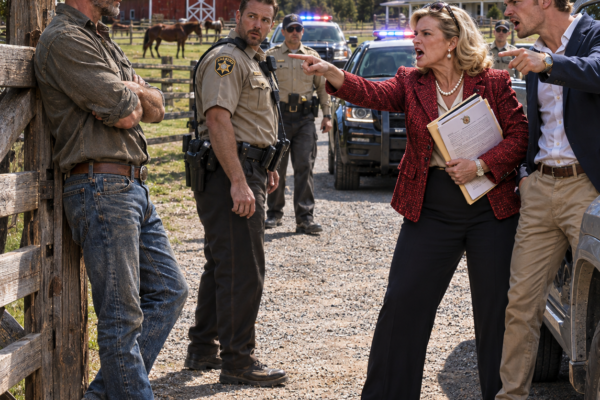
PART 2: HOA President Called 911 When I Refused Her Free Gas—Then Demanded the Sheriff Arrest Me
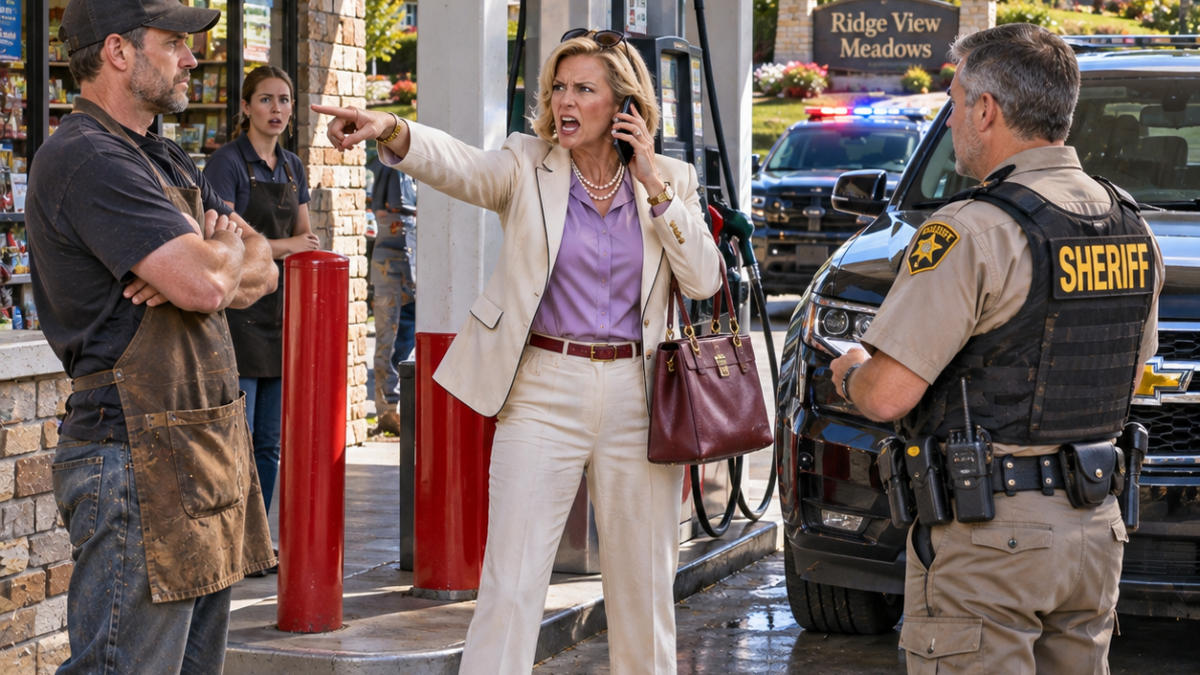
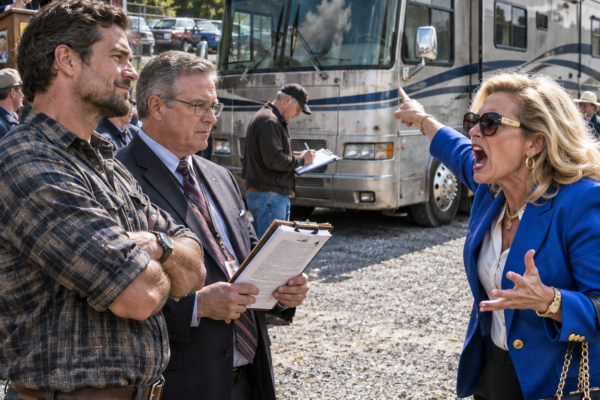
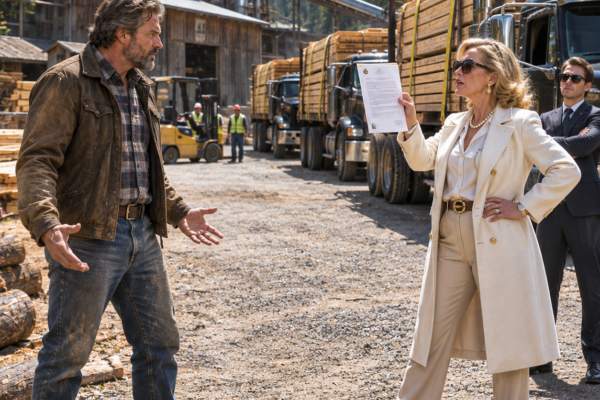
The morning Beverly Lang slapped her designer purse onto my counter at Ridge View Fuel and Supply and ordered me to fill her SUV for free because she was “the HOA president,” I thought I was dealing with another entitled customer, right up until she pulled out her phone and dialed 911 when I told her the same rule applied to everyone: pay first, then pump.
Within minutes she was standing beside pump four, shouting that I was denying “essential services” to Ridge View Meadows residents and demanding that the sheriff arrest me, while my coworker Tessa stared through the window like she was watching a traffic accident unfold in slow motion.
What made me stop finding any of it funny was the look on Beverly’s face when the patrol car turned into the lot—she wasn’t embarrassed, nervous, or afraid of being exposed; she looked relieved, as though calling the police was simply another power she expected her HOA title to give her.
My name is Mark Dawson, and I had worked the morning shift at Ridge View Fuel and Supply for almost eight years.
The station sat just outside the entrance to Ridge View Meadows, one of those carefully landscaped neighborhoods where residents seemed to argue about mailbox height, lawn color, and whether a garden hose could be visible from the street. We weren’t part of the HOA. We were a private business on commercial property. That distinction had never seemed important until Beverly walked in.
That station wasn’t glamorous, but it mattered to me. I knew the contractors who stopped before dawn, the retirees who bought the same coffee every morning, and the parents who came in half-awake after school drop-off. I took pride in keeping things simple: treat everyone the same, don’t argue unless you have to, and never create a problem at a gas pump that could become a safety issue. Tessa called that my “boring man code.” Most days, boring worked perfectly.
Before that morning, I knew Beverly mostly by reputation.
She was the president of the Ridge View Meadows HOA, a woman who carried a clipboard like a badge and spoke to people as though every conversation was already a hearing she intended to win. Residents complained about fines for tiny things. Employees at our store knew she expected special treatment.
But even I wasn’t prepared for this.
“Pump four,” she said after marching to the register. “Fill it. Full tank. Charge it to the HOA.”
I looked at the screen.
“We don’t have an HOA account.”
Her sunglasses slid slightly down her nose.
“Excuse me?”
“You’ll need to pay first.”
Behind the coffee counter, Tessa suddenly became very interested in wiping the same spot twice.
Beverly leaned closer.
“Do you know who I am?”
“Yes, ma’am.”
“I’m president of Ridge View Meadows.”
“That still doesn’t create a fuel account.”
Her face tightened.
“This station serves our neighborhood.”
“We serve anyone who pays for gas.”
“You are refusing service to an HOA officer.”
“I’m asking you to pay.”
A regular named Mrs. Butler, standing near the lottery display, muttered, “Sounds reasonable to me.”
Beverly ignored her.
Then she pulled out her phone and aimed it at me.
“This is discrimination.”
“No. It’s twenty-three gallons of mid-grade.”
“You’re hostile.”
“Tessa, am I being hostile?”
Tessa glanced up. “Painfully calm.”
Beverly spun toward the door.
“I’m calling the police.”
I thought she was bluffing.
She wasn’t.
Outside, she dialed 911 and began pacing beside her SUV.
“Yes, I need an officer immediately,” she said loudly enough for us to hear through the glass. “A business is denying essential services to HOA residents.”
Tessa slowly set down the coffee pot.
“Mark.”
“I know.”
“No, I mean really. She called 911 over gasoline.”
Beverly kept talking.
Then she pointed through the window at me.
“And the employee is aggressive. I want him arrested.”
Mrs. Butler stared at me.
“For what?”
“I have no idea.”
Fifteen minutes later, a patrol vehicle rolled into the lot.
Sheriff Cole Warren stepped out, adjusted his hat, and looked first at Beverly, then at me, then at the untouched pump four.
Beverly rushed toward him.
“Officer, thank God. Arrest that man.”
Cole didn’t move.
He looked at her SUV.
Then at the pump.
Then he asked one question.
“Ma’am, did you pay for the gas?”
Beverly lifted her chin.
And the answer she gave him was so confident that even Tessa stopped smiling.
PART 2
“No,” Beverly said. “But HOA residents shouldn’t have to.”
Nobody spoke.
Not me.
Not Tessa.
Not Mrs. Butler.
Sheriff Cole stared at Beverly for several seconds, as if he genuinely needed time to make sure he had heard her correctly.
Finally he said, “I’m sorry?”
Beverly pointed at the station.
“This business benefits from our neighborhood. Our residents buy gas here. We buy food here. We support this place financially. As president, I am conducting HOA business, so fuel used for HOA purposes should be treated as a community service.”
Cole looked toward me.
I raised both hands.
“I told her we don’t have an HOA account. That’s it.”
“He humiliated me,” Beverly said.
“How?”
“He refused service.”
“I offered service.”
I pointed toward the register.
“She refused payment.”
Beverly’s voice climbed.
“Because I am not paying personally for HOA fuel.”
Cole rubbed a hand across his jaw.
“Then the HOA can reimburse you.”
“That is not the arrangement.”
“What arrangement?”
She hesitated.
“The arrangement between Ridge View Meadows and businesses that serve our community.”
Cole looked at me.
“Do you have an arrangement?”
“No.”
“Ever had one?”
“No.”
Tessa called from the doorway, “We don’t even have an HOA discount.”
Beverly spun toward her.
“Nobody asked you.”
Cole raised his voice slightly.
“Ma’am.”
She turned back.
“You called 911.”
“Yes.”
“You reported that an employee was denying essential services and behaving aggressively.”
“He was.”
Cole looked at me.
“Did you threaten her?”
“No.”
“Touch her?”
“No.”
“Prevent her from leaving?”
“No.”
Mrs. Butler stepped closer.
“I saw the whole thing.”
Beverly glared.
Mrs. Butler ignored her.
“He told her to pay. She threw a fit.”
“Tessa?”
“Same.”
Cole looked toward the security camera above the door.
“Working?”
I nodded.
“Audio too?”
“Inside the store, yes.”
Beverly’s face changed.
It was subtle.
Just enough.
Cole noticed.
“So we can review it.”
“This is becoming ridiculous,” she said.
“I agree.”
She smiled.
Then realized he wasn’t agreeing with her.
Cole took out his notebook.
“Did you knowingly call 911 because a private business wouldn’t give you gasoline without payment?”
Beverly crossed her arms.
“I called because of discrimination.”
“Based on what protected characteristic?”
“HOA membership.”
Cole paused.
“HOA membership is not a protected class.”
“It should be.”
Tessa made a choking sound from the doorway.
I knew she was trying not to laugh.
Cole looked at Beverly again.
“Did anyone prevent you from purchasing gasoline?”
“No.”
“Were you told you could buy gasoline if you paid?”
“Yes, but—”
“Then you were not denied service.”
“You’re twisting my words.”
“I’m clarifying them.”
Her face reddened.
“I demand that you arrest him.”
“For what crime?”
“Discrimination. Harassment. Refusal of essential community services.”
Cole closed his notebook.
“No.”
Beverly blinked.
“No?”
“No.”
She looked genuinely shocked.
“You don’t understand who I am.”
Cole sighed.
“I know exactly who you are, Beverly.”
That sentence told me they had met before.
She heard it too.
“Then you understand the authority I have.”
“Inside Ridge View Meadows, your board has whatever authority your governing documents lawfully give it.”
She pointed at our pumps.
“And this station serves Ridge View Meadows.”
Cole looked around the parking lot.
“This station is not located inside your HOA.”
“That is technical.”
“No. That is geography.”
Mrs. Butler laughed.
Beverly snapped toward her.
“You think this is funny?”
Mrs. Butler shrugged.
“A little.”
Cole stepped between the conversation.
“Beverly, I’m giving you a citation for misuse of emergency services.”
Her mouth fell open.
“You’re citing me?”
“Yes.”
“For calling for help?”
“For using 911 to pressure a business into giving you free gasoline after there was no emergency.”
“I felt threatened.”
“By the price of gas?”
Tessa disappeared inside.
Her shoulders were shaking.
Beverly pointed at me.
“This is his fault.”
I finally answered.
“I didn’t make you call 911.”
“You provoked me.”
“I asked you to pay.”
“You embarrassed me in front of customers.”
“I treated you exactly like every other customer.”
That was apparently the worst thing I could have said.
Because Beverly didn’t want equal treatment.
She wanted recognition.
Her face hardened.
“This business will regret how it treated Ridge View Meadows.”
Cole looked up from writing the citation.
“Is that a threat?”
“No.”
She snatched the paper from his hand.
“It’s a warning.”
Then she got into her SUV.
I thought the matter was finally over.
She sat behind the wheel for perhaps thirty seconds.
Then marched back inside.
Tessa had returned to the coffee counter.
Beverly pointed at me.
“One last chance.”
“For what?”
“Authorize pump four.”
“No.”
She stared at me.
“You would rather lose the entire Ridge View Meadows customer base over twenty-three gallons of gasoline?”
“This isn’t about twenty-three gallons.”
“What is it about?”
“You don’t get to walk into a private business and declare yourself exempt from paying.”
Her jaw clenched.
“We’ll see.”
She left.
The SUV peeled out hard enough to make Cole step aside.
He watched her disappear toward Ridge View Meadows.
Then he looked at me.
“Save the footage.”
“I was planning to.”
“All of it.”
That made me uneasy.
“You think she’ll come back?”
Cole gave me the tired expression of a man who knew Beverly better than I did.
“I think she has trouble accepting the word no.”
He left.
Tessa leaned against the counter.
“Well.”
I looked at her.
“What?”
“You just became Beverly Lang’s new hobby.”
“I preferred being ignored.”
“So did the previous hobby.”
“What was that?”
“Mrs. Grant’s wind chimes.”
I stared at her.
“She fought wind chimes?”
“Three HOA meetings.”
Mrs. Butler walked out with her scratch-off tickets.
“Good luck, Mark.”
“Why does everybody keep saying things that make me feel worse?”
She smiled.
“Because you’re going to need it.”
For the rest of that morning, nothing happened.
At noon, I started believing Cole’s citation might have been enough.
By closing, I had convinced myself Beverly had probably gone home, complained to her husband, posted something dramatic online, and moved on.
I was wrong on all three counts except the online part.
The next morning, I pulled into work at 5:45 and found a poster taped across the glass door.
**BOYCOTT RIDGE VIEW FUEL**
Underneath:
**JUSTICE FOR HOA RESIDENTS**
The words had been written in red glitter marker.
I stood there holding my keys.
Tessa unlocked the door from inside.
“Before you ask, I didn’t put that there.”
“Who opened?”
“I did.”
“When did it appear?”
“Between 5:05 and 5:25.”
“You saw anyone?”
“White SUV drove past twice.”
I stared at the sign.
“Of course.”
Tessa pulled it off carefully.
“Want it?”
“No.”
“I think it’s collectible.”
“Trash.”
“History deserves preservation.”
“Trash, Tessa.”
She grinned and folded it behind the counter anyway.
Inside, she handed me her phone.
“Also, you’re famous.”
On the screen was a Facebook livestream.
Beverly stood at the entrance of Ridge View Meadows wearing sunglasses and holding a megaphone.
Behind her were four women carrying signs.
**STOP BUSINESS DISCRIMINATION**
**HOA RESIDENTS DESERVE RESPECT**
**NO MORE GAS SHAME**
I read the last one twice.
“Gas shame?”
Tessa nodded solemnly.
“Tragic social issue.”
Beverly spoke into the camera.
“Yesterday, the president of Ridge View Meadows was denied basic services by a hostile business employee who targeted me because of my community affiliation.”
I closed my eyes.
“She left out the part where she refused to pay.”
“That ruins the speech.”
Comments were scrolling beneath the video.
Some supported her.
Most were laughing.
One person wrote:
**Didn’t Sheriff Cole cite you for abusing 911?**
The comment disappeared.
“She’s deleting anything inconvenient,” I said.
“Of course.”
Another comment:
**Why should the HOA get free gasoline?**
Deleted.
Then:
**Pay for your gas, Beverly.**
Deleted.
The livestream suddenly looked much more supportive after she removed everyone who disagreed.
“That’s one way to win an argument,” I said.
“Remove the audience.”
By seven, customers began arriving.
Some were regulars.
Others had clearly come because of the video.
A woman wearing a Ridge View Meadows visor spent five full minutes pretending to examine windshield washer fluid while filming me.
I finally said:
“Can I help you?”
She nearly dropped her phone.
“No.”
“You’ve been comparing the same two bottles for a while.”
“I’m checking viscosity.”
“That’s washer fluid.”
She left.
A man bought chips and whispered:
“I heard you hate HOA residents.”
“I hate unpaid transactions.”
He nodded like I had shared profound wisdom.
Another customer asked whether we really refused to serve “community leadership.”
I explained the truth.
He laughed.
“So she wanted free gas.”
“Yes.”
“That’s it?”
“That’s it.”
He looked disappointed.
Apparently, reality wasn’t dramatic enough.
By nine, the parking lot had become a destination.
People slowed to look.
Teenagers recorded Beverly’s protest from across the road.
Someone brought a folding chair.
A local landscaper bought coffee, parked his truck where he could see everything, and told me:
“Best entertainment this town’s had since the water tower incident.”
I didn’t ask about the water tower.
I was working.
At ten, two men walked inside wearing cheap suits and plastic badges clipped to lanyards.
The taller one said:
“We are representatives of the Community Consumer Protection Agency.”
Tessa looked up.
“No, you’re not.”
The man ignored her.
“We are investigating allegations of discriminatory fuel practices.”
I folded my arms.
“Which government agency are you with?”
“The Community Consumer Protection Agency.”
“Federal?”
“No.”
“State?”
“Community.”
“What does that mean?”
The shorter man looked at his partner.
The taller one said:
“We represent consumer interests.”
“Who sent you?”
“That information is confidential.”
Tessa asked:
“Beverly?”
Neither answered.
That answered it.
The taller man pulled out a clipboard.
“We require access to your service policies, cashier training documentation, complaint records, fuel authorization protocols, and community compliance forms.”
“There are no community compliance forms.”
“That itself may be a violation.”
“Of what?”
“Community economic fairness standards.”
Tessa’s face became completely serious.
“Oh.”
I looked at her.
That tone was dangerous.
She reached under the register and pulled out a sheet of paper.
It was an old inventory form.
She placed it carefully on the counter.
“Unfortunately, before we can release compliance documents, independent community inspectors must complete the ceremonial verification process.”
The men stared.
“What process?”
Tessa kept a straight face.
“The duck certification.”
I put one hand over my mouth.
The shorter man frowned.
“Duck certification?”
“Yes.”
“What is that?”
“You flap your arms, walk in a circle, and quack three times.”
I turned away.
The taller man became angry.
“You’re mocking us.”
Tessa widened her eyes.
“I’m shocked you’d accuse me of that.”
Mrs. Butler happened to be at the lottery counter again.
She started laughing.
The men looked around.
A customer had begun recording.
Their confidence collapsed.
“We’ll check with our supervisor.”
“Please do.”
They hurried out.
Tessa leaned against the counter, finally laughing.
“You’re going to get us sued,” I said.
“By the Community Consumer Protection Agency?”
“Good point.”
The joke lasted until eleven.
Then Bradley Knox arrived.
Bradley was the district manager.
My boss’s boss.
He entered carrying printed emails.
His face was red.
“What the hell is happening?”
Tessa looked at me.
I said:
“Good morning.”
“Do not good-morning me, Mark.”
He slapped the pages onto the counter.
“The Chamber of Commerce called. Corporate called. Insurance called. I’ve got board members from some HOA demanding meetings. This station is all over social media.”
“Because I asked a customer to pay for gas.”
“That’s not what they’re saying.”
“I have video.”
Bradley looked through the window at the protesters.
One woman had a megaphone.
Another had a sign.
A third was handing out flyers.
“I don’t care who started it.”
That hurt.
“You should.”
“I care about this ending.”
“So do I.”
“Then fix it.”
“How?”
“I don’t know. Talk to her.”
“I already did.”
“Compromise.”
“With what?”
Bradley rubbed his forehead.
“I don’t care.”
I stared at him.
“You want me to give her free gas?”
“I didn’t say that.”
“You said compromise.”
“Offer a discount.”
“Why?”
“To calm things down.”
I felt anger rise.
“Then every customer who screams loudly enough gets a discount?”
“That’s not what I mean.”
“That’s exactly what it means.”
His expression changed.
“Watch your tone.”
I lowered my voice.
“Bradley, Sheriff Cole cited her for misusing 911. The security footage shows everything. I followed company policy.”
“And now our reputation is getting dragged through town.”
“Because she lied.”
“Perception matters.”
“So does rewarding extortion.”
He leaned closer.
“If this keeps escalating, I may suspend you until things cool down.”
For a second, I couldn’t answer.
I had worked there almost eight years.
Never been written up.
Never missed a shift without calling.
Covered holidays.
Worked storms.
Stayed late when pumps failed.
And now I could be suspended because a woman refused to swipe her credit card.
“You’d suspend me?”
“Temporarily.”
“For following policy.”
“For being at the center of a public incident.”
“I didn’t put myself there.”
“Life isn’t always fair, Mark.”
Then he walked out.
The door shut behind him.
I stood behind the register with both hands flat against the counter.
Tessa didn’t joke.
That was how I knew she understood.
After a while, she came over.
“You okay?”
“No.”
“Want me to insult Bradley?”
“Later.”
“Fine.”
I stared through the window at Beverly.
She was giving another speech.
I said:
“This could cost me my job.”
Tessa took a slow sip of coffee.
“Then we stop treating this like a customer complaint.”
“What does that mean?”
“We document everything.”
“We already have video.”
“Not just video.”
She counted on her fingers.
“Security footage. Cole’s report. 911 record. Screenshots of Beverly deleting comments. Protest signs. Fake inspectors. Your company policy. Her statements that the HOA gets free fuel.”
“And then?”
“We let people who actually have authority see it.”
“Cole already has.”
“My cousin works in the mayor’s office.”
I turned.
“You have a cousin in the mayor’s office?”
“You’ve known me six years and never asked.”
“Why would I ask?”
“Exactly.”
I shook my head.
“What is your plan?”
“No tricks.”
“That sentence from you concerns me.”
“Evidence.”
She tapped the counter.
“If Beverly wants to turn this into a public event, fine. Public events work both ways.”
“You’re suggesting we invite the mayor to a gas-station protest.”
“I’m suggesting the mayor should know why a major intersection is being blocked by people claiming a neighborhood association has jurisdiction over private businesses.”
That sounded less ridiculous when she said it that way.
“Will he come?”
“Maybe.”
“Tessa.”
“What?”
“Don’t tell him there’s a civil-rights emergency.”
She looked away.
“Tessa.”
“I might have already texted my cousin.”
I closed my eyes.
“What did you say?”
“That Ridge View Meadows is protesting economic oppression.”
“Fantastic.”
“He replied with three question marks.”
“That’s probably not good.”
Then somebody outside started chanting.
We both looked.
Beverly had acquired a second megaphone.
“No more gas discrimination!”
The crowd repeated it badly.
Tessa sighed.
“Actually, three question marks feels appropriate.”
We spent the afternoon saving everything.
I downloaded the security footage.
Created backups.
Saved Beverly’s livestreams.
Photographed the signs.
Requested a copy of company fuel policy from Bradley’s office.
Tessa wrote down times.
Mrs. Butler agreed to make a statement about what she witnessed.
Sheriff Cole called.
“Mark.”
“Sheriff.”
“Beverly filed another complaint.”
“About?”
“Claims your security cameras are illegally surveilling HOA residents.”
“They point at our parking lot.”
“I know.”
“Anything else?”
“She also claims you’re causing emotional harm.”
I looked at Tessa.
“She wants damages because I asked her to pay?”
“I’m not her attorney.”
“Thank God.”
Cole paused.
“Document everything.”
“Everybody keeps saying that.”
“Because you’re dealing with somebody who edits reality whenever it inconveniences her.”
That sentence stayed with me.
The next morning, three HOA board members arrived.
Matching polo shirts.
Clipboards.
One had a mustache so perfectly straight it looked drawn on.
They didn’t enter immediately.
They photographed the pumps.
The garbage cans.
The security cameras.
The air machine.
Even our ice freezer.
Tessa waved through the window.
Nobody waved back.
Finally, Mustache came inside.
“Mr. Dawson?”
“Yes?”
“We are serving a Ridge View Meadows community standards violation.”
I stared at him.
“For what?”
“Refusal of service to HOA residents.”
“This business isn’t in your HOA.”
“That is not relevant.”
“It seems extremely relevant.”
He pushed the clipboard toward me.
“Sign here acknowledging receipt.”
“No.”
His expression hardened.
“Failure to sign will be noted.”
“Note it.”
“This will be escalated.”
“To whom?”
“The board.”
I looked outside.
“Aren’t you the board?”
He ignored that.
Tessa leaned over the counter.
“Sir, with respect, you’re wearing Skechers and a polo shirt. You’re not law enforcement.”
His mustache nearly twitched off his face.
“This kind of hostility is exactly what we’re documenting.”
“I haven’t said anything hostile.”
He pointed his pen at me.
“You’re creating an unsafe environment for HOA residents.”
“How?”
“You refused fuel.”
“I refused free fuel.”
“Same event.”
“Very different event.”
He stormed out.
Five minutes later, Beverly arrived.
Not alone.
Two SUVs followed.
Then another.
Her protest had grown.
Professional signs now replaced the glitter cardboard.
**STOP BUSINESS DISCRIMINATION**
**RESTORE HOA RIGHTS**
**RIDGE VIEW RESIDENTS DESERVE FAIR SERVICE**
A teenager across the road shouted:
“Pay for your gas!”
People laughed.
Beverly raised the megaphone.
“This business has engaged in targeted harassment against Ridge View Meadows!”
I stepped away from the window.
I was tired.
Not angry anymore.
Tired.
Every hour of my workday was being consumed by somebody else’s obsession.
Tessa came beside me.
“You don’t look good.”
“Bradley hasn’t called.”
“That’s good.”
“Or corporate told him to wait.”
She glanced outside.
“You did nothing wrong.”
“Doesn’t mean I can’t get suspended.”
That was the part nobody at the protest cared about.
For Beverly it was a performance.
For me it was rent.
Health insurance.
Groceries.
Eight years of work.
A reputation I’d spent years building.
Around noon, Sheriff Cole returned.
The protesters murmured as he stepped out.
Beverly rushed toward him.
“Sheriff, I’m glad you’re here.”
He looked at the signs.
“What now?”
“This business is continuing discriminatory practices.”
“Did you try to buy gas again?”
“That isn’t the issue.”
“It was yesterday.”
“This is bigger.”
“How?”
She lifted her megaphone.
Cole gently pushed it away from his face.
“Please don’t.”
Beverly continued without amplification.
“This business is targeting our residents.”
Cole looked through the window at me.
Then back.
“How many residents were refused service?”
Silence.
“Well?”
She gestured around.
“We’re standing in solidarity.”
“That wasn’t my question.”
One of her supporters whispered something.
Beverly snapped:
“Do not undermine me.”
Cole heard.
“So only you?”
“I represent everyone.”
“That also wasn’t my question.”
Then another vehicle arrived.
Black SUV.
Clean.
Official city plate.
Tessa looked outside.
“Oh.”
“What?”
“He came.”
“Who?”
She pointed.
Mayor Daniel Huxley stepped out.
I stared at her.
“You actually got the mayor.”
“My cousin apparently told his chief of staff that the protest was blocking traffic.”
“You told me your cousin worked in the mayor’s office.”
“He does.”
“What does he do?”
“Chief of staff.”
I turned slowly.
“You left out an important detail.”
“You never asked.”
Mayor Huxley walked toward the crowd.
He didn’t look thrilled.
Beverly immediately lowered the megaphone and changed posture.
“Mayor Huxley, thank goodness.”
He raised one hand.
“Beverly.”
“We have a serious problem.”
“Yes.”
She smiled.
Then realized he was looking at the traffic backup.
She continued.
“This business has systematically discriminated against Ridge View Meadows residents.”
The mayor glanced toward Cole.
Cole gave him a small head shake.
Beverly spoke for almost five minutes.
Essential services.
Community rights.
Hostile treatment.
Economic discrimination.
Cultural disrespect.
Public safety.
By the time she finished, I almost wondered whether I had accidentally invaded a country.
Mayor Huxley listened.
Then asked:
“Did you pay for the gasoline?”
The crowd went quiet.
Beverly’s expression hardened.
“That isn’t relevant.”
“It appears to be the entire reason this started.”
“The greater issue—”
“Beverly.”
He didn’t raise his voice.
That made everyone listen.
“This station is privately operated. It is not part of Ridge View Meadows. Your HOA has no authority over this property.”
“We have economic influence.”
“You have customers.”
“That creates responsibility.”
“Not an obligation to give you free products.”
A few people laughed.
Beverly pointed toward me through the window.
“He humiliated me.”
Mayor Huxley looked at me.
I stepped outside.
He asked:
“Mr. Dawson?”
“Yes, sir.”
“Did you refuse to sell Ms. Lang gasoline?”
“No.”
“What did you tell her?”
“Pay before pumping, same as everyone.”
“You offered to sell?”
“Yes.”
“Any discount promised?”
“No.”
“Any HOA account?”
“No.”
He looked at Beverly.
She folded her arms.
“This is a coordinated attack.”
“By whom?”
“The sheriff. The gas station. The city.”
The mayor blinked.
“Why would the city coordinate to stop you from obtaining free gasoline?”
She had no answer.
A man across the street yelled:
“Because Big Gas fears Beverly!”
The crowd burst out laughing.
Even I smiled.
Beverly didn’t.
“Everyone thinks this is funny.”
Mayor Huxley shook his head.
“No. The part that isn’t funny is tying up emergency services, blocking a business, and convincing residents that your HOA rules apply beyond your legal jurisdiction.”
“I am protecting my community.”
“From paying retail prices?”
Her cheeks reddened.
Then Mayor Huxley did something I hadn’t expected.
He began listing previous complaints his office had received involving Ridge View Meadows.
A threatened dispute over seasonal wreaths.
Complaints about sidewalk chalk.
A demand involving wind chimes.
An attempted rule about noise outside the association boundary.
Questions about whether her board could regulate neighboring properties that weren’t members.
He wasn’t revealing private information.
He was describing issues that had already reached city offices.
Beverly looked stunned.
“You’ve been keeping files on me?”
“The city keeps records on complaints.”
“That is intimidation.”
“It is administration.”
Cole looked away, hiding a smile.
Then Mayor Huxley said:
“Your position as HOA president does not make you a public official.”
Beverly’s expression changed.
“You don’t get to say that.”
“I absolutely do.”
“This community elected me.”
“Then your authority comes from your HOA documents and state law. Not from city government. Not from this sheriff’s office. And certainly not from a gas station.”
People behind Beverly began lowering their signs.
One woman folded hers in half.
Another looked embarrassed.
Beverly noticed.
“Don’t let them intimidate you.”
Nobody responded.
She lifted the megaphone.
Cole stepped forward.
“No.”
“I have a right to speak.”
“You do. You do not have a right to block access or amplify sound in a way that creates a traffic hazard after being instructed to stop.”
“You’re silencing me.”
“I’m clearing the entrance.”
The protest had spread across part of our parking area.
Two pumps were difficult to reach.
A delivery truck couldn’t turn in.
Cole told everyone to move back to the sidewalk.
Most complied immediately.
Beverly didn’t.
“Stay where you are!”
Her supporters looked at one another.
Nobody listened.
That was the first visible crack.
Then an older HOA board member stepped toward Cole.
His name was Henry Walsh.
I knew him vaguely.
He sometimes bought coffee before dawn.
Quiet guy.
Always looked tired.
“Sheriff?”
“Yes?”
Henry glanced at Beverly.
Then lowered his voice.
“I don’t believe the board approved this protest.”
Beverly spun.
“Henry.”
He stiffened.
She pointed.
“Do not.”
Cole asked:
“Did the HOA board authorize today’s event?”
Henry swallowed.
“No.”
Beverly marched toward him.
“I am president. I can act on behalf of the board.”
Henry stepped back.
“Not on things like this.”
“Yes, I can.”
“We never voted.”
“I didn’t need a vote.”
Another board member said:
“Yes, you did.”
Beverly looked at her.
“Carol, stay out of this.”
Carol shook her head.
“No.”
Something changed in the crowd.
It wasn’t about me anymore.
It was about years of Beverly telling people what they were allowed to question.
Henry straightened.
“You told us the gas station had refused service to HOA residents.”
“It did.”
“No. It refused you free gas.”
“I was on association business.”
“You never told us that.”
Beverly’s voice rose.
“It doesn’t matter.”
Henry looked around.
“It matters to me.”
A woman behind him called:
“She told us there’d been a safety incident.”
Someone else said:
“She told me he threatened her.”
Another voice:
“She said there was almost an explosion.”
Cole turned.
“An explosion?”
Beverly froze.
The woman who had spoken looked confused.
“She said there was an explosive confrontation.”
Beverly snapped:
“That’s a figure of speech.”
“You told me emergency services had been involved,” the woman said.
“They were.”
“Because you called them.”
Murmurs spread.
Beverly raised the megaphone.
“Everybody stop talking.”
Nobody stopped.
Henry turned toward her.
“You fined me last year for a bird feeder.”
“That was a design violation.”
“It was brown.”
“Wrong brown.”
A man near the curb shouted:
“You fined me because my garage door stayed open fourteen minutes.”
Carol added:
“You tried to fine the Martins for their granddaughter’s sidewalk chalk.”
“That was temporary marking on a common surface.”
Mayor Huxley stepped back.
At this point, the HOA was holding its own hearing.
Beverly climbed onto the curb.
“Listen to me!”
People kept talking.
Years of tiny frustrations came pouring out.
Fines.
Warnings.
Letters.
Unnecessary inspections.
Threats.
Rules announced before board votes.
Meetings where Beverly dominated every conversation.
I stood beside Tessa.
She whispered:
“This got bigger than gasoline.”
“Apparently.”
Beverly looked around desperately.
“I am the HOA president.”
Henry’s expression changed.
For the first time, he didn’t look tired.
He looked angry.
“No.”
She stared.
“You represent yourself.”
Silence.
Henry continued.
“You never asked us about this protest. You never asked us about those signs. You told us Mark discriminated against you. You never told us you refused to pay.”
Beverly’s face went pale.
“Henry.”
“And I’ve been asking for the financial reports for three months.”
That sentence cut through everything.
Beverly stopped.
Carol looked at him.
“What financial reports?”
Beverly immediately said:
“This isn’t the place.”
Henry looked at her.
“Exactly. Yet you brought the HOA here.”
She gripped her clipboard.
“That has nothing to do with this.”
“Maybe.”
His voice was calm.
“But we’re going to discuss it.”
Beverly pointed at me.
“You see what you’ve done?”
I stared at her.
“I asked you to pay for gas.”
She shook her head.
“No. You embarrassed me.”
“No, Beverly.”
I surprised myself with how calm I sounded.
“You embarrassed yourself.”
Sheriff Cole approached.
“Ms. Lang, you’re being issued another citation related to obstruction and continued misuse of public resources connected to these complaints.”
Her eyes widened.
“You’re citing me again?”
“Yes.”
“This is political retaliation.”
“No.”
He held out the document.
“It’s consequences.”
She refused to take it.
He placed it on her clipboard.
Then Mayor Huxley spoke loud enough for everyone.
“For the record, I have reviewed the basic facts supplied by law enforcement. Ridge View Fuel and Supply did nothing improper by requiring payment before dispensing fuel. HOA membership does not create a right to free goods or services.”
I felt my shoulders loosen.
Not because I needed the mayor to tell me I was right.
Because Bradley might hear it.
Corporate might hear it.
The people filming certainly heard it.
Then Henry said:
“I am calling for an emergency board meeting tonight.”
Beverly’s head snapped toward him.
“For what?”
“A vote of no confidence.”
“You can’t.”
“Our bylaws say we can.”
“I am the president.”
“You’re not above the bylaws.”
People began clapping.
Not everyone.
Enough.
Beverly looked at the faces around her.
The same people who had shown up carrying signs because they trusted her.
Now many wouldn’t meet her eyes.
Her clipboard slipped.
Hit the pavement.
For a moment, the entire angry performance vanished.
She looked frightened.
Then rage came back.
“I will sue every single one of you.”
Nobody answered.
She turned.
Ran toward her SUV.
Actually ran.
The door slammed.
The engine started.
She reversed hard.
A glossy protest sign that had been resting on her hood slid off and fluttered onto the asphalt.
Then Beverly was gone.
The crowd slowly dissolved.
People folded chairs.
Collected signs.
Some left without looking at me.
Some came inside.
One woman approached the counter.
“I’m sorry.”
“You don’t owe me anything.”
“I posted that you should be fired.”
I paused.
“Oh.”
She looked ashamed.
“Beverly told us you called her a name and refused to serve anyone from Ridge View.”
“I didn’t.”
“I know now.”
She deleted the post in front of me.
Another man bought coffee.
Then said:
“Sorry for being an idiot.”
Tessa smiled.
“We accept cash, card, and apologies.”
He laughed.
The rest of the afternoon felt like the aftermath of a storm.
Trash in the parking lot.
A few abandoned signs.
People talking in low voices.
My phone wouldn’t stop buzzing.
Bradley called.
“Mark.”
“Yes?”
“I saw the video.”
“Which one?”
“All of them, apparently.”
I waited.
He sighed.
“I owe you an apology.”
That was not what I expected.
“You threatened to suspend me.”
“I know.”
“I followed company policy.”
“I know.”
“And you told me to fix a situation I didn’t create.”
A pause.
“Yes.”
I let him sit with it.
Then he said:
“Corporate reviewed the security footage.”
“And?”
“They agree you handled it correctly.”
“Good.”
“They also asked me why I suggested giving an HOA president a discount to make a protest disappear.”
I almost smiled.
“What did you tell them?”
“That it was a poor judgment call.”
“That’s one way to describe it.”
“Mark.”
“I’m listening.”
“You’re not being suspended.”
“I figured.”
“And the company is issuing you a bonus for handling a public confrontation professionally.”
That surprised me.
“I don’t need a bonus.”
“Told them you’d say that.”
“I’ll take it.”
Bradley laughed once.
“Good job.”
Not exactly poetry.
From Bradley, it was practically an emotional confession.
Tessa waited until I hung up.
“Well?”
“No suspension.”
She raised both fists.
“Victory.”
“Bonus.”
She gasped.
“Dinner.”
“Why?”
“I emotionally supported you.”
“You performed a duck dance.”
“That kind of morale work isn’t free.”
I laughed.
For the first time since Beverly had walked through our door, I laughed without feeling like something worse was waiting five minutes away.
That evening, Mrs. Helens came in.
She was in her seventies and lived in Ridge View Meadows.
Every Wednesday she bought a diet soda and two scratch-off tickets.
That day she carried flowers.
“For you and Tessa.”
I stared.
“You don’t have to do that.”
“Yes, I do.”
She placed them on the counter.
“I didn’t join the protest.”
“I know.”
“I watched it.”
Tessa said:
“We all did.”
Mrs. Helens smiled.
“Beverly has been a problem for years.”
Then the smile disappeared.
“She wasn’t always like that.”
That caught me.
“What do you mean?”
“When she first joined the board, she worked hard. Organized storm cleanup. Helped older residents. Fought a developer over drainage problems.”
“So what happened?”
Mrs. Helens thought about it.
“People started thanking her.”
I frowned.
“That’s bad?”
“No. But I think she liked being needed.”
She looked toward Ridge View Meadows.
“Then being needed became being obeyed.”
That sentence changed how I saw Beverly.
Not enough to excuse anything.
Enough to make her more human.
Mrs. Helens squeezed my hand.
“You did something many of us should have done earlier.”
“What?”
“Said no.”
Then she left.
That night, Ridge View Meadows held its emergency meeting.
I wasn’t there.
I learned what happened the next afternoon from Richard Lawson, the man elected interim president after the board removed Beverly.
He walked into the station wearing a suit and carrying an envelope.
Tessa saw him.
“Please tell me you’re not here for free gas.”
He laughed.
“No.”
“Then welcome.”
He shook my hand.
“Mark Dawson?”
“Yes.”
“Richard Lawson. Interim president of Ridge View Meadows.”
My stomach tightened automatically.
He noticed.
“I understand why that title may not be comforting right now.”
“Little bit.”
He handed me the envelope.
“This is a formal apology from the board.”
I opened it.
The letter acknowledged that Beverly had acted without authorization when she demanded special fuel treatment, organized the protest, and attempted to issue purported community violations against the station.
It also stated clearly that Ridge View Fuel and Supply was not subject to HOA authority.
I looked up.
“She was removed?”
“Last night.”
“Unanimous?”
“Almost.”
“What happens now?”
“We’re conducting an audit.”
“Because Henry mentioned financial reports?”
Richard’s expression tightened.
“Yes.”
Tessa leaned closer.
“What are you expecting to find?”
“I don’t know.”
“That sounded like you do.”
Richard gave her a tired smile.
“Let’s say there are enough questions that the board hired an outside accountant.”
“Questions about what?”
“Expenses. Fines. Vendor payments. Reimbursements. Purchases made without clear board approval.”
“Beverly?”
“Yes.”
I thought about the woman demanding free gasoline.
“Did she try to charge the gas to the HOA because she was actually doing HOA business?”
Richard looked embarrassed.
“There was no authorized HOA business that morning.”
“So she wanted the association to pay for her personal fuel.”
“That appears to be the case.”
There it was.
The original argument suddenly looked different.
Not just entitlement.
Habit.
Beverly had grown accustomed to turning personal wants into association expenses.
Richard continued.
“We’re also reviewing fines she imposed without proper votes.”
“Can she do that?”
“Not under our bylaws.”
“Then why did everyone let her?”
His answer was painfully simple.
“Because most people didn’t read them.”
Tessa looked at me.
Mrs. Helens had been right.
Beverly’s greatest weapon wasn’t authority.
It was everybody else’s assumption that she had authority.
Richard offered another handshake.
“We’re rewriting procedures so one person can’t make unilateral decisions like this again.”
“That seems wise.”
“And we’re sorry.”
“For what?”
“For letting our internal problem become yours.”
I looked toward pump four.
“It got everybody’s attention.”
“Yes.”
He gave a tired laugh.
“That it did.”
I thought the story was finished.
The next morning proved otherwise.
At 9:17, a black pickup pulled in.
A man got out carrying a clipboard.
Tessa watched through the window.
“If that’s another fake agency, I’m upgrading from duck dance to interpretive goose.”
The man entered.
“Morning. Todd Maddox, county code enforcement.”
He showed identification before we asked.
I sighed.
“Beverly?”
He gave me a sympathetic look.
“We received several complaints yesterday.”
“About?”
“Unsafe structures. Fuel-storage violations. Fire-code concerns. Signage. Parking-lot drainage.”
Tessa whispered:
“She discovered the entire municipal code.”
Todd continued.
“I still have to inspect.”
“Go ahead.”
He spent half an hour checking.
Fire extinguishers.
Permits.
Pump clearances.
Emergency shutoffs.
Storage.
Signage.
He even looked at the supply closet.
Then he returned.
“This might be the least exciting inspection I’ve done all year.”
“Good?”
“Very.”
“No violations?”
“None.”
Tessa raised her coffee.
“To boring.”
Todd smiled.
“Between us, we’re familiar with Ms. Lang’s complaints.”
“How familiar?”
He closed the clipboard.
“She once reported a swing set as an unauthorized elevated structure.”
I stared.
“Did it pass?”
“It was a swing set.”
He marked the complaints unfounded.
Then left.
At noon, another man arrived.
This one wore an expensive suit.
Introduced himself as attorney Samuel Trent.
“I represent the Ridge View Meadows Homeowners Association.”
Tessa nearly inhaled her gum.
I said:
“Richard was here yesterday.”
“I know.”
“So why are you here?”
“The board asked me to assess potential civil exposure arising from the recent events.”
“Exposure for whom?”
“The association.”
“Against us?”
“Potentially. Against Ms. Lang. Against other parties.”
My patience disappeared.
“She demanded free gasoline. Called 911. Organized a protest. Your board apologized.”
“I understand.”
“So what are we discussing?”
“Legal risk.”
Tessa crossed her arms.
“Risk created by Beverly.”
“Mostly.”
“Mostly?”
Samuel raised a hand.
“I’m not accusing either of you of misconduct. I’m explaining why I’m gathering statements.”
He placed a card on the counter.
“Ms. Lang has threatened to sue the association for failing to support her official actions.”
I laughed.
“Official?”
“Her word.”
“Was demanding free gas official?”
“No.”
“Was the protest official?”
“No.”
“Were the fake inspectors official?”
His eyebrows lifted.
“What fake inspectors?”
Tessa smiled.
“You’re going to enjoy this part.”
We showed him the security footage.
He watched the two men claim to represent the Community Consumer Protection Agency.
Then Tessa’s duck-dance requirement.
Samuel pressed his lips together.
“Do you know who they are?”
“No.”
“Can you identify them?”
“Beverly probably can.”
He wrote something down.
Then watched the original footage.
Beverly ordering gasoline.
Refusing payment.
Calling 911.
The next day’s protest.
By the end, his professional distance had changed.
He closed the tablet.
“I don’t anticipate the association pursuing any claim against this business.”
“Good.”
“I’ll recommend that position to the board.”
“What about Beverly?”
“She has counsel.”
“Are we being sued personally?”
“Not at present.”
“Could we be?”
“Anyone can file a lawsuit.”
I hated that answer.
He continued.
“Filing one with merit is different.”
Before leaving, he said:
“Keep the originals.”
I almost laughed.
“Everyone says that.”
“Because originals win arguments.”
The audit took nearly two weeks.
During those two weeks, Ridge View Fuel returned mostly to normal.
Mostly.
People still came in because they recognized me.
One teenager asked for a selfie.
I said no.
A local radio host called.
I declined.
Someone created a meme of Beverly’s face on a gas pump with the words:
**INSERT DRAMA TO BEGIN.**
Tessa printed it.
I threw it away.
She printed another.
Bradley started checking on me more often.
Not as a threat.
Almost like guilt had made him attentive.
One afternoon he said:
“I should have backed you immediately.”
I looked at him.
“Yes.”
“I was worried about revenue.”
“I know.”
“That’s my job.”
“Backing employees who follow policy is also your job.”
He nodded.
“Fair.”
I respected him more for not defending himself.
A week later, Richard returned.
No suit this time.
Jeans and a polo shirt.
He looked exhausted.
“Tough week?”
“You have no idea.”
“What did the audit find?”
He glanced around.
No customers nearby.
Then lowered his voice.
“Enough.”
“What does that mean?”
“Beverly used HOA funds for personal expenses.”
“How much?”
“Still being reconciled.”
“Gas?”
Richard almost smiled.
“Yes. Fuel reimbursements are part of it.”
That made me stare.
“So she’d done this before?”
“She submitted mileage and fuel reimbursements without documentation.”
“For HOA business?”
“Some may have been legitimate.”
“Some?”
“We can’t verify the rest.”
He continued.
“There are also purchases categorized as meeting expenses that don’t correspond to meetings, vendor payments authorized without full board approval, and fines that were assessed outside proper procedure.”
“Criminal?”
“That’s not my determination.”
“Police involved?”
“We’re consulting counsel and providing records where required.”
That was realistic enough for me.
Not every bad accounting decision is a felony.
Not every misuse becomes handcuffs.
But it was serious.
“What happens to residents who paid improper fines?”
“We’re reviewing refunds.”
I thought of Mrs. Helens.
Henry.
The man fined because his garage door stayed open.
“Good.”
Richard handed me another document.
“This officially clears the station and confirms Ms. Lang acted individually.”
“Why do I need two letters?”
“Because our attorney likes paper.”
“That makes two of us.”
He hesitated.
“There is one other thing.”
“What?”
“Beverly has withdrawn all HOA complaints against the station.”
“Voluntarily?”
“Through counsel.”
Tessa whispered:
“Translation: somebody finally took away her printer.”
Richard almost laughed.
When he left, I filed the document with the others.
I didn’t frame it.
Didn’t celebrate.
I was tired of Beverly occupying space in my head.
Then, at 5:42 that evening, the bell above the door rang.
I looked up.
Beverly.
No sunglasses.
No clipboard.
No megaphone.
No supporters.
Just Beverly.
Tessa stopped stocking candy.
The store became strangely quiet.
Beverly walked toward the counter.
She looked older than she had two weeks earlier.
Not physically different in some dramatic way.
Just tired.
Her shoulders were lower.
Her face had lost that permanent expression of challenge.
“Mark.”
I waited.
She looked at Tessa.
“Tessa.”
Tessa’s eyebrows rose.
“You remembered my name.”
Beverly winced.
“I came to apologize.”
Neither of us answered.
She reached into her purse.
I instinctively looked at her phone.
She noticed.
“That’s fair.”
She removed an envelope.
Placed it on the counter.
“I withdrew every complaint I filed against the station.”
“I heard.”
“The county ones too.”
“Good.”
“And I told my attorney I’m not pursuing anything against you.”
“Also good.”
She stared at the counter.
“I lost the presidency.”
“I heard.”
“I may have to repay money to the association.”
I said nothing.
“The board thinks I misused funds.”
“Did you?”
Her lips tightened.
Then she nodded.
“Sometimes.”
That answer surprised me.
“Sometimes?”
“I told myself every trip was HOA related because I was always president.”
She laughed bitterly.
“I went to the grocery store and saw a violation on the way, so the trip became HOA business. I drove to lunch with a friend and stopped to photograph somebody’s fence, so I called it HOA mileage.”
Her eyes filled.
“After a while I stopped seeing the difference.”
I thought about pump four.
“You really believed the HOA should pay for your gas.”
“Yes.”
“Even though you weren’t on approved HOA business.”
“I was always on HOA business in my head.”
That might have been the most honest thing she’d ever said.
Tessa leaned against the counter.
“So why call 911?”
Beverly looked embarrassed.
“Because he said no.”
I waited.
She took a breath.
“People stopped telling me no a long time ago.”
There it was.
Not a legal defense.
Not an excuse.
A confession.
She continued.
“I’d gotten used to people backing down.”
I thought of Mrs. Helens saying she had once helped people.
“Were you always like this?”
Beverly looked toward the window.
“No.”
“What happened?”
“I became good at solving problems.”
Her voice was quiet.
“Then I started deciding everything was my problem to solve.”
“And everyone else’s business became yours.”
“Yes.”
Tessa asked:
“And the fines?”
Beverly closed her eyes briefly.
“Control.”
Nobody spoke.
She looked at me.
“When you wouldn’t give me the fuel, I felt humiliated.”
“I wasn’t trying to humiliate you.”
“I know that now.”
“Then what did you think?”
“That you were challenging me.”
“By following store policy?”
“Yes.”
She gave a small, miserable laugh.
“It sounds ridiculous when I say it out loud.”
“It sounded ridiculous that morning too.”
Tessa gave me a look.
Maybe too sharp.
Beverly accepted it.
“I called 911 because I wanted someone with more authority to force you to do what I wanted.”
Her voice cracked.
“When Cole didn’t, I felt like everyone was watching me lose.”
“So you made it bigger.”
“Yes.”
“The protest.”
“Yes.”
“The fake consumer agency.”
Her face turned red.
“That was stupid.”
“Who were they?”
“My nephew and one of his friends.”
Tessa covered her mouth.
I stared.
“You sent your nephew into my store wearing a fake badge?”
“A plastic ID.”
“He said agency.”
“I know.”
“You understand how bad that could have become?”
“I know.”
She looked toward Tessa.
“The duck thing was mean.”
Tessa smiled.
“You earned the duck thing.”
Beverly almost smiled back.
Almost.
Then her face collapsed again.
“I spent years believing Ridge View Meadows needed me.”
She looked at us.
“Now half the people there won’t speak to me.”
I didn’t know what to say.
Part of me wanted to enjoy that.
The part of me that had nearly lost my job.
The part that had watched her protesters block our station.
The part that had listened to Bradley talk about suspension.
But standing across from me wasn’t the HOA president anymore.
Just a woman looking at the wreckage of what she’d done.
That didn’t erase responsibility.
It also didn’t require cruelty.
I picked up the envelope.
Inside was a signed written retraction.
Then a handwritten card.
**Mark,**
**I was wrong. You treated me the same way you treated every customer, and I turned that into an attack because I believed my position made me different. I caused problems for you, your coworker, your employer, law enforcement, and my own neighbors. I am sorry.**
I read it twice.
Beverly said:
“I don’t expect forgiveness.”
“Good.”
She looked surprised.
I continued.
“Because I don’t know if I’m ready to give it.”
She nodded.
“But I appreciate the apology.”
Her eyes filled.
“Thank you.”
Tessa was silent.
That alone made the moment feel serious.
Beverly turned to leave.
Then stopped.
“Mark?”
“Yes?”
“I really am sorry about your job.”
“You almost cost me eight years of work.”
“I know.”
“That was the part that scared me. Not the protest.”
She looked down.
“I didn’t think about that.”
“I know.”
That was the problem.
She had thought about her embarrassment.
Her authority.
Her reputation.
Her control.
Not the person behind the counter.
“I hope you do now.”
She nodded.
Then walked out.
No screeching tires.
No megaphone.
No livestream.
She got into a plain sedan and drove away.
Tessa watched through the window.
“Well.”
“What?”
“I didn’t have that on my bingo card.”
“Neither did I.”
“Do you believe her?”
I thought about it.
“I believe she was sorry while she stood here.”
“That’s not the same as believing she changed.”
“No.”
“Fair.”
I put the apology in the folder with everything else.
Not as a trophy.
Because by that point I had learned to save paperwork.
The final results of the HOA audit came several weeks later.
I learned details from Richard and from public board notices residents brought into the station.
Beverly was permanently removed from leadership.
The board tightened spending controls.
Two signatures became necessary for larger reimbursements.
Meeting minutes had to record votes clearly.
Residents gained easier access to financial statements.
A review panel was created for fines.
Several questionable fines were canceled.
Others were refunded after review.
Beverly agreed through a civil settlement with the association to repay expenses the audit found unsupported.
The exact amount never became my business.
I didn’t need it to.
Her punishment wasn’t the number.
It was losing the system she had built around herself.
No more clipboard authority.
No more unilateral letters.
No more automatic deference because she said “the HOA” before every demand.
Henry remained on the board.
Richard eventually became president after an actual election.
He came into the station a month later.
Paid for his coffee.
Paid for his gas.
Then said:
“See? Reform.”
I laughed.
“Revolutionary.”
Mrs. Helens told me meetings had become boring.
“That’s good, right?”
“Wonderful.”
She smiled.
“Beverly made every meeting feel like court.”
“What happens now?”
“We argue about landscaping like normal people.”
“That sounds healthy.”
“It is.”
Bradley changed too.
Not dramatically.
He was still Bradley.
Still obsessed with numbers.
Still capable of making a spreadsheet sound like a threat.
But when another customer yelled at one of our younger employees months later, Bradley backed the employee immediately.
Afterward I asked:
“What happened to perception matters?”
He looked embarrassed.
“Shut up, Mark.”
I smiled.
Tessa never let him forget either.
As for Sheriff Cole, he stopped in one morning for coffee.
I rang him up.
He placed exact change on the counter.
“Paying?”
“Didn’t want to risk arrest.”
I laughed.
“Funny.”
He took the coffee.
“How’s Beverly?”
“Ask me why I would know.”
“Fair.”
He told me the emergency-call citation had been handled through the normal process.
No dramatic jail sentence.
No televised courtroom.
Just fines and consequences.
Which was enough.
Real life is usually less theatrical than people want.
The most satisfying consequences often aren’t spectacular.
They’re permanent.
People stop believing you.
Organizations change the rules because of you.
The authority you abused is taken away.
The people you frightened learn they can say no.
Ridge View Fuel eventually stopped being famous.
Thank God.
The social-media posts disappeared beneath newer scandals.
The memes slowed.
People stopped coming in just to see “the gas guy.”
I went back to being Mark.
Morning shift.
Coffee.
Receipts.
Pump resets.
Truckers.
Scratch-offs.
The slushy machine still sounded like it was dying.
Tessa still made coffee strong enough to remove paint.
Mrs. Butler still complained whenever the lottery machine took more than three seconds.
Normal.
That was what I had wanted the whole time.
One Thursday, months after everything happened, I arrived before sunrise.
Tessa was already inside.
She looked at me through the glass.
I stopped.
“What?”
She pointed toward pump four.
A silver SUV was parked there.
For half a second my stomach tightened.
Then the driver’s door opened.
Not Beverly.
A young mother climbed out.
She inserted her card.
Waited.
Selected mid-grade.
The pump clicked on.
Nothing happened.
No shouting.
No clipboard.
No 911 call.
She filled her tank.
Went inside.
Bought juice for her kid.
Paid.
Left.
I watched through the window.
Tessa stood beside me.
“You okay?”
“Yeah.”
“You looked weird.”
“I was just thinking.”
“Dangerous.”
I ignored her.
“What?”
“The whole thing started at pump four.”
She looked outside.
Then smiled.
“Twenty-three gallons of mid-grade.”
“You remember?”
“I remember everything ridiculous.”
“That explains a lot.”
She went back to coffee.
I stood behind the counter.
The morning sun reached across the asphalt.
Ridge View Meadows sat beyond the intersection, neat rows of houses catching the light.
For months, I had thought the victory was Beverly losing the presidency.
Then I thought it was the board clearing my name.
Maybe it was Bradley apologizing.
Maybe the refunds.
Maybe her handwritten card.
But standing there watching a completely ordinary customer drive away, I realized the best part was simpler.
Nothing special happened.
Nobody demanded an exception.
Nobody claimed a title made them more important than everyone else.
Nobody called the sheriff.
The register beeped.
Tessa shouted from the coffee station:
“Mark, pump two wants a receipt!”
I turned.
“Coming.”
She looked toward pump four.
“Think we should put up a sign?”
“What sign?”
She smiled.
**PAY FIRST. EVERYONE.**
I laughed.
“No.”
“Why?”
“Because normal people already know.”
The bell above the door rang.
Another customer walked in.
I went back to work.
Outside, pump four reset itself to zero.
And for the first time since Beverly Lang had stormed through our door, zero felt exactly right.
[END OF STORY]