PART 2: He Was Only Two, But He Had Already Given Up on Love—Then One Tiny Step Changed Everything
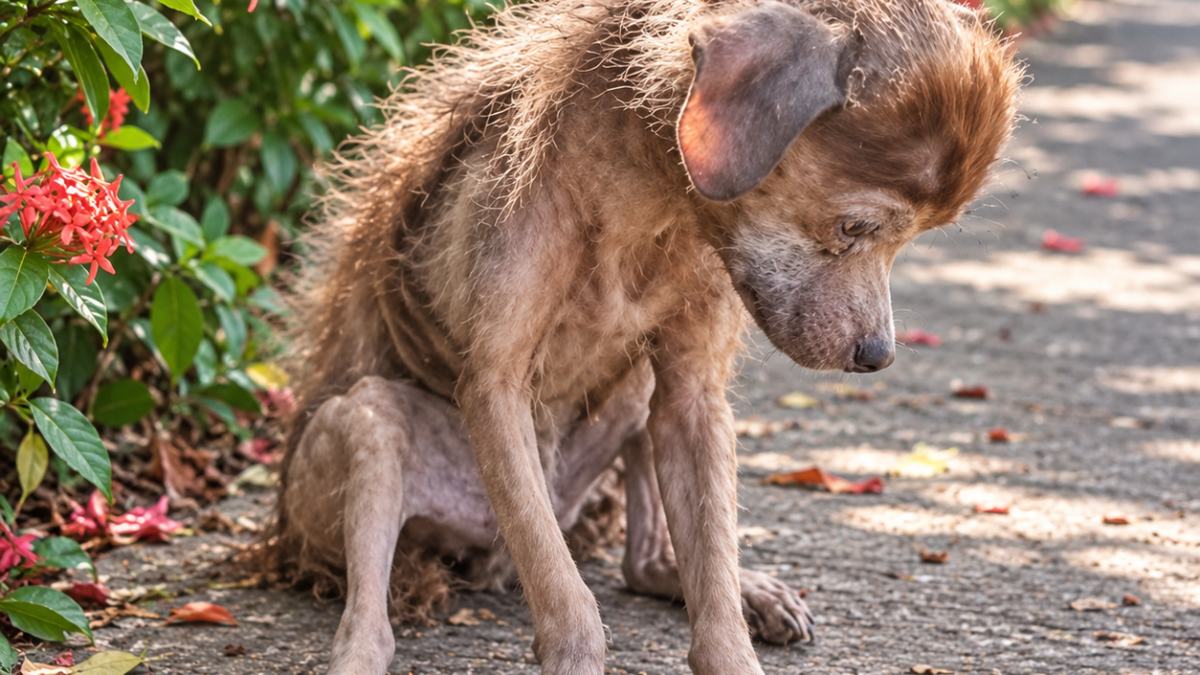
PART 2
The next morning, I arrived earlier than usual.
Part of me told myself it was because we were busy.
That wasn’t true.
I wanted to see Tiny.
I wanted to know whether he had eaten overnight.
Whether he had slept.
Whether he was still curled into that impossible little ball.
When I opened the door, he was awake.
His blanket was barely disturbed.
“Morning.”
Tiny’s eyes moved toward me.
His head remained down.
I checked the food dish.
Empty.
“Good.”
His ear twitched.
“You ate.”
I replaced his water and prepared breakfast.
He watched everything.
Tiny seemed to study people without wanting them to know he was studying them.
If I looked directly at him, his eyes dropped.
If I looked away, I could feel him watching me.
I placed his food down.
Then I stepped back.
Tiny didn’t move.
I sat on the floor.
“You don’t have to wait for me.”
Nothing.
“I promise I’m not stealing your breakfast.”
His nose moved.
“You’ve clearly never seen me before coffee. If I were stealing anything, it would be someone else’s coffee.”
One ear lifted.
I smiled.
For the first time, I wondered whether Tiny might eventually have a personality we hadn’t met yet.
That idea stayed with me.
Sometimes frightened dogs don’t show you who they are.
They show you what they had to become to survive.
Tiny’s silence might not have been his personality.
His distance might not have been his nature.
Maybe underneath everything we were seeing was another dog entirely.
A dog who wanted things.
A dog who enjoyed things.
A dog who might someday demand something from us.
I hoped so.
After I moved to the far side of the room, Tiny approached the bowl.
He ate slightly faster than he had the night before.
That became the rhythm of our first several days.
Meals.
Rest.
Medical monitoring.
Short, careful movement.
And distance.
Tiny accepted everything we provided, but he rarely asked for anything.
If we placed food near him, he ate.
If we offered water, he drank.
If someone gently touched him, he tolerated it.
But he never moved closer.
There is a difference between caring for an animal and being allowed into that animal’s world.
We were keeping Tiny alive.
We had not yet been invited inside.
And I knew we couldn’t force the invitation.
One afternoon, a new volunteer entered his room.
She was kind.
Very kind.
But she didn’t know Tiny yet.
“Oh, sweetheart!”
She moved toward him quickly.
Tiny’s body stiffened.
I saw it immediately.
“Slow down.”
She stopped.
“Oh. Sorry.”
“Just sit.”
She lowered herself onto the floor.
Tiny remained frozen.
The volunteer looked at me.
“He didn’t even move.”
“That doesn’t mean he wasn’t scared.”
Her expression changed.
I pointed gently.
“Look at his shoulders.”
They were rigid.
“Look at his mouth.”
Closed tightly.
“And his eyes?”
Tiny was staring slightly past her.
“Some dogs bark when they’re afraid,” I said. “Tiny disappears while he’s still standing in front of you.”
The volunteer swallowed.
“That’s awful.”
“It’s what he knows.”
She stayed seated for ten minutes.
She didn’t reach for him again.
By the time she left, Tiny’s shoulders had softened slightly.
That was our job.
Not to teach him to tolerate more.
To teach him he no longer had to tolerate everything.
We wanted Tiny to understand something he might never have been allowed to understand before.
No was permitted.
Distance was permitted.
Walking away was permitted.
He didn’t owe us affection because we had helped him.
Trust had to remain his decision.
Physically, Tiny made progress before he did emotionally.
His appetite improved.
That mattered more than people realize.
For the first few days, each meal seemed like a negotiation between hunger and anxiety.
Tiny would take a bite, pause, scan the room, then continue.
Soon, he began finishing meals without watching the door after every mouthful.
We increased his nutrition gradually according to the veterinary plan.
His blood values began moving in the right direction.
The changes were small.
But small mattered.
One morning, the veterinarian compared new results to his earlier tests.
“Better.”
I smiled.
“How much better?”
“Enough that I’m happy.”
“That means nothing. Veterinarians have very suspicious definitions of happiness.”
She laughed.
“His body is responding.”
That was what I needed to hear.
Tiny stood nearby.
His weak paw rested against the floor now.
Not fully.
Not confidently.
But more than before.
I looked down.
“Did you hear that?”
Tiny sniffed.
“You’re improving.”
He looked away.
“I’ll celebrate for both of us.”
Over the next week, his steps became steadier.
We kept his movement controlled.
Nobody wanted to push him too hard.
Weak animals often want to do more once they begin feeling better, and I was afraid Tiny might injure himself if his confidence improved faster than his body.
One morning, I watched him walk from his bedding to the water bowl.
I counted without meaning to.
One.
Two.
Three.
Four.
His weak leg touched down.
Five.
Six.
Seven.
Tiny paused.
His body shifted.
I almost stood.
Then he corrected himself.
Eight.
Nine.
Ten.
He reached the water.
I smiled.
“You didn’t need me.”
Tiny drank.
I sat back down.
That moment taught me something I would have to remember again and again.
Sometimes helping means refusing to help too quickly.
Tiny needed the opportunity to discover his own strength.
If we caught him every time he wobbled, how would he learn he could regain his balance?
The same would eventually be true emotionally.
I could offer my hand.
I could not make him choose it.
During the second week, I started spending my lunch breaks near him.
Not because anyone asked me to.
I just found myself there.
At first, I sat outside the enclosure.
I would eat quietly and talk.
Tiny never answered.
Obviously.
Still, I treated our conversations seriously.
“You know what happened this morning?”
Tiny stared at the wall.
“Someone put an empty milk carton back in the refrigerator.”
One ear moved.
“Exactly. Criminal behavior.”
Tiny blinked.
“I’m glad you agree.”
Another day, I complained about paperwork.
Another day, I explained why the weather was terrible.
Sometimes I talked about dogs who had gone home.
I don’t know why.
Maybe I wanted Tiny to hear that leaving rescue wasn’t always something to fear.
“Buddy left yesterday,” I told him once.
Tiny was lying on his blanket.
“He went home with a family. They brought him a blue collar.”
No response.
“He tried to eat it.”
Tiny’s nose twitched.
“Not everyone is brilliant.”
I laughed quietly.
Eventually, my voice seemed to become part of the room.
Tiny stopped stiffening every time I spoke.
That alone mattered.
A few days later, I walked in and saw something new.
Tiny lifted his head.
Not just his eyes.
His entire head.
I froze near the door.
“Hi.”
He stayed that way.
Watching.
I put down the food.
Normally, he would lower his head again almost immediately.
This time he didn’t.
He followed me with his eyes while I replaced the water.
When I sat on the floor, his chin finally returned to the blanket.
But the moment had already happened.
I messaged one of my coworkers.
HE LIFTED HIS HEAD WHEN I CAME IN.
Her reply came immediately.
THAT’S HUGE.
To anyone else, it would have sounded absurd.
A dog lifted his head.
That was the news.
But progress is measured differently when you begin at zero.
Tiny had acknowledged my arrival.
Not simply because I was a possible threat.
Something in him had begun to recognize me.
That afternoon, he did it again.
The next morning too.
Soon, I started seeing his head rise whenever familiar people entered.
Unfamiliar footsteps still made him tense.
But familiar ones were becoming something else.
Predictable.
Safe.
Maybe even welcome.
Then came the shoe.
I remember that afternoon with strange clarity.
I was sitting on the floor, answering messages on my phone.
Tiny was several feet away.
He had eaten.
The room was quiet.
I wasn’t looking at him.
Then I heard a faint scrape.
I glanced with my peripheral vision.
Tiny was standing.
I returned my attention to my phone.
Another step.
I didn’t move.
Tiny walked toward me.
Slowly.
Not because he had to.
There was no food in my hand.
No leash.
No medical procedure.
No reason.
He simply came closer.
My heart started pounding.
I wanted to look at him.
I forced myself not to.
Tiny stopped about two feet away.
I could see his paws.
His weak leg was on the ground.
He extended his neck.
His nose moved.
Another inch.
Then he touched my shoe.
One second.
Maybe less.
Tiny pulled back.
I almost laughed.
Almost cried.
Almost ruined everything by turning toward him too quickly.
Instead, I whispered, “Hi.”
He stayed near me.
For three seconds.
Five.
Then he turned and walked back to his blanket.
I stared at my phone for another minute even though I hadn’t read a single word.
When I finally left the room, one of my coworkers saw my face.
“What happened?”
“He touched my shoe.”
She stared.
“With his paw?”
“His nose.”
She smiled.
“And you’re crying.”
“I am not.”
“You absolutely are.”
I wiped beneath one eye.
“It was voluntary.”
That was the important part.
Tiny had made a choice.
Every act of care before that had involved us coming toward him.
This time, he had crossed the space himself.
People think trust arrives in dramatic moments.
Sometimes it arrives as a cold nose against an old sneaker.
I spent the rest of the day ridiculously happy.
Then Tiny didn’t approach me for two days.
That taught me another lesson.
Progress does not owe you consistency.
Once an animal does something brave, humans immediately want repetition.
He came closer yesterday, so he should come closer today.
He allowed petting once, so surely tomorrow he will want more.
But fear doesn’t disappear because courage won one argument.
Tiny still had days when distance felt safer.
We respected those days too.
On the third morning, something else happened.
I put down his breakfast.
Tiny watched me.
His tail moved.
Barely.
A tiny shift against the blanket.
I stopped breathing.
“Was that—”
The tail stopped.
I grinned.
“I saw it.”
Tiny stared at me.
“You can deny it all you want.”
He blinked.
“You wagged.”
I walked out of the room smiling like an idiot.
Later that day, he approached again.
This time he sniffed my hand.
My palm was resting on the floor.
Tiny’s nose touched my fingers.
He withdrew.
Then returned.
The second touch lasted longer.
I didn’t move.
Tiny sniffed each finger as if collecting information.
Soap.
Coffee.
Dog treats.
Probably twelve other dogs.
I wondered what he learned.
Maybe nothing.
Maybe everything.
From that day forward, Tiny began checking my hands.
At first, only when they were still.
Then when I held them slightly forward.
Eventually, I could move one finger.
Then two.
The first time I touched the side of his muzzle after he approached me, Tiny froze.
I stopped immediately.
His eyes shifted toward my hand.
“You can go.”
Tiny didn’t move.
I waited.
Then he leaned forward again.
Not much.
But enough.
I touched him once.
Slowly.
His eyelids softened.
I stroked behind his ear.
Tiny stayed.
Five seconds.
Ten.
Then he stepped away.
I let him.
That became another rule.
Whenever Tiny ended contact, contact ended.
No reaching after him.
No “come back.”
No trying to squeeze one extra second from the moment.
We wanted him to learn that affection was something he could control.
That lesson transformed him.
At first, he stayed only briefly.
Then longer.
Soon, when I scratched behind his ear and stopped, Tiny remained beside me.
One afternoon, he did something new.
I had been scratching his neck.
I stopped.
Tiny moved his head.
He pushed against my hand.
I stared at him.
“Excuse me?”
He pushed again.
I laughed.
“You want more?”
Tiny stood still.
I scratched again.
His eyes closed.
That was the first time he ever asked me for affection.
Not food.
Not water.
Not space.
Touch.
I had to look away for a second because my eyes filled immediately.
The dog who once tolerated my hand had just demanded its return.
Tiny’s body continued improving.
His coat became healthier.
His frame slowly filled out.
His weak leg still needed monitoring, but he used it more frequently.
One morning, I saw him standing squarely on all four feet.
No obvious weight shift.
No trembling.
I called the veterinarian.
“Come here.”
She walked over.
“What?”
“Look.”
Tiny stared at us.
She smiled.
“Very nice.”
“Very nice? That’s all?”
“What do you want me to do, throw confetti?”
“Yes.”
She laughed.
Tiny’s tail moved once.
We both saw it.
“There,” I said. “He agrees.”
Physical recovery was easier to photograph.
You could compare his body from week one to week three.
You could see weight returning.
You could see his stance improving.
But the emotional changes were smaller and somehow more powerful.
Tiny began sleeping differently.
In the beginning, he always curled himself tightly.
His paws tucked under his chest.
His head positioned so he could lift it instantly.
Even asleep, he looked prepared to leave.
Then one evening, I passed his room and stopped.
Tiny was stretched across the blanket.
Completely stretched.
His front legs extended.
His back legs loose.
His stomach partially exposed.
His head rested sideways.
He was deeply asleep.
For several seconds, I just stood there.
I had seen injured animals survive surgery without crying.
I had watched dogs take their first steps after terrible trauma.
But something about Tiny sleeping with his body open to the world nearly broke me.
Fear changes posture.
You can see it.
Tucked limbs.
Tight muscles.
Protected bellies.
Eyes that never fully close.
Tiny’s body had finally stopped guarding itself.
At least while he slept.
I took one step backward.
“Good night.”
He didn’t wake.
I was glad.
He deserved sleep deep enough that kindness didn’t interrupt it.
As Tiny’s fear loosened, his personality began appearing.
He was curious.
That was our first discovery.
Once he was strong enough, he wanted to investigate everything.
A cardboard box.
A towel.
A pair of shoes.
A mop bucket.
A squeaky toy he initially considered deeply suspicious.
I placed the toy several feet away.
Tiny stared.
“It’s not alive.”
The toy squeaked when another dog bumped something nearby.
Tiny jumped backward.
I immediately regretted speaking.
“Okay. It sounded alive.”
He spent the next fifteen minutes studying it.
Eventually, he approached.
Sniff.
Step back.
Sniff again.
Then he touched it with one paw.
Squeak.
Tiny jumped.
I covered my mouth to keep from laughing loudly.
He looked at me.
“I’m sorry.”
His tail moved.
A real wag.
Not one uncertain flick.
Two full sweeps.
Then three.
I stared.
Tiny seemed confused by my reaction.
“Oh, we’re celebrating that.”
His tail stopped.
I grinned.
“You have no idea how dramatic everyone here is about you.”
The next discovery was that Tiny liked gentle chest scratches more than ear scratches.
Then we learned he preferred sitting beside people rather than directly in front of them.
Then we learned he liked following familiar humans.
At first, only a few steps.
I would leave his room and walk slowly down the hall during controlled exercise.
Tiny followed.
If I turned around, he stopped.
So I learned not to look.
I would walk.
Tiny would follow.
Our footsteps became a strange little conversation.
Mine.
His.
Mine.
His.
If his stopped, mine stopped too.
Eventually, he would begin again.
One afternoon, I reached the end of the hall and turned.
Tiny was right behind me.
Closer than I expected.
“Hey.”
His tail wagged.
I crouched.
Tiny approached without hesitation.
He pressed his muzzle against my chest.
I wrapped one arm gently around him.
For two seconds.
Then three.
Tiny stayed.
It was the first real embrace he had accepted.
I didn’t tighten my arm.
I barely breathed.
Then Tiny stepped away.
I smiled.
“Thank you.”
That might sound strange.
Thanking a dog for allowing affection.
But I meant it.
Tiny had trusted me with vulnerability.
That deserved respect.
Not every day was forward progress.
There were setbacks.
One came when a metal tray fell in another room.
The crash was loud enough to echo through the hallway.
Tiny dropped instantly.
His body flattened.
Then he scrambled backward toward the corner.
By the time I reached the doorway, he was shaking.
The first day flashed through my mind.
The lowered head.
The trembling body.
The distance.
For one ugly second, I thought we had lost weeks of work.
Then training and experience replaced panic.
I sat down.
Far away.
“Tiny.”
He didn’t look at me.
“You’re okay.”
His breathing was fast.
I stayed.
Five minutes.
Ten.
Fifteen.
Nobody else entered.
I spoke occasionally.
Nothing meaningful.
Just sound.
“You know what? That scared me too.”
Tiny’s ears moved.
“It was loud.”
His breathing slowed slightly.
“So you’re not unreasonable.”
Another few minutes.
Tiny lifted his head.
I looked away.
He stood.
Then stopped.
One step.
Pause.
Another.
My heart tightened.
Tiny walked halfway toward me and froze.
I stayed still.
He took two more steps.
Then he came directly to my knee.
He pressed his forehead against it.
Hard.
I swallowed.
This was new.
I lowered one hand.
“Can I?”
Tiny pushed closer.
I touched his neck.
He leaned into me.
The crash had terrified him.
But after fear came something that did not exist before.
Seeking comfort.
Tiny had not simply recovered from fear.
He had learned that another living creature could help him through it.
That moment changed the way I viewed setbacks.
Tiny wasn’t returning to the beginning.
The frightened dog in the corner was not the same dog we had rescued.
That dog had been alone inside his fear.
This one knew how to leave the corner.
That was progress.
Soon, Tiny started greeting me.
Quietly.
He was never wild about it.
That wasn’t who he was.
But when my footsteps approached, his head rose.
Then his body.
One morning, before I opened the door, I heard movement inside.
When I entered, Tiny was already standing.
His tail moved.
“Were you waiting?”
He walked toward me.
No hesitation.
He stopped close enough that his chest touched my knee.
I crouched.
Tiny lifted his nose.
It touched my chin.
I laughed.
“You’re getting bold.”
His tail wagged faster.
I scratched his chest.
Tiny leaned.
The weight of his body shifted against my hand.
I remembered the first touch.
How still he had been.
How empty his reaction had seemed.
Now, when I stopped scratching, Tiny nudged me.
“Demanding.”
Another nudge.
“You’ve changed.”
His eyes met mine.
That was perhaps the biggest change.
Tiny looked at people now.
Not constantly.
But comfortably.
His eyes no longer seemed to apologize.
His body no longer tried to disappear.
One afternoon, I took a photograph of him standing.
The difference between that picture and the first one was painful.
Same dog.
Different presence.
In the first photo, Tiny seemed folded inward.
In the new one, his chest was higher.
His legs were steady.
His eyes were bright.
I sent the photo to a coworker with two words.
LOOK AT HIM.
Her response:
THAT’S TINY?
I smiled.
Exactly.
That was Tiny.
The real one.
Or maybe the dog he had always been but had never felt safe enough to become.
As his condition improved, conversations turned toward adoption.
I hated those conversations.
Not because I didn’t want Tiny to have a home.
That was the goal.
But loving rescue work requires a strange kind of emotional contradiction.
You spend weeks teaching an animal not to fear your presence.
Then, if you succeed, you send them somewhere else.
The better you do your job, the more painful goodbye can become.
I reviewed applications carefully.
Too carefully, probably.
One family wanted a dog who would immediately play with visiting children every weekend.
I worried the noise would overwhelm Tiny.
Another applicant wanted a dog for crowded social events.
Not right.
Another seemed kind but described wanting a dog who would be “grateful” after rescue.
That word bothered me.
Tiny owed nobody gratitude.
I wanted a person who understood that rescue was not a transaction.
We didn’t save him so he would repay us with perfect behavior.
We helped him because he needed help.
His future family needed to want Tiny as he was.
Not as a symbol of their kindness.
Then one application arrived that felt different.
The person wrote about having a quiet home.
A predictable schedule.
No expectation of instant affection.
They mentioned giving a nervous dog space.
They wrote, “If he needs three days, three weeks, or three months, that’s okay.”
I read that sentence twice.
Then again.
My coworker looked over.
“You found one.”
“Maybe.”
“You have your suspicious face.”
“I have no suspicious face.”
“You absolutely do.”
I ignored her and kept reading.
The potential adopter understood patience.
That mattered more than almost anything else.
We arranged a meeting.
Before they arrived, I worried all morning.
Tiny noticed.
He followed me more closely than usual.
“You’re not helping.”
He looked up.
“I need you to be normal.”
Tiny nudged my hand.
“Okay. That’s fair.”
When the visitor entered, Tiny became cautious.
His body stiffened slightly.
But he didn’t retreat completely.
I explained the rules.
“Sit down. Don’t reach for him.”
“Okay.”
“Don’t call him repeatedly.”
“Got it.”
“Let him decide.”
The person sat on the floor.
Sideways.
Hands relaxed.
No pressure.
Tiny watched.
One minute.
Two.
Five.
He walked away.
Came back.
Sniffed the air.
The visitor didn’t move.
Tiny approached a shoe.
I nearly laughed.
Of course.
The shoe test.
He sniffed.
Stepped back.
Then moved closer again.
His nose reached the person’s hand.
They remained still.
Tiny sniffed.
A minute later, he left.
“That’s good,” I whispered.
The visitor smiled.
“I’ll wait.”
That answer mattered.
They did.
Tiny returned.
The second time, he stayed longer.
The third time, he allowed a brief touch beneath the chin.
I watched his body carefully.
No freeze.
No retreat.
Tiny moved closer.
His tail gave one small wag.
I looked away before anyone could see my eyes filling.
After the visit, I asked the question.
“What do you think?”
The person smiled.
“I think he’s wonderful.”
“He may be more reserved in a new house.”
“That’s okay.”
“He might hide.”
“That’s okay.”
“He may have setbacks.”
“That’s okay too.”
“He’s not the kind of dog you should push.”
“I don’t want to push him.”
I looked down.
Tiny was beside my leg.
He wasn’t hiding behind me.
Beside me.
That distinction nearly finished me.
The adoption wasn’t immediate.
We still had medical considerations and final checks.
But for the first time, I could picture Tiny somewhere else without feeling terrified.
His future might be safe.
The remaining days became bittersweet.
Tiny kept changing.
His confidence grew.
He started showing mild impatience at meal times.
I considered this wonderful.
One morning, I was late by a few minutes.
Tiny stood near the food area.
“You are not starving.”
He looked at the bowl.
“I know what time it is.”
He looked at me.
“I said I know.”
Tiny took one step toward the bowl.
“Are you complaining?”
His tail wagged.
I laughed.
The dog who once seemed afraid to eat was now apparently criticizing service.
That was healing.
He also became more playful.
Not wildly.
Tiny’s play style was cautious.
He would investigate a toy, nudge it, step back, then return.
A soft stuffed animal became his favorite.
He carried it awkwardly at first.
Then one afternoon, I found him lying on the blanket with it between his paws.
“You have a friend.”
Tiny chewed one ear.
“That friendship seems unhealthy.”
He continued.
“Your choice.”
Watching him play was strangely emotional.
Play requires a kind of safety.
Animals in survival mode conserve energy.
They monitor threats.
They eat.
They sleep lightly.
They endure.
Play means there is enough room inside the mind for joy.
Tiny had found that room.
The day before he was scheduled to leave, I stayed late.
I knew I shouldn’t make the evening different.
Dogs notice changes.
So I tried to follow the usual routine.
Food.
Water.
Short walk.
Quiet time.
But when everything else was done, I sat beside him longer.
Tiny stretched across the blanket.
His legs were loose.
His weak paw—the paw that once barely touched the ground—rested comfortably over the edge.
I touched it gently.
“Remember when you wouldn’t use this?”
Tiny opened one eye.
“I counted every step.”
His eye closed.
“I cried when you touched my shoe.”
His tail thumped once.
“That was embarrassing.”
Another thump.
“You’re supposed to support me.”
Tiny shifted closer.
Then he placed his chin across my wrist.
I stopped talking.
For several minutes, we stayed that way.
His breathing was slow.
Warm.
Steady.
“You’re ready,” I whispered.
Tiny’s eyes remained closed.
“I wish I were.”
The next morning came too quickly.
His adopter arrived with supplies.
A leash.
A bed.
Food.
A blanket.
I approved of the blanket immediately.
Tiny recognized the visitor.
His tail moved.
That helped.
I went over his routine.
Food.
Rest.
Exercise.
Things that frightened him.
Things that comforted him.
How he preferred people to approach.
Where he liked being scratched.
I kept adding details.
Eventually, my coworker touched my shoulder.
“They have your number.”
“I know.”
“You’ve explained the food twice.”
“No, I explained portions and then timing.”
She smiled.
“Let him go.”
I hated her for being right.
I crouched beside Tiny.
He came to me.
Immediately.
That alone nearly broke my composure.
The first day, I had crossed every inch between us.
Now Tiny crossed it himself.
I held his face gently.
“You’re leaving.”
Tiny sniffed my cheek.
“Apparently you don’t care.”
He licked me.
I laughed through tears.
“That’s disgusting.”
His tail wagged.
I pressed my forehead lightly against his.
“You never have to make yourself small again.”
My voice shook.
“You never have to stand there and wait for bad things to happen.”
Tiny looked at me.
“And if you get scared, you’re allowed to ask for help.”
His adopter stood quietly nearby.
“You hear me?”
Tiny licked my chin again.
I smiled.
“Good enough.”
I released him.
That was the most important thing.
I released him.
Tiny walked toward the door.
His steps were steady.
Halfway there, he stopped.
He turned around.
For one selfish second, I wanted him to run back.
I wanted him to choose me.
Then I understood something.
He already had.
For weeks, Tiny had chosen me.
Now I needed to let him choose what came next.
I smiled.
“Go.”
His tail moved.
Tiny turned.
He walked through the doorway beside the person who would become his family.
The door closed.
My coworker appeared beside me.
“You okay?”
“No.”
“Good adoption?”
“Yes.”
She nodded.
“Those hurt the most.”
I wiped my face.
“Why?”
“Because you got what you wanted.”
That was exactly it.
The first update arrived that evening.
A photograph.
Tiny standing inside his new home.
His body was slightly cautious.
But he wasn’t hiding.
The message said he had explored several rooms, eaten his dinner, and chosen a quiet corner to rest.
I zoomed in on the photo.
“He ate.”
My coworker laughed.
“Of course he ate.”
“You didn’t know him at the beginning.”
She did, actually.
But she understood what I meant.
The next morning, another message.
Tiny had followed his adopter into the kitchen.
Not closely.
Not asking for attention.
Just following.
I smiled.
That was Tiny.
Nearness came first.
The day after that, they sent a photograph that made me sit down.
Tiny was asleep.
Stretched out.
Four legs relaxed.
Head sideways.
Completely vulnerable.
Different room.
Different blanket.
Same peaceful posture.
I stared at the image for a long time.
That was when I knew we had accomplished something bigger than making Tiny comfortable with us.
Safety had become portable.
He had carried it with him.
That may sound strange.
But frightened animals can sometimes trust a place without trusting the world.
A certain room is safe.
A certain person is safe.
Remove those things, and fear returns.
Tiny was beginning to understand something larger.
Kindness could exist somewhere new.
The next update came several days later.
“He approached me for pets today.”
I read the sentence twice.
Then the photo loaded.
Tiny stood with his side pressed against his adopter’s leg.
One hand rested on his neck.
His eyes were half closed.
I smiled until my face hurt.
There he was.
The dog beneath the fear.
Week by week, the updates became more joyful.
Tiny gained strength.
His body filled out.
His eyes brightened.
He began following his person from room to room.
He learned the household routine.
Breakfast.
Morning walk.
Rest.
Evening quiet time.
Predictability suited him.
Then came the message that made everyone laugh.
“He has started nudging my hand if I stop petting him.”
I stared at my phone.
“No way.”
My coworker looked over.
“What?”
I read the message aloud.
She laughed.
“Tiny?”
“Tiny.”
“The same Tiny?”
“The criminal himself.”
I remembered that first touch.
My palm against his neck.
Nothing.
No lean.
No request.
Now he was apparently correcting humans who failed to provide adequate affection.
I loved that more than I could explain.
There was no better revenge against his past.
Not punishment.
Not violence.
Not some dramatic confrontation with whoever had failed him.
Tiny’s revenge was expectation.
He expected meals.
He expected safety.
He expected soft places to sleep.
He expected a hand to return when he nudged it.
Whatever had taught him that asking was pointless had lost.
Months passed.
Then I received a message asking whether Tiny could visit.
I stared at it for a full minute.
Part of me was thrilled.
Another part was nervous.
Would he remember the rescue center as a frightening place?
Would he remember me?
Would he walk in and become the old Tiny again?
The day arrived.
I heard nails against the floor before I saw him.
Fast.
Steady.
Then Tiny appeared around the corner.
He stopped.
I stopped.
For half a second, everything disappeared.
The hallway.
The people.
The months.
I saw the trembling dog again.
Then Tiny’s tail began moving.
Fast.
His entire back end joined in.
“Tiny?”
He came toward me.
Straight toward me.
No hesitation.
No lowered eyes.
No cautious stopping halfway.
He crossed the entire space and pressed himself against my legs.
I dropped to my knees.
“Oh my God.”
Tiny licked my face.
I laughed.
“You remember me.”
More licking.
“Okay, too much remembering.”
His adopter laughed.
“He does that now.”
I wrapped my arms around him.
Tiny leaned fully into me.
The weight of him shocked me.
Not because he was heavy.
Because he trusted me enough to give me all of it.
I pulled back and looked at him.
Healthy body.
Bright eyes.
Steady legs.
I touched the weak paw.
“You remember this?”
Tiny tried to lick me again.
“I’m being emotional. Please respect the moment.”
His tail wagged.
I stood.
Tiny followed.
I watched him walk.
No counting.
My mind tried automatically.
One.
Two.
Three.
Then I stopped.
Tiny didn’t need numbers anymore.
He simply walked.
His adopter told me about his life.
He loved quiet mornings.
He had a favorite place near the couch.
He still disliked sudden loud noises but recovered faster.
He followed his person constantly.
He had become affectionate.
Sometimes stubborn.
I smiled.
“Stubborn?”
“If he wants attention, he keeps nudging.”
“Good.”
“Good?”
“Yes.”
I looked down at Tiny.
“Let him be demanding.”
Once, he had asked for nothing.
Now I wanted him to ask for everything.
Attention.
Comfort.
Food.
Space.
Play.
Whatever he needed.
He had earned the right to have preferences.
During the visit, Tiny wandered toward the room where he had once stayed.
I became nervous.
He stopped in the doorway.
Sniffed.
For several seconds, he stood quietly.
Then he walked inside.
His old blanket was gone.
The room belonged to another rescue dog now.
Tiny looked around.
Then he came back to me.
No shaking.
No collapse.
No panic.
The room was simply a room.
The past no longer lived there for him.
That realization hit me unexpectedly hard.
People often talk about animals “forgetting.”
I don’t know exactly what Tiny remembered.
But healing didn’t require erasing history.
He didn’t need to forget every frightening moment.
He only needed the past to stop controlling the present.
Tiny stood beside me.
I scratched his chest.
He leaned.
That was enough.
Before leaving, his adopter showed me a video.
Tiny was lying on a couch.
At first, I laughed.
“He gets the couch?”
“He gets whatever he wants.”
“Correct answer.”
In the video, someone stopped petting him.
Tiny lifted his head.
Nudged the hand.
When the person didn’t respond quickly enough, he nudged again.
Harder.
I laughed until my eyes filled.
The dog who once didn’t move toward affection had become a tiny dictator.
Perfect.
Absolutely perfect.
After they left, I walked into the room where Tiny had first slept.
Another dog was there now.
Different story.
Different fear.
I sat outside the enclosure.
The new dog watched me.
I found myself thinking about Tiny’s first night.
The curled body.
The open eyes.
The tiny meal.
The silence.
If someone had shown me the future then, I’m not sure I would have believed it.
People like dramatic transformations.
Before and after photographs.
Thin dog.
Healthy dog.
Injured dog.
Running dog.
Those images matter.
But Tiny’s true transformation could never be captured in one photograph.
It was made of decisions.
Tiny choosing to eat while a human sat nearby.
Choosing to lift his head.
Choosing to approach a shoe.
Choosing to sniff a hand.
Choosing to stay during a touch.
Choosing to ask for another.
Choosing to leave a corner after a loud noise.
Choosing comfort.
Choosing play.
Choosing to follow.
Choosing to sleep deeply.
Choosing a new home.
Choosing affection.
Every one of those choices had once been impossible.
That was the miracle.
Not that we changed Tiny.
We created enough safety for Tiny to change what he believed was possible.
There’s an important difference.
We never forced him to become affectionate.
We never punished him for withdrawing.
We never treated fear as disobedience.
We waited.
And Tiny taught me more about patience than almost any dog I have known.
Humans like timelines.
How long until he trusts me?
How long until he stops being scared?
How long until he acts normal?
But animals are not projects with deadlines.
Fear doesn’t check a calendar.
Trust doesn’t move according to our convenience.
Some days Tiny made enormous progress.
Other days, nothing changed.
Sometimes he took two steps forward and one backward.
The backward step wasn’t failure.
It was part of healing.
I wish more people understood that.
A frightened dog who hides after three good days has not betrayed your effort.
A rescue dog who growls after weeks of improvement has not suddenly become “bad.”
A dog who needs space is not ungrateful.
Recovery is not obedience.
It is learning.
Tiny was learning what the world could be.
And we were learning how to let him discover it.
One of the last photographs I received showed Tiny lying beside his person.
His body stretched across the floor.
One paw rested on the person’s foot.
His eyes were almost closed.
The message beneath the photo said:
“He follows me everywhere now.”
I stared at those words.
The first day Tiny followed us too.
Slowly.
Weakly.
Because we were taking him somewhere and he had no other choice.
Now he followed someone because he wanted to.
Same action.
Entirely different meaning.
That was Tiny’s whole story.
At the beginning, things happened to him.
Eventually, he began choosing.
He chose where to sleep.
Who to approach.
When to ask for affection.
When to walk away.
Who to follow.
Where home was.
Choice gave him something fear had stolen.
Ownership of his own life.
Sometimes I still wonder about the parts of Tiny’s history we never knew.
What happened before we found him?
Why was he so thin?
What made the leg weak?
Why did he react to people with such quiet surrender?
There were no answers.
And perhaps that was good.
Not because his past didn’t matter.
It did.
But because we did not need every terrible detail to justify kindness.
Tiny didn’t have to prove how he had suffered.
His condition was enough.
His fear was enough.
He was there.
He needed help.
That was enough.
One afternoon, long after Tiny had settled into his new life, I printed two photographs.
I placed them side by side.
The first was from rescue day.
Tiny standing thin and trembling.
Head down.
Weak paw barely touching the ground.
The second showed him months later.
Healthy.
Standing steady.
Head lifted.
Eyes bright.
I studied them for a long time.
At first glance, the physical difference was enormous.
Then I noticed something else.
In the second photograph, Tiny was leaning slightly toward the person beside him.
Just a small tilt.
Easy to miss.
But I knew exactly what it meant.
Trust.
People often say rescue animals understand they have been saved.
I don’t know if Tiny thought in those terms.
I doubt he woke up and considered himself rescued.
What Tiny understood was simpler.
When he was hungry, food appeared.
When he hurt, people helped.
When he wanted distance, people respected it.
When he approached, nobody harmed him.
When he became afraid, someone stayed.
When he slept, he woke up safe.
When he asked for affection, a hand answered.
That was his definition of rescue.
Consistency.
Tiny didn’t need grand gestures.
He needed ordinary kindness repeated so many times that fear could no longer explain his world.
That is what changed him.
Not one miracle.
A hundred small proofs.
Months later, I visited Tiny at his home.
The moment I entered, I heard him.
Not barking.
Running.
Tiny rounded the corner.
His eyes found me.
Then he came forward so quickly I barely had time to crouch.
He collided gently with my chest.
I laughed.
“Sir.”
Tiny licked my face.
“We’ve discussed boundaries.”
His adopter smiled.
“He has none anymore.”
“Perfect.”
Tiny leaned against me.
I ran my hands along his shoulders.
Strong.
Healthy.
Warm.
The dog who once felt almost weightless beneath my fingers now had muscle.
I touched his front leg.
He stood comfortably.
No trembling.
Then Tiny stepped away and walked toward the living room.
He turned.
Looked back.
Waited.
I smiled.
“He wants you to follow,” his adopter said.
I almost laughed.
Of course he did.
The dog who once followed us because he had nowhere else to go now expected humans to follow him.
“Lead the way.”
Tiny walked toward the couch.
He jumped up.
Not gracefully.
But confidently.
Then he turned twice and lay down.
I sat nearby.
Tiny immediately moved closer.
His head landed across my leg.
I looked at his adopter.
“You spoiled him.”
“Absolutely.”
“Good.”
We sat quietly.
Tiny fell asleep.
His legs stretched across the cushion.
His stomach exposed.
One paw pressed against my side.
I thought about that first blanket.
The tight little ball.
The eyes that never fully relaxed.
Then I looked at the dog sleeping across half the couch.
No fear in his body.
No urgency.
No attempt to make himself small.
I ran one finger gently along his forehead.
Tiny didn’t wake.
I smiled.
Once, Tiny had been afraid to sleep deeply around me.
Now he trusted me enough not to notice my touch.
That was when I understood what a satisfying ending really looks like.
It isn’t always dramatic.
No villain had to lose everything.
No one needed to be publicly punished.
There was no courtroom.
No shouting.
No revenge scene.
Tiny’s ending was quieter.
And stronger.
Whatever had made him afraid no longer owned him.
Whatever had made him weak no longer defined him.
Whatever had taught him not to ask had been proven wrong.
Every single day.
Tiny’s revenge was waking up safe.
His revenge was eating without fear.
His revenge was sleeping with his belly exposed.
His revenge was demanding pets.
His revenge was taking up the entire couch.
His revenge was walking on four steady legs toward people he loved.
His revenge was expecting kindness.
That may be the most complete victory any rescued animal can have.
Before I left that afternoon, Tiny followed me to the door.
I crouched.
“You staying here?”
He wagged his tail.
“Good choice.”
I scratched his chest.
Tiny leaned forward.
I stopped.
He immediately nudged my wrist.
I laughed.
“Still bossy.”
Another nudge.
“All right.”
I scratched again.
His eyes softened.
For a few seconds, neither of us moved.
Then I remembered the first day.
The exact feeling of touching him and receiving nothing in return.
Not rejection.
Not acceptance.
Just endurance.
I looked at him now.
Tiny was pushing himself into my hand as though affection belonged to him.
Because it did.
I whispered, “You figured it out.”
His ears moved.
“You finally figured it out.”
Tiny looked at me.
“What?”
His tail wagged.
“You’re allowed to want things.”
He nudged me again.
I laughed.
“Clearly.”
I stood.
His adopter opened the door.
Tiny remained inside.
Safe.
Home.
I stepped outside.
Before the door closed, I looked back.
Tiny was standing upright.
Bright eyes.
Head high.
Steady.
There was no trace of the dog who seemed prepared to disappear.
Not because that dog had never existed.
But because he didn’t need to exist anymore.
I smiled.
“Bye, Tiny.”
His tail moved.
The door closed.
I stood there for another few seconds.
Then I walked toward my car.
This time, I didn’t cry immediately.
I made it almost halfway.
That was progress too.
Tiny continued sending us updates through his family.
Birthdays.
Walks.
Sleeping positions that seemed anatomically impossible.
A new blanket.
Then another new blanket because apparently he needed options.
Photographs of him standing beside the window.
Lying in sunlight.
Waiting near the kitchen.
Following his person down the hallway.
Every image told the same story.
Tiny had become comfortable existing.
That sentence sounds simple.
It isn’t.
When we found him, existence looked exhausting.
Standing was hard.
Walking was hard.
Eating required caution.
Touch required surrender.
Sleep required vigilance.
Life itself seemed like something he endured.
Now Tiny participated in it.
He watched birds.
He explored smells.
He rested because he wanted rest, not because his body had nothing left.
He asked for attention.
He walked toward people.
He made choices.
He had preferences.
He had expectations.
He had a life rather than merely survival.
One evening, I received a video that became my favorite.
Tiny was standing near his person.
They were talking to someone off camera and not paying attention to him.
Tiny looked up.
Waited.
Nothing.
Then he pushed his head under their hand.
The person laughed and began petting him.
Tiny’s tail wagged.
A few seconds later, the hand stopped.
Tiny immediately nudged again.
More laughter.
More petting.
I watched it several times.
Then I thought about the first day.
My hand reaching toward him.
Tiny not leaning in.
Not pulling away.
Just standing there.
If I could show that frightened dog one thing from his future, I would show him that video.
Not because it was dramatic.
Because it proved everything.
One day, Tiny, you are going to interrupt somebody because they stopped loving on you too soon.
One day, you will believe affection is yours strongly enough to complain when it pauses.
One day, you will stop waiting for humans to decide everything.
One day, you will ask.
And someone will answer.
That was the ending I wanted for him.
It was also something Tiny had earned one tiny decision at a time.
When people hear stories like his, they sometimes call rescue workers heroes.
I never liked that word very much.
We did what needed to be done.
Tiny was the brave one.
We already knew the room was safe.
He didn’t.
We already knew the food wouldn’t be taken.
He didn’t.
We already knew the hand wouldn’t hurt.
He didn’t.
We already knew the person sitting nearby meant kindness.
Tiny had no reason to believe any of it.
Yet eventually, he tried.
That first sniff of my shoe required more courage than anything I did.
The first touch of my hand.
The first time he leaned.
The first time he left the corner after being frightened.
The first time he followed.
The first time he slept deeply.
Every step happened while some part of him probably still expected disappointment.
That is courage.
Not being fearless.
Moving while fear still has an opinion.
Tiny moved anyway.
I learned something else from him.
Love is not always warm at the beginning.
Sometimes love looks like not touching.
Sometimes it means sitting five feet away.
Sometimes it means pretending not to notice a frightened dog gathering courage.
Sometimes it means allowing an animal to walk away without taking it personally.
Sometimes love means waiting.
Humans often show love by doing.
Tiny needed us to show love by not doing.
Not forcing.
Not grabbing.
Not demanding.
Not rushing.
We gave him space until space became a bridge instead of a wall.
Then Tiny crossed it.
When he was ready.
Years from now, I may forget individual days.
I may forget exactly what I said while sitting on that floor.
I may forget what kind of shoes I wore when Tiny first sniffed them.
But I will never forget how that moment felt.
A frightened dog took one step toward me without being asked.
Then another.
That was the beginning of everything.
Tiny’s story was never really about a weak leg.
It wasn’t even about hunger.
Those things mattered.
But his deepest wound could not be seen on an X-ray.
Somewhere before we met him, Tiny had learned to expect nothing.
That was what had to change.
And there was no medicine for it.
Only evidence.
Meal after meal.
Morning after morning.
Hand after hand.
Safe moment after safe moment.
Until eventually, expecting nothing became expecting breakfast.
Then expecting comfort.
Then expecting affection.
Then expecting love.
I once thought trust was a feeling.
Tiny taught me it can be a conclusion.
He studied us.
He gathered evidence.
Nobody hurt me when I ate.
Nobody chased me when I walked away.
Nobody punished me when I was afraid.
This hand is gentle.
This voice is safe.
This person comes back.
This bed is still mine tomorrow.
This home remains safe when I sleep.
Eventually, the evidence became stronger than the fear.
That was trust.
Not magic.
Proof.
Repeated enough times that Tiny finally believed it.
Near the end of one visit, I watched Tiny standing beside his person.
They rested a hand on his back.
Tiny looked toward the doorway.
Sunlight fell across the floor.
He stepped into it.
For no reason.
No food.
No command.
No one calling him.
He simply wanted to stand in the warm patch of light.
I watched him stretch.
Front legs forward.
Back raised.
Then he shook himself and looked around.
Such an ordinary dog moment.
That nearly made me cry more than anything else.
Ordinary was the miracle.
Tiny didn’t need to be inspirational every second.
He didn’t need every photograph to symbolize survival.
He had earned the right to be boring.
To sleep.
To sniff grass.
To demand dinner.
To ignore people.
To stare out windows.
To steal half a couch.
To become annoyed when someone stopped petting him.
That was what rescue was supposed to give him.
Not a lifetime of being “the sad dog who survived.”
A life where survival stopped being the most interesting thing about him.
Tiny became simply Tiny.
Gentle.
Curious.
Quiet.
Affectionate.
Occasionally demanding.
Deeply loved.
And completely certain that he belonged.
The last time I saw him, he walked me to the door again.
I crouched for one final goodbye.
Tiny approached.
No pause.
He placed his head against my chest.
I wrapped my arms around him.
He remained there.
I could feel his heartbeat.
Strong.
Steady.
I closed my eyes.
For one second, I remembered the trembling dog.
Then I let the memory go.
Tiny stepped back.
His eyes met mine.
Bright.
Calm.
Present.
I rubbed his ear.
“You know what I’m proudest of?”
Tiny waited.
“You didn’t just survive.”
His tail moved.
“You learned to want your life.”
Tiny nudged my hand.
I laughed.
“And apparently you want more scratches.”
I gave him what he wanted.
Of course I did.
When I finally stood, Tiny stayed beside his family.
He didn’t try to follow me outside.
He didn’t need to.
That might have hurt once.
Now it made me happy.
He knew where he belonged.
I opened the door.
“Bye, Tiny.”
He looked up.
His tail wagged.
I stepped out.
Behind me, I heard his person say his name.
Tiny turned toward the voice immediately.
I smiled.
That was the sound of home.
The first time I met Tiny, I worried that some part of him had already given up.
Maybe I was wrong.
Maybe there had always been a small piece of him waiting.
Waiting for food to appear twice.
Waiting for a hand to be gentle twice.
Waiting for someone to return the next morning.
Waiting for enough proof.
Tiny never needed us to convince him with words.
He needed repetition.
He needed patience.
He needed the freedom to decide.
And once he decided?
He gave himself completely.
That is the part of his story I carry with me.
Not the trembling.
Not the weak leg.
Not the bloodwork.
Not even the fear.
I remember the choice.
A thin dog standing several feet away.
One cautious step.
Then another.
A nose touching my shoe.
A tiny moment no one else would have considered extraordinary.
But that step contained Tiny’s entire future.
Because once he learned he could move toward something good, he never truly stopped.
Toward food.
Toward strength.
Toward sleep.
Toward hands.
Toward comfort.
Toward a home.
Toward love.
The dog we first met stood silently while life happened around him.
The dog Tiny became walked directly toward the life he wanted.
And every time he nudges a hand for one more scratch, every time he stretches across his blanket, every time he follows the person he loves from one room to another, he proves something that the frightened dog we rescued could never have imagined.
He is no longer waiting to see what the world will do to him.
Tiny expects good things now.
And more importantly, he knows he is allowed to ask for them.
That is how his story ends.
Not with fear.
Not with weakness.
Not with the image of a trembling dog who could barely keep one paw on the ground.
It ends with Tiny standing steady on all four feet.
His head lifted.
His eyes bright.
His tail moving.
A hand reaches toward him.
This time, Tiny doesn’t simply stand there and allow it.
He steps forward.
He presses himself into the touch.
And when the hand stops too soon, Tiny nudges it until it starts again.
The first day, he didn’t know how to ask for love.
Now he refuses to let anyone forget that he deserves it.








