PART 2: The Night Coco Could Barely Stand, He Still Walked Across the Room to Find Me—By Morning, I Understood Why
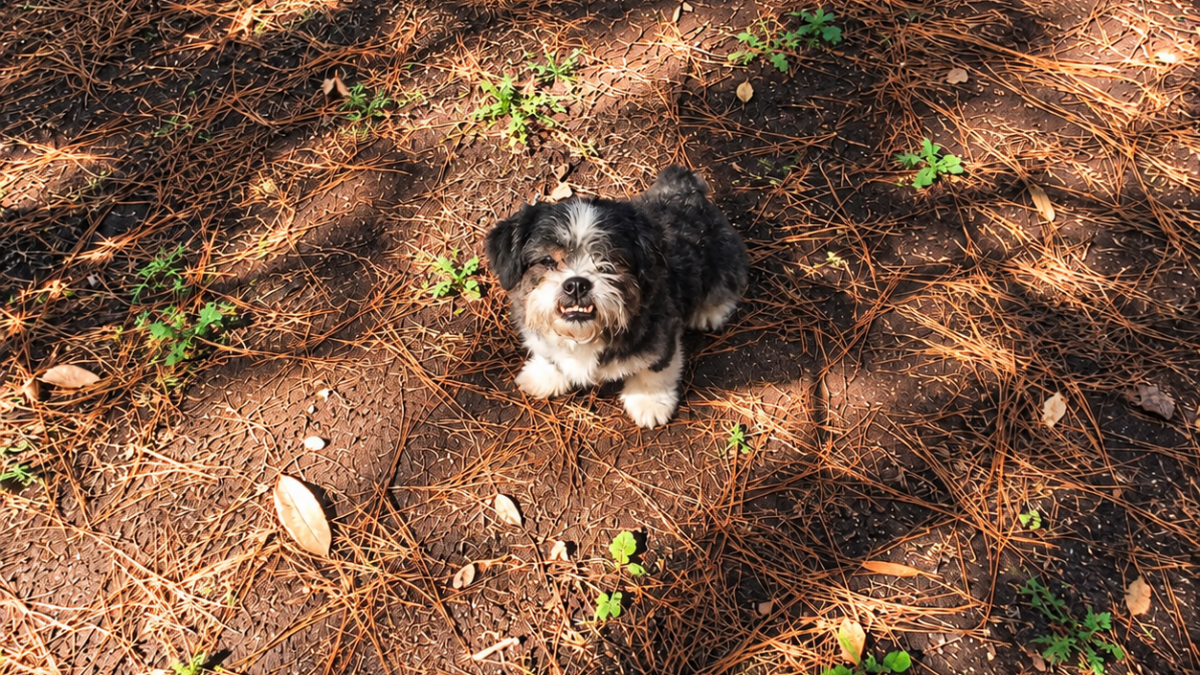
The night before I lost Coco, he could barely keep his legs beneath him, yet somehow he pushed himself up from his blanket, crossed the room one slow step at a time, and came to me as if there was still one thing he needed to do before his tired body finally gave up.
For nearly two days he had refused food and water, his strength disappearing hour by hour, and every time I offered him something he used to love, he would turn his face away and look at me with those familiar eyes that had followed me through years of ordinary mornings, bad days, quiet evenings, and moments when nobody else knew I needed company.
Then, just after sunrise, Coco lifted his head from my lap and held my gaze so steadily that I stopped trying to convince myself he only needed one more meal, one more night, or one more treatment, because there was something in that look I had spent the entire night refusing to understand.
I had always believed I would know when the time came.
People say that about old dogs.
“You’ll know.”
I used to hate hearing it.
Know what?
How could anyone possibly look at a dog who had shared their home, routines, worst days and happiest years and suddenly know when to stop fighting for another tomorrow?
But that morning, Coco was teaching me the answer without making a sound.
The day before, he had still tried to follow me.
That was what broke me.
He had been weak for several days, but until then there had always been some small piece of the old Coco left.
His ears lifting when I entered the room.
His eyes following me toward the kitchen.
The faint movement of his tail when I said his name.
Then his legs started failing.
I was sitting on the couch when I heard his nails scrape against the floor.
I turned.
Coco was standing beside his bed.
Or trying to.
His back legs trembled badly.
“Coco, stay there.”
He took one step.
His body swayed.
I stood.
“No, buddy. I’m coming to you.”
He took another.
Then another.
He wasn’t going toward his water.
He wasn’t going toward the door.
He was coming to me.
I reached him before he could fall and knelt on the floor.
Coco leaned against my chest.
For a moment, neither of us moved.
“You didn’t have to do that.”
His head rested beneath my chin.
I wrapped both arms around him carefully.
His body felt lighter than it should have.
Older.
Tired.
But when I stroked the side of his face, he closed his eyes and leaned into my hand the same way he had done countless times before.
I sat there until my legs went numb.
That night, I placed his bed beside the couch.
I brought water.
His favorite food.
A little chicken.
He refused everything.
“Just one bite.”
Coco smelled it.
Turned away.
I tried water from my fingers.
Nothing.
I called the veterinarian again.
We had already spoken earlier about his decline, his weakness and the fact that his body was no longer responding the way it once had.
The veterinarian’s voice was gentle.
“Is he resting?”
“Yes.”
“Does he seem distressed?”
“Not exactly.”
“Can he stand?”
“Barely.”
“Is he drinking?”
“No.”
There was a pause.
“If that continues through the night, bring him in first thing.”
I knew what she wasn’t saying.
I stayed awake beside him.
Around three in the morning, Coco shifted closer until his paw touched my foot.
At five, I carried him outside.
He stood for only a few seconds before I had to support him.
Then morning came.
Soft light entered through the window.
Coco lay with his head in my lap.
I stroked the white hairs that had slowly appeared around his face over the years.
“Stay with me,” I whispered.
His eyes opened.
He looked directly at me.
No panic.
No struggle.
Just that long, quiet stare.
And for the first time, instead of asking myself how I could keep Coco here, another question came into my mind.
Was I asking him to stay because he still wanted another day—or because I wasn’t ready for the first day without him?
My phone was already in my hand when Coco blinked slowly and laid his head back down.
I called the veterinarian.
PART 2
“Can you see him now?” I asked.
The receptionist recognized my voice.
I had called enough during the previous week.
“One moment.”
I heard the click of hold music.
My hand rested on Coco’s side.
He was breathing.
Slowly.
Every few seconds, his ribs rose beneath my palm.
That movement had become everything.
As long as I could feel it, part of me could pretend the decision was still somewhere in the future.
The receptionist returned.
“Dr. Miller can see him as soon as you arrive.”
My throat tightened.
“Okay.”
“Do you need help getting him inside?”
I looked down at Coco.
“Yes.”
“We’ll meet you at the car.”
I hung up.
For almost a minute, I stayed exactly where I was.
Coco’s head remained in my lap.
The clock on the wall kept moving.
The refrigerator hummed.
A car passed outside.
Somewhere nearby, somebody started a lawn mower.
Everything in the world continued as if nothing important was happening.
That felt almost offensive.
I wanted the street to go quiet.
I wanted the neighbors to understand that my life was splitting into a before and an after.
Instead, the lawn mower kept running.
I looked at Coco.
“You hear that?”
One ear moved slightly.
“You used to hate those.”
When he was younger, lawn mowers had been enemies.
So were vacuum cleaners.
Delivery trucks.
Large cardboard boxes.
One particular trash can on our walking route.
A plastic bag once blew across the yard and caused a ten-minute security investigation.
Coco considered himself responsible for protecting the house.
He was terrible at it.
Sometimes he barked after the person had already passed.
Sometimes he slept through the mailman.
Once he watched a rabbit cross the backyard and seemed so confused by the audacity of it that he forgot to chase.
But he took the job seriously.
I smiled.
Then I started crying.
That was how those final hours worked.
A memory made me laugh.
The fact that it had become a memory made me cry.
I leaned over him.
“Okay, buddy.”
His eyes opened.
“We have to go.”
He didn’t move.
“I know.”
I had carried Coco many times during his life.
Into the bathtub.
Into the car after a minor procedure.
Upstairs when he hurt one paw.
Once from the backyard after he stepped on something sharp and acted as though his entire leg had been removed.
He had always disliked being carried.
Coco wanted his own feet on the ground.
Even the previous night, with his legs barely working, he had insisted on walking toward me.
That morning, he offered no resistance.
I slid one arm beneath his chest and the other beneath his hips.
His body rested against mine.
Too light.
That frightened me again.
“You’re okay.”
I said it automatically.
Then stopped.
I didn’t know whether he was okay.
I knew only one thing.
“I’ve got you.”
That was true.
I carried him through the living room.
Past his bed.
Past the kitchen.
His bowl sat where it always had.
Food untouched.
The sight of it stopped me.
Coco had always cared about food.
Not politely.
Passionately.
He knew the sound of the refrigerator opening from anywhere in the house.
He could distinguish a cheese wrapper from ordinary plastic.
If I dropped anything while cooking, Coco treated the floor like emergency response territory.
There had been years when I couldn’t eat a sandwich without feeling his eyes on the side of my face.
Now his bowl had sat there for almost two days.
Untouched.
I looked down at him.
“You really are tired.”
We reached the front door.
My hand went to the knob.
Then I stopped again.
That door had been part of our relationship for years.
Every return home began there.
Sometimes Coco heard my car.
Sometimes my key.
Sometimes I suspected he simply spent his day expecting me.
When he was younger, he would rush toward the door.
Later, age slowed him.
In the last year, he often remained on his bed and only lifted his head.
But the eyes were always there.
Watching me come back.
I knew that when I returned from the clinic, there was a chance I would open this door and find no Coco waiting on the other side.
My knees weakened.
“No.”
The word escaped quietly.
“No, no.”
Coco shifted against my arm.
For one terrible moment, I considered turning around.
Put him back on his blanket.
Give him a little more time.
Maybe he would drink.
Maybe he would eat later.
Maybe the veterinarian could come tomorrow.
Maybe the night had been unusually bad.
Maybe morning would change.
The human mind becomes incredibly creative when it is bargaining with something irreversible.
Coco rested his head against my chest.
I looked at him.
His eyes were open, but they lacked their old curiosity.
There was no question in them.
Only exhaustion.
Hope can become selfish when it stops looking at the one who has to carry it.
I opened the door.
The drive to the clinic took twelve minutes.
I had made it hundreds of times.
Vaccinations.
Annual exams.
A stomach problem.
An ear infection.
A limp.
Senior bloodwork.
Today, every traffic light felt personal.
At the first red light, I looked over at Coco.
He lay on a blanket across the passenger seat.
I kept one hand resting lightly on him whenever the car stopped.
“Remember the time you threw up in here?”
His eye opened.
“Twice.”
Nothing.
“You ruined this seat.”
No reaction.
“You also tried to eat the receipt.”
The light changed.
I drove.
At the next stop, I thought about our first ride together.
That memory came unexpectedly.
Coco had been younger then.
Much younger.
The first day he came home with me, he couldn’t settle in the car.
Front seat.
Back seat.
Window.
Floor.
Back to the window.
He had looked at everything.
Every passing car.
Every pedestrian.
Every dog.
I kept saying:
“Sit down.”
He ignored me.
That first drive had felt like the beginning of something.
This one felt like the end of the same road.
I gripped the steering wheel.
“Not yet.”
I wasn’t sure whether I was talking to Coco or myself.
The veterinary technician was waiting outside when I pulled into the parking lot.
She came toward the passenger side carrying a folded blanket.
“I can take him.”
My hands tightened automatically.
“I’ll carry him.”
“Of course.”
She stepped back.
I opened the door.
Coco lifted his head slightly when I touched him.
“Come on.”
I carried him inside.
They didn’t take us through the main waiting room.
Someone had prepared a quieter examination room.
A blanket covered the floor.
Lights were dimmed.
No metal table.
No loud voices.
That kindness nearly undid me.
I lowered Coco carefully.
He tried to stand.
One front leg pushed.
Then another.
His back legs failed.
I caught him.
“Easy.”
The technician crouched.
“Let him rest.”
I settled on the floor beside him.
Coco laid his head against my thigh.
The technician looked at me.
“Dr. Miller will be right in.”
Then she left.
The door clicked closed.
I looked around the room.
I had sat beside Coco hundreds of times.
On floors.
Grass.
Couches.
Back seats.
Hotel rooms.
A friend’s porch.
Once inside a closet during a thunderstorm because Coco had somehow decided that was the safest room in the house.
But sitting on that clinic floor felt different.
It felt like I was sitting between two lives.
The life where Coco existed.
The life that would begin when he didn’t.
I wasn’t ready to enter the second.
Dr. Miller came in quietly.
She had treated Coco for years.
She had known him before his face went gray.
She had known the version of him who jumped onto the examination bench without invitation.
The version who tried to steal treats from her coat pocket.
The version who once barked at a poster of another dog on the wall.
She closed the door behind her.
“Hi, Coco.”
His eyes moved toward her.
She sat beside us.
Not above him.
“How was the night?”
I explained everything.
No food.
No water.
Barely standing.
Walking to me anyway.
The look in the morning.
My voice failed several times.
Dr. Miller never interrupted.
When I finished, she put the stethoscope against Coco’s chest.
Listened.
Moved it.
Listened again.
Checked his gums.
Hydration.
Abdomen.
Legs.
Coco tolerated everything without protest.
That bothered me.
He used to complain during exams.
Not aggressively.
But dramatically.
He would look at me while Dr. Miller touched him as if asking whether I planned to stop this outrageous violation of his rights.
Now he barely responded.
Finally, Dr. Miller sat back.
“What are you seeing?” I asked.
She looked at Coco.
“A very tired dog.”
“Can you give fluids?”
“Yes.”
“Medication?”
“Yes.”
“Something for nausea?”
“Yes.”
“Then we can try.”
“We can.”
Her answer was too calm.
I knew there was more.
“Could that turn him around?”
Dr. Miller paused.
“Temporarily, maybe.”
“How temporarily?”
“I can’t tell you exactly.”
“A week?”
“Possibly.”
“A month?”
“Less likely.”
I looked down.
Coco was staring at my hand.
I placed it near his nose.
He pressed his muzzle against my fingers.
The movement was tiny.
It almost destroyed me.
“What if we hospitalize him?”
“We can.”
“IV fluids?”
“Yes.”
“Bloodwork?”
“Yes.”
“Whatever else you need.”
“We can do all of those things.”
“Then why do you sound like you don’t want to?”
Dr. Miller looked directly at me.
“It’s not about what I want.”
“Then what?”
“What do you want those treatments to give Coco?”
I frowned.
“Time.”
“What kind of time?”
“More.”
She nodded.
“More time can be meaningful if treatment restores enough comfort that he wants food, water, your company, maybe a little walk, good sleep.”
“And if it doesn’t?”
“Then the time may mostly be procedures.”
I felt defensive immediately.
“He walked to me yesterday.”
“I know.”
“He wanted to be with me.”
“Yes.”
“That means he still wants something.”
“It does.”
“So why are we talking like this?”
“Because wanting you nearby and wanting his body to keep fighting are not necessarily the same thing.”
That sentence hurt.
I looked away.
For a moment, I resented her.
Not because she was wrong.
Because she said what I had spent the night avoiding.
I looked back at Coco.
“You think he’s dying.”
Dr. Miller inhaled slowly.
“I think he’s nearing the end of his life.”
Those words changed the room.
Not sick.
Not weak.
Not having a bad few days.
The end.
I rubbed Coco’s ear between my fingers.
“Could he improve?”
“Possibly.”
“How much?”
“I don’t know.”
“Could I take him home after fluids?”
“Possibly.”
“What would you do?”
“That depends on how he responds.”
“No.”
I looked at her.
“What would you do if he were your dog?”
Veterinarians hate that question.
I knew it.
Still, I needed the answer.
Dr. Miller rested her hands on her knees.
“If Coco were mine, and he had stopped eating and drinking for two days, could barely stand, and I believed treatment was unlikely to restore a meaningful stretch of comfortable time…”
She stopped.
I waited.
“I would let him rest.”
The room went silent.
I nodded.
Then immediately shook my head.
“I don’t know if I can.”
“You don’t have to decide this second.”
“What if I make the wrong decision?”
“That fear is normal.”
“What if he could have another good day?”
“He might.”
“What if tomorrow he wakes up hungry?”
“That is possible.”
“And I take that away from him.”
Dr. Miller’s voice remained soft.
“You’re not choosing between Coco living forever and Coco dying today.”
I started crying.
“You’re choosing between the paths available to him now.”
The paths available now.
Not the paths from five years ago.
Not what I wanted.
Not what I could buy.
Not what I could emotionally tolerate.
The paths actually available to Coco.
I wiped my face.
“He looked at me this morning.”
“I know.”
“I felt like he was telling me.”
“Telling you what?”
I looked down.
“That he was tired.”
Dr. Miller waited.
“I’ve known his eyes for years.”
She nodded.
“I know when he wants food. I know when he’s scared. I know when he wants me to stop working and pay attention to him. I know when he’s annoyed.”
My voice shook.
“This morning wasn’t any of those.”
“What was it?”
“Like he needed permission.”
Saying it aloud broke something open.
I bent over Coco.
“I’m sorry.”
His breathing remained slow.
I put my forehead against his.
“I’m sorry I kept asking.”
Coco exhaled.
Dr. Miller gave us time.
She left the room.
I sat on the floor with him.
For several minutes, I said nothing.
Then memories started coming.
Not in order.
Coco as a young dog standing inside my kitchen with one of my socks in his mouth.
Coco shaking rainwater across a freshly cleaned floor.
Coco refusing to walk past a Halloween decoration because a plastic skeleton clearly represented a security threat.
Coco sleeping beside me when I had the flu.
Coco sitting outside the bathroom door as though there was a possibility I might escape through a secret exit.
Coco learning the sound of my car.
Coco watching me pack a suitcase and becoming deeply offended before I had even left.
I rubbed the white fur around his muzzle.
“You were a lot.”
His ear moved.
“I mean that lovingly.”
I smiled through tears.
“Most of the time.”
My mind went farther back.
The day I first met him.
He had not been the calmest dog.
Not even close.
He had been restless.
Alert.
Unable to stay in one spot.
He walked around me once.
Twice.
Then sat.
Then stood again.
He sniffed my shoes.
My hands.
My jacket.
Someone told me:
“He follows people he likes.”
I had laughed.
I didn’t know that sentence would become the architecture of the next years of my life.
Coco followed me.
Room to room.
Kitchen.
Bedroom.
Laundry room.
If I stood, he stood.
If I took five steps, Coco took five.
At first, it annoyed me.
“Why are you getting up? I’m coming right back.”
Coco would follow anyway.
Over time, I stopped noticing.
His footsteps became part of the sound of home.
That’s the dangerous thing about love.
Presence becomes ordinary.
You stop consciously appreciating it because your body assumes it will happen again.
Another meal.
Another evening.
Another door opening.
Another set of footsteps behind you.
Until one day, those ordinary things become the only things you want.
I looked at Coco.
“You spent your whole life following me.”
His eyes opened.
“For no reason.”
He blinked.
“I went to get water. You followed.”
Another slow blink.
“I moved from one side of the room to the other. You followed.”
I laughed.
“You really needed a hobby.”
He closed his eyes again.
“I guess I was your hobby.”
My throat tightened.
“Maybe you don’t have to follow anymore.”
The words nearly stopped my breathing.
I had imagined saying goodbye as some grand moment.
Something wise.
Beautiful.
Instead, I whispered:
“You can stop, buddy.”
Coco’s body relaxed slightly against me.
Maybe I imagined it.
I didn’t care.
For the first time since he stopped eating, I wasn’t trying to make him do something.
Eat.
Drink.
Stand.
Stay.
I was allowing him not to.
I reached for the call button.
Dr. Miller returned.
“I think…”
My voice disappeared.
She waited.
I tried again.
“I think it’s time.”
She nodded.
No smile.
No praise.
No sentence about bravery.
I was grateful.
Nothing felt brave.
“Okay,” she said. “We’ll go slowly.”
I asked questions.
All of them.
Even questions I already knew the answers to.
Would it hurt?
“No.”
Would he know I was there?
“Yes, especially while he’s still awake.”
Could I hold him?
“Yes.”
Could I keep talking?
“Please do.”
Would he panic?
“The sedative should help him become very relaxed.”
Could I change my mind?
“Until the final medication, yes.”
That answer stayed with me.
I still had a door back.
My mind immediately ran toward it.
Maybe fluids.
Maybe one night.
Maybe.
Dr. Miller left again so I could have more time before they placed the catheter.
I looked at Coco.
“See what you did?”
His eyes barely opened.
“You made me responsible for everything.”
I stroked his cheek.
“Food. Walks. Vet appointments. Stopping you from eating garbage.”
Coco had once eaten half a napkin because something tasty had touched it.
“You never made good decisions.”
His ear moved.
“I had to.”
I thought about that.
For his entire life, Coco had trusted me to make decisions he could not understand.
Vaccinations.
Medicine.
Leashes.
Keeping him indoors during storms.
Taking away food that would hurt him.
Making him rest after injuries.
Sometimes love had meant saying no.
No, you can’t eat that.
No, you can’t chase the squirrel into the street.
No, you can’t lick the wound.
No, you can’t keep walking when your paw hurts.
I had always accepted that responsibility.
Now it had reached its hardest form.
Protect him even when protection broke my heart.
The technician entered with supplies.
“Ready for us?”
No.
I nodded.
She knelt.
Coco barely reacted when the catheter was placed.
That hurt.
He used to object to needles.
He would turn his head sharply and look at me.
Today, nothing.
The technician secured the line.
“He did great.”
I almost laughed.
Coco had spent his life receiving that review after appointments.
He did great.
Then we would go home.
Today, we weren’t going home together.
The technician left.
I pulled Coco closer.
His head rested in my lap.
Dr. Miller returned with the sedative.
“This will make him sleepy.”
I nodded.
“Talk to him.”
What was I supposed to say?
How do you summarize years for a dog?
Thank you sounded too small.
I’m sorry sounded wrong.
I love you felt obvious.
Coco didn’t need a speech.
He had heard my voice every day.
So I gave him the familiar things.
“Good boy.”
His ear moved.
“That’s my boy.”
I stroked his face.
“I’m right here.”
The medication entered.
Gradually, Coco’s muscles softened.
His breathing deepened.
The tension around his eyes disappeared.
His head grew heavier against my leg.
For the first time in two days, he looked completely comfortable.
I felt relief.
Then guilt because I felt relief.
Dr. Miller must have seen it.
“He’s comfortable.”
I nodded.
Tears ran down my face.
“Good.”
That was what I wanted.
Wasn’t it?
Not another day.
Not another week.
Comfort.
For Coco.
I bent close.
“You’re okay.”
This time, the sentence was finally true.
“You don’t have to do anything.”
His breathing remained slow.
“You don’t have to follow me.”
One breath.
“You don’t have to stand.”
Another.
“You don’t have to eat.”
Another.
“I’m here.”
Dr. Miller waited.
No rush.
Finally, she asked:
“Are you ready?”
The question was impossible.
“No.”
She nodded.
“We can wait.”
I looked down at Coco.
His body was deeply relaxed.
He wasn’t aware of the argument happening inside me.
That mattered.
I could delay for myself.
But the outcome wouldn’t become different.
I had already said goodbye in a hundred ways without realizing it.
The last walk.
The last dinner he actually finished.
The last time he climbed onto his bed alone.
The last night he followed me into the kitchen.
The last time his tail wagged normally.
Life rarely labels those moments while they’re happening.
Only afterward do they become “last.”
I stroked Coco’s forehead.
“Okay.”
Dr. Miller looked at me.
I nodded.
The final medication entered the catheter.
I kept talking.
“I’m here.”
His chest rose.
“You’re okay.”
Another breath.
“I love you.”
His chest rose more faintly.
I leaned closer.
“Good boy.”
Pause.
Another small breath.
Then nothing.
I waited.
My body expected another rise.
It didn’t come.
“Coco?”
I knew.
Still said it.
“Coco.”
Dr. Miller listened to his chest.
She moved the stethoscope.
Waited.
Then gently removed it.
“He’s gone.”
Gone.
The word made no sense.
Coco was still in my lap.
Same ears.
Same paws.
Same gray muzzle.
Same familiar weight against me.
How could something be gone while I was touching it?
I put my hand on his chest.
Nothing moved.
That was when grief became physical.
Not sadness.
Pressure.
Almost pain.
My body seemed to reject what had happened.
I bent over Coco and cried into his fur.
Nobody interrupted.
Nobody told me it was the right decision.
I was thankful.
Right and wrong sounded too clean.
I had made the decision I believed Coco needed.
It hurt anyway.
I stayed with him.
I don’t know how long.
Ten minutes.
Twenty.
Maybe more.
Time had stopped behaving normally.
At some point, the technician brought tissues and left them beside me.
I touched Coco’s paw.
Still warm.
The paw that had scratched doors.
Tapped my leg.
Run across grass.
Dug at blankets.
Reached toward me.
I remembered the previous night.
Those weak legs.
Coco forcing himself upright.
Walking across the room.
One step.
Pause.
Another.
Why?
Maybe he wanted affection.
Maybe comfort.
Maybe he was simply trying to get closer because that had always been his instinct.
If so, I hoped he understood I had followed him the rest of the way.
Eventually Dr. Miller returned.
“You can stay longer.”
I shook my head.
Not because I wanted to leave.
Because I understood that another hour wouldn’t make Coco wake up.
That realization hurt in a new way.
I kissed his forehead.
“I have to go home.”
The word home felt wrong.
Home had always included Coco.
I stood slowly.
My legs barely worked.
The technician asked:
“Would you like his collar?”
I looked at it.
For a second, I almost said no.
Then:
“Yes.”
She unclipped it.
The small metal tag made the familiar sound I had heard thousands of times.
A little jingle.
Coco entering the room.
Coco scratching.
Coco shaking water after a bath.
Coco walking behind me.
Now the collar was in my hand without Coco inside it.
That sound broke me again.
I closed my fist around the tag.
Then walked out.
The clinic parking lot looked exactly the same.
That offended me too.
Sunlight.
Cars.
People carrying animals inside.
A man opened the back of an SUV and lifted out a Labrador puppy.
The puppy bounced immediately.
Pulled toward the building.
Wanted everything.
I had to look away.
I got into my car.
Put Coco’s collar on the passenger seat.
Then sat.
For fifteen minutes, I couldn’t start the engine.
My body kept expecting him.
Sometimes Coco rode in the back.
Sometimes beside me.
Always watching the window until he got bored.
There was no dog.
Only a collar.
Eventually, I turned the key.
The drive home seemed longer.
At one traffic light, I reached toward the passenger seat automatically.
My hand touched the collar.
I grabbed it.
Held it the rest of the way.
When I reached my driveway, I didn’t get out.
The front door waited.
That morning I had stood there holding Coco, knowing that when I returned he might not be on the other side.
Now I had reached that return.
I finally unlocked the door.
Opened it.
Silence.
Not real silence.
The refrigerator.
Air conditioning.
Traffic outside.
A clock.
But the sound I expected was missing.
No nails.
No collar.
No old dog shifting on his bed.
My eyes went automatically to the place where Coco usually rested.
Empty.
“Coco?”
The name came out before I could stop it.
Nothing.
That was when I cried again.
His water bowl was still there.
I had forgotten about it.
Water from the night before.
His food bowl held the meal he had refused.
I stood staring at both.
Part of me wanted them gone immediately.
Another part couldn’t imagine moving them.
If the bowls stayed, maybe the house hadn’t completely changed.
I left them.
I sat beside Coco’s bed.
The blanket still carried the shape where he had been sleeping.
I touched it.
I didn’t know what to do.
That was the first thing nobody had warned me about.
Grief after a dog dies is full of unnecessary time.
No medication to give.
No water bowl to refill.
No walk.
No vet call.
No checking whether he had moved.
No watching his breathing.
For days, caring for Coco had consumed every thought.
Then suddenly there was nothing left to do for him.
My hands still wanted a task.
I had none.
So I sat.
At some point, evening came.
I never turned on the television.
Normally Coco would have been near me.
Maybe asleep.
Maybe watching.
Maybe waiting for me to get up and create some reason for him to follow.
I looked at his bed.
“Sorry, buddy.”
Silence.
I slept badly.
At 2:17 a.m., I woke suddenly.
My first thought:
Coco needs water.
Then memory arrived.
I lay there staring at the ceiling.
The second morning was worse than the first.
On the first, there had still been Coco.
Weak.
Tired.
But there.
The second morning contained only the fact of absence.
I got out of bed.
My foot landed carefully beside the spot where Coco sometimes slept.
Habit.
There was no dog.
I went to the kitchen.
Looked at the bowl.
Still there.
I couldn’t remove it.
I made coffee.
A small piece of bread fell onto the floor.
I waited.
That sounds ridiculous.
But for one or two seconds, I genuinely waited for Coco to appear.
He always did.
Dropped food had never belonged to gravity for long in our house.
Nothing happened.
I bent down.
Picked up the bread.
Then sat on the kitchen floor and cried.
Grief hides inside habits.
People expect the big moments.
The clinic.
The empty bed.
The collar.
But the smallest moments are often crueler.
Not having to close the trash can.
Not checking before stepping backward.
Not hearing water being lapped in the middle of the night.
Not saying:
“Move, buddy.”
Not having someone block the exact doorway you need.
Not finding fur where fur has no reasonable explanation for being.
Not adjusting your walking speed for an old dog.
Not saving the last piece of chicken.
For the first week, I kept forgetting.
I would come home and look toward his spot.
Open the refrigerator and think about Coco.
Walk past the leash.
Hear a dog bark outside and briefly expect his response.
Every mistake lasted only a second.
Then reality corrected me.
Friends sent messages.
Some called.
People were kind.
“He had a great life.”
“You gave him everything.”
“You made the right decision.”
“He knew how much you loved him.”
I appreciated all of it.
But the sentence that hurt most was:
“You did the right thing.”
How did they know?
They weren’t there at sunrise.
They didn’t see Coco’s eyes.
They didn’t feel his body against their legs.
They didn’t hold the phone knowing that dialing the veterinarian might end with coming home alone.
I knew everyone meant comfort.
But my brain turned every reassurance into another question.
What if I had waited?
What if IV fluids had helped?
What if he would have eaten that night?
What if Dr. Miller had been wrong?
What if I had interpreted Coco’s eyes the way I needed to?
What if I had given up too early?
Grief loves hypotheticals.
Especially ones with no possible answer.
Three nights after Coco died, I took his collar from the table.
Held it.
Turned the tag between my fingers.
Then I remembered something Dr. Miller had said.
You are choosing between the paths available to him now.
Not imagined paths.
Available ones.
I forced myself to remember the actual Coco of those final two days.
Not Coco at eight.
Not Coco six months earlier.
That Coco.
The one who would not eat chicken.
The one who wouldn’t drink.
The one whose legs could barely hold him.
The one who walked toward me anyway.
The one who looked exhausted when morning arrived.
Then I remembered the sedation.
How the tension left his face.
How relaxed he became.
How peaceful he looked.
That memory mattered.
I had not ended a good day.
I had stopped asking an exhausted dog to produce one for me.
The sentence didn’t remove grief.
But it weakened guilt.
A little.
The first week, I left his bowls.
The second week, I washed the food bowl.
Then put it back.
A few days later, I put it in a cabinet.
The water bowl stayed another week.
There was no logical reason.
Grief doesn’t follow logic.
Coco’s bed remained.
I washed the blanket because it needed washing.
That felt like betrayal.
When I took it from the machine, it smelled like detergent instead of Coco.
I stood in the laundry room holding it.
“I’m sorry.”
I don’t know why.
Maybe because I had erased something.
Eventually, I folded the blanket and placed it on the bed.
The collar went on a hook near the door.
Not hidden.
Not displayed dramatically.
Just there.
For months, when I passed, sometimes my fingers touched the tag.
Jingle.
My body reacted before my brain.
Coco moving.
Then no.
It hurt.
Then later, it comforted me.
Time does strange things to sounds.
The photographs were difficult at first.
I had thousands.
Too many.
Coco sleeping.
Coco outside.
Coco in the car.
Coco making a face because I was taking his picture.
Coco wearing a ridiculous holiday bandana I insisted he tolerated.
At first, every photograph ended with the clinic.
I would see young Coco and think:
He dies.
That ruined everything.
I stopped looking.
A month later, I tried again.
One photograph caught me.
Coco standing by the front door.
Nothing special.
His head slightly tilted.
Eyes fixed on me.
I didn’t remember why I took it.
Maybe I was leaving.
Maybe he wanted a walk.
Maybe he had simply positioned himself somewhere cute.
I stared at his eyes.
There was so much attention in them.
Coco watched me constantly.
Not in an anxious way.
He was curious about what I was doing.
Where I was going.
Whether it involved him.
Especially whether it involved food.
People often say a dog’s eyes speak.
It can sound sentimental.
But living with one for years teaches you differences no photograph fully captures.
The dinner stare.
The suspicious stare.
The “you are leaving without me” stare.
The guilty stare when there is absolutely no actual guilt.
The sleepy one.
The happy one.
The one that asks for help.
The last morning had been different.
I understood that more clearly as the shock softened.
Coco wasn’t asking for dinner.
Or the door.
Or affection.
He had already come to me for that the night before.
In the morning, he looked at me as if he needed me to understand something.
Maybe I had projected meaning.
I will never be able to prove otherwise.
But relationships contain forms of knowledge that are not scientific.
I knew Coco’s eyes because I had spent years being watched by them.
The look that morning was tired.
Deeply tired.
That was enough.
About six weeks after he died, I found an old video.
Coco was younger.
Maybe five.
I was trying to teach him a trick.
“Stay.”
Coco sat.
I stepped backward.
“Stay.”
He stood.
Walked toward me.
“No. Stay.”
Coco sat again.
I backed away.
“Stay.”
He followed.
The video ended with me laughing.
“You are terrible at this.”
Watching it years later, I laughed again.
Then cried.
Of course Coco had been terrible at stay.
Following was his thing.
That changed how I remembered his final night.
He could barely stand.
Yet he came to me.
Maybe there was no hidden message.
Maybe Coco was simply still being Coco.
His body failing.
His oldest habit intact.
If I moved away, he came closer.
If he needed comfort, he found me.
For years, I had thought Coco followed because he needed me.
Looking back, I wasn’t sure that was the whole truth.
There were days when I needed him far more.
Bad workdays.
Family problems.
Lonely evenings.
Illness.
Moments when I sat in silence because explaining how I felt seemed impossible.
Coco never fixed anything.
He would simply come over.
Sometimes rest his head against my leg.
Sometimes sleep close enough that I could touch him.
Animals are good at presence because they don’t confuse it with solutions.
Coco’s answer to almost every human crisis had been:
Stay nearby.
That was enough more often than I realized.
Three months passed.
The house felt normal again.
I hated that at first.
How could normal return?
Then I understood normal had never meant forgetting Coco.
It meant my body stopped expecting him every second.
I could enter the kitchen without looking for him.
I could open the front door without immediately breaking.
I still missed him.
But grief was no longer a constant emergency.
It had become part of the background.
Some days louder.
Some quieter.
I kept walking our old route.
The first time was terrible.
I almost turned around.
Coco had favorite places.
The tree he always investigated.
The corner where another dog lived.
The spot where squirrels appeared.
Walking alone made every familiar point feel wrong.
I nearly stopped taking that route.
Then one evening, I did it again.
Slower.
At the old tree, I stopped.
“You spent a ridiculous amount of time here.”
A woman walking past glanced at me.
I pretended I had been on the phone.
After that, I kept walking.
The route gradually became mine too.
Not only ours.
That felt important.
Four months after Coco died, Dr. Miller sent a card.
The clinic had already mailed condolences, but this one was from her personally.
Inside she wrote that Coco had been one of the dogs who clearly knew exactly where his person was in every room.
I read that sentence several times.
She remembered that.
Of course she did.
Even at the clinic, Coco watched me.
During vaccines.
Blood draws.
Exams.
His eyes would find mine.
If I was calm, he settled.
Maybe the final morning had not only been Coco asking me for permission.
Maybe he was checking me one last time.
Are you here?
Yes.
I was.
That became the answer I trusted most.
Whatever Coco understood about death, he knew I was there.
He did not die searching for me.
He did not wonder where I went.
My hand was on him.
My voice was close.
His head was in my lap.
The person he had followed for years stayed.
That had to be enough.
People asked if I would get another dog.
At first, I hated the question.
Another dog?
Coco wasn’t a job opening.
There was no empty position labeled DOG in my house.
You don’t replace a relationship.
I said:
“No.”
Then people stopped asking.
Months later, the question changed inside my own mind.
Not:
Should I replace Coco?
Could I ever let another animal become that important knowing exactly what the end costs?
That was harder.
I thought about the clinic.
The empty house.
The bowl.
The collar.
Why volunteer for that pain again?
Then I thought about all the years before.
Coco stealing socks.
Coco waiting at the door.
Coco in the car.
Coco beside me on difficult nights.
Coco older, slower, but still following.
If the price of avoiding the final day was giving up all those years, I would never take that trade.
I wasn’t ready for another dog yet.
But I stopped saying never.
That felt like progress.
The seasons changed.
Without Coco, I noticed how many memories were tied to weather.
Summer meant keeping walks short during the hottest hours.
Rain meant negotiating with a dog who believed getting wet was beneath him.
Winter meant Coco discovering the exact warmest place in the house.
Autumn meant leaves he insisted on sniffing individually.
The first thunderstorm after he died was strange.
Coco had disliked storms.
He would stay close.
Sometimes under the desk.
Sometimes beside me.
Thunder came.
I automatically looked down.
No dog.
I sat on the floor anyway.
Not because Coco was there.
Because years of comforting him had become part of me.
I stayed through the storm.
Eventually, the rain stopped.
The house was quiet.
I touched the collar near the door.
“You would’ve hated that.”
I smiled.
The first holiday season was harder.
Coco had never understood holidays.
He understood increased food opportunities.
Decorations annoyed him.
Guests excited him.
Wrapping paper fascinated him.
One Christmas, he stole tissue paper and ran through the house with it while everyone chased him.
I found a photograph.
Coco standing beside torn paper looking innocent.
I put it on the mantel for the holiday.
Not as a memorial.
Just because it made me laugh.
That difference mattered.
I didn’t want Coco to become only something sad.
His life had been funny.
Annoying.
Messy.
Warm.
Ordinary.
If every memory made me cry, I was remembering the ending too much and the life too little.
So I made myself tell stories.
The bad ones too.
Coco once rolled in something so awful I nearly considered moving.
Coco stole food off a low table during a family gathering and then had the audacity to act hungry at dinner.
Coco barked at a suitcase for no identifiable reason.
Coco got his head stuck in the handle of a paper bag while investigating groceries and ran through the kitchen in panic until I caught him.
People laughed.
I laughed.
Gradually, those stories became more natural than recounting the final clinic visit.
That felt like healing.
Not forgetting.
Rebalancing.
Coco’s death occupied one day.
His life occupied years.
It deserved more space.
On the first anniversary, I woke before my alarm.
The date registered instantly.
I had expected it.
Still hurt.
I made coffee.
Sat on the couch.
Took Coco’s collar from the hook.
Held it.
Then opened the photograph of him by the front door.
Those eyes.
I remembered the last night.
His legs trembling.
The scraping sound as he stood.
One step.
Another.
Coming toward me.
At the time, I had thought:
Why are you doing this?
Now I thought I understood.
It was simply what Coco had always done.
He came closer.
His whole life had been built from small acts of coming closer.
To the kitchen.
The couch.
The front door.
The car.
My chair.
The bed.
My hand.
On his final night, even when movement hurt, closeness still mattered.
I had spent years thinking Coco followed me because he needed me.
Maybe I needed the reminder that love often looks that simple.
Be close.
The hard part came the next morning.
For once, Coco couldn’t follow anymore.
Then it became my turn.
Follow him as far as I could.
To the car.
The clinic.
The floor.
The final breath.
I could not go farther.
But I could make sure he did not reach that boundary alone.
That was the promise hidden inside every day we had shared.
I hadn’t understood it when he was young.
When we choose an animal whose life will probably be shorter than ours, we accept a responsibility we rarely say aloud.
Someday, love may require us to stay while they leave.
Not always.
Life isn’t predictable.
But often.
Coco gave me all his ordinary days.
At the end, he needed me to handle one extraordinary, terrible morning.
I did.
Badly.
Crying.
Doubting.
Wanting to run.
But I stayed.
That matters more to me now than whether I was brave.
I wasn’t brave.
I was present.
Coco had taught me that presence was enough.
A year and several months later, I found myself at an animal shelter with a friend.
Not for me.
That was important.
My friend was considering adoption.
I went for support.
We walked through kennels.
Dogs barked.
Jumped.
Watched.
One older dog sat quietly.
I looked away immediately.
Too much.
My friend noticed.
“You okay?”
“Yeah.”
We kept walking.
Later, while she filled out paperwork for another dog, I went back.
The older dog was still sitting.
Not Coco.
Different face.
Different eyes.
Different everything.
I crouched several feet away.
“Hey.”
The dog watched me.
I felt grief rise.
Then something else.
Warmth.
Not replacement.
Possibility.
I didn’t adopt that dog.
Another family already had an application.
That was fine.
But leaving the shelter, I realized something had changed.
I had looked into another dog’s eyes and not felt betrayal toward Coco.
That mattered.
Months later, I did eventually bring another dog home.
Not because grief ended.
Because life continued.
The new dog did not sleep where Coco slept at first.
Didn’t react to the same sounds.
Didn’t care about the same toys.
Hated chicken, strangely.
Loved carrots.
Followed me less.
That almost offended me.
Then I laughed at myself.
Good.
Different.
He deserved to be different.
Coco did not need imitation to remain important.
The first time the new dog stood near the front door waiting for me, something tightened in my chest.
I touched Coco’s collar still hanging nearby.
Then opened the door.
Two stories could exist in one house.
That surprised me.
I had thought loving another dog might reduce Coco somehow.
It didn’t.
Memory does not behave like a limited room.
Nothing had to move out.
Years passed.
Coco’s collar stayed with me.
The tag became scratched.
The leather or fabric aged.
Sometimes I considered putting it in a box.
I never did.
I liked it by the door.
Not because I wanted the house frozen in grief.
Because it belonged there.
One ordinary afternoon, long after the worst pain had softened, I came home carrying groceries.
The new dog met me halfway down the hall.
I laughed.
“Give me a second.”
Then my eyes moved to Coco’s collar.
For just a moment, I remembered another set of footsteps.
Another pair of eyes.
Another dog who used to watch every movement.
I didn’t cry.
I smiled.
That was when I realized grief had changed its shape completely.
At first, remembering Coco meant remembering the absence.
Later, remembering Coco meant remembering Coco.
His actual life.
The smell of his fur after rain.
The way he turned in circles before lying down.
The expression he made when I said “bath.”
The way his tail moved when I picked up the leash.
The sound of his nails.
The ridiculous security patrols.
The stare from across the room.
The habit of coming closer.
The final day remained part of the story.
But no longer all of it.
I sometimes still revisit that morning in my mind.
Not obsessively.
More like touching a scar.
I see the light through the window.
Coco’s head in my lap.
Those eyes.
My phone.
The drive.
Dr. Miller.
The blanket on the clinic floor.
I see him relax after sedation.
I hear myself say:
“You don’t have to follow me.”
I remember the final breath.
Then I deliberately continue.
I remember the clinic door.
The collar.
The empty house.
The weeks afterward.
The photographs.
The anniversary.
The day I could laugh at a Coco story without crying.
The day I could love another dog without feeling disloyal.
The way memory became warm again.
That continuation matters.
Loss feels like a cliff when you’re standing at its edge.
From farther away, I can see there was ground on the other side.
Different ground.
Not the life I wanted.
But still life.
I know now what people meant when they said:
“You’ll know.”
I still think it’s an imperfect sentence.
Sometimes you don’t know.
Sometimes you choose while terrified.
Sometimes certainty never arrives.
What I had with Coco wasn’t certainty.
It was relationship.
Years of knowing the way he moved.
Ate.
Looked at me.
Asked for things.
Protested.
Relaxed.
That history informed the final decision.
Not some magical sign.
Not a single look alone.
Everything before the look.
That is why those eyes mattered.
They carried years of language.
On Coco’s last morning, the words were quiet.
I’m tired.
At least, that is what I heard.
I hope I listened correctly.
But I no longer punish myself with the question every day.
Because I know what came next.
Coco stopped struggling.
His body relaxed.
He died with me beside him.
If I had one thing to change, of course I would ask for more healthy time.
Another year.
Five.
Ten.
I would never choose the last day itself.
But given the body Coco had that morning, I would make the same promise.
No fear alone.
No pain stretched out for me.
No endless procedures because I couldn’t accept an empty room.
Stay with him.
Let him rest.
Carry the grief afterward.
That was my job.
Coco had carried enough.
Sometimes, when people tell me they are afraid of making the same decision for an aging dog, I never tell them:
“You’ll know.”
I say:
“Look at the dog in front of you.”
Not the dog from five years ago.
Not the version you want back.
Today’s dog.
Is there joy?
Comfort?
Interest?
Rest?
Food?
Connection?
Can treatment realistically restore those things?
What are you protecting?
What are you afraid of losing?
And the hardest question:
Are you asking them to stay because they still have a life they want to live—or because you cannot imagine yours after they leave?
I learned that question from Coco.
I wish I hadn’t needed to.
But I did.
His final two days without food or water were among the worst of my life.
Yet even then, Coco did something familiar.
He came to me.
Weak legs.
Slow steps.
One last act of closeness.
I often think about what would have happened if I had gotten to him sooner.
I had been only across the room.
He did not need to make the trip.
I was already getting up.
But Coco didn’t know that.
Or maybe he did and still chose to come.
That is the detail I hold closest.
Not the death.
The effort.
He had so little strength left.
He spent some of it reaching me.
I like to believe he wanted one final moment of the thing he had always valued most.
Being together.
If so, he got it.
I sat on the floor.
Held him.
Told him he didn’t have to move.
The next morning, when his eyes asked for something I had never wanted to give, I finally understood that being together did not always mean keeping him here.
Sometimes it meant making sure he could leave without fighting me too.
The house I live in today is not the same house emotionally, even if many of the walls are the same.
Coco’s bed is gone.
His bowls are stored away.
Some toys were donated.
A few I kept.
The collar remains.
There are new routines now.
New sounds.
New scratches on the floor.
Life has a habit of filling spaces without erasing what used to occupy them.
I am grateful for that.
The first months after Coco died, I thought healing might mean reaching a day when I didn’t miss him.
I was wrong.
Healing meant I could miss him without needing the missing to stop.
It became another form of love.
Quieter.
No maintenance required.
No medication.
No walks.
No food.
Just memory.
Some memories still sting.
Most don’t.
The front door is still one of them.
Sometimes, if I have been away all day and come home tired, I unlock it and there is one split second before I enter when my body remembers Coco.
Not as a thought.
As expectation.
Then the moment passes.
I open the door.
And instead of feeling cheated, I think:
For years, he was here.
How extraordinary that something could become so ordinary I stopped noticing the miracle of being greeted.
I notice it now.
I would trade almost anything for one more ordinary return.
Key in lock.
Door opening.
Coco lifting his head.
Those eyes.
Tail moving.
Maybe walking toward me if his legs felt good.
Maybe waiting for me to come closer if they didn’t.
I would kneel.
Touch his face.
Say:
“Hey, buddy.”
Nothing dramatic.
That is what grief eventually taught me.
The things we would give anything to repeat are rarely the grand days.
They are Tuesdays.
Doorways.
Water bowls.
Walks around the block.
A dog sleeping while you watch television.
A head resting against your leg while you answer emails.
A companion looking up simply because you moved.
Coco gave me thousands of those moments.
His last look hurt because it closed the door on more of them.
But it could never cancel the ones we already had.
Now, when I think about his final morning, I don’t picture only the veterinarian.
I picture the whole path.
Coco as a younger dog following me into the kitchen.
Coco waiting by the door.
Coco beside me when life was hard.
Coco aging.
Slowing.
Still watching.
Then the final night.
Weak.
Standing anyway.
Coming toward me.
I reach him.
He leans into my chest.
We sit together.
Morning arrives.
He looks at me.
And finally I understand.
Not:
Stop loving me.
Not:
Leave me.
The opposite.
Love me enough to stop asking my tired body for something it can no longer give.
I wish dogs could speak at moments like that.
Maybe it would make things easier.
Then again, I’m not sure Coco needed words.
He had spent years teaching me his language.
I just didn’t want to understand the final sentence.
Eventually, I did.
And because I did, his last experience was not struggling to stand.
Not another night without water.
Not another desperate attempt to follow me across the room.
It was warmth.
My hands.
My voice.
A body finally relaxed.
Permission to sleep.
That is the part I hold onto when the old guilt returns.
Coco didn’t leave this world wondering whether I was coming back.
I was there.
He knew exactly where I was.
For a dog who had spent his life watching me so closely, I think that mattered.
It mattered to me.
It always will.
Years from now, when the collar finally becomes too fragile to hang by the door, I will put it somewhere safe.
Maybe in the small box with his paw print.
Maybe beside the photographs.
But I don’t think I will ever need an object to remember the way Coco looked at me.
Those eyes are clearer than almost anything.
Young.
Bright.
Impatient.
Older.
Softer.
Then that final morning.
Tired.
Trusting.
Ready.
I once thought the final look would be the memory that haunted me forever.
Instead, it became the memory that helped me forgive myself.
Coco had spent his whole life trusting me with small decisions.
That morning, he trusted me with the largest one.
I did not feel worthy of it.
I still don’t.
But I stayed.
I held him.
I listened.
And when the moment came, I let the dog who had followed me everywhere stop following.
So when I say, “Run free, Coco,” I don’t picture him sick.
I don’t picture the clinic.
I don’t even picture old age.
I picture the younger dog from years before, tearing across an open field during one of our walks, ears back, legs working perfectly, looking over his shoulder every few seconds to make sure I was still there.
He always checked.
Even when he ran ahead, he checked.
I used to call:
“Go on, Coco.”
He would run farther.
Then look back again.
Now, when I imagine him, I want that version.
No trembling legs.
No untouched food.
No thirst.
No exhaustion.
Just Coco running ahead.
Turning once.
Those familiar eyes finding me.
And this time, I don’t call him back.
I smile.
I lift my hand.
And I let him keep going.
Run free, Coco.
You followed me long enough.
[END OF STORY]








