PART 2: She Walked Two Miles Every Day for Food—Then Led Me to the Secret She’d Been Hiding
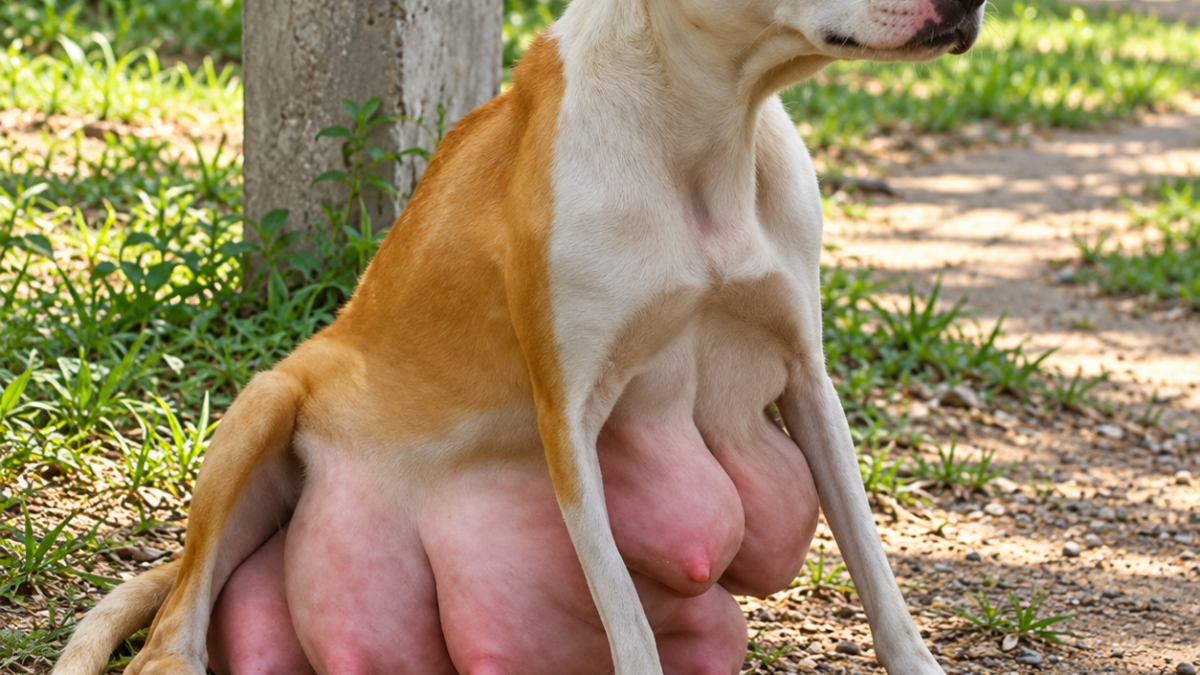
PART 2
The next morning, my phone started ringing before breakfast.
More sightings.
Once people understood that Betty was nursing, they paid closer attention.
A delivery driver had seen her near a warehouse.
A woman living farther outside town had spotted a brown dog cutting through a field.
Someone working at a convenience store remembered seeing her several times over the previous week.
Another person had tried to approach her with food and accidentally frightened her away.
I began writing everything down.
Time.
Location.
Direction of travel.
Weather.
Whether she was carrying food.
Whether her paws looked wet or muddy.
Whether she appeared from one side of the road or another.
Tiny details suddenly mattered.
One caller apologized.
“I probably can’t tell you anything useful.”
“Tell me anyway.”
“Well, when I saw her, she wasn’t looking around. She was moving fast. Like she was late.”
I paused.
“What direction?”
The caller described it.
I marked another point on the map.
Late.
That was exactly what Betty looked like.
Like a mother who had left children alone and knew she needed to get back.
Over the next two days, the number of people contributing information grew toward forty.
Their observations were imperfect.
Some conflicted.
Some locations were vague.
But gradually the picture sharpened.
Betty had several places where she searched for food.
She visited them depending on what was available.
But when she left town, she repeatedly traveled toward the same general area.
Unfortunately, that general area was enormous.
Fields.
Brush.
Private lots.
Outbuildings.
Drainage areas.
Stacks of discarded material.
Fences.
Ditches.
Places where a dog could easily disappear.
A litter of puppies could be twenty feet away and still remain invisible.
“We need the mother,” another rescuer told me.
“I know.”
“If we can secure her, maybe we can work backward.”
“And if she refuses to show us?”
“We keep trying.”
The answer sounded simple.
It wasn’t.
Betty had survived because she trusted almost nobody.
That distrust was now the greatest obstacle between us and her puppies.
Our first serious trapping attempt took hours to prepare.
We chose an area she visited regularly.
We placed food carefully.
We tried to make the setup look as nonthreatening as possible.
Then we waited.
Rescue work contains a surprising amount of waiting.
People see the dramatic moment when an animal is finally caught.
They don’t see the hours sitting in cars.
The repeated checking of cameras.
The quiet conversations.
The cold coffee.
The frustration of watching an animal approach, become suspicious, and disappear.
That afternoon, Betty appeared later than expected.
She stopped well outside the trap.
Her nose lifted.
She smelled the food.
I watched through the windshield.
“Come on.”
Betty circled.
She approached from one side.
Stopped.
Moved away.
Returned.
Her hunger was obvious.
She licked her lips.
The food was only a few feet beyond her.
One paw went forward.
Then another.
I barely breathed.
Betty leaned toward the opening.
A metallic sound came from somewhere nearby.
She froze.
Her head snapped toward it.
“No.”
She backed away.
For a moment, she remained in place.
I hoped hunger might pull her forward again.
Instead, she turned and ran.
The trap remained empty.
I dropped my forehead against the steering wheel.
We had failed.
Worse, we might have made her more cautious.
Every failed attempt had consequences.
Betty was learning.
The more she understood our methods, the harder the next attempt could become.
That night, I stared at the map spread across my table.
A friend called.
“Any luck?”
“No.”
“She’ll come back.”
“Maybe.”
“You don’t believe that.”
“I believe she’ll come back for food. I don’t know if she’ll come back near our setup.”
Silence.
Then my friend asked, “How long do you think the puppies can keep going?”
That was the question I didn’t want to answer.
“It depends.”
Their age mattered.
The weather mattered.
Betty’s milk production mattered.
Disease mattered.
Parasites mattered.
Everything mattered.
“She’s already too thin,” I said.
“You’ll get her.”
“I have to.”
Not I hope to.
I have to.
That was how it felt.
The next morning, Betty was seen again.
She had not abandoned the area.
Relief washed through me.
But another detail bothered me.
The person who saw her said she looked slower.
That might have meant nothing.
Or it might have meant exhaustion was finally winning.
I drove to the area immediately.
Betty wasn’t there.
I left food where she could reach it without coming too close to people.
Then I drove part of the route she seemed to use when leaving town.
I stopped near a ditch.
Walked the edge.
Nothing.
Checked beneath an old structure.
Nothing.
Looked behind piles of debris.
Nothing.
At one point, I thought I heard a puppy cry.
I froze.
There.
Again?
Nothing.
I stood completely still.
Wind moved through dry grass.
No puppy.
I kept searching.
Hours later, my clothes smelled like dirt and weeds.
My shoes were muddy.
My arms were scratched.
We still had nothing.
That evening, another rescuer said, “We could search the whole area.”
“We could search it for a week and miss them.”
“She may have hidden them underground.”
“I know.”
“Or under something.”
“I know.”
Betty had chosen the location precisely because she wanted it hidden.
Her success at protecting her babies was now working against us.
And I couldn’t blame her.
If you have spent enough time around frightened animals, you understand something important.
They are not difficult because they want to make rescue harder.
They are behaving according to what their experiences have taught them.
If running kept Betty alive yesterday, she would run today.
If hiding her puppies protected them last night, she would hide them again tonight.
Human intentions did not automatically override animal memory.
We had to prove safety.
That took time.
Time was the one thing I feared we didn’t have.
We changed our approach.
Instead of trying to force the moment, we focused on building predictability.
Food appeared.
Nobody chased her.
Water appeared.
Nobody grabbed her.
People who knew what we were doing were asked not to crowd her.
We reduced pressure.
The goal was simple.
Let Betty experience human presence without danger.
The progress was almost invisible at first.
One evening, she ate while I remained farther away.
The next day, she waited until I walked back toward the vehicle.
Another day, she stayed in sight instead of disappearing immediately after eating.
I spoke softly every time.
“Good girl.”
“You’re okay.”
“Get some food.”
I knew she did not understand the sentences.
But she understood tone.
She understood whether my body moved toward her.
She understood whether my hands reached.
And perhaps, little by little, she understood that I had chances to hurt her and chose not to.
One afternoon, she stood perhaps twenty feet away and looked straight at me.
I lowered my eyes slightly.
Direct staring can feel threatening to a fearful animal.
Betty took a step forward.
Then another.
My heart raced.
I wanted to celebrate.
Instead, I stayed motionless.
She smelled the air.
Then walked toward the food.
That tiny change told me something.
The wall was weakening.
But Betty still had a secret.
Every time she finished eating, she left us behind.
Once, we tried following at a distance.
She noticed.
Immediately, she changed direction.
We stopped.
“Smart girl,” I said, though I was frustrated.
She was protecting the route.
Protecting them.
Her puppies.
We needed a different solution.
The weather forecast made everything more urgent.
A colder night was coming.
Not catastrophic by California standards, perhaps, but dangerous for very young puppies exposed outdoors.
I checked the forecast repeatedly as if the numbers might improve.
They didn’t.
I imagined Betty lying with ten babies pressed against her, though at that time I still didn’t know their number.
I pictured her body becoming their only heater.
How much sleep could she possibly get?
Every movement in the dark would wake her.
Coyotes.
Other dogs.
People.
Vehicles.
Wind.
Puppies crying.
Hunger.
No wonder she looked exhausted.
That evening, we made another capture attempt.
This time Betty approached more confidently.
Food led her toward safety.
She hesitated.
Then moved.
Everything happened quickly after that.
There was a moment of panic.
A scramble.
Betty tried to retreat.
But finally, for the first time since people began reporting her, she was contained.
Safe.
I expected relief.
Instead, the expression on her face broke my heart.
Betty did not know she had been rescued.
She believed she had been trapped.
Her body pressed as far away from us as possible.
Her tail tucked tightly.
She trembled.
Her eyes avoided mine.
“Easy,” I whispered.
Betty’s breathing came fast.
“No one’s going to hurt you.”
Words meant nothing yet.
I placed food within reach.
She didn’t touch it.
Water.
Nothing.
I backed away.
Only after I left the immediate area did Betty move.
Watching her from a distance, I felt something complicated.
We had achieved what we had been trying to do.
She could no longer be hit by a car.
She would eat.
She would be warm.
She could rest.
But I also knew that somewhere outside, her puppies were waiting.
Betty was safe.
They were not.
For the first time, their mother would not return that night unless we found them.
That realization turned our victory into another emergency.
“We need to start now,” I said.
We began reconstructing Betty’s movements in detail.
I called people again.
Some of them had already spoken with me twice.
“I’m sorry to bother you.”
“No, it’s okay. Did you catch her?”
“Yes.”
“Oh, thank God.”
“But we don’t have the puppies.”
There would be a pause.
Then their voices changed.
“What do you need?”
“Tell me exactly where you saw her.”
One woman walked outside while we spoke and stood in the place where she remembered Betty crossing.
“She came from my left.”
“Your left facing the road?”
“Yes.”
“Did she cross straight?”
“No. She went diagonally.”
“Toward what?”
“There’s an open area. Then some properties farther back.”
Another person remembered Betty’s paws being muddy after several days without rain.
That detail was useful.
She might have crossed irrigation or wet ground.
Someone else said Betty disappeared near an area bordered by fencing.
Another remembered seeing her squeeze beneath a section rather than going around.
Every memory became a piece.
The map became crowded with notes.
Arrows.
Times.
Question marks.
Possible routes.
At some point, I looked at it and thought, This is ridiculous.
We were trying to solve a mystery using scraps gathered from strangers who had seen a dog for seconds at a time.
But then I looked at Betty.
What choice did we have?
Her puppies could not call us.
They could not send a location.
They could not walk into town.
Betty was the only map that truly mattered.
The question was whether she would help us read it.
That first night in safety, she barely slept.
She remained curled tightly.
Food disappeared only when nobody was close.
If a person entered, she became still.
Not aggressive.
Just afraid.
That distinction mattered.
Betty wasn’t trying to challenge us.
She was trying to become invisible.
I sat on the ground outside her space.
We stayed like that for a long time.
“Your babies are out there,” I said quietly.
Her ears twitched.
“I know you don’t understand me.”
Betty kept her face turned away.
“But I need you.”
Nothing.
“You’ve been doing this alone for too long.”
Still nothing.
I leaned back against the wall.
“I wish you could tell me where.”
The next morning, we searched more areas.
No puppies.
We looked beneath abandoned materials.
No puppies.
Behind sheds.
No puppies.
In brush.
No puppies.
Every time I found a space just large enough for a mother dog, my pulse jumped.
Then disappointment.
Empty.
Empty.
Empty.
I began worrying that the puppies might have moved.
Could they be old enough to wander?
Had something frightened them?
Had another animal reached the nest?
I hated my own thoughts.
Rescue teaches you to imagine worst-case scenarios because sometimes preparing for them keeps animals alive.
But imagination can also punish you.
Every hour, my mind created another disaster.
We returned to Betty.
She had eaten.
That was good.
She was still frightened.
That was expected.
When I approached, her eyes followed me.
I sat.
No reaching.
No pressure.
Just presence.
Minutes passed.
Then Betty’s tail moved.
So slightly I almost missed it.
One tap.
I leaned forward.
“Did you just wag?”
Betty looked away.
Another tiny movement.
I smiled despite everything.
“That counts.”
The next day, another small change.
She ate while I was still visible.
Then she drank water without waiting for me to leave completely.
Trust was growing in millimeters.
But the puppies needed miles.
We began thinking about sound.
If maternal instinct was stronger than fear, perhaps we could use that instinct to help Betty understand what we wanted.
I found recordings of puppies.
Not loud.
Not dramatic.
Small cries.
Nursing sounds.
I stood where Betty could see me and played a short clip.
Her reaction was immediate.
Her head shot up.
Her ears came forward.
The fear in her posture disappeared.
She stood.
I stopped the audio.
Betty stared at the phone.
I played it again.
She took several steps toward me.
My throat tightened.
“There you are.”
Another puppy cry.
Betty paced.
Her entire body said the same thing.
Where are they?
For the first time, Betty moved toward me because of something she wanted more than distance.
Her babies.
That gave us an idea.
“What if we walk her?”
Someone asked the question cautiously.
It was risky.
A terrified dog outside could escape.
If Betty slipped loose, we might lose her completely.
But if properly secured and handled carefully, maybe she would lead us.
“She knows the route,” I said.
“She may refuse.”
“She may.”
“She may try to go back to town.”
“She won’t.”
“How do you know?”
I looked at Betty.
“Because town was never where she wanted to be.”
The town had been a necessity.
The puppies were home.
We prepared carefully.
No rushing.
No unnecessary people.
Secure equipment.
A plan for what to do if she panicked.
I felt nervous the moment we stepped outside.
Betty stopped.
She smelled the air.
Looked around.
Her body tightened.
I waited.
“Take your time.”
She moved a few steps.
Stopped again.
We played puppy sounds briefly.
Her head turned.
Then Betty chose a direction.
We followed.
At first, every twenty feet felt uncertain.
Was she leading us?
Or simply walking?
She smelled the ground.
Looked toward familiar landmarks.
Then began moving with more confidence.
We passed an area that matched the route on my map.
My heart pounded.
“She’s going the right way.”
No one wanted to say it too loudly.
We kept moving.
Betty’s pace increased.
The farther we went from town, the more certain she became.
She stopped acting like a frightened captured dog and began acting like the determined mother we had been watching for days.
Forward.
Always forward.
After perhaps half a mile, I knew.
She was taking us somewhere.
The roads and paths became rougher.
We continued.
I remembered all the reports.
The woman who saw her cross.
The man who thought she looked late.
The muddy paws.
The direction changes.
All those fragments were becoming one physical route beneath our feet.
A mile passed.
Then more.
Betty kept going.
“How far did she do this every day?” someone asked.
“About two miles into town depending where she found food.”
“And back?”
“Yes.”
Someone exhaled.
No one said anything else.
There was nothing to say.
We were healthy adults walking behind a dog who had made these journeys while underweight and nursing.
Suddenly every mile felt like evidence.
We reached a more isolated stretch.
Betty became intensely focused.
Her nose lowered.
She pulled slightly.
Then she stopped.
Her ears lifted.
I heard nothing.
“Betty?”
She stared toward a concealed area.
We moved closer.
Still nothing.
Then came a sound so faint I wasn’t sure it was real.
A squeak.
Everyone froze.
“There.”
Another tiny sound.
My heart slammed against my chest.
“Puppies.”
Betty pulled forward.
We followed her line of sight.
At first, I saw only shadow.
Then something moved.
A small face.
Brown.
Tiny.
Blinking.
“Oh my God.”
Another head appeared.
Then another.
I dropped to my knees.
“There are babies.”
We approached carefully.
Betty watched every movement.
Inside the protected hiding place was a cluster of puppies pressed together.
I began counting.
“One.”
A puppy shifted.
“Two.”
Another body appeared beneath its sibling.
“Three.”
More.
“Four.”
My voice broke.
“Five.”
I had expected maybe four or five.
“Six.”
Someone behind me whispered, “There are more.”
“Seven.”
My hands started shaking.
“Eight.”
A little head emerged from behind the others.
“Nine.”
I searched the pile.
Then saw the last one.
“Ten.”
Silence.
Ten puppies.
Ten living puppies.
For a moment, nobody moved.
The number seemed impossible.
I looked at Betty.
She stood close enough to watch but far enough to escape if she felt threatened.
“You had ten?”
My eyes filled with tears.
“Ten babies?”
Betty stared at me.
I looked back at the puppy pile.
Her body had produced milk for ten.
Her thin legs had carried her miles for ten.
Every piece of food she found had been used to keep herself alive long enough to return to ten.
Every night, ten small bodies had needed warmth.
Ten mouths had needed milk.
Ten lives had depended on one exhausted dog.
Suddenly the word mother felt too small.
I reached toward the nearest puppy.
Betty tensed.
I stopped.
“It’s okay.”
I let her smell my hand.
For a second, I wondered whether she might decide that trusting us had been a mistake.
The babies were everything she had protected.
She had hidden them from people successfully.
Now she had brought people directly to them.
That was the greatest gamble she could make.
I moved slowly.
The first puppy squeaked when I lifted it.
Betty stepped closer.
“I know.”
The puppy was warm but small.
Alive.
I passed it gently to another rescuer.
“One safe.”
Then another.
And another.
Each puppy was handled carefully.
We counted repeatedly.
Ten.
Still ten.
No one missing.
No body hidden farther back.
No puppy left behind.
The relief was so intense it made my legs weak.
Betty moved near the carriers where her babies were placed.
I watched her.
“Come with us.”
She did.
The walk back felt completely different.
On the way out, we had carried uncertainty.
On the way back, we carried ten puppies.
Betty remained alert, checking them whenever possible.
When we finally reached safety, we reunited the family.
The reaction was immediate.
The puppies smelled their mother.
Tiny bodies began moving.
Betty lay down.
They climbed toward her.
One crawled over another.
Several tried to nurse at once.
I laughed through tears.
“Everybody’s here.”
Betty looked exhausted.
But something in her expression had changed.
For days, her entire existence had been divided between two impossible tasks.
Leave the babies to find food.
Leave food to return to the babies.
Now those two worlds had finally been brought together.
Her food was here.
Her babies were here.
Warmth was here.
Water was here.
She no longer needed to choose.
I placed a bowl near her.
Betty ate quickly.
Then lifted her head to check the puppies.
“They’re not going anywhere.”
She continued eating.
That night, Betty did not have to walk two miles.
No roads.
No cars.
No trash containers.
No strangers.
No darkness.
Her puppies slept beside her.
She slept beside them.
I visited before leaving.
The family looked almost peaceful.
Almost.
Betty still woke when I entered.
Her eyes followed me.
But she didn’t move away.
“Good night, mama.”
Her tail touched the blanket once.
That tiny movement felt like a victory.
The veterinary examinations began the next day.
Everyone expected the puppies to show signs of a difficult start.
They had been born outside.
Their mother had been underfed.
They had no preventative care.
No controlled temperature.
No clean nursery.
No one knew what exposure they had faced.
Yet Betty had done an extraordinary job.
The puppies were alive.
They needed care, monitoring, nutrition, and eventually all the normal veterinary treatment young dogs require, but they had survived the most fragile part of their lives with one resource above all others.
Their mother.
Betty, meanwhile, needed recovery just as badly.
Her body was depleted.
She was thin enough that we had to be thoughtful about restoring weight.
Feeding an animal who has experienced prolonged hunger isn’t simply a matter of dropping an enormous bowl in front of them and letting them eat endlessly.
Her nutrition needed to support both recovery and nursing.
She needed rest.
She needed monitoring.
And perhaps more than anything, she needed to learn that food had become reliable.
The first few days revealed how deeply scarcity had shaped her.
When a bowl arrived, Betty ate as though it might disappear.
She sometimes checked the feeding area afterward.
If a piece of food fell away from the bowl, she found it.
Nothing was wasted.
I watched her one morning and thought about all the places people had seen her scavenging.
How many meals had consisted of leftovers from pavement?
How often had she eaten something she shouldn’t because hunger gave her no choice?
How many times had she found nothing at all?
Now food arrived on schedule.
Breakfast.
Dinner.
Additional nutrition as needed.
Water never disappeared.
At first, I don’t think she trusted the pattern.
Then something began happening.
She stopped eating with quite the same panic.
The first time she walked away from a bowl with a little food remaining, I stared.
“You know there’s more coming.”
Betty looked at me.
“That’s it, isn’t it?”
She returned later and finished it.
But the change mattered.
Animals remember abundance too.
The puppies began growing quickly.
Once they became more active, peaceful nursing sessions transformed into chaos.
Ten puppies do not politely wait their turn.
They climbed over each other.
Pushed.
Squeaked.
Rolled.
One would crawl directly across Betty’s face to reach a better position.
Another seemed determined to nurse upside down.
Betty tolerated almost everything.
Sometimes she gave me a look that made me laugh.
“You made ten of them,” I reminded her.
Her expression seemed to say she regretted the arithmetic.
As their eyes opened more fully and their legs became stronger, individual personalities emerged.
We gave them temporary names so we could track them.
One puppy was always first to investigate anything new.
I called him Scout.
Another was rounder than the rest and obsessed with food.
Tank.
There was a little female who climbed constantly.
I called her Roo because she seemed convinced every barrier was a challenge.
One puppy preferred sleeping away from the chaos whenever possible.
Napoleon earned his name not because he was commanding, but because someone joked that he was “small and already acting important.”
Then there was Peanut, the smallest.
Peanut worried me at first.
In a litter of ten, competition can be intense.
We monitored weight.
Made sure everyone had access.
Helped where necessary.
Every tiny gain mattered.
“You’re not getting left behind,” I told Peanut.
Betty seemed to agree.
She often checked the smallest babies carefully.
I began seeing a different side of her.
Outside, survival had made her look hard.
Inside, safety revealed patience.
When a puppy wandered too far, Betty guided it back.
When they piled on top of her, she adjusted rather than escaping.
If one cried, her head lifted.
Motherhood had not been merely instinctive work for her.
She was attentive.
One afternoon, I sat beside the family while Betty rested.
Scout crawled toward me.
He smelled my shoe.
Then bit the lace.
“Absolutely not.”
He bit harder.
I gently moved him.
Two seconds later, he returned.
Betty watched.
“Control your child.”
Her tail tapped once.
“I’m serious.”
Scout attacked the shoelace again.
Betty closed her eyes.
Apparently discipline had become my problem.
Those moments mattered more than people realize.
Rescue stories can become so focused on tragedy that we forget animals are funny.
They are inconvenient.
Ridiculous.
Curious.
Stubborn.
They make messes.
They steal things.
They climb where they shouldn’t.
Healing means those ordinary behaviors return.
A puppy chewing my shoelace was evidence of life winning.
Betty’s own personality emerged more slowly.
At first, she simply tolerated me.
Then she began watching for me.
I noticed it one morning when I entered.
Her ears lifted before I spoke.
“Good morning.”
Tail movement.
I put down food.
More tail movement.
“Is that for breakfast or me?”
Betty stared at the bowl.
“Okay. Humbling.”
Another week passed.
The wiggle began.
I entered with clean bedding.
Betty stood.
Her tail moved.
Then her hips joined.
Then nearly her entire back end began swaying.
I laughed so loudly another volunteer looked over.
“What?”
“Look at her.”
Betty wiggled again.
The volunteer smiled.
“Where has that been?”
“Hidden under fear.”
It was impossible not to love.
This dog who once made herself small now expressed happiness with her entire body.
Soon the wiggle appeared more often.
Food.
Familiar voices.
Gentle attention.
Sometimes no obvious reason at all.
The first time Betty chose physical contact, I nearly cried.
I was sitting near her.
Not reaching.
She approached.
Stopped.
Smelled my sleeve.
I kept my hand resting on my leg.
Betty leaned forward.
Her shoulder touched my knee.
Very lightly.
Then she remained there.
I looked down.
“Are you sure?”
No movement away.
Slowly, I touched the side of her neck.
Betty stiffened for half a second.
Then relaxed.
I stroked once.
Stopped.
She stayed.
Again.
Her eyes softened.
I swallowed.
“You’re okay.”
For a dog who had once fled from every hand, remaining within reach was enormous.
I never wanted to make affection another thing she had to endure.
So when she moved away, I let her.
When she returned, I welcomed her.
Consent builds confidence.
Betty began choosing contact more frequently.
Soon she learned the pleasure of neck scratches.
Then chest scratches.
Then behind-the-ear scratches.
The first time she pushed her head beneath my hand because I had stopped too soon, I laughed.
“Oh, now you have demands?”
Wiggle.
“You used to run from me.”
Betty pressed closer.
“Selective memory?”
She closed her eyes.
The puppies watched all of this.
That mattered too.
Young dogs learn from their mother.
If Betty panicked every time humans entered, they could absorb that fear.
But as she relaxed around us, they saw her choosing trust.
Their early human interactions were gentle.
No overwhelming handling.
No frightening crowds.
Just repeated positive experiences.
Warm hands.
Food.
Soft voices.
Play.
By the time the puppies became old enough to tumble around freely, they regarded humans as climbing structures.
Roo once tried to scale my leg.
“Why?”
She continued upward.
“You’re a dog.”
No effect.
I lifted her.
Roo licked my chin.
“Okay. You win.”
The puppies gained weight.
Their legs became steadier.
Play became rougher.
Every object became a toy.
Blanket?
Toy.
Bowl?
Toy.
Sibling’s ear?
Excellent toy.
Human shoelace?
Best toy.
Betty began spending short periods away from them.
At first, she checked constantly.
Then she discovered something remarkable.
Quiet.
I once found her resting alone on a blanket in another area while ten puppies caused chaos nearby.
She looked at me.
I looked at them.
Then back at her.
“You’re hiding.”
Her eyes closed.
“I respect it.”
Eventually, Betty began playing too.
The first toy I offered confused her.
It was soft and squeaked when pressed.
I placed it nearby.
Betty smelled it.
Nothing.
I squeezed it.
Squeak.
She jumped.
I laughed.
“Sorry.”
Betty approached cautiously.
I squeezed it more gently.
Her ears lifted.
She touched it with her nose.
Squeak.
She stepped backward.
Then forward again.
I left it on the blanket.
Minutes later, Betty picked it up.
Squeak.
She dropped it.
Picked it up again.
Squeak.
Then something activated.
Betty grabbed the toy and shook it violently.
I laughed.
“Yes!”
She shook it again.
Within fifteen minutes, the toy had suffered catastrophic injuries.
Stuffing appeared.
I held up the remains.
“Betty Boop.”
She wiggled.
“This was new.”
Wiggle.
“Do you have any explanation?”
She grabbed the torn toy.
That became one of my favorite memories.
The dog who once used every ounce of energy for survival finally had energy to waste.
Play is wasteful in the best possible way.
You don’t need it to stay alive.
You do it because you feel safe enough to enjoy being alive.
Betty was beginning to live rather than merely survive.
Still, recovery was not a straight line.
Some days a loud sound brought the frightened street dog back instantly.
A dropped metal bowl once sent her scrambling.
She pressed herself against a wall.
Her eyes widened.
I stopped moving.
“It’s okay.”
She trembled.
I sat several feet away.
No reaching.
No forcing.
Minutes passed.
Eventually, Betty looked at me.
I placed a treat on the floor.
She didn’t approach.
I left it.
Later, the treat disappeared.
The next day she was almost normal again.
Healing doesn’t erase memory.
It teaches the nervous system that memory does not always predict the present.
We respected that.
The puppies, meanwhile, reached the stage everyone both looked forward to and dreaded.
Adoption planning.
Ten puppies meant ten families had to be screened.
Ten sets of expectations.
Ten futures to consider.
We wanted homes that understood puppies were work.
Cute photographs are easy.
House training at two in the morning is less glamorous.
Chewed furniture is less glamorous.
Veterinary expenses are less glamorous.
Adolescent behavior is definitely less glamorous.
Every puppy deserved a home prepared for the dog it would become, not merely the baby it was today.
Applications arrived.
Some were excellent.
Some were unrealistic.
One family wrote that they wanted “the calmest puppy” because they had never owned a dog and worked long hours.
I looked at ten puppies currently attacking a cardboard box.
“Calmest may be relative.”
Another family had an older dog and wanted a companion.
We arranged careful introductions.
Some puppies were bold.
Others needed time.
Matchmaking mattered.
Betty watched people come and go.
Early in rescue, visitors would have terrified her.
Now she observed from a comfortable distance.
I wondered whether she understood her puppies would leave.
Probably not in the human sense.
But she recognized change.
The first adoption day was harder than I expected.
A family arrived for one of the pups.
They had been approved.
They had supplies.
They had asked good questions.
Their excitement was obvious.
The puppy, of course, had no idea his life was changing.
He attempted to chew the adoption paperwork.
“Excellent legal review,” I said.
The new owner laughed nervously.
“Is he always like this?”
“Yes.”
The puppy attacked the corner again.
“Definitely.”
Before they left, I carried him near Betty.
She smelled him carefully.
He licked her face.
For a moment, I felt guilty.
Betty had fought so hard to keep them together.
Now we were separating them.
But keeping an entire litter together forever was neither realistic nor necessarily best.
Her job as their mother was changing.
They needed individual homes.
Individual attention.
Individual futures.
The family held the puppy gently.
“We’ll take care of him.”
I believed them.
Still, when the door closed, I felt tears.
Betty noticed the missing puppy.
She smelled around.
Checked.
Then settled with the remaining nine.
The next puppy left several days later.
Then another.
With each adoption, the room grew quieter.
Ten became nine.
Nine became eight.
Eight became seven.
The puppies still present seemed to occupy twice as much space to compensate.
One adoption almost didn’t happen.
A family had been approved for Peanut, the smallest.
They were experienced.
Kind.
Patient.
Everything looked right.
But the night before, I stared at Peanut sleeping and felt anxious.
He had been the baby I watched most carefully.
The one I weighed with extra attention.
The one I worried might fall behind.
I picked him up.
“You sure you’re ready?”
Peanut yawned.
“Very reassuring.”
The next day, his new family arrived.
They had brought a small blanket.
Not because we had told them.
Because they wanted him to have something soft for the drive.
I watched them sit on the floor and let Peanut approach at his own speed.
No grabbing.
No squealing.
No overwhelming him.
He walked toward them.
Smelled a hand.
Climbed into a lap.
My anxiety eased.
Sometimes the right family reveals itself in tiny gestures.
Before they left, one of them asked, “Can we send updates?”
“Yes.”
“Probably too many.”
“There’s no such thing.”
That became true.
Photographs began arriving.
The first puppy asleep on a sofa.
Another lying beside a child.
A puppy in a yard chasing leaves.
One curled against an older dog.
Another wearing a ridiculous sweater.
I showed the images to other rescuers.
“Look at this.”
“Is that Scout?”
“Yes.”
“He got huge.”
“He’s been gone two weeks.”
“He thinks he got huge.”
Updates mattered because adoption is both ending and beginning.
From the rescue side, you say goodbye.
Then the photographs remind you that goodbye created the life you were working toward.
Betty’s own future remained a larger question.
Everyone loved the puppies.
Betty needed someone to love the adult dog who came with history.
She was improving.
But she still had fears.
She needed patience.
Someone who would see her wiggle and her softness without expecting the past to disappear completely.
I worried about her being overlooked.
Puppies attract attention automatically.
Adult mothers sometimes remain after everyone else leaves.
People say, “She’s beautiful,” then ask about the babies.
I promised myself Betty would not become invisible again.
One afternoon, a woman came to meet another dog.
She walked past Betty’s area.
Betty watched her.
The woman stopped.
“Who is that?”
“That’s Betty Boop.”
“The mom?”
“Yes.”
“The one who walked into town?”
“That’s her.”
The woman crouched a comfortable distance away.
Betty looked at her.
No panic.
The woman didn’t reach.
Didn’t call repeatedly.
Just waited.
Betty stood.
Took a step.
Then another.
Smelled the air.
The woman smiled.
“Hi, Betty.”
Tail movement.
I watched carefully.
The interaction lasted only a few minutes.
The woman eventually stood.
“She’s special.”
“She is.”
I didn’t push.
A good adoption should never come from pressure.
But I remembered the way Betty had approached her.
Later, the woman contacted us again.
She wanted to know more.
Not the dramatic story.
The daily details.
Did Betty get along with other dogs?
What frightened her?
How was she on leash?
Did she enjoy being inside?
What was her energy level?
Could she be left alone safely?
Those were good questions.
Questions from someone imagining actual life, not just rescue romance.
We talked for a long time.
I explained that Betty had changed tremendously but needed time.
“She may not walk into your house and act like she’s always lived there.”
“I understand.”
“She may need quiet.”
“That’s fine.”
“She may save food.”
“We’ll let her.”
“She’s learning toys.”
The woman laughed.
“I saw the destroyed one.”
“She’s advanced.”
Another meeting followed.
Then another.
Betty remembered her.
The wiggle appeared.
That was when I allowed myself to hope.
Meanwhile, the last puppies found families.
The final puppy to leave was Roo.
Of course Roo made departure difficult.
While her new family completed paperwork, she escaped the small play area and ran beneath a chair.
Then emerged.
Then stole a pen.
Then attempted to climb into someone else’s bag.
I stared at her.
“You are making a strong final impression.”
The family laughed.
“We like her.”
“You’ll need to.”
Roo bit the bag strap.
“A lot.”
When they finally carried her toward the door, I felt the familiar ache.
Betty watched.
Roo twisted around in their arms and looked back briefly.
Then she was gone.
The room became strangely silent.
No puppy pile.
No tiny feet.
No constant wrestling.
No squeaking.
Betty walked around the space.
She smelled the bedding.
Checked a corner.
Then looked at me.
I sat beside her.
“They’re okay.”
She approached.
I rubbed her neck.
“You did it.”
Her tail moved slowly.
“All ten.”
I thought about the hiding place.
Ten bodies pressed together.
Now ten separate homes.
Ten food bowls.
Ten beds.
Ten names spoken by people who loved them.
Betty had taken them as far as she could.
The rest belonged to us.
Now Betty deserved her own beginning.
Her potential adopter completed the process carefully.
No rushed promises.
No impulsive decision.
We prepared for transition.
I sent familiar bedding.
Discussed routines.
Food.
Triggers.
What helped when Betty was nervous.
What not to do.
“Don’t corner her.”
“I won’t.”
“Let her choose contact.”
“Absolutely.”
“If she hides, give her time.”
“Got it.”
“And squeaky toys…”
The woman smiled.
“I bought several.”
“Buy more.”
Adoption day arrived.
I had imagined it many times.
In some versions, I was completely happy.
In others, I cried.
The reality was both.
Betty wore a clean collar.
Her coat looked nothing like the dusty coat from that first photograph.
Her ribs were no longer sharply visible.
Her eyes were brighter.
She approached her adopter with a wiggle.
The woman knelt.
Betty smelled her hands.
Then leaned closer.
I swallowed hard.
Months earlier, I had stood thirty feet from this dog and begged her to eat.
Now she voluntarily pressed against a human.
The woman looked at me.
“I’m nervous.”
“Good.”
She seemed surprised.
“Good?”
“It means you understand she matters.”
She laughed softly.
“I really want this to work.”
“Then give it time.”
Betty looked between us.
I crouched.
“Hey, mama.”
Her ears lifted.
“This is the part where you leave me.”
My voice cracked.
Betty stepped closer.
I hugged her gently, careful not to restrain.
“You don’t have to walk anymore.”
She licked my chin.
That destroyed whatever emotional control I had left.
I laughed while wiping tears.
“Really?”
Her tail wagged.
“Now you do that?”
The adopter’s eyes filled too.
“I’ll take care of her.”
I nodded.
“I know.”
Betty climbed into the vehicle after some hesitation.
The door closed.
I stood outside.
She looked through the window.
For one moment, the image collided with the past.
Betty traveling away.
But this time she wasn’t disappearing toward a hidden litter.
She wasn’t hungry.
She wasn’t alone.
She wasn’t running from us.
She was going home.
The vehicle pulled away.
I watched until it turned out of sight.
The silence afterward felt enormous.
Rescue is strange.
You can spend weeks wishing for the day an animal no longer needs you.
Then when the day arrives, losing your role hurts.
I returned to the empty area where Betty and the puppies had lived.
A torn toy remained beneath a blanket.
I picked it up.
Half the stuffing was missing.
I laughed.
“Of course.”
The first update came sooner than expected.
A photograph.
Betty standing inside the new house.
Cautious.
Tail low but not tucked.
The message read:
“She explored the kitchen. She’s nervous but doing okay.”
I smiled.
A few hours later:
“She ate.”
That was important.
The next morning:
“She slept beside the couch.”
Then:
“She came to me for scratches.”
I stared at that one.
Already?
Betty had learned faster than I had dared hope.
Not every day was perfect.
There were setbacks.
A loud noise frightened her.
She hesitated at certain doors.
For several days, she seemed uncertain about the yard after dark.
Her adopter never rushed her.
She sat nearby.
Used familiar routines.
Allowed Betty to choose.
Then came the photograph that became one of my favorites.
Betty on a couch.
Not beside it.
On it.
Legs stretched.
Head resting against a cushion.
Completely shameless.
The caption:
“I think she figured out she lives here.”
I laughed.
The dog who once slept hidden outdoors had discovered furniture.
That seemed appropriate.
Soon another photo arrived.
Betty with a squeaky toy in her mouth.
Already damaged.
“You warned me,” the adopter wrote.
“Yes,” I replied. “I did.”
Then came a video.
Betty heard her new person call her name.
She turned.
Her tail started.
Her hips followed.
The full wiggle.
I watched it three times.
The fear in that first photograph felt like another lifetime.
Updates from the puppies continued too.
Scout’s family reported he had grown into an enthusiastic troublemaker.
He loved people.
He loved walks.
He loved stealing socks.
Tank remained devoted to food.
Roo had apparently learned to open a partially closed door with her nose, confirming every suspicion I had ever had about her.
Peanut gained weight beautifully and became surprisingly confident.
One puppy bonded with a child and slept outside the bedroom door every night.
Another became inseparable from the family’s older dog.
One discovered sprinklers.
One hated rain.
One carried the same stuffed animal everywhere.
They were ordinary family dogs.
That was the miracle.
People sometimes expect rescue endings to be dramatic forever.
But the best endings become ordinary.
Breakfast.
Walks.
Vet appointments.
Chewed shoes.
Birthday photographs.
Sleeping on couches.
Waiting at windows.
Barking at delivery drivers.
Begging for snacks.
Being part of a household.
Ordinary life was exactly what Betty had been denied.
One day, I returned to the area where we had first watched her.
I didn’t go there because I needed anything.
I just found myself driving that way.
The road looked almost disappointingly normal.
Cars passed.
People entered businesses.
Trash containers stood where they always had.
I parked.
For several minutes, I sat in the same place where I had once watched Betty appear from darkness.
I remembered the thin silhouette.
The cautious steps.
The way she had grabbed food and run.
At the time, I had seen a stray.
Now I knew what had been happening beyond my sight.
Betty wasn’t simply leaving.
Ten puppies were waiting at the end of that road.
Ten.
I drove the route we had walked together.
Slowly.
The distance surprised me again.
When you travel by car, two miles feels short.
When you walk it hungry, nursing, and frightened, it becomes something else.
I stopped near the area where the puppies had been hidden.
The place was quiet.
No sign remained of the little family.
I stood there imagining Betty arriving after another exhausting trip.
Maybe carrying nothing.
Maybe having found only scraps.
The puppies hearing movement.
Tiny bodies waking.
Crawling toward her.
Betty lying down despite hunger.
Giving them everything she still had.
I thought about the word sacrifice.
Humans like grand definitions.
But sometimes sacrifice looks like a tired animal walking one more mile.
Then one more.
Then one more.
No applause.
No promise of reward.
Just responsibility.
Betty did not know anyone was coming.
That is the part that stays with me.
She didn’t keep those puppies alive because she believed rescue was around the corner.
She kept them alive because they were hers.
She had no reason to expect life would improve.
And she did the work anyway.
People sometimes asked whether I felt angry.
At what?
The world?
The circumstances that left her outside?
The fact that dozens of people had seen her before anyone understood the full situation?
Yes.
Sometimes.
There is a particular frustration in realizing suffering can exist within sight of daily life.
People drive to work.
Buy groceries.
Pick up children.
Go home.
Meanwhile, an animal can be fighting a private battle just beyond the edge of attention.
But anger wasn’t the emotion that lasted.
Betty changed it into something else.
Determination.
Because nearly forty people eventually did notice.
They shared sightings.
They answered calls.
They remembered details.
Someone left food.
Someone took a photograph.
Someone sent a message.
Someone watched which direction she traveled.
No single action rescued the family.
The rescue existed because all those small actions connected.
That mattered.
One person cannot save every animal.
But noticing one can save eleven.
Months passed.
Betty’s adopter sent a new photograph.
Betty looked almost unrecognizable.
Healthy weight.
Smooth coat.
Bright eyes.
She stood in a sunny patch of yard wearing an expression of complete confidence.
I zoomed in.
“No ribs.”
I smiled.
No ribs.
That simple thing made me emotional.
Another update followed.
Betty had begun sleeping upside down.
Legs in the air.
Belly exposed.
If you understand fearful dogs, you understand what that posture can represent.
Vulnerability.
Comfort.
Safety.
A dog living in constant survival mode doesn’t always surrender awareness easily.
Betty now slept as if the world could be trusted while her eyes were closed.
That was bigger than weight gain.
Bigger than toys.
Bigger than the wiggle.
She could rest.
Truly rest.
Her adopter once wrote:
“Sometimes I watch her sleeping and wonder what she dreams about.”
I wondered too.
Did Betty dream of the streets?
Of the puppies?
Of walking?
We would never know.
I hoped that if old memories visited her sleep, they ended differently now.
A road leading to a house.
Hunger leading to a bowl.
Fear leading to a gentle hand.
One afternoon, several puppy families shared updated photographs around the same time.
I collected them.
All ten.
I laid them out across a table.
Scout.
Tank.
Roo.
Peanut.
And the others, each now known by the permanent names their families had chosen.
I counted.
One.
Two.
Three.
Four.
Five.
Six.
Seven.
Eight.
Nine.
Ten.
The same count from the hiding place.
But nothing else was the same.
In one photograph, a puppy—no longer really a puppy—sat beside a Christmas tree.
Another stretched across a couch as though paying rent.
One posed beside two smiling children.
Another stood on a hiking trail.
One wore a birthday hat and looked deeply offended.
I laughed.
“Sorry, buddy.”
Another photo showed a dog resting with its head on an elderly man’s knee.
That one held my attention.
The man’s hand rested gently on the dog’s neck.
Neither looked toward the camera.
It was such an ordinary moment.
And because it was ordinary, it felt enormous.
Betty’s milk.
Betty’s miles.
Betty’s cold nights.
Betty’s fear.
They had somehow traveled through time and become that quiet hand resting on that grown dog.
Every act of survival had created possibilities Betty would never understand.
I wished I could explain them to her.
I wished I could sit beside her and say:
Remember the baby who always crawled beneath your front leg?
He has a family.
Remember the tiny one we worried about?
Strong now.
Remember the wild climber?
Still causing trouble.
Remember all those nights you kept turning back because they were waiting?
They don’t have to wait anymore.
They are home.
But perhaps Betty didn’t need the details.
Her body had already learned the most important ending.
She was home too.
Occasionally people still referred to her as “that stray from Fowler.”
The phrase felt wrong.
Betty had been stray only in the human sense.
She wasn’t directionless.
She had somewhere to belong before any person gave her an address.
Her puppies were her home.
That was why she always returned.
The tragedy was simply that she had to build that home in hiding.
I remembered the failed trap often.
At the time, I had been devastated.
I had thought we were losing precious time.
We were.
But years of rescue taught me not to judge an entire outcome by one failed day.
Betty ran.
Then came back.
The trap failed.
Then trust grew.
The search failed.
Then Betty led us.
Fear did not disappear.
Trust became stronger.
That pattern became the real story.
People want transformation to happen in a straight line.
It rarely does.
Betty improved, then panicked.
Trusted, then hesitated.
Played, then froze at a loud sound.
Moved forward, then remembered.
None of that erased progress.
Healing isn’t never being afraid again.
Sometimes healing is knowing what to do after fear arrives.
Betty learned that.
So did I.
There was one update I waited for more than others.
The anniversary of her rescue.
I remembered the date.
Her adopter did too.
A message appeared that morning.
A photograph of Betty sitting beside a plate with a dog-friendly treat.
Behind her was a small sign.
“Gotcha Day.”
Betty stared at the food.
Not the camera.
Perfectly Betty.
The message underneath read:
“One year ago she was afraid to look at people. Today she demanded breakfast early and stole my spot on the couch.”
I laughed.
Then cried.
That was the revenge people sometimes wanted in rescue stories.
They wanted the cruel world punished.
They wanted whoever had failed an animal to suffer.
They wanted a dramatic moment where pain was repaid.
But Betty’s life taught me a different kind of revenge.
The streets told her food was uncertain.
Her answer was a bowl that filled every day.
Cold nights told her comfort was temporary.
Her answer was a warm bed.
Fear told her people could not be trusted.
Her answer was choosing a human and leaning into their hands.
Scarcity told her she needed to fight for every scrap.
Her answer was leaving food in the bowl because she knew more would come.
Exhaustion told her she could never rest.
Her answer was sleeping upside down on a couch.
And whatever force had once made her believe she had to carry ten lives entirely alone?
Her answer was ten families carrying those lives with her.
That was revenge.
Not destruction.
Replacement.
Every terrible thing replaced by something better.
There was something especially satisfying about seeing Betty become demanding.
A dog who once accepted scraps eventually developed preferences.
Certain treats were superior.
Certain blankets were preferred.
Some toys deserved immediate destruction.
Others were carried around first.
Rainy walks were apparently negotiable.
Couch space belonged to Betty unless compelling evidence suggested otherwise.
Her adopter once wrote:
“She sighs dramatically if I move her.”
I replied:
“Good.”
Because entitlement, in Betty’s case, was healing.
She had spent too long expecting nothing.
Let her expect comfort.
Let her be mildly offended when a blanket was unavailable.
Let her stare at an empty treat hand with disbelief.
She had earned the chance to be ridiculous.
One summer afternoon, I got to see Betty again.
I wondered whether she would remember me.
Her family brought her to a gathering.
I saw her before she saw me.
She looked fantastic.
Healthy.
Confident.
Her leash was loose.
She walked beside her person instead of scanning constantly for escape.
I stood several yards away.
“Betty?”
Her head turned.
For half a second, nothing happened.
Then the tail started.
“Oh no.”
Hips.
Full-body wiggle.
Betty pulled toward me.
I crouched.
She reached me and pressed against my chest.
I laughed.
“You remember.”
She licked my face.
“Okay. Yes. You remember.”
Her adopter laughed.
“She doesn’t greet everyone like that.”
I rubbed Betty’s neck.
“You gave me enough trouble. You better remember.”
Wiggle.
I looked at her body.
At the thick healthy coat.
At the softness where bones once stood sharply.
At the relaxed mouth.
“You look good.”
Betty leaned against me.
There are moments in rescue when language fails.
That was one.
I had known logically that she was thriving.
I had seen photographs.
Videos.
Messages.
But touching the dog who had once refused to come within thirty feet of me was different.
The past and present existed at once.
I remembered crouching near the road.
She remembered—perhaps—not the exact moment, but something.
My smell.
My voice.
The pattern of safety.
We walked together for a while.
No emergency.
No mission.
No hidden puppies.
Just Betty and two people who loved her.
At one point, she stopped at a patch of grass and smelled it endlessly.
I laughed.
“She still does that?”
“All the time.”
I remembered the rescue walk.
Betty had moved with relentless purpose.
No time to inspect grass.
No energy to waste.
Now she spent nearly a minute analyzing one boring patch of ground.
I loved every second.
“Take your time,” I said.
She did.
Eventually Betty moved on.
At the end of the visit, I hugged her again.
“You know what your kids are doing?”
She looked at me.
“All of them are okay.”
Tail movement.
“You did good.”
She licked my hand.
Then walked back toward her person.
I watched her leave.
No sadness this time.
Only satisfaction.
She didn’t belong to the road anymore.
She belonged to a life.
Years later, when people asked which rescue stories stayed with me most, Betty always came to mind.
Not because she had the most dramatic injuries.
She didn’t.
Not because the rescue involved the most complicated veterinary treatment.
It didn’t.
Betty stayed with me because of what we almost misunderstood.
We saw a dog looking for food.
The truth was a family.
We saw fear.
The truth was responsibility.
We saw a stray wandering.
The truth was a mother traveling a route with a purpose.
That changed the way I approached every animal afterward.
When a dog refused food, I wondered why.
When one grabbed food and ran, I wondered where it was going.
When an animal appeared repeatedly in one area but slept elsewhere, I paid attention.
Behavior tells a story.
You just have to resist the temptation to interpret it too quickly.
Betty had been speaking clearly from the beginning.
We simply didn’t understand the language yet.
Her message was:
I can’t stay.
Someone needs me.
I can’t trust you.
Someone needs me.
I’m hungry.
Someone needs me.
I’m tired.
Someone needs me.
Every decision ended in the same place.
Her puppies.
There is a photograph from the day all ten were rescued that I sometimes revisit.
Betty looks exhausted.
The puppies look tiny.
Nothing about the picture is glamorous.
But when I see it, I think about the invisible chain connecting every animal in that frame.
Eleven lives.
One mother holding the structure together until help arrived.
That is why I never describe Betty as weak.
Thin?
Yes.
Afraid?
Absolutely.
Exhausted?
More than I understood at the time.
Weak?
Never.
Strength is not always muscle.
Sometimes strength is consistency.
Doing the necessary thing again after yesterday nearly broke you.
Betty was strong every time she stood up hungry and walked.
She was strong every time she returned.
She was strong when she allowed us close despite fear.
And perhaps she was strongest when she led us to the one thing she had spent weeks protecting from everyone.
Trust required her to violate her own survival rule.
Hide them.
Keep people away.
Protect them yourself.
She had to decide that maybe, this time, people were not the danger.
Maybe we were the answer.
That decision saved them.
All ten.
Sometimes I imagine what would have happened if Betty had turned the other direction that day.
We might have searched for hours.
Maybe days.
Perhaps another person would have heard the puppies.
Perhaps not.
I don’t let myself stay inside that possibility long.
Because Betty didn’t turn away.
She walked.
We followed.
And the world changed for eleven dogs.
The nearly forty people who had contributed sightings eventually learned the outcome.
Some sent messages.
“I can’t believe she had ten!”
“I used to see her every morning.”
“Thank you for finding them.”
“I wondered where she was going.”
One woman told me she cried when she saw the rescue update.
“I fed her once,” she said. “I thought it was just one meal.”
“It wasn’t.”
“What do you mean?”
“That meal helped eleven dogs.”
She went quiet.
I could hear her breathing.
Then she said, “I wish I’d known.”
“You helped without knowing.”
That was another lesson Betty left behind.
You may not understand the impact of one compassionate act.
Feed the hungry animal anyway.
Report the sighting anyway.
Take the photograph anyway.
Call the rescue anyway.
One small action can become part of a chain you never see.
People often ask whether every animal can be saved.
No.
That truth hurts.
There are limits.
Resources.
Timing.
Medical realities.
Human failures.
Luck.
But Betty’s story reminded me that uncertainty is not an excuse to assume failure.
We did not know where the puppies were.
We searched.
We failed to trap Betty.
We tried differently.
She did not trust us.
We gave her time.
We could not follow her.
We asked her to lead.
At almost every stage, we lacked something.
Information.
Access.
Trust.
Certainty.
Yet the next small action remained available.
That is often enough to continue.
And sometimes continuing is what creates the miracle people see at the end.
Betty’s miracle was not magic.
It was persistence meeting persistence.
She refused to abandon her puppies.
We refused to abandon her.
Those two stubborn decisions eventually met.
Ten puppies came out of hiding.
I sometimes wonder whether Betty would recognize that place now.
If I took her back to the road, would the old routine return?
Would she smell something familiar?
Would her body remember before her mind?
I have no intention of finding out.
Some roads don’t need revisiting.
Home is better.
The final update I received during that chapter of her life showed Betty asleep beneath a blanket.
Only her face was visible.
Her body was tucked deeply into the soft fabric.
The caption read:
“Too cold to get up today.”
I laughed out loud.
Too cold.
This from the dog who had once slept outdoors with ten puppies.
Now a comfortable house was apparently insufficient without a blanket.
Perfect.
Absolutely perfect.
That photograph represented the ending better than any dramatic statement I could write.
Betty was no longer enduring cold.
She was complaining about it.
There is a world of difference.
I printed that picture too.
It sat beside the early photograph for a while.
Before.
After.
In the first, Betty looked like the world had asked too much from her.
In the second, she looked like the world owed her another blanket.
I preferred the second.
If there is one image I wish everyone who saw Betty on the streets could have witnessed, it is not the rescue itself.
Not even the moment we found the puppies.
It is Betty asleep without responsibility.
Because people underestimate what it costs an animal to remain constantly vigilant.
When every sound might be danger, sleep isn’t true rest.
When babies depend on you, hunger cannot be ignored.
When food requires miles of walking, there is no day off.
When humans are frightening, even help becomes stressful.
Betty carried all of that.
Then one by one, those burdens disappeared.
Food.
Handled.
Shelter.
Handled.
Puppies.
Safe.
Medical care.
Handled.
Danger.
Reduced.
The world became smaller in the best possible way.
A house.
A yard.
A bowl.
A couch.
A person.
A collection of doomed squeaky toys.
That was enough.
More than enough.
One of the puppy families once sent an update saying their dog had become a therapy visitor in a local setting after training and temperament evaluations.
The idea stunned me.
One of Betty’s hidden puppies—one of those tiny lives we feared might freeze outside—had grown into a dog bringing comfort to humans.
I stared at the photograph for a long time.
Life can make unexpected circles.
A mother terrified of people had produced a puppy who now sought people out to comfort them.
I wished Betty could understand that one especially.
Maybe somewhere inside him was part of her resilience.
Not fear.
The part that survived fear.
Another puppy became the constant companion of an older woman.
Another joined a busy young family.
Different homes.
Different roles.
Each future unique.
Had Betty been lost on the road, none of them might have happened.
That is the strange weight of rescue.
Sometimes you are not saving one present life.
You are saving dozens of future relationships that do not exist yet.
A child who will grow up beside that dog.
An older person who will have company.
A family who will take photographs.
A neighbor who will know the dog’s name.
A veterinarian who will watch it age.
A person who will eventually grieve it deeply because they loved it deeply.
All of that future can exist inside one frightened animal you see crossing a road.
Betty carried ten futures without knowing.
We were lucky enough to intercept them before they disappeared.
As time passed, people stopped talking about her as a rescue case.
That was good.
The goal was never for Betty to remain famous for suffering.
The goal was for suffering to become a smaller and smaller percentage of her life.
Eventually, people who met her knew only Betty.
The wiggly dog.
The toy destroyer.
The blanket thief.
The dog who leaned into scratches.
Her history became background rather than identity.
That is one of the most satisfying transformations in rescue.
When trauma stops being the first thing everyone sees.
Yes, Betty had been the mother who walked miles for food.
But she was also the dog who liked naps.
The dog who preferred certain treats.
The dog who knew which person was most likely to share snacks.
The dog who gave happy wiggles.
A full individual.
Not a tragedy.
One evening, I received a message from someone who had originally reported seeing her.
“I drove past the place where she used to cross today,” the person wrote. “For a second I looked for her.”
I understood.
Some patterns imprint themselves.
The person continued:
“Then I remembered she doesn’t have to come back.”
I read that sentence twice.
She doesn’t have to come back.
That was the whole story.
Betty’s old route existed because something was missing.
Food on one end.
Puppies on the other.
She was the bridge.
Once the family was rescued, that road lost its purpose.
Nobody waited for her in hiding.
Nobody needed her to scavenge.
She did not have to come back.
I thought about the night I first saw her disappear.
I had watched helplessly and wondered where she was going.
Now I knew.
And more importantly, she would never need to make that journey again.
If I could return to that version of myself—the person sitting in the vehicle with food beside me, watching Betty vanish into darkness—I would want to say one thing.
Keep going.
You are not chasing one dog.
There are ten more lives at the end of that road.
You will fail before you succeed.
She will run from you.
You will search empty spaces.
You will question whether you’re doing enough.
You will worry through cold nights.
But keep going.
One day, the frightened dog will wag her tail.
Then she will lead you.
You will hear a tiny cry.
You will count.
And you will reach ten.
Later, you will watch those ten become family dogs.
You will watch their mother sleep on a couch.
You will see fear lose.
Not instantly.
Not completely.
But enough.
Enough for joy to take its place.
That is exactly what happened.
Years of rescue have given me stories with louder endings.
Court cases.
Dramatic surgeries.
Animals pulled from impossible situations.
But Betty’s ending remains one of the most emotionally satisfying because nothing about it depended on spectacle.
The victory was ordinary life.
Ten puppies grew up.
A mother gained weight.
Fear softened.
Homes were found.
No grand ceremony.
Just eleven animals living.
Sometimes survival itself is the loudest answer suffering can receive.
And if anyone asks what Betty Boop’s revenge was against the world that made her walk hungry through those streets, I know exactly what to say.
Her revenge was breakfast she didn’t have to search for.
Her revenge was a warm floor beneath her paws.
Her revenge was becoming strong enough that her ribs disappeared beneath healthy weight.
Her revenge was learning the sound of her name spoken gently.
Her revenge was looking at a human hand and expecting affection instead of danger.
Her revenge was ten puppies growing up in homes where they would never understand what their mother endured.
Her revenge was destroying expensive squeaky toys for absolutely no reason.
Her revenge was taking up too much room on the couch.
Her revenge was leaving food unfinished because she knew there would be another meal.
Her revenge was closing her eyes.
Sleeping.
And trusting that when she opened them, everything she loved would still be safe.
That was how Betty won.
Not by hurting anyone.
By outliving the worst chapter.
By refusing to let suffering write the final sentence.
The last time I saw her, she was standing in sunlight.
Her person called her.
Betty turned.
Then came that familiar movement.
Tail.
Hips.
Whole body.
The wiggle.
I crouched.
She came toward me.
I buried my fingers in the thick fur around her neck.
There had once been so little between my fingers and bone.
Not anymore.
“You know something?” I whispered.
Betty looked up.
“You scared me half to death.”
Wiggle.
“You made almost forty people search for you.”
Wiggle.
“You made me walk forever.”
Wiggle.
“And you were worth every step.”
She leaned her weight against me.
For a moment, I closed my eyes.
I could hear distant voices.
Dogs moving.
Normal life happening around us.
Nothing urgent.
No one calling about puppies.
No search.
No map.
No cold road.
When I opened my eyes, Betty was still there.
Healthy.
Safe.
Loved.
I remembered the promise hidden inside every one of her old journeys.
I will come back.
She had kept that promise ten times over, day after day, until we finally found her.
Then the world made a different promise.
You don’t have to go back anymore.
Betty believed us eventually.
And that may have been the most beautiful part.
Ten puppies once lay hidden outside Fowler waiting for their exhausted mother to return from another desperate search for food.
They had no idea that nearly forty strangers were slowly piecing together the path that would lead rescuers to them.
They had no idea their mother’s tiny first tail wag would become the breakthrough we needed.
They had no idea that the frightened dog protecting them would one day walk beside a human and willingly reveal the secret place she had guarded so carefully.
They only knew Betty came back.
Until the day she returned with help.
All ten were carried out alive.
All ten were given the chance to grow.
All ten eventually moved toward futures their mother could never have imagined while she lay beside them under the cold night sky.
And Betty?
She finally stopped being the dog who was always leaving because someone needed her.
For the first time, she was allowed to stay.
To eat.
To sleep.
To play.
To trust.
To be loved for who she was rather than only admired for what she had endured.
That is the ending I choose to remember.
Not Betty running away from me.
Betty running toward someone she loved.
Not Betty searching trash for scraps.
Betty waiting beside a full bowl.
Not ten puppies hidden from the world.
Ten dogs belonging to families.
Not a frightened mother carrying an impossible burden alone.
A happy dog asleep under a blanket with absolutely nowhere she needed to go.
For weeks, Betty Boop had believed survival meant one thing:
Keep moving.
Years later, her life finally taught her something better.
Sometimes survival means realizing you have reached the place where you can stop.
Betty stopped running.
She stopped searching.
She stopped looking over her shoulder every few seconds.
She stopped carrying the entire future of ten puppies alone.
And in the quiet that came afterward, another dog slowly appeared.
A playful dog.
A ridiculous dog.
A demanding dog.
A deeply affectionate dog.
The dog Betty might always have been if life had been kinder from the beginning.
We could never give her those lost days back.
We could never erase hunger.
We could never erase fear.
But we could make sure the future was longer than the suffering.
And we did.
Betty did too.
Every peaceful day became one more vote against the past.
Every meal.
Every nap.
Every tail wag.
Every destroyed toy.
Every photograph of a puppy sleeping safely in another home.
Day after day, the good life grew larger.
Until eventually the story was no longer mainly about what Betty had survived.
It was about what she had become.
Safe.
Loved.
Home.
And somewhere across ten different homes, pieces of her story continued walking around on four legs, completely unaware that before they ever opened their eyes to the world, a starving mother had walked miles through it for them.
That is Betty Boop’s legacy.
Ten lives.
Ten homes.
One mother who refused to quit.
And one final truth I will carry with me for as long as I rescue animals:
Sometimes the dog running away from you is not running because she doesn’t need help.
Sometimes she is running because someone else needs her more.
Betty Boop taught me to follow that question.
Where are you going?
Why can’t you stay?
Who is waiting for you?
For Betty, the answer was ten puppies.
And once we found them, eleven lives changed forever.
The road where she once searched for food is still there.
Cars still pass.
People still go about their days.
But Betty does not walk it anymore.
She has nothing left to find there.
Everything she spent those desperate weeks searching for has been replaced by something better.
Food became guaranteed.
Shelter became permanent.
Fear became trust.
Her hidden puppies became beloved family dogs.
And the mother nobody could catch finally became the dog who no longer wanted to run.
That is how her story ends.
Not in hunger.
Not in darkness.
Not with another lonely walk toward town.
It ends with Betty Boop curled beneath a warm blanket, belly full, body relaxed, while somewhere nearby a person who loves her goes about the ordinary business of home.
No puppies crying for her.
No road waiting.
No danger calling.
Nothing left for Betty to prove.
Nothing left for her to survive alone.
Just one happy little tail thumping beneath the blanket when she hears her name.
Once.
Twice.
Then the whole body starts to wiggle.
And for the mother who once walked miles because ten tiny lives had no one else, that ordinary little wiggle is the happiest ending I could ever have asked for.








