PART 2: I Inherited a Bankrupt Texas Farm Everyone Ignored—Then Oil Was Found and the HOA Claimed My Mineral Rights
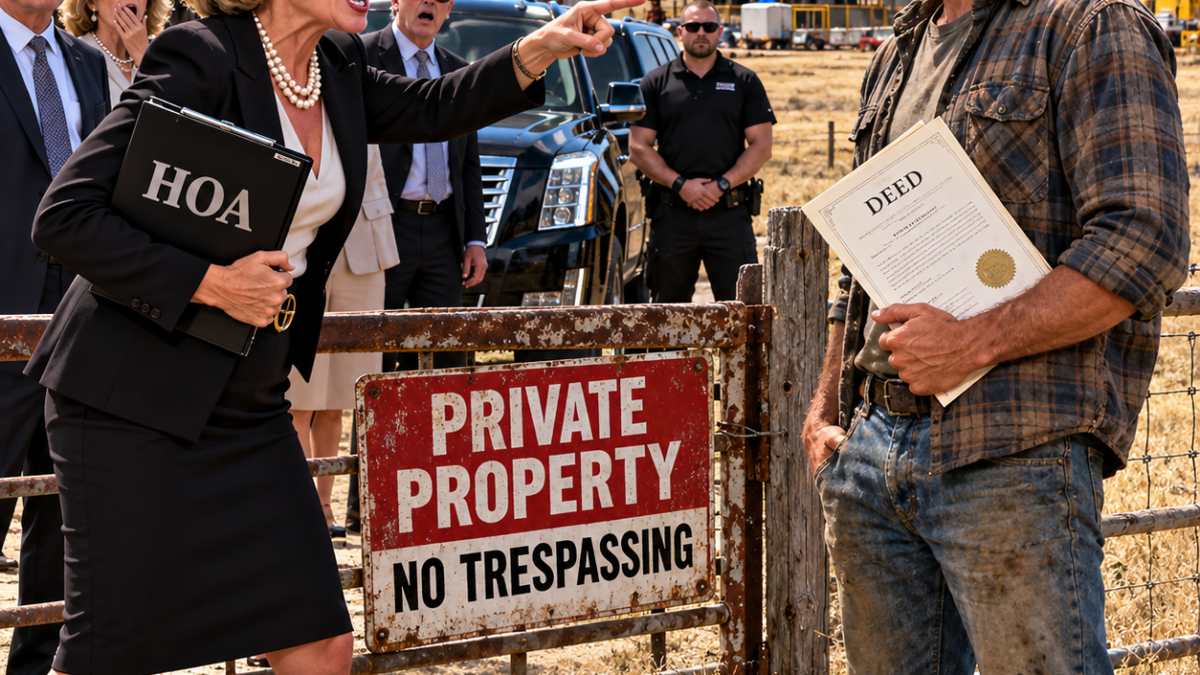
PART 2
I didn’t sleep.
The motel air conditioner rattled every few minutes, blowing stale air across a carpet that smelled faintly of bleach and cigarette smoke, while I sat at the small laminate desk with my laptop open and read the Perian Energy article over and over.
The language was cautious.
“Preliminary hydrocarbon indicators.”
“Exploratory potential.”
“Survey activity anticipated within five years.”
Nothing in the article promised oil.
But the accompanying map mattered.
Eight rural parcels were shaded.
Roy’s was one.
I enlarged the image and wrote down the parcel numbers.
Then I opened the photograph I had taken of Amendment 12B.
If Roy had truly transferred his mineral rights in 2005, the map meant nothing.
If the amendment was forged, it meant everything.
Gerald had known about the oil potential for at least three years.
He had waited.
Roy died.
The farm passed to the nephew who lived five hundred miles away.
Then, the moment an energy company approached me, Gerald appeared with a document that supposedly solved ownership in his favor.
Too neat.
Too timely.
I opened the county’s online index.
The public interface showed Amendment 12B associated with Roy’s property, but not enough metadata to answer the question I actually had.
When had that digital record first entered the system?
People think recorded documents are permanent in the mystical sense.
They aren’t.
They’re data.
Scans.
Index entries.
Timestamps.
User actions.
Corrections.
Replacement images.
Import logs.
Even old county systems usually leave traces somewhere.
I practiced commercial litigation for fifteen years. I had watched executives lie under oath and then lose their case because an email server remembered what they did.
Paper records could be manipulated.
Systems were harder.
At 2:06 a.m., I opened a blank legal pad.
At the top I wrote:
WHAT DOES GERALD NEED?
Underneath:
1. Clear title.
2. Oil agreement.
3. Me gone.
Then another question:
WHY NOW?
I didn’t have the answer yet.
But I was close enough to know the 2005 signature was probably not the beginning.
It was the endpoint.
I needed Roy’s side of the story.
Only one person alive had lived beside him through those years.
Aunt Maggie.
Maggie lived in a memory-care facility outside Dallas.
She had good days and bad days.
Some afternoons she could tell you the name of every horse Roy had owned since 1978.
Other days she thought Ronald Reagan was still president.
Calling her for evidence felt ugly.
Necessary.
But ugly.
A nurse answered and carried the phone to her.
“Hello?”
“Aunt Maggie? It’s Dylan.”
Silence.
Then:
“Tom?”
“No. Dylan. Roy’s nephew.”
“Oh.”
Her voice softened.
“How are you?”
“I’m okay.”
“You sound tired.”
“I am.”
That was the strange thing about memory loss. Sometimes the oldest instincts remained perfectly intact.
“I wanted to ask about Roy.”
“Roy’s gone.”
“I know.”
“He hated hospitals.”
“I know that too.”
She gave a small laugh.
“He said the food was punishment.”
I smiled despite myself.
Then I asked:
“Do you remember men from Ridgewood HOA coming to the farmhouse years ago?”
Her breathing changed.
“Yes.”
I sat straighter.
“What did they want?”
“Papers.”
“What kind?”
“They wanted Roy to sign.”
“Do you remember what the papers were about?”
Long pause.
“His dirt.”
“His land?”
“No.”
She sounded frustrated.
“The underneath part.”
Mineral rights.
“Did Roy sign anything?”
“No.”
The answer came instantly.
“You’re sure?”
“He was mad.”
“What did he say?”
“That Gerald was trying to steal from him.”
My hand stopped over the legal pad.
“You remember Gerald?”
“Gerald Hutchkins.”
“Yes.”
“He smiled too much.”
I almost laughed.
Apparently that impression survived dementia.
“Did Roy keep copies?”
Maggie went quiet.
I heard a television in the background.
Someone talking nearby.
Then:
“Tin box.”
“What tin box?”
“Under the bed.”
“In the farmhouse?”
“Yes.”
“What’s inside?”
“I don’t know.”
“Did Roy say?”
Another pause.
“If something happened, that box would prove everything.”
I was already reaching for my keys.
The farmhouse smelled like closed rooms.
Dry wood.
Dust.
Old fabric.
The front door stuck in the frame, and I had to shoulder it open.
Nothing had moved since I last visited after the funeral.
Roy’s work boots still sat by the mudroom.
His brown coat hung behind the kitchen door.
A coffee can full of nuts and bolts remained on the counter because Roy had believed throwing away usable hardware was a character flaw.
I walked down the hall to the bedroom.
For years, I had avoided thinking about that room.
Toward the end, Maggie had put a hospital rail beside the bed because Roy fell twice trying to stand by himself.
He hated it.
I knelt.
Reached under the bed.
Dust coated my sleeve.
My fingers hit metal.
The box was larger than I expected.
Old gray tin.
Rust along the corners.
A clasp that barely worked.
I carried it to the kitchen table.
Inside were decades.
Property-tax receipts.
Original deed copies.
Loan statements.
HOA notices.
County correspondence.
Medical paperwork.
Certified-mail stubs.
A black leather notebook.
And a letter dated March 17, 2004.
The subject line made me stop.
FORMAL REFUSAL OF MINERAL RIGHTS TRANSFER REQUEST
Roy had addressed it to the Ridgewood Rural Homeowners Association.
The language sounded exactly like him.
Short.
Direct.
Angry.
He rejected every proposed transfer of mineral interests.
Stated that he would not execute any amendment.
Denied permission for the HOA, Gerald Hutchkins, or any affiliate to file a conveyance affecting the mineral estate.
Then this:
Any document claiming otherwise should be treated as unauthorized and fraudulent.
I read that sentence twice.
At the bottom was Roy’s signature.
It shook across the page.
Uneven baseline.
Broken strokes.
Nothing remotely like Amendment 12B.
I turned the letter over.
Certified-mail receipt.
Delivery confirmed.
The HOA had received it.
Roy had anticipated exactly what later happened.
I sat alone in his kitchen holding the letter and felt embarrassment burn behind my eyes.
For years, I had thought Uncle Roy’s obsession with paperwork was part stubbornness and part paranoia.
He kept receipts from feed-store purchases ten years after the cattle were gone.
He wrote dates on envelopes.
He stapled copies together.
I used to tease him.
Now those habits were the only reason I had anything.
I opened the black notebook.
Most entries were mundane.
Pump making noise.
Rain, .4.
Diesel $1.49.
Fence south pasture down again.
Then I reached 2003.
March 8 — Hutchkins came. Wants mineral rights for road work credit. Told him no.
June:
New HOA letter. Same demand. Same answer.
October:
Two men came with Gerald. Maggie scared. Told them off my land.
December:
Hernandez came with them. Wouldn’t look at me. Thinks he knows what they’re doing is wrong.
I circled the name.
Hernandez.
More entries.
January 2004.
February.
Then:
Hernandez called. Says he can’t be part of this. Said keep records. Says they’re doing it to others.
I read that line three times.
Others.
Not just Roy.
I opened my laptop and searched.
Eric Hernandez Hutchkins Land Title Ridgewood
After fifteen minutes, I found him.
Former employee.
Six years.
Employment ended 2004.
Current address: trailer park twenty-three miles east.
It was almost eight at night.
Every professional instinct said wait.
I had spent fifteen years advising clients not to act while angry or sleep-deprived.
I grabbed my keys anyway.
The trailer park sat behind an abandoned gas station and a line of cottonwoods bent by West Texas wind.
Lot 17 was near the back.
Single-wide trailer.
Torn awning.
Pickup truck with two flat tires.
One porch light.
I knocked.
Nothing.
Again.
Footsteps inside.
Then a voice.
“If Hutchkins sent you, tell him I still have copies.”
I stopped breathing for a second.
“My name is Dylan Anderson.”
Silence.
“Roy Anderson was my uncle.”
A chain slid.
The door opened three inches.
Eric Hernandez looked older than the public records photograph.
Mid-forties.
Unshaven.
Gray at the temples.
Red eyes.
But alert.
“Roy’s dead.”
“Eight months ago.”
His eyes narrowed.
“What does Gerald want?”
“The mineral rights.”
Eric closed his eyes.
Then he sighed.
“Of course.”
“He showed me a 2005 amendment with Roy’s signature.”
“Roy couldn’t sign by then.”
“I know.”
Eric studied me for several seconds.
Then closed the door.
The chain came off.
He reopened it.
“Come in.”
The trailer smelled like cigarette smoke, instant coffee, and paper.
Stacks of old records sat everywhere.
Eric didn’t offer me a chair.
He went directly to a metal filing cabinet.
Bottom drawer.
Pulled out seven folders.
Dropped them on the table.
“You’re about twenty years late.”
“What are these?”
“The reason I got fired.”
First folder.
ELEANOR VANCE.
Eighty-two.
Advanced dementia.
Mineral-rights transfer in 2003.
Clean signature.
Too clean.
Eric tapped it.
“She didn’t know her daughter’s name when we went to see her.”
“You were there?”
“Yes.”
“What was your role?”
“Gerald asked me to witness the execution.”
“Did you?”
“No.”
“Why not?”
“Because she couldn’t write a grocery list.”
He sat across from me.
“Gerald had a notary he liked to use for ‘special’ closings.”
“Name?”
He gave it to me.
I wrote it down.
“Was the document signed in front of you?”
“I saw Eleanor try. Her hand shook. She gave up. Gerald told me we’d come back another day.”
“But the transfer got recorded.”
“Yes.”
“Did you see who actually signed it?”
“No.”
Important distinction.
Next folder.
Harold Brennan.
Stroke.
Severe right-side weakness.
Transfer signed eight months before his death.
Margaret Leu.
Late-stage Parkinson’s.
Samuel Odum.
Alzheimer’s.
Ruth Castellano.
Dementia.
Two more.
Different receiving companies.
Same pattern.
Vulnerable landowners.
Rural parcels.
Low cash.
No sophisticated legal representation.
And every property appeared in the later Perian survey zone.
I opened a spreadsheet.
Column A: owner.
B: alleged signing date.
C: condition.
D: witness.
E: notary.
F: receiving entity.
G: current mineral holder.
Eric watched me build it.
“You really are a lawyer.”
“Litigator.”
“Worse.”
“Usually.”
I examined the receiving entities.
Several had different names but repeated addresses.
Registered agents connected to Hutchkins Land and Title.
Affiliated companies.
Nominees.
I looked at Eric.
“Why?”
He shrugged.
“Back then? I thought Gerald was assembling land cheap.”
“Did he know about oil?”
“Not like now.”
“So why mineral rights?”
“He used to say land was what people saw. Minerals were what people forgot.”
That sounded like Gerald.
“Roy?”
Eric leaned back.
“Roy was supposed to be number eight.”
My fingers stopped.
“Explain.”
“Gerald pressured him harder than the others.”
“Why?”
“Roy kept saying no.”
“That doesn’t explain harder.”
“Roy’s property tied several parcels together. Road access. Survey continuity. I never understood all of it.”
“Did Gerald tell you that?”
“No.”
“Then that’s your assumption.”
Eric’s face tightened.
“You think I’m making this up?”
“No.”
I kept my tone calm.
“I think if we mix what you saw with what you believe, Gerald’s lawyers will use the second part to destroy the first.”
He stared at me.
Then nodded.
“Fine.”
“What did you personally see?”
“Gerald repeatedly asked me to prepare documents involving old owners who didn’t seem capable of understanding them.”
“Did he tell you to forge signatures?”
“No.”
“Did you see him forge one?”
“No.”
“Did you see questionable documents later get recorded?”
“Yes.”
“Did you object?”
“Yes.”
“What happened?”
“Two weeks after I refused Eleanor Vance’s witness line, my performance suddenly became unacceptable.”
He pulled out his termination notice.
I photographed it.
“Why keep everything?”
Eric looked toward the cabinet.
“For a while I wanted insurance.”
“Against Gerald?”
“Yes.”
“And later?”
“Guilt.”
That answer surprised me.
“I didn’t forge anything,” he said. “But I worked there. I prepared other documents. I drove to those houses. I watched what was happening and stayed because I needed the paycheck.”
“Until you didn’t.”
“Until Roy.”
“What happened with Roy?”
“He looked me in the eye and asked if I could live with myself.”
Eric gave a humorless laugh.
“Your uncle was an unpleasant man.”
“I know.”
“He was also right.”
Eric stood and walked to the door.
Before opening it, he said:
“You won’t find the truth at the recorder’s office.”
“Why?”
“Martha Campbell is Dale Lewis’s cousin.”
“The sheriff?”
“Yes.”
“And?”
“And Gerald has handled real-estate deals for half that county for thirty years.”
“Still not proof.”
“No. But you asked why records disappear.”
He lowered his voice.
“You’re not fighting one document, Dylan.”
I looked back at the seven folders.
“I know.”
“No. You don’t yet.”
The attorney I eventually found was Judith Evans in Austin.
Twenty-seven years in oil-and-gas litigation.
She had represented ranchers, operators, mineral trusts, pipeline companies, and one family whose grandfather accidentally leased the same mineral interest twice.
Three different lawyers recommended her.
Two added the same warning.
“She will tell you when you’re being stupid.”
I emailed her a short summary.
She requested documents.
I sent Roy’s letter.
The medical records.
Amendment 12B.
Eric’s files.
She called forty-six minutes later.
“Dylan.”
“Yes.”
“Do not contact Hutchkins.”
“I wasn’t going to.”
“Do not accuse the recorder’s office publicly.”
“Fine.”
“Do not publish anything.”
“I’m not twelve.”
“Lawyers are worse than twelve-year-olds when they become clients.”
Fair.
“What do you think?”
“I think you have a potentially fraudulent conveyance and evidence suggesting there may be others.”
“Potentially?”
“I haven’t authenticated anything.”
“Roy physically couldn’t sign.”
“That’s powerful.”
“It’s obvious.”
“Obvious and proven are different.”
I liked her slightly less with every sentence.
Which reassured me.
“What do we need?”
“First, protect your title.”
“Quiet title?”
“Yes, but we determine proper venue and procedural route before filing. Real-property cases have rules. We do not get cute because you dislike the local power structure.”
“I don’t dislike it. I think it’s corrupt.”
“Which is exactly why you are not making venue decisions.”
“Fine.”
“Second, preserve records.”
“Already copying everything.”
“Third, find other families.”
“Seven.”
“As many as you can.”
“And fourth?”
“Intent.”
I knew what she meant.
A pattern could prove something was wrong.
Intent showed who knew.
“If Gerald forged these, he left communications.”
“Maybe.”
“Emails.”
“Maybe.”
“Corporate documents.”
“Likely.”
“What about Amendment 12B’s filing history?”
“That could matter a lot.”
“Martha put it under administrative review.”
“Then we request audit logs through counsel and preserve the demand.”
“What if they delete them?”
“Then deleting them becomes its own problem.”
I smiled.
Judith noticed.
“Don’t enjoy this.”
“Too late.”
The next three days were phone calls.
Some went well.
Most didn’t.
Patricia Brennan lived in New Mexico.
Her father Harold had suffered a massive stroke in 2002.
By 2003, he could barely move his dominant hand.
The mineral transfer bore a smooth signature dated four months before his death.
When I described what I found, Patricia went silent.
Then:
“I knew it.”
“How?”
“My father couldn’t hold a fork.”
“Did you challenge it?”
“We tried.”
“With who?”
“Sheriff Lewis.”
“What happened?”
“He said Dad must have signed earlier.”
“Did the date say otherwise?”
“Yes.”
“Did you show him?”
“Yes.”
“What did he say?”
“Civil matter.”
The phrase appeared everywhere.
Civil matter.
It’s amazing how useful those two words become when someone wants to avoid looking.
“Do you have records?”
“Emails.”
“What kind?”
“Hutchkins Land and Title contacting Dad.”
She forwarded them.
Friendly language.
Estate assistance.
Tax planning.
Mineral consultation.
One line stood out:
Delay may expose the property to additional administrative burdens and potential assessment action.
Not a direct threat.
A pressure technique.
“Would you sign a statement?”
Patricia hesitated.
“I left that county for a reason.”
“I understand.”
“My brother says forget it.”
“I understand.”
“Do you?”
“No.”
I decided honesty was better.
“But I know what it feels like to have a sheriff stand behind Gerald while Gerald tells you your property isn’t yours.”
Patricia breathed out slowly.
Then:
“Send me the statement.”
The Leu family was different.
Margaret’s son cut me off.
“We are not getting involved.”
“Your mother’s alleged signature—”
“I know.”
“Then—”
“Stop.”
His voice shook.
“You don’t know what happened after we complained.”
“What happened?”
“My brother had a county road subcontract.”
“And?”
“Gone within a month.”
“Did anyone say why?”
“No.”
“Would you put that in writing?”
“No.”
“Why not?”
“Because Gerald isn’t in prison.”
He hung up.
That sentence stayed with me.
The Castellanos also refused.
Then Marcus Odum.
Samuel Odum’s grandson.
He lived in Houston.
We met near Rice University.
Marcus brought a photograph of the 2004 mineral transfer.
Then a birthday card Samuel wrote in 2003.
The comparison was devastating.
Card:
Uneven.
Wandering letters.
Weak pressure.
Transfer:
Firm.
Straight.
Consistent.
“My grandfather thought my mother was his sister by then,” Marcus said.
“Was he legally declared incompetent?”
“No.”
“That matters.”
Marcus frowned.
“Meaning?”
“Bad cognition doesn’t automatically invalidate every act. We need evidence he lacked capacity for this transaction or that the signature wasn’t his.”
“It wasn’t.”
“I believe you.”
“You sound like you don’t.”
“I sound like the lawyer Gerald will hire.”
That got through to him.
He sat back.
“What do you need?”
“Medical records if your family can lawfully obtain them. Handwriting samples. Anyone who saw him around that date.”
“I can do that.”
“Would you testify?”
Marcus looked toward the window.
“I’ve been angry about this since I was seventeen.”
“That’s not an answer.”
“Yes.”
Two families willing.
One reluctant.
Two terrified.
Eric.
Roy.
The pattern was becoming harder to dismiss.
Still, Judith reminded me:
“Patterns win investigations. Direct proof wins cases.”
Then she called with the first piece of direct motive.
Ridgewood Energy Partners LLC.
Created three years earlier.
Single member:
Gerald Hutchkins.
No meaningful operating history.
Six months later, a preliminary agreement with Perian Energy.
Eight properties.
Judith emailed me the schedule.
I opened it.
My throat tightened.
Eleanor Vance.
Harold Brennan.
Margaret Leu.
Samuel Odum.
Ruth Castellano.
The other two families.
Roy Anderson.
Every property Eric had identified.
Every one.
“Dylan,” Judith said over speakerphone, “this is the business reason.”
“He already sold rights he didn’t own.”
“Careful. Preliminary agreement contingent on clear title.”
“Same concept.”
“Not legally.”
“What’s the deadline?”
“End of this calendar year.”
“How much?”
“Depends on reserves, but the projected extraction package is multimillion-dollar.”
“And Roy is the missing parcel.”
“His title is unresolved.”
I leaned back.
The room suddenly felt quiet.
Gerald wasn’t defending a document from twenty years ago.
He was on a clock.
Perian wanted clean title.
Seven parcels had already been consolidated under entities tied to him.
Roy had resisted.
Then Roy died.
Now Gerald needed me gone before the end of the year.
That explained the confidence.
The sheriff.
The blocked records.
The pressure.
He wasn’t protecting the past.
He was trying to close a future deal.
My motel phone rang.
Front desk.
“Envelope for you.”
I went down.
Ridgewood Rural HOA letterhead.
NOTICE OF LIEN — ANDERSON PROPERTY
Amount:
$47,000.
Fifteen years of alleged unpaid assessments.
Maintenance charges.
Road fees.
Administrative penalties.
Interest.
I read it twice.
Roy’s farm had barely received HOA services.
Some years he had paid limited road contributions.
Other charges he disputed.
Forty-seven thousand dollars was absurd.
The notice gave sixty days before foreclosure remedies might be pursued.
I called Judith immediately.
“They’re changing the battlefield.”
“I’m looking at the scan.”
“They can’t seriously foreclose.”
“Don’t underestimate a facially recorded lien.”
“It’s fake.”
“Prove it.”
“I don’t have forty-seven thousand dollars sitting around.”
“Good thing paying questionable debt is not our first strategy.”
“What is?”
“Temporary relief. Accounting. Challenge the lien’s validity.”
“And the mineral case?”
“Parallel.”
I stood at the window looking at the empty motel parking lot.
“Gerald doesn’t need Amendment 12B if he takes the whole property.”
“Exactly.”
“Sixty days.”
“Yes.”
“That’s his deadline for me.”
“And the end-of-year Perian deadline is his.”
For the first time, I understood his strategy completely.
He did not need every lie to survive.
Only one.
Amendment.
Lien.
Local pressure.
Costs.
Fear.
Exhaustion.
Most people eventually choose the cheapest exit.
Gerald had built a system around that assumption.
He had never met me as a client.
I made my living being too stubborn to take cheap exits.
Three days later, he went public.
A Ridgewood Community Forum post.
Official HOA account.
COMMUNITY ALERT
An unnamed outside individual was spreading misinformation.
Harassing local institutions.
Attempting to access confidential records.
Undermining community stability.
Residents should contact Sheriff Lewis if they observed suspicious conduct.
The comments filled quickly.
City lawyer wants oil money.
Gerald has protected this community for thirty years.
Outsiders smell money and come running.
I saved screenshots.
Did not respond.
That was hard.
Lawyers love responding.
Litigators especially.
Then something worse happened.
I went to a diner for coffee.
The room went quiet when I entered.
Waitress looked at me.
“We’re full.”
Four empty tables.
I nodded.
Walked out.
At a gas station, the clerk told me the pump wasn’t working after seeing my name on the card receipt.
My motel reservation was “accidentally” canceled.
I moved forty minutes away.
That night, a pickup with no plates blocked my rental car.
Deputy arrived an hour after I called.
“Probably kids.”
“Can you tow it?”
“Private lot.”
“Motel owner authorized.”
The deputy looked toward the truck.
“Maybe give it time.”
Meaning no.
Gerald controlled more than paper.
He controlled permission to belong.
The next morning, Sheriff Lewis called.
Warm voice.
“Mr. Anderson, people are getting uncomfortable.”
“About what?”
“Questions. Records. Accusations.”
“I haven’t publicly accused anyone.”
“People talk.”
“Sheriff, are you calling in an official capacity?”
“I’m calling as someone who knows this county.”
“That is not an answer.”
He chuckled.
“You lawyers.”
“What do you want?”
“Small towns remember trouble.”
“Is that a threat?”
“No.”
“Then it’s useless advice.”
His tone cooled.
“You might win whatever fight you’re starting. But you’ll never walk through Ridgewood again without watching your back.”
He hung up.
I sat holding the phone.
For the first time since the dispute began, I felt actual fear.
Not courtroom fear.
Not losing-money fear.
Physical fear.
I was alone in a county where the sheriff had just told me to watch my back.
I called Judith.
She listened.
Then:
“Leave the county tonight.”
“I have records to review.”
“Take them.”
“If I leave, Gerald thinks I’m scared.”
“You are scared.”
“I’m not—”
“Dylan.”
I shut up.
“Being scared is information. Use it.”
I packed.
Drove back toward Houston.
And changed strategy.
Gerald expected the fight to remain local.
So I moved it outside his reach.
The Attorney General complaint was eighteen pages before exhibits.
I wrote it like a pleading.
No dramatic language.
No “corruption.”
No “conspiracy” unless directly supported.
Facts.
Dates.
Roy’s medical condition.
Certified refusal.
Seven suspicious transfers.
Eric’s history.
Family statements.
Corporate relationships.
Perian agreement.
HOA lien.
Sheriff communications.
Recorder delay.
Forty-three exhibits.
Judith reviewed it.
Removed seven adjectives.
Added three disclaimers.
Then approved.
The title action challenged Amendment 12B and sought confirmation of mineral ownership.
Judith handled venue properly and sought protections due to documented local conflicts rather than pretending we could simply choose any court we liked.
We also requested temporary relief against enforcement of the $47,000 lien while the validity of those charges was litigated.
The county records request demanded:
Complete imaging history.
Index history.
Submission logs.
User access.
Modification timestamps.
Correspondence.
All Gerald-related mineral filings.
I copied Councilwoman Diana Martin’s office.
Judith had found her through public meeting transcripts.
Diana had previously questioned closed-record practices and Gerald’s influence over land-use decisions.
“Can she force anything?” I asked.
“Not alone.”
“Then why copy her?”
“Visibility.”
Judith liked that word.
“Stonewalling works best in darkness.”
The sheriff ordered me to appear for an interview the next morning.
I went.
With counsel available by phone.
Recorder on the table.
“I’m recording.”
Lewis frowned.
“For what?”
“My records.”
“That really necessary?”
“Your phone call yesterday made it necessary.”
His jaw tightened.
He asked where I obtained private property files.
“Voluntary witness production.”
“Did you impersonate an investigator?”
“No.”
“Did you access restricted county systems?”
“No.”
“Did you threaten residents?”
“No.”
“Have you made statements accusing officials of crimes?”
“Not publicly.”
He leaned forward.
“Privately?”
“I discuss legal theories with counsel.”
“You think you’re smarter than everyone here?”
“No.”
“That’s how you’re acting.”
“I’m answering your questions.”
He changed direction.
“Eric Hernandez.”
“What about him?”
“You’ve contacted him.”
“Is that illegal?”
“He has a history.”
“What history?”
Lewis paused.
“Employment issues.”
“He was fired twenty years ago.”
“You might want to be careful who you trust.”
“Is he under investigation?”
“No.”
“Then why are you warning me?”
Lewis stared.
I stared back.
The interview ended without charges.
Outside, Judith called.
“Perian’s legal department contacted me.”
I stopped beside the rental car.
“What did they say?”
“They want to know whether your claims have substance.”
“What did you tell them?”
“That there is an active title dispute, state complaint, and evidence raising serious questions about multiple transfers.”
“Reaction?”
“They’re reviewing the agreement.”
“Meaning Gerald’s deal could die.”
“Meaning sophisticated companies dislike buying lawsuits.”
Good enough.
The anonymous email arrived at 8:47 that night.
Generic Gmail account.
No subject.
One sentence.
They made us vote. Most didn’t understand what they were agreeing to.
Attachment.
Scan.
Ridgewood Rural HOA board minutes.
August 2020.
Agenda item:
Acquisition Strategy for Dormant Mineral Rights
Presenter:
G. Hutchkins.
The summary described a plan to identify “underutilized or unclear mineral interests,” approach owners with “assistance opportunities,” and consolidate rights under HOA-affiliated entities.
At the bottom, blue ink.
Is this even legal?
Someone on the board had questioned it.
I sent it to Judith.
Her answer came almost immediately.
Do not circulate. Need authentication.
Naturally.
The next morning, Diana Martin’s office called.
She wanted to meet.
Not in Ridgewood.
Austin.
We sat in a conference room with two staff members.
Diana was in her late fifties, gray-streaked hair, direct eyes.
“You’re asking me to believe the county recorder, HOA leadership, and possibly law enforcement protected a land-fraud scheme.”
“No.”
She raised an eyebrow.
“I’m asking you to believe these documents require investigation.”
Better.
She liked that answer.
She reviewed the 2020 minutes.
“Where did you get this?”
“Anonymous email.”
“Can’t authenticate.”
“Not yet.”
“You have proof of other transfers?”
“Copies. Witnesses. Medical records.”
“And your uncle?”
I showed her Roy’s refusal letter.
Then Amendment 12B.
She compared signatures.
“Jesus.”
“That was my reaction.”
Diana leaned back.
“Gerald has supporters.”
“I noticed.”
“People believe he saved Ridgewood.”
“From what?”
“Development. Outside investors. Tax foreclosures. He arranged road funding, land deals, legal help.”
“He also appears positioned to make millions personally.”
“Both can be true.”
That sentence stayed with me.
Gerald did not need to have been a villain every day for thirty years.
Power is more believable when it begins with usefulness.
Diana tapped the documents.
“I can convene a county hearing on HOA land-management procedures and records transparency.”
“Will Gerald appear?”
“If he’s smart, with lawyers.”
“I want the filing logs.”
“So do I.”
“Can you force Martha?”
“Not personally. But public hearings create pressure.”
Visibility again.
The hearing was scheduled for the following week.
Gerald called me the night before.
First direct call.
His number appeared on my screen at 9:16.
I answered.
“Dylan.”
“Gerald.”
“You’ve been busy.”
“So have you.”
“Is that how you want to play this?”
“I don’t know what ‘this’ is yet.”
“Don’t insult me.”
His voice sounded different without the sheriff standing behind him.
Less theatrical.
More tired.
“You’re dragging old families into something they wanted buried.”
“Those families lost mineral rights.”
“They made agreements.”
“Did Roy?”
Silence.
“Amendment says he did.”
“Did he?”
“You’re a lawyer. You know how documents work.”
“I know how forged ones work too.”
Gerald exhaled.
“That allegation is going to cost you.”
“Then sue me.”
“I don’t need to.”
“What do you need?”
Another pause.
“Sell the farm.”
There it was.
“To who?”
“HOA can arrange a buyer.”
“For how much?”
“Enough to clear Roy’s debt.”
“What debt?”
“The lien.”
“The fabricated lien?”
“Careful.”
“How much for 120 acres sitting on potential oil?”
“Oil isn’t guaranteed.”
“Then why do you care?”
His voice went quiet.
“Your uncle spent his whole life fighting progress.”
“No. He spent the last years fighting you.”
“You weren’t here.”
That landed.
Because it was true.
“I was.”
“You visited twice a year.”
“I’m aware.”
“You didn’t watch him lose the cattle. Didn’t watch him stop maintaining roads. Didn’t watch neighbors cover costs while he refused assessments.”
“So this is about HOA fees?”
“It’s about responsibility.”
“And your LLC?”
Silence.
I continued.
“Ridgewood Energy Partners.”
“You have no idea what you’re talking about.”
“I have the Perian schedule.”
The line went silent.
When Gerald spoke again, his voice had changed completely.
“Be very careful what you do tomorrow.”
Then he hung up.
I saved the call log.
Sat alone in my apartment.
And admitted something I hadn’t wanted to.
I did feel guilty.
Not about Gerald.
About Roy.
He was right that I wasn’t there.
I let years pass.
Work.
Cases.
Life.
I knew Roy was sick, and I made visits when convenient.
Now I was turning his suffering into exhibits.
That guilt followed me into the hearing.
One hundred twenty-three residents packed the chamber.
Gerald sat front row.
Charcoal suit.
Red tie.
Sheriff Lewis sat behind him.
Judith beside me.
Beverly Thornton was somewhere in the room, though at the time I did not know the anonymous minutes came from her.
Diana Martin opened with a deliberately neutral statement.
Transparency.
Property transactions.
HOA governance.
Records access.
Three residents spoke.
Two defended Gerald.
One called him “the only person who ever fought for rural property owners.”
I watched him nod modestly.
That was important.
The crowd did not see the man I saw.
To some of them, Gerald had fixed roads, negotiated taxes, stopped developers, handled estates when families couldn’t afford lawyers.
Power rarely survives thirty years through fear alone.
It survives because it also solves problems.
Then Diana called my name.
I walked to the projector.
“My name is Dylan Anderson. I inherited approximately 120 acres from Roy Anderson eight months ago.”
First slide.
Original deed.
Full surface and mineral ownership.
Second.
Amendment 12B.
November 2005.
Third.
Roy’s medical records.
Late-stage Parkinson’s.
Fine motor failure.
Fourth.
Signature comparison.
Real 2004 signature.
Alleged 2005 signature.
I did not say “obviously forged.”
I said:
“My uncle’s treating physician documented that he was unable to perform basic writing tasks during the period this amendment was supposedly signed.”
Quiet.
Next slide.
Certified refusal.
Delivered to HOA.
Next.
2020 minutes.
Then Ridgewood Energy Partners.
Then Perian agreement.
Eight parcels.
I turned slightly.
“Mr. Hutchkins told me the HOA owned Roy Anderson’s mineral rights.”
Gerald watched me.
“The entity positioned to receive commercial benefit under the Perian agreement is not the HOA. It is Ridgewood Energy Partners LLC, whose public filings identify Mr. Hutchkins as its sole member.”
Gerald stood.
“This is a lie.”
Diana raised her hand.
“You will have a response period.”
“He stole those records.”
Judith stood.
“Every record presented has documented source information. Public filing, certified family record, or voluntary production.”
Gerald pointed toward me.
“He broke into my office.”
That shocked me.
“I have never entered your office.”
“Then how did you obtain confidential title files?”
Eric’s files.
He knew.
Gerald knew Eric had talked.
Sheriff Lewis began to rise.
Then a woman stood in the third row.
Gray hair.
Floral dress.
Hands shaking.
“My name is Beverly Thornton.”
The room quieted.
“I’ve served on the HOA board eleven years.”
Gerald turned.
“Beverly.”
She ignored him.
“I was at the August 2020 meeting.”
She pointed toward the projected minutes.
“I wrote that note.”
Is this even legal?
Diana leaned forward.
“Ms. Thornton, are you willing to state that for the record?”
“Yes.”
Gerald said:
“You don’t understand what you’re doing.”
Beverly finally looked at him.
“I understand now.”
She faced the council.
“The minutes say the mineral-rights proposal passed unanimously.”
Gerald’s face changed.
“That’s not true.”
“What was the vote?” Diana asked.
“I abstained.”
Beverly swallowed.
“Two others abstained too.”
Someone in the crowd gasped.
“Gerald told the secretary to record unanimous approval.”
“That is false,” Gerald snapped.
Beverly flinched.
Then steadied.
“You told us the holdings would benefit the association.”
“They would.”
“Why was the company yours?”
“It was an administrative vehicle.”
“Then why didn’t the minutes say that?”
Gerald stood fully now.
“This is an ambush.”
Diana struck the gavel.
“Sit down.”
Sheriff Lewis moved toward the aisle.
Judith whispered:
“Do not engage.”
Gerald looked at me with pure anger.
For the first time, he wasn’t smiling.
Beverly continued.
“There’s more.”
The room changed again.
She pulled a folded paper from her purse.
“A year after that meeting, I asked Gerald for an accounting of the mineral program.”
She held it up.
“He told me the project had been suspended.”
Gerald said:
“It was.”
“Then why did I find Ridgewood Energy Partners in the Perian documents?”
Gerald had no answer.
Diana struck the gavel again.
“This testimony will be preserved as part of the official record.”
Then she looked at Gerald.
“I strongly recommend that you consult counsel before making additional statements.”
The hearing lasted almost four hours.
When it ended, Gerald walked out with Sheriff Lewis.
Nobody applauded.
Nobody shouted.
But the room felt different.
Power had shifted.
Not to me.
Away from him.
That distinction mattered.
The Attorney General’s office called the next afternoon.
David Chen.
Civil litigation investigator.
“We reviewed your complaint and last night’s hearing transcript.”
“And?”
“We’re opening a preliminary investigation into potential real-estate fraud.”
My hand tightened around the phone.
“What do you need?”
“Everything in original form where available.”
“You’ll get it.”
“We’re sending a team to Midland.”
“You’re not making me bring it to Austin?”
“No.”
That felt more significant than it should have.
Gerald had spent weeks making me travel around his system.
Now the system was coming to him.
Judith called an hour later.
“Perian terminated the preliminary agreement.”
I stood.
“Completely?”
“Effective immediately.”
“Reason?”
“Unresolved title disputes and material concerns over representations regarding ownership.”
“Gerald’s deal is dead.”
“Yes.”
Millions gone.
Not seized.
Not awarded to me.
Simply unavailable because Gerald could no longer provide what he promised.
“And Perian will cooperate with investigators,” Judith said.
“What does that mean?”
“Emails. Contracts. Due-diligence materials. Representations from Ridgewood Energy Partners.”
Everything Gerald told the buyer.
I sat down slowly.
People lie differently depending on audience.
Gerald might tell residents one story.
Me another.
Perian another.
Contradictions were coming.
Two days later, Martha Campbell was placed on administrative leave pending review of record-management practices.
The official statement accused nobody.
Still, employees began preserving logs.
Then Sheriff Lewis announced “personal leave.”
Again, neutral language.
Again, devastating timing.
The local network was no longer moving as one machine.
That was when the quiet-title case accelerated.
Gerald’s lawyers requested delay after delay.
Medical expert unavailable.
Discovery dispute.
Need additional time to review decades-old records.
The judge granted reasonable requests and denied the rest.
Then, on the morning scheduled for the central ownership hearing, Gerald’s attorneys stood and announced they would not contest my claim to Roy’s mineral estate.
I thought I misheard.
Judith touched my sleeve.
“Don’t react.”
The judge confirmed.
Amendment 12B would not be enforced.
The lien lacked adequate support and was dismissed.
The court entered an order confirming my ownership of the surface and associated mineral interests.
I should have felt victorious.
Instead, I stared at the certified judgment and felt hollow.
The whole thing had consumed weeks of my life.
And Roy had been fighting it for years.
Outside the courthouse, Judith’s phone rang.
She looked at the screen.
“Federal number.”
She answered.
Listened.
Asked three questions.
Hung up.
“What?”
“Hutchkins Land and Title was searched this morning.”
My pulse jumped.
“Warrant?”
“Yes.”
“Gerald?”
“Taken into federal custody.”
“On what?”
“Mail fraud, wire fraud, conspiracy allegations tied to multiple property transactions.”
I looked back at the courthouse.
“RICO?”
“Investigators are evaluating racketeering-related theories.”
“Bail?”
“Government is contesting release.”
For years, Gerald’s power came from making every opponent feel alone.
Roy alone.
Patricia alone.
Eric alone.
Marcus’s family alone.
The moment investigators combined those stories, the shape changed.
One questionable signature could be explained.
Eight became a pattern.
The same title company became a connection.
The same notary became a connection.
The same shell structures.
The same vulnerable owners.
The same geographic oil zone.
The same man.
The federal press conference happened the next morning.
I stood near the back.
Judith had one instruction.
“Do not gloat.”
“I wasn’t planning to.”
“You’re a litigator.”
“That feels discriminatory.”
The U.S. Attorney announced charges arising from a long-term investigation into fraudulent property transfers.
The government alleged that elderly and medically impaired owners had been targeted.
That documents had been transmitted through mail and electronic channels.
That entities connected to Gerald benefited.
That records would be reviewed across multiple counties and years.
Reporters asked if oil discovery triggered the scheme.
The prosecutor answered carefully.
“The government’s allegations concern conduct predating recent energy exploration, although subsequent commercial opportunities may be relevant to motive.”
Perfect lawyer answer.
Gerald appeared briefly in courthouse footage.
No smile.
No red tie.
Just a man walking between officers.
I felt less satisfaction than I expected.
Mostly I thought about Roy.
Sitting at his kitchen table.
Hand shaking.
Writing a refusal letter.
Probably assuming nobody would ever care.
I left before the reporters reached me.
Aunt Maggie was waiting outside Dallas.
She sat by the window in a wheelchair.
Birds pecked at the lawn.
For several seconds, she didn’t recognize me.
Then:
“Dylan.”
“Yes.”
“Roy’s nephew.”
“Yes.”
I sat beside her.
“I found the box.”
Her fingers closed around mine.
“His papers?”
“All of them.”
I told her about the judgment.
The mineral rights.
Gerald’s arrest.
The other families.
She listened.
When I finished, she looked outside.
“Roy knew.”
“He did.”
“People said he was getting confused.”
I swallowed.
“Was he?”
“Sometimes.”
She smiled faintly.
“But not about Gerald.”
I laughed softly.
“No.”
“He didn’t live long enough to prove it.”
I had rehearsed my answer.
Still, my voice cracked.
“He did prove it.”
She turned.
“How?”
“Every letter. Every certified receipt. The notebook. The refusal. He did all the work.”
“I thought you did.”
“I just opened the box.”
Maggie squeezed my hand.
“He always said you were stubborn.”
“He usually meant it as criticism.”
“Same thing in our family.”
I stayed through dinner.
Before I left, she asked:
“Are you keeping the farm?”
“I don’t know.”
“Roy loved that place.”
“I know.”
“He hated farming by the end.”
“I know that too.”
She laughed.
“Both can be true.”
That sentence followed me home.
The federal case took months.
Real cases do.
There were motions.
Document battles.
Expert disputes.
Continuances.
Arguments about admissibility.
Gerald’s lawyers attacked the credibility of Eric.
Disgruntled former employee.
Twenty-year-old memory.
Financial difficulties.
They argued Patricia’s family had oil-money motives.
Marcus was too young to know what Samuel understood.
Beverly had personal disagreements with Gerald.
Medical decline did not automatically mean legal incapacity.
All valid defensive points.
That was what made the case real.
If Gerald had simply admitted everything, it would have been easier.
He didn’t.
He fought.
At trial, Eric testified first among the insiders.
He looked uncomfortable in a suit.
The prosecutor asked:
“Did Gerald Hutchkins ever directly ask you to forge a signature?”
“No.”
That answer seemed to please the defense.
“Did you personally see him forge one?”
“No.”
“Then why are you here?”
Eric looked toward Gerald.
“Because I watched documents become valid after the owners couldn’t sign them.”
The defense objected.
The judge sustained part of it.
Prosecutor rephrased.
Eric explained Eleanor Vance.
Her condition.
His refusal to witness.
His termination.
The files he retained.
Then Roy.
“Why did you call Roy Anderson in February 2004?”
Eric swallowed.
“Because I thought they were going to keep pressuring him.”
“Who is ‘they’?”
“Hutchkins Land and Title personnel. Gerald.”
“What did you tell Mr. Anderson?”
“Keep records.”
“Why?”
“Because I no longer trusted what would be filed.”
The defense tore into him on cross.
“You stole company documents?”
“I copied some.”
“Without authorization?”
“Yes.”
“You were angry after termination?”
“Yes.”
“You drank heavily during this period?”
Eric looked down.
“Yes.”
“You are receiving immunity?”
“For truthful cooperation.”
“So you benefit from helping the government?”
“I benefit from finally telling the truth.”
The defense attorney paused.
Good answer.
Not coached-looking.
Just tired.
Patricia testified.
Then Marcus.
Medical experts.
Document examiners.
Corporate-record custodians.
Perian attorneys.
The most damaging evidence wasn’t emotional.
It was an email.
Gerald to a Perian executive.
Sent months before Roy’s death.
Anderson parcel remains resistant, but succession should resolve the issue. We expect clean control before year-end.
I stared at the projection.
Succession.
Roy was still alive.
Gerald was already anticipating his death solving the problem.
Another email after the funeral:
Heir is Houston counsel but appears disengaged from property. Proceeding with legacy documentation review.
Legacy documentation.
Meaning Amendment 12B.
My absence had been part of the plan.
Gerald had evaluated me as a variable.
Remote nephew.
City lawyer.
No attachment.
Likely to sell.
He was almost right.
That bothered me more than anything else.
Because if Perian had called six months later, I might have sold the farm before knowing what was underneath.
Gerald didn’t lose because I was uniquely brilliant.
His timing forced me to look.
The government introduced the county filing history next.
The story was more complicated than a single magic timestamp.
Amendment 12B existed in paper references inconsistent with the clean chronology Gerald claimed.
Digital imaging activity appeared years later.
Index adjustments.
Replacement scan.
Internal clerk notes.
Email requests referencing “Anderson amendment cleanup.”
Then communications between Martha Campbell and Gerald.
Nothing said:
Please forge this.
People rarely write crimes that clearly.
Instead:
Need Anderson instrument visible before Perian review.
Original image quality issue. Can you refresh?
Back index remains 2005.
Each sentence innocent by itself.
Together, not.
Martha eventually entered a plea before Gerald’s case concluded.
Her cooperation filled gaps.
She admitted manipulating indexing and record handling in several files at Gerald’s request.
She denied forging signatures personally.
The jury deliberated six hours.
I sat with Judith in a courthouse cafeteria drinking terrible coffee.
When word came, we returned.
Count after count.
Guilty.
Not every theory prosecutors initially investigated became a conviction.
That’s normal.
But enough did.
Judge William Patterson later sentenced Gerald to twelve years in federal prison and ordered millions in restitution across victims and estates.
Martha received three years for public-record falsification and related conduct.
Sheriff Lewis was removed from office and separately indicted for obstruction-related conduct.
His case continued after Gerald’s.
When someone asked if I felt justice had been served, I said:
“I think accountability finally started.”
That was as close to a speech as I wanted.
Getting other families’ rights restored was slower.
Each title had its own history.
Different heirs.
Different probate records.
Different statutes.
Different complications.
But once Gerald’s scheme collapsed, families had evidence they never possessed before.
Patricia Brennan called after the court cleared her father’s mineral interest.
She cried.
“We gave up.”
“You were exhausted.”
“We should have fought.”
“You had a sick father and then a funeral.”
“So did you.”
“I had Roy’s tin box.”
Silence.
Then:
“I wish my dad had kept one.”
“Your emails mattered.”
“We almost deleted them.”
That sentence made me think about how much history disappears because people clean a drawer.
Marcus sent a photograph.
He was standing on Samuel’s property beside an old tractor.
He looked ridiculous and happy.
Caption:
First time back since I was eleven.
I printed it.
The Leu family eventually reconsidered.
Not immediately.
Fear outlived Gerald’s power.
That surprised me.
When someone has controlled your life for twenty years, their arrest does not instantly convince your nervous system that you’re safe.
Margaret’s son called one evening.
“We want to look at the documents.”
“That’s all you have to do.”
“No press.”
“Fine.”
“No public hearing.”
“Fine.”
“No promises.”
“I won’t make any.”
He sighed.
“I still hate this.”
“I know.”
Their eventual title case succeeded too.
Other families followed.
Not because I led some crusade.
Because the path existed now.
That was enough.
Perian Energy contacted Judith six weeks after Gerald’s conviction.
They wanted a new agreement.
This time with the actual owners.
Judith called me.
“How attached are you to oil?”
“Emotionally?”
“Contractually.”
“Not yet.”
“They’re offering a signing bonus and production royalty.”
“How much?”
She told me.
I sat quietly.
Then:
“That is obscene.”
“That is oil.”
“Environmental terms?”
“Negotiable.”
“Surface restrictions?”
“Yes.”
“Water monitoring?”
“Yes.”
“Road repair?”
“Yes.”
“Restoration bonds?”
“I knew I liked you for a reason.”
We negotiated for months.
Perian wanted flexibility.
I wanted boundaries.
No well pad near the farmhouse.
Independent groundwater baseline testing.
Road-maintenance responsibility.
Spill-response requirements.
Surface restoration.
Limitations on infrastructure.
Roy would have complained about every clause.
Then signed only after complaining three more weeks.
Estimated twenty-year value, if production met projections:
About $4.7 million.
Numbers that made the phrase “bankrupt farm” almost funny.
But I kept thinking about something Gerald said.
Oil wasn’t guaranteed.
He had been right.
Value projections are not money.
Wells decline.
Prices change.
Operations fail.
The important part was ownership.
The right to decide.
That was what Roy fought for.
I donated the first year’s royalty payment to a legal-aid program serving elderly landowners facing title fraud and predatory property disputes.
Judith asked:
“Trying to become respectable?”
“No.”
“Tax deduction?”
“Partly.”
“Good. I was worried.”
The fund later helped several families challenge suspicious transfers.
I kept my involvement minimal.
No name on a building.
No plaque.
No foundation.
Roy would have mocked all of that.
Ridgewood Rural HOA dissolved the following spring.
Too much liability.
Too much distrust.
Too many records requiring review.
A replacement community association formed with narrower authority and stricter disclosure requirements.
Beverly Thornton became president.
When she called to tell me, I laughed.
“You realize you volunteered for Gerald’s old job.”
“Do not say that.”
“You’re HOA president.”
“Temporary.”
“Gerald probably said that once.”
“I hate you.”
“Congratulations.”
She mailed me a handwritten note later.
We should have asked more questions. Thank you for forcing us to.
I kept it.
Not in my Houston office.
In Roy’s tin box.
Right beside his refusal letter.
I eventually returned to the farm alone.
No investigators.
No reporters.
No lawyers.
No Gerald.
The place looked exactly as exhausted as before.
Oil discovery had not repaired the barn.
Court victory had not painted the house.
Federal prosecution had not cut the weeds.
I stood beside Roy’s rusted tractor.
For the first time, I understood why he refused to sell.
It wasn’t because the property was economically rational.
It probably wasn’t.
Roy spent more keeping it than it returned for years.
He stayed because ownership was one of the last forms of independence Parkinson’s had not taken.
Hands failed.
Legs weakened.
Driving stopped.
Farm work stopped.
Eventually he needed help bathing.
But that land remained his.
Then Gerald appeared asking for the “underneath part.”
A thing Roy could still say no to.
No wonder he became obsessed.
I walked into the farmhouse.
Under the bed, dust had gathered where the tin box used to sit.
I thought about putting it back.
Instead, I bought a fireproof safe.
Bolted it inside a closet.
The tin box went in there.
Copies of judgments.
Roy’s notebook.
Certified refusal.
Beverly’s note.
Marcus’s photograph.
Patricia’s letter.
One page from Roy’s notebook faced upward.
March 2003 — Hutchkins came again. Wants mineral rights. Told him no.
Three words.
Told him no.
Twenty years of consequences flowed from those words.
Aunt Maggie declined over the next year.
Memory narrowed.
Some days she didn’t know me at all.
I visited anyway.
Once, I brought a photograph of the farm.
She stared at it.
“Roy’s place.”
“Yes.”
“Did he sell it?”
“No.”
She smiled.
“Good.”
Another day:
“Who are you?”
“Dylan.”
“Do I know you?”
“I’m Roy’s nephew.”
“Roy’s dead.”
“I know.”
She looked at my hands.
“You have lawyer hands.”
I laughed.
“What does that mean?”
“Soft.”
Roy would have approved.
I told her oil production had started.
She frowned.
“Roy hated oil companies.”
“He hated everyone.”
“That’s true.”
For about thirty seconds, she became completely clear.
“Did they get his land?”
“No.”
“Gerald?”
“No.”
Then the clarity faded.
She looked back toward the window.
I sat beside her anyway.
That was enough.
One afternoon, almost two years after the first survey meeting, I received a letter from Eric Hernandez.
New Mexico return address.
Handwritten.
He had found work maintaining equipment at a small agricultural cooperative.
He wrote:
I sleep better out here.
Then:
I still think about Eleanor Vance.
He didn’t ask forgiveness.
I couldn’t give it for people I never knew.
He ended:
Tell Roy I finally did what he told me.
I read that sentence several times.
Roy was dead.
Eric knew that.
I think he meant something else.
I folded the letter and put it in the tin box.
Sheriff Lewis’s case concluded later.
He was not accused of the same conduct as Gerald.
That distinction mattered.
Evidence focused on obstruction, misuse of investigative pressure, and actions that interfered with complaints.
His defense argued he believed Gerald’s claims were legitimate and was trying to maintain order.
Some residents supported him.
Others did not.
He ultimately lost the office regardless.
The badge had amplified Gerald’s authority.
Whether Lewis believed every document was real mattered legally.
It mattered less emotionally to families who watched him dismiss complaints.
I ran into him once after he was no longer sheriff.
Gas station outside Midland.
He recognized me.
We stood beside separate pumps.
He said:
“You happy?”
“No.”
He looked surprised.
“You won.”
“That’s not the same thing.”
He stared at the numbers climbing on the pump.
“Gerald helped a lot of people.”
“I know.”
“That part never makes the stories.”
“I know that too.”
“He fixed estates for widows. Helped farmers avoid foreclosure.”
“Then he stole from some of them.”
Lewis’s jaw tightened.
“You see everything like a case.”
“Occupational hazard.”
“No. You see good and bad like separate boxes.”
I considered that.
“Maybe.”
He capped his tank.
“Gerald wasn’t always what he became.”
“I believe that.”
Lewis looked at me.
That answer surprised him.
Then he drove away.
I stayed beside the pump thinking about power.
Nobody wakes up with thirty years of influence.
It accumulates.
A favor.
A successful deal.
Someone owes gratitude.
Someone else owes money.
People stop questioning.
Rules become flexible for useful men.
Then usefulness becomes entitlement.
By the time someone notices, half the town depends on the arrangement.
Understanding that didn’t excuse Gerald.
It explained why so many decent people defended him until the documents became undeniable.
The first Perian royalty statement arrived the following winter.
I drove to Roy’s farm instead of opening it in Houston.
The access road had been improved under the surface-use agreement.
A new fence protected equipment.
The farmhouse remained untouched.
No drilling near it.
That had been one of my conditions.
I sat at Roy’s kitchen table.
Same place where he wrote his refusal letter.
Opened the envelope.
The number was substantial.
Enough that twenty years earlier it would have changed Roy’s life.
I laughed once.
Not because it was funny.
Because timing has a cruel sense of humor.
If Roy had known what was under the farm, would he have fought harder?
Impossible.
He was already fighting as hard as he could.
I walked outside.
Far beyond the farmhouse, equipment moved slowly.
Oil was coming from ground Gerald tried to control.
But the image didn’t feel triumphant.
The pump didn’t belong to Roy’s legacy.
The refusal did.
That was the part that mattered.
The strange emails began after news coverage faded.
Oklahoma.
New Mexico.
Kansas.
West Texas.
People who had read about the case.
Some had legitimate concerns.
Others had ordinary contract disputes.
A few were convinced every HOA document was fraudulent.
I couldn’t become everyone’s lawyer.
I created a standard reply.
Get certified deed records.
Verify mineral ownership.
Preserve originals.
Obtain medical records lawfully if capacity is relevant.
Do not accuse people publicly before evidence.
Find independent counsel.
Document dates.
One email stood out.
A woman named Claire in Oklahoma.
Her father died with Alzheimer’s.
After probate, family discovered a mineral transfer signed six months after his diagnosis.
She wrote:
Everyone keeps telling me he probably signed and forgot. How do I know whether I’m imagining something because I’m angry?
I stared at that sentence.
That was the real damage.
Not just property loss.
Someone makes you doubt your own understanding of your parent.
I replied personally.
Start with what you can prove, not what you fear. Collect handwriting samples from the same period. Medical records. Witnesses. Filing history. Let the evidence tell you whether your suspicion is right.
Then:
Anger is a reason to investigate carefully, not a substitute for proof.
Judith would have approved.
Probably reluctantly.
Three years after Roy died, I repaired the farmhouse.
Not renovated.
Repaired.
New roof.
Electrical safety.
Plumbing.
Foundation work.
I kept the kitchen cabinets.
Kept the old table.
Kept the coffee can full of bolts.
My contractor asked:
“Why are we saving this junk?”
“Because he would haunt me.”
“Who?”
“My uncle.”
“Fair.”
I started spending occasional weekends there.
At first the quiet felt wrong.
Then useful.
Houston made everything urgent.
Roy’s farm made urgency look temporary.
One evening, Beverly drove out.
She had paperwork for a road-maintenance vote and wanted my opinion.
I refused.
“I’m off duty.”
“You caused all this.”
“I caused transparency, not homework.”
She walked through the kitchen.
“Feels the same.”
“You were here before?”
“Once. Years ago.”
“Why?”
“Gerald meeting.”
I stopped.
“When?”
“Maybe 2004.”
“Was Roy here?”
“Yes.”
“What happened?”
Beverly sat at the table.
“Gerald offered road improvements if Roy signed some mineral arrangement.”
“What did Roy say?”
She smiled.
“You know.”
“Tell me.”
“He said, ‘If you want my minerals, dig them out of my coffin.’”
I laughed so hard I had to sit.
“That sounds like him.”
“Gerald was furious.”
“Did you know what was happening?”
“No.”
Beverly’s smile disappeared.
“I thought Roy was being difficult.”
“He was.”
“That’s not the same as wrong.”
“No.”
She looked around.
“I wish I had asked more questions.”
“So do I.”
That was probably the closest either of us came to forgiveness.
Not absolution.
Recognition.
We were both absent in different ways.
The old HOA records eventually became part of a county transparency archive.
Not every document.
Enough.
Researchers from a Texas university contacted me about rural mineral-rights vulnerability.
I agreed to one interview.
The professor asked:
“What was the critical factor that allowed the fraud to continue?”
I expected to say local influence.
Instead I said:
“Fragmentation.”
“What do you mean?”
“Every victim thought they were alone.”
Roy thought he was fighting an HOA request.
Patricia thought her father’s signature was one bad document.
Marcus thought his grandfather’s case was too old.
Eric thought he was a disgruntled fired employee.
Beverly thought she had objected at one board meeting and lost.
Nobody saw the eight properties.
Gerald did.
That was his advantage.
He possessed the full picture while every victim possessed one piece.
Once the pieces met, his control collapsed.
The professor wrote that down.
“Anything else?”
“Yes.”
“What?”
“People confuse records with truth.”
“A recorded document isn’t true?”
“It’s evidence that something was recorded.”
That distinction had cost families millions.
A year later, Maggie died.
Quietly.
No long decline at the end.
The facility called before sunrise.
I drove to Dallas.
At the funeral, I brought no case files.
No stories about Gerald.
Just Maggie.
Afterward, I returned to the farm.
Inside the tin box, I found the note I had written from our first phone call.
They came to the house.
Roy said no.
Tin box under bed.
Without those three fragments from a woman losing her memory, the entire case might have taken a different path.
I put the note beside Roy’s.
Then I closed the safe.
For the first time, there was nobody left from that household except me.
The farm felt heavier.
I stepped outside.
Wind moved across the dry grass.
I understood then that inheritance is not ownership in the simple sense.
Sometimes you inherit unfinished arguments.
Unpaid bills.
Bad roofs.
Old grudges.
Evidence.
Responsibilities nobody asked if you wanted.
Roy left me a bankrupt farm.
For months, I thought the oil was the hidden value.
It wasn’t.
The hidden value was that he had preserved the truth long enough for someone else to reach it.
Perian’s operations continued.
Royalties rose and fell with production.
I paid taxes.
Repaired fencing.
Argued with operators about road dust.
Normal landowner problems.
The dramatic part ended.
That was good.
The farm became boring again.
Boring was a privilege.
One October evening, I sat on the porch as the sun dropped behind the field.
My phone buzzed.
Email.
Unknown sender.
Subject:
My mother’s signature doesn’t look right.
I opened it.
Then stopped.
For years, every such message pulled me back into Gerald’s case.
Now it didn’t.
It was someone else’s beginning.
I forwarded the contact information for a legal-aid organization.
Added three sentences of guidance.
Closed the phone.
I wasn’t responsible for solving every case.
That realization took longer than defeating Gerald.
Before leaving, I walked to the old property marker.
Half buried.
I cleared weeds away.
The metal was rusted but readable.
ANDERSON
Roy’s name wasn’t there.
Mine wasn’t.
Just the family name.
Somewhere beneath my boots, oil existed because geology had placed it there millions of years before Gerald, Roy, me, HOAs, deeds, lawyers, or county offices existed.
All our documents did was decide who had the right to say yes.
Or no.
Gerald saw that right as something vulnerable people could be pressured into surrendering.
Roy saw it as one of the last things nobody could force from him.
I finally understood why his refusal mattered more than the money.
I walked back toward the farmhouse.
The repaired roof caught the last sunlight.
Inside, Roy’s tin box sat locked in a fireproof safe.
His notebook remained on top.
One line visible through the open lid:
Hutchkins came again. Wants mineral rights. Told him no.
I smiled.
Then closed the safe.
The oil would eventually run out.
Royalties would end.
Companies would move on.
The farm might someday belong to someone I would never meet.
But that sentence would remain.
Three words that survived Gerald’s influence, the sheriff’s pressure, false records, twenty years of silence, and Roy himself.
Told him no.
I locked the farmhouse and stepped onto the porch.
The land stretched dark toward the horizon.
For years, everyone had called it a failed farm.
Then oil made them call it valuable.
Roy had never needed either label.
To him it was simply his.
And after everything it took to protect it, that was finally enough for me too.
[END OF STORY]








