PART 2: HOA Cops Gave Me 24 Hours to Tear Down My Family Ranch—So I Used Their Own Lease to Raise Their Rent Tenfold
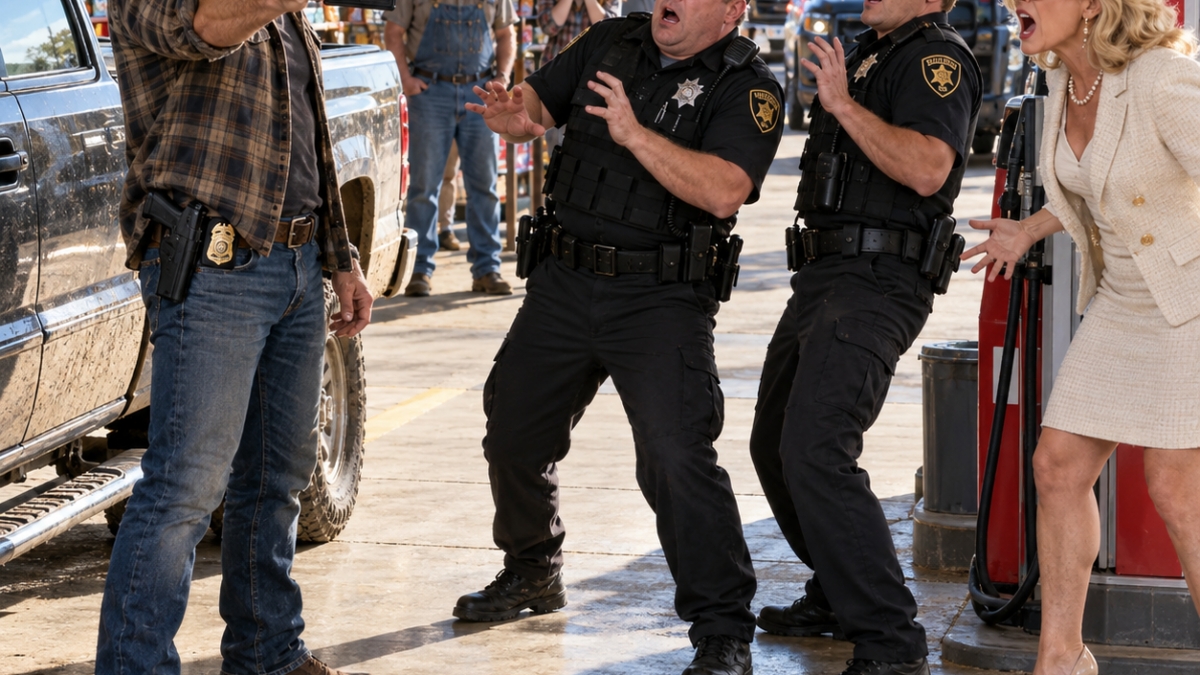
PART 2
The first thing my attorney told me was not to do anything.
That irritated me.
I had driven ninety minutes to Austin with a fake demolition order in one hand and my father’s thirty-year lease in the other, and I expected Amanda Reyes to tell me exactly how hard I could hit back.
Instead, she read every page twice, closed the folder, and said, “Wait.”
Amanda had spent more than twenty years litigating property disputes, easement cases, and HOA fights across Texas. She was in her late forties, spoke softly, rarely repeated herself, and had the unsettling habit of becoming calmer the worse a situation became.
I pointed at Section Seven.
“You said this clause is enforceable.”
“It appears enforceable.”
“So raise the rent.”
“Not yet.”
“They ordered me to bulldoze my home.”
“I know.”
“They gave me twenty-four hours.”
“And if this ever reaches court, I want a judge to see a documented pattern of interference so clear that Ridgewood’s lawyers cannot plausibly call this a misunderstanding.”
I leaned back.
“How much clearer does a demolition order get?”
Amanda tapped the paper.
“This is stupid. It is aggressive. It may be enough. But stupid people usually become more useful if you give them room.”
I stared at her.
“Useful?”
“They make more mistakes.”
That sounded exactly like something my father would have said.
So I waited.
The twenty-four-hour deadline expired the following morning.
Nothing happened.
I fed cattle.
Repaired a broken hinge.
Checked the water troughs.
By sunset, I began wondering whether Vivien’s demolition notice had been nothing more than theater.
That illusion lasted twelve hours.
The surveillance began the next morning.
Ridgewood security vehicles started passing my property at irregular intervals.
Not often enough to look like a patrol schedule.
Just often enough to make sure I noticed.
One black SUV at 6:40.
Another at 7:15.
Nothing for three hours.
Then two passes around lunch.
Three more before sunset.
Every time they reached my gate, they slowed.
Sometimes the driver stared.
Sometimes he stopped for several seconds before continuing.
I began photographing every pass.
Date.
Time.
License plate.
Driver.
By the third day, I had forty-seven documented instances.
On day four, I found three notices taped neatly across my gate.
UNLICENSED AGRICULTURAL OPERATION.
NOISE NUISANCE.
ODOR VIOLATION.
All on Ridgewood Estates letterhead.
Not one carried a county seal.
Not one cited actual law.
I placed them in a plastic sleeve.
Then I called Amanda.
“They’re escalating.”
“Good.”
I nearly dropped the phone.
“Good?”
“From an evidentiary standpoint.”
“I’m glad somebody’s enjoying this.”
“Nobody is enjoying it. Keep documenting.”
Vivien Hartley called me personally three days later.
I was repairing a water trough when my phone rang.
“Mr. Dawson?”
“Yes.”
“This is Vivien Hartley.”
Her voice was controlled and polished.
The kind of voice people develop after years of being the person everybody else waits to hear from.
“I understand you received our communications.”
“I received several pieces of paper pretending to have authority they don’t have.”
A pause.
Then:
“I’d prefer not to make this unpleasant.”
“It became unpleasant around six in the morning when your guards ordered me to demolish my house.”
“We are trying to resolve a compatibility problem.”
“My cattle have been there longer than your houses.”
“The world changes, Mr. Dawson.”
“So I’ve heard.”
“The association is prepared to purchase your property at fair market value.”
“I’m not selling.”
“I suggest you consider the offer before rejecting it emotionally.”
I stopped working.
“My answer isn’t emotional.”
“Everything has a price.”
“Not everything.”
Her voice cooled.
“Your agricultural exemption comes up for review this fall.”
I didn’t respond.
Vivien continued.
“I’ve served on the county planning commission for six years.”
There it was.
“I chair the zoning subcommittee.”
I quietly started recording.
She kept talking.
“Your water permits also involve jurisdictions where I have strong working relationships.”
“What exactly are you saying?”
“I’m saying you have an easy path available.”
“And the hard path?”
“Inspections. Hearings. Permit reviews. Environmental complaints. Agricultural compliance. These things can become exhausting.”
“Are you threatening to use your public position to pressure me into selling?”
“I’m explaining reality.”
“No.”
I leaned against the barn wall.
“You’re describing retaliation.”
Vivien laughed.
Briefly.
Almost sympathetically.
“Mr. Dawson, men like you always believe ownership is permanent because a deed says so.”
I felt something cold move through me.
“Before you threaten a man’s livelihood, Mrs. Hartley, you should probably know what he owns.”
Another pause.
“And what exactly is that supposed to mean?”
“You’ll understand later.”
She hung up.
I saved the recording in three separate locations.
Then I called Amanda.
When she finished listening, there was a long silence.
Finally she said:
“Now she’s getting useful.”
That evening I returned to the lease.
I had focused so much on Section Seven that I had missed the attached survey.
Lot 12A.
The parcel beneath Ridgewood’s community center.
But the lease included something else.
The main access road.
The road connecting the subdivision to the county highway crossed Dawson property.
My father had never sold it.
He leased the access right together with the clubhouse parcel.
One payment.
$2,000 per month.
The developer had accepted the structure because it kept upfront costs low.
Then Ridgewood Properties went bankrupt.
When the HOA took over certain obligations, it inherited the lease.
But apparently, the board had been given only a summary.
Payment amount.
Lease term.
Parcel identification.
Not the full document.
Not the survey.
Not Section Seven.
For fifteen years, Ridgewood had paid my family $2,000 every month without bothering to ask exactly why.
That struck me as reckless.
Then again, Vivien Hartley had just threatened a ranch she apparently knew almost nothing about.
Reckless seemed to be a management philosophy.
The following morning, I walked the eastern fence before sunrise.
That was when I saw the wire.
Three strands had been cut cleanly.
Not broken.
Cut.
Someone had used bolt cutters.
My stomach dropped.
Three heifers were missing.
I found two grazing in the ditch beside County Road 47.
The third had attempted to push back through the severed fence.
Loose barbed wire had wrapped around her flank.
She was bleeding badly.
“Easy, girl.”
I approached slowly.
She was trembling.
One hind leg kept kicking.
I cut the wire away and called the veterinarian.
The wound required stitches.
Standing in that pasture with blood on my hands changed something in me.
Until then, the fight had been paper.
Threats.
Patrols.
Notices.
Now an animal had been hurt.
I checked my security camera.
2:47 a.m.
Two people in dark clothing moved along the fence.
Hoods up.
Faces hidden.
One crouched near the wire.
The video wasn’t clear enough to identify them.
But it showed deliberate sabotage.
I called the sheriff.
Deputy Wilson arrived an hour later.
He photographed everything.
The cut.
Tracks.
Damaged wire.
The camera footage.
He shook his head.
“This is criminal mischief.”
“Can you identify them?”
“No.”
“Then what happens?”
“I file it.”
“That’s it?”
“Unless we connect someone to those people.”
He looked at me.
“Do you have enemies?”
I almost laughed.
“Do homeowners associations count?”
Wilson didn’t laugh.
“I’m serious.”
“So am I.”
He wrote down Ridgewood’s information.
Then he warned me not to confront anybody without evidence.
Three hours later, the county agricultural office called.
An anonymous complaint had been submitted at 7:15 that morning.
Loose livestock.
Road hazard.
Negligent containment.
They knew my name.
My address.
The exact section of road where the cattle had been found.
The timing was too perfect.
Someone had cut my fence.
Released my cattle.
Then reported the consequences they created.
More importantly, that complaint automatically triggered review of the very agricultural exemption Vivien had threatened.
I sat at my kitchen table with my phone still in my hand.
Now I was angry enough to do something stupid.
So I called Amanda.
She listened.
Then she said:
“Do nothing.”
“I’m getting tired of hearing that.”
“Good. Be tired. Don’t be careless.”
“My cattle were hurt.”
“I know.”
“They’re manufacturing violations.”
“I know.”
“What are we waiting for?”
“Something we can prove.”
I hated that answer because she was right.
Four days later, Martinez returned.
This time he didn’t come to the gate.
He taped an envelope to the post and drove away.
Inside:
FINAL NOTICE — CEASE AGRICULTURAL OPERATIONS WITHIN SEVEN DAYS.
Copies had been sent to the county planning commission.
Agricultural board.
Environmental compliance.
Vivien was seeding the paper trail everywhere she had influence.
Three days later, she appeared personally.
And she brought a real county official.
Robert Okonquo from building and code enforcement.
Unlike Ridgewood security, Robert wore an actual county badge.
He introduced himself politely.
“We received multiple complaints alleging building, agricultural, and sanitation violations.”
“I expected you.”
“Are you willing to allow inspection?”
“Yes.”
Vivien stood several yards behind him.
Arms crossed.
Robert noticed me looking at her.
“County procedure allows complainants to observe from outside the property boundary.”
“She doesn’t come through my gate.”
“That is your right.”
I started recording.
Robert spent forty-five minutes inspecting everything.
Barn.
Waste storage.
Water systems.
Fencing.
Livestock areas.
Equipment structures.
He asked for permits.
I had them.
Maintenance records.
I had those too.
My father had believed paperwork was as essential as fencing.
When Robert finished, he stood beside his truck reviewing his notes.
“Mr. Dawson, I find no current violations.”
Vivien stiffened.
Robert continued.
“Your agricultural operation is licensed. Waste management exceeds county minimum requirements. Structures inspected today are properly documented.”
He looked toward Vivien.
“The complaint also states that Mr. Dawson is violating Ridgewood HOA standards.”
“Yes,” Vivien said quickly.
Robert shook his head.
“County records show this parcel is outside Ridgewood’s jurisdiction.”
“The boundaries are being reconsidered.”
“Perhaps.”
“Annexation petitions are already moving through planning.”
Robert shrugged.
“That is not an existing jurisdictional fact.”
His words hit harder than anything I could have said.
Vivien waited until his truck left.
Then she stepped closer to the fence.
“You think that was a victory?”
“I think the man whose job is enforcing county codes found no violations.”
“I’ve spent six years building relationships in this county.”
I said nothing.
She continued.
“I’ve supported commissioners. Judges. Planning officials. Water district representatives.”
“You’re saying that out loud?”
“I’m telling you that one inspection changes nothing.”
Her eyes hardened.
“Your grandfather built this place. Your father protected it. And you’re going to be the one who loses it.”
“Because I violated the law?”
“No.”
That word came too quickly.
Then she made her biggest mistake.
“Because you picked a fight with someone who understands power.”
She walked away.
I stood behind my grandfather’s gate staring after her.
For the first time, I fully understood what Vivien thought this was.
Not a property dispute.
A demonstration of influence.
She believed enough friends in enough offices could eventually make reality bend.
My father had anticipated people like her.
He had not known her name.
But he knew the type.
That night I returned to Section Seven.
Then I stopped reading the lease and started reading every document related to Ridgewood.
For three straight days, I sat in the county recorder’s office.
The clerks learned my coffee order.
I pulled original surveys.
Planning approvals.
Easements.
Permit files.
Subdivision maps.
And buried in an old plat, I found Lot 12B.
Two acres.
Adjacent to the leased clubhouse property.
Never sold.
Never leased.
Still owned by my family.
I drove straight to Ridgewood.
The problem became obvious once I knew where to look.
The community center parking lot crossed the Lot 12A boundary by roughly forty feet.
Asphalt.
Drainage.
Lighting poles.
Landscaping.
All sitting on Lot 12B.
My land.
I found two survey markers nearly buried beneath grass.
Photographed them.
Measured from both.
Then I pulled the construction permit.
Vivien Hartley’s signature appeared on the parking-lot expansion application.
The plan attached to the permit used an outdated aerial map.
A map created before my father formally separated Lot 12B.
Whether she had knowingly submitted old information or simply failed to verify it, the result was the same.
The HOA had built on land it didn’t own.
Amanda almost laughed when I called.
“This is becoming remarkable.”
“That’s one word.”
“Now you have two separate issues. Lease impairment and encroachment.”
“What would you do?”
“Keep gathering.”
Again.
Always gather.
I needed information from inside the HOA.
That led me to Gerald Foster.
He served on the board.
Retired engineer.
Late fifties.
I had noticed him standing near Vivien during Robert Okonquo’s inspection.
He hadn’t looked supportive.
He had looked uncomfortable.
I drove to his house Thursday evening.
Gerald opened the door but didn’t invite me inside.
“Mr. Dawson.”
“Mr. Foster.”
“We probably shouldn’t talk.”
“That usually means we should.”
His eyes moved toward the street.
“Vivien keeps track of board members who oppose her.”
“Why?”
“Control.”
He hesitated.
Then opened the door.
“Five minutes.”
We sat at his kitchen table.
Five minutes became an hour.
Gerald told me Vivien had spent years consolidating power.
Board members who challenged her suddenly received violations.
Residents who criticized budgets found architectural requests delayed.
She controlled proxies.
Committee appointments.
Vendor relationships.
Three directors had resigned in two years.
“What about the legal campaign against me?” I asked.
“I voted for it.”
At least he admitted it.
“Why?”
“Vivien said you were blocking planned community expansion.”
“I refused to sell my ranch.”
“She made it sound more complicated.”
“It isn’t.”
Gerald looked ashamed.
“The complaints started right after you rejected the purchase offer.”
“Yes.”
“And now I’m wondering how many other things she simplified for us.”
He told me the HOA had been collecting special assessments supposedly for legal work.
But invoices showed large payments to political consultants and county lobbyists.
Not lawyers.
“Do homeowners know?”
“No.”
“Does the board?”
“Most don’t ask.”
I opened my folder.
First, the original plat excluding my ranch from Ridgewood.
Gerald studied it.
Then the full lease.
His face changed when he saw the community center parcel.
“You own this?”
“My family does.”
“The board pays $2,000 a month.”
“Yes.”
“We were told it was a facility obligation from the old developer.”
“It’s rent.”
I turned to Section Seven.
Gerald read slowly.
Then again.
He looked up.
“Ten times?”
“Potentially.”
“Twenty thousand dollars a month?”
“Yes.”
“Our annual reserve for facility obligations is barely over sixty thousand.”
“That sounds like something your president should have researched before ordering me to bulldoze my ranch.”
Gerald went pale.
Then I showed him Lot 12B.
The parking lot photographs.
Vivien’s permit application.
The recorded threat.
By the end, he looked like a man discovering that his house had been built above a sinkhole.
“She never told us any of this.”
“Maybe she didn’t know.”
“She knew enough to threaten you.”
I closed the folder.
“I’m not trying to bankrupt Ridgewood.”
“Then what do you want?”
“My property left alone.”
“And Vivien?”
“I want her to stop using four hundred homeowners as leverage for something they never authorized.”
Gerald sat quietly.
Then:
“There’s a board meeting Saturday.”
“So?”
“She intends to ask residents for a special assessment to fund continued enforcement against you.”
“How much?”
“Five hundred per home.”
I did the math.
“If all four hundred pay, that’s two hundred thousand dollars.”
“She wants a war chest.”
“Using residents’ money.”
“Yes.”
Gerald leaned closer.
“I requested full financial disclosure for the same meeting.”
I looked at him.
“She knows?”
“She’s trying to postpone it.”
“Can I speak?”
“If you are classified as an affected landowner.”
“I’d say a board planning to sue my ranch affects me.”
Gerald smiled for the first time.
“I’ll put you on the agenda.”
Amanda and I stopped waiting.
Wednesday morning, she filed formal notice invoking Section Seven.
The notice listed every documented action.
Fake demolition demand.
HOA citations.
Surveillance patrols.
Manufactured complaints.
Recorded threat involving Vivien’s county position.
The rent would increase from $2,000 to $20,000 per month after thirty days unless resolved.
Separate filing:
Encroachment on Lot 12B.
Remove the unauthorized parking improvements within ninety days or negotiate compensation.
Thursday, Ridgewood sued me.
Emergency agricultural nuisance abatement.
Request for injunction.
Vivien wanted to stop me from “interfering with community operations.”
Amanda read the complaint and shook her head.
“She filed too fast.”
“Why?”
“They’re claiming authority over land their own recorded plat excludes.”
“Can we dismiss it?”
“Likely.”
“What about Saturday?”
Amanda smiled.
“Saturday just became more interesting.”
The Ridgewood board meeting started at ten.
By 9:45, the community center parking lot was overflowing.
Including the forty-foot strip sitting on my property.
That part made me smile.
Inside, almost ninety homeowners filled the hall.
Vivien sat at the center of the board table.
Perfect blazer.
Perfect hair.
Perfect composure.
Gerald sat two chairs away.
He didn’t look at me when I entered.
Good.
The less coordinated we appeared, the better.
Vivien opened with routine business.
Landscaping.
Pool maintenance.
Security schedules.
Then:
“Emergency assessment.”
She stood.
“Ridgewood is facing an outside threat to community safety and property values.”
People turned toward me.
“A neighboring agricultural operation has refused reasonable standards and is now attempting to undermine association operations.”
Reasonable standards.
Apparently demolishing my home in twenty-four hours counted as reasonable.
“To protect Ridgewood, the board requests a special assessment of five hundred dollars per household for necessary legal and administrative action.”
A woman near the front raised her hand.
“What exactly are we paying for?”
Vivien smiled.
“Legal defense of our community.”
“Against what?”
“Threats to our property rights.”
The irony almost hurt.
The vote happened quickly.
Seventy-one in favor.
Four opposed.
The motion passed.
Forty-two thousand five hundred dollars immediately authorized from residents present and represented.
Vivien moved to the next legal-expense authorization.
I stood.
“Point of order.”
Her eyes found mine.
“Public comment occurs later, Mr. Dawson.”
“Your next vote concerns legal action against my property.”
“Sit down.”
Gerald finally looked up.
“Chair, affected landowners have speaking rights on matters directly impacting their property.”
Vivien glared at him.
Then back at me.
She could refuse.
But ninety homeowners were watching.
“Five minutes.”
“I’ll need fifteen.”
“You have five.”
I connected my laptop to the projector.
The first image appeared.
Recorded subdivision plat.
“My ranch is not part of Ridgewood Estates.”
I enlarged the boundary.
“It has never been part of Ridgewood Estates.”
Someone whispered.
“Every citation issued by this HOA against my ranch has no contractual authority.”
Vivien leaned toward her microphone.
“Those boundaries are currently being reviewed.”
I clicked to the next slide.
“Reviewed does not mean changed.”
Then came the lease.
I displayed the first page.
“This community center stands on Lot 12A.”
People looked around.
“This land does not belong to Ridgewood.”
A man laughed nervously.
“It belongs to my family.”
That stopped the laughter.
“The original developer leased it from my father.”
I highlighted the payment clause.
“Your association currently pays $2,000 per month.”
A woman near the front turned toward Vivien.
“Rent?”
Vivien didn’t answer.
I continued.
“The lease also includes the primary access road.”
A resident near the back shouted:
“You mean the road outside?”
“Yes.”
“So you own our entrance?”
“My family owns the underlying property and Ridgewood holds lease rights.”
The room started buzzing.
Then I showed Section Seven.
“This clause states that if the tenant—or anyone acting for it—attempts to impair or challenge my family’s rights on adjacent property, rent can be increased up to ten times the base amount.”
Silence.
I enlarged the number.
$20,000.
“The legal notice has already been filed.”
Vivien stood.
“This is a negotiation tactic.”
“No.”
I looked directly at her.
“It is a contract.”
Next slide.
Lot 12B.
“Then there is your parking lot.”
A survey overlay appeared.
Red boundary line.
Forty feet of asphalt extending beyond it.
“The HOA built permanent improvements on two acres that were never sold or leased.”
A man shouted:
“How?”
“The permit application used an outdated map.”
Next slide.
Vivien Hartley’s signature.
The room changed.
Now people were looking at her.
Not me.
She reached for her microphone.
“This information has not been independently verified.”
“It came from the county recorder.”
I changed slides.
“Anyone in this room can verify it Monday morning.”
Someone shouted:
“Did you know?”
Another voice:
“Vivien?”
She ignored them.
I clicked once more.
“I have one final item.”
Then I played the recording.
Her voice filled the community center.
I’ve been on the county planning commission for six years.
People became completely still.
Your agricultural exemption comes up for renewal.
Vivien’s face drained.
Your water rights depend on jurisdictions where I have influence.
No one moved.
Then the final part.
The difficult path involves paperwork you won’t enjoy.
When the recording ended, the silence was vicious.
Gerald stood.
“I move for an immediate vote of no confidence in President Hartley pending an independent financial and legal audit.”
Vivien snapped:
“That is out of order.”
Another director raised her hand.
“Second.”
Vivien stared at her.
“You cannot be serious.”
Gerald looked toward the residents.
“All in favor of removing Vivien Hartley as president?”
Hands began rising.
At first, only a few.
Then fifteen.
Thirty.
Fifty.
More.
People who had voted minutes earlier to give her money were now voting to remove her.
Final count:
Sixty-eight to seventeen.
Vivien stood frozen.
One resident demanded her assessment back.
Another asked where the political-consulting payments went.
A third demanded the full lease.
Someone shouted:
“How long did you know he owned the clubhouse?”
Vivien banged the gavel.
Nobody listened.
Her authority disappeared in less than thirty seconds.
Not because I yelled louder.
Because the room finally stopped believing her.
I packed my laptop.
Near the door, Gerald caught me.
“The new board will want to negotiate.”
“The rent notice stands.”
“Twenty thousand?”
“For now.”
He winced.
“I’m willing to discuss a settlement with a board that understands boundaries.”
“What about the parking lot?”
“Separate issue.”
Gerald nodded.
Then he extended his hand.
“I’m sorry.”
“For voting against me?”
“For never checking.”
I shook his hand.
“That’s the part you should remember.”
The county hearing took place two weeks later.
Vivien no longer represented Ridgewood, but the nuisance case she filed remained active because the attorney’s retainer had already been paid.
Judge Catherine Morales presided.
She had handled property disputes for twenty years and seemed irritated before Ridgewood’s attorney finished his opening sentence.
He argued that my ranch created a “de facto community impact.”
Judge Morales stopped him.
“De facto HOA jurisdiction is not a legal doctrine I recognize.”
The attorney tried again.
“Because of proximity—”
“Is the Dawson parcel inside recorded association boundaries?”
“No.”
“Then what contractual authority does Ridgewood possess?”
He shuffled papers.
“Community standards—”
“Over a nonmember?”
Silence.
“No, Your Honor.”
Judge Morales looked toward Amanda.
“Anything further?”
Amanda stood.
“Yes. We request permission to demonstrate that this complaint forms part of a retaliatory campaign.”
She called Vivien Hartley.
Vivien walked toward the witness stand.
She looked diminished without the board table.
But she still carried herself like someone who expected the room to eventually bend.
Judge Morales swore her in.
Amanda approached.
“Mrs. Hartley, did you authorize Ridgewood security to deliver a demolition demand to Thomas Dawson?”
“I authorized communication of the board’s position.”
“Did that document give him twenty-four hours?”
“Yes.”
“Did you have a court order?”
“No.”
“County demolition order?”
“No.”
“Was his ranch within HOA jurisdiction?”
“The boundaries were disputed.”
Amanda displayed the plat.
“Were these recorded boundaries disputed?”
Vivien hesitated.
“They were under reconsideration.”
“That was not my question.”
Vivien’s jaw tightened.
“No.”
“Did you call Mr. Dawson and discuss his agricultural exemption?”
“I discussed regulatory concerns.”
“Did you mention your planning commission position?”
“I may have.”
“Did you mention water rights?”
“Possibly.”
Amanda played the recording.
Vivien’s own voice filled the courtroom.
When it ended, Judge Morales stared at her.
“Mrs. Hartley, are those your words?”
Vivien looked toward her attorney.
He could not answer for her.
“Yes.”
Amanda continued.
“Why were you threatening government reviews in connection with Mr. Dawson’s refusal to sell?”
“I wasn’t threatening him.”
“You called it the difficult path.”
“I was describing reality.”
“Your reality?”
“No.”
“Then whose?”
Vivien’s patience broke.
“That ranch should never have remained there.”
The courtroom became still.
Amanda didn’t move.
Vivien kept going.
“The original developer was supposed to acquire everything. His father kept the homestead and created a problem the rest of us have dealt with for fifteen years.”
There it was.
Not a legal claim.
Resentment.
She wasn’t enforcing standards.
She hated that my family had refused to disappear.
Judge Morales leaned forward.
“Mrs. Hartley, are you saying your actions were intended to force transfer of property that you knew had been excluded from the subdivision?”
Vivien realized what she had admitted.
“No.”
“That sounded very much like yes.”
Her attorney stood.
“Your Honor—”
“Sit down.”
He sat.
Judge Morales dismissed Ridgewood’s nuisance complaint with prejudice.
Then she referred the record to the district attorney.
Possible abuse of public office.
False agency complaints.
Permit misrepresentation.
Potential criminal impersonation by HOA security.
That referral changed everything.
Investigators were already looking into Vivien.
Two developers had accused her of conditioning favorable zoning treatment on campaign contributions.
A water-district contractor had complained that she attempted to block an application after he refused to support a political fundraiser.
My recording supplied something investigators had lacked.
A pattern.
Six weeks later, Vivien Hartley was formally charged.
Fraud related to the parking-lot permit.
Official misconduct.
False reporting.
Improper use of public influence.
Martinez and Chen lost their security licenses and faced criminal-impersonation charges connected to the demolition demand.
They both accepted plea agreements.
In exchange for reduced penalties, they testified.
That was when I learned the truth about the security campaign.
Vivien had personally instructed them to “make the rancher feel watched.”
She told them to patrol my gate.
Document animals.
Photograph equipment.
Create a record of “ongoing agricultural nuisance.”
Neither man admitted cutting my fence.
The criminal investigation could never prove who did it.
That bothered me.
It still does.
But prosecutors did prove Vivien knew an anonymous loose-cattle complaint would trigger review of my agricultural exemption.
They found emails sent the evening before my fence was cut discussing “livestock containment concerns.”
Before there were loose cattle.
Before anybody supposedly had reason to complain.
Amanda called it circumstantial evidence.
I called it enough to know I hadn’t imagined what was happening.
Vivien’s trial lasted four days.
Gerald testified.
Robert Okonquo testified.
The forensic accountant testified.
I testified.
Amanda wasn’t the prosecutor, but she sat behind me during parts of the proceeding.
When I took the stand, the prosecutor asked:
“Mr. Dawson, what did you believe Mrs. Hartley wanted?”
“My ranch.”
“Why?”
“Because I wouldn’t sell it.”
“Did you threaten her?”
“No.”
“Did you threaten Ridgewood residents?”
“No.”
“Did you interfere with their homes?”
“No.”
“Did you invoke the rent penalty?”
“Yes.”
Her defense attorney jumped on that.
“Twenty thousand dollars a month?”
“Yes.”
“So you financially punished four hundred families because you disliked Mrs. Hartley?”
“No.”
“Isn’t that exactly what happened?”
“No.”
“What do you call a tenfold rent increase?”
“A contract term.”
The courtroom went quiet.
I continued.
“My father wrote that clause because the land Ridgewood uses belongs to us. The clause activates when Ridgewood challenges our ownership rights elsewhere.”
“Convenient.”
“It was signed fifteen years before I met your client.”
He moved on quickly.
The jury convicted Vivien on the major counts.
Her criminal sentence was not dramatic.
No television-style twenty-year prison term.
Probation.
Fines.
Community service.
Loss of her county position.
Permanent prohibition from serving on HOA boards or local advisory bodies.
But I learned something from watching her sentencing.
For Vivien, prison would not have been the only punishment.
Power had been her identity.
She walked into rooms and expected people to move.
Now every position that had made that possible was gone.
The planning commission removed her.
Political groups stopped taking her calls.
Residents who had once applauded her avoided her at the courthouse.
People who had depended on her influence suddenly remembered they barely knew her.
That was punishment she understood.
Three weeks later, Gerald and Ridgewood’s new board came to my ranch.
Not in black SUVs.
No badges.
No threats.
Gerald arrived in a pickup truck.
Two board members followed.
We sat at my kitchen table.
My father’s lease lay between us.
Gerald began.
“Twenty thousand a month will drain reserves quickly.”
“I know.”
“We want a long-term resolution.”
“So do I.”
“We formally acknowledge that your ranch is permanently outside Ridgewood jurisdiction.”
I looked at Amanda.
She nodded.
Gerald continued.
“We withdraw every citation and complaint.”
“Good.”
“We will pay damages related to the encroachment.”
“Good.”
“We’ll remove the parking-lot portion from Lot 12B.”
“How long?”
“Ninety days.”
“Acceptable.”
He inhaled.
“Rent.”
I waited.
“We can handle eight thousand.”
“No.”
“Ten.”
“No.”
Gerald looked frustrated.
“You said you don’t want to destroy the community.”
“I don’t.”
“Then give us something.”
“I am.”
I pointed toward the window.
“You still have a community center.”
He looked at me.
“You still have your access road.”
Silence.
“I could enforce twenty thousand under the contract.”
Gerald nodded reluctantly.
“But I’m willing to fix it at twelve thousand for five years.”
His eyes widened.
“That’s six times what we paid.”
“And eight thousand less than I can demand.”
Amanda finally spoke.
“Mr. Foster, this also buys certainty. No annual escalation. No litigation regarding the penalty amount.”
Gerald rubbed his forehead.
“What about damages?”
We eventually agreed.
Twelve thousand monthly rent.
Five-year term.
Formal acknowledgment of Dawson ownership.
Permanent exclusion of my ranch from all HOA covenants.
Removal of the Lot 12B encroachment.
Compensation for unauthorized use.
Settlement of documented harassment expenses.
Total immediate payment:
$52,000.
The special assessment Vivien tried to collect was reversed.
An audit discovered substantial HOA money had been diverted toward political consultants and lobbying operations under descriptions such as “community legal advocacy.”
Some of that money was recovered from Vivien.
Insurance covered part of the encroachment.
Residents avoided the catastrophic assessment she had tried to force through.
Nobody lost a home.
Nobody lost access.
Ridgewood survived.
Vivien’s empire did not.
The first rent check arrived on the first day of the following month.
$12,000.
I held it in my hand at the kitchen table.
My father’s old note still sat inside the lease folder.
Insurance policy if they forget who owns the land.
I laughed.
“Guess they remembered, Dad.”
I used part of the settlement money to rebuild the eastern fence.
Heavy-gauge wire.
New posts.
Motion cameras.
Better lighting.
The young Hereford that had been injured healed, although a pale scar remained across her flank.
The rest of the money went toward an equipment barn my father had planned for years but never had enough cash to build.
I put his original drawing on the wall inside.
Six months later, Gerald called me.
“I have a strange proposal.”
“That sentence worries me.”
“Open-house afternoon.”
“For what?”
“The ranch.”
“No.”
“Hear me out.”
“No.”
“Forty-three families signed up.”
“That makes it worse.”
He laughed.
“People spent years hearing your ranch was dirty, dangerous, environmentally irresponsible, and bad for property values.”
“That sounds like their problem.”
“Maybe.”
Then he said something that changed my mind.
“Their kids believe cows are dangerous because Vivien told them livestock near the subdivision was a public safety threat.”
I looked toward the pasture.
“Seriously?”
“Seriously.”
So one Saturday afternoon, I opened the gate.
Not permanently.
Not for the HOA.
For the neighbors.
Forty-three people came.
Parents.
Children.
Retirees.
People who had lived beside me for fifteen years without ever stepping onto the ranch.
I showed them the barn.
Water system.
Pasture rotation.
Feed storage.
The creek buffer.
The fencing.
Kids fed calves.
One little girl spent twenty minutes brushing the scarred Hereford.
Her mother asked:
“What happened to her?”
I hesitated.
“Fence accident.”
I didn’t need to turn a child’s afternoon into a story about retaliation.
The girl stroked the cow’s neck.
“She’s beautiful.”
“Yeah.”
I looked at the scar.
“She is.”
Near sunset, people started leaving.
One older Ridgewood resident remained behind.
I recognized him from the board meeting.
He had voted for the $500 assessment.
“I owe you an apology.”
“You’re not the first.”
“I believed her.”
“So did a lot of people.”
“I called your ranch a blight.”
I looked around.
Pasture glowing gold.
Cattle settling near the water.
Old barn standing exactly where my grandfather built it.
“You were wrong.”
He laughed.
“I suppose I earned that.”
“Yes.”
He offered his hand.
I shook it.
The relationship between Ridgewood and me never became sentimental.
I didn’t attend their holiday parties.
They didn’t start inviting my cattle to HOA meetings.
But things became functional.
If they wanted to repair utilities on the leased access road, they called first.
If I moved cattle near the subdivision fence, I notified them.
Gerald’s board published finances online.
Security guards stopped wearing badges designed to resemble law enforcement.
The planning commission adopted new conflict-of-interest disclosures partly because of Vivien’s case.
Robert Okonquo became the person Ridgewood residents requested whenever they wanted a neutral code question answered.
Normal things.
Boring things.
The kind of things institutions should have been doing before one woman decided influence made rules optional.
A year after the first demolition notice, I found myself standing at the same gate.
Six in the morning.
Same spring light.
Same pasture.
But no black SUV.
No men pretending to have authority.
The new fence gleamed along the eastern boundary.
Behind me, the ranch was waking.
Cattle shifting.
Barn doors creaking.
Windmill turning slowly.
I remembered Martinez handing me that paper.
Twenty-four hours.
It seemed almost funny now.
Twenty-four hours to destroy a place that had survived three generations.
As if my grandfather’s work could be erased because an HOA president typed a deadline onto letterhead.
I walked back toward the house.
My father’s desk remained in the small office.
I had cleaned it but never replaced it.
The fireproof cabinet remained beside the wall.
Inside were all the old records.
Deeds.
Surveys.
Water rights.
Tax payments.
Lease.
And now one new folder.
RIDGEWOOD SETTLEMENT.
I placed the final signed agreement inside.
Then I noticed another envelope behind the lease.
Old.
Yellowed.
My name written in my father’s handwriting.
I didn’t remember seeing it before.
I opened it.
Inside was one page.
Thomas,
If you’re reading through this cabinet, somebody is probably arguing with you about land.
I laughed out loud.
That was my father.
Straight to the point.
He continued.
Developers will tell you progress means selling.
Politicians will tell you public interest means surrendering.
Neighbors will tell you being difficult means saying no.
Sometimes they’ll be right.
Most times they’ll simply want something.
Know the difference.
I sat down.
The next paragraph slowed me.
I kept the home eighty acres because your grandfather asked me to.
I kept the water because land without water belongs to whoever controls the tap.
I kept the road and community-center parcel because I learned a long time ago that people respect boundaries better when crossing them costs money.
I smiled.
Then came the line I didn’t expect.
But don’t punish people who had nothing to do with the fight.
Contracts are tools.
Use them to protect the ranch, not to become the kind of man who enjoys hurting neighbors.
I read that twice.
For weeks after discovering Section Seven, a part of me had loved the idea of twenty thousand dollars.
Not because I needed it.
Because it felt like revenge.
You threaten my home?
Fine.
Pay.
You send fake cops?
Pay.
You hurt my cattle?
Pay.
You use political connections?
Pay.
Ten times.
Every month.
But when Gerald sat across my kitchen table representing hundreds of homeowners who had never read the lease either, twelve thousand became enough.
Enough to establish consequences.
Enough to protect the land.
Enough to make Ridgewood remember the agreement.
Not enough to break families who had played no role in Vivien’s decisions.
Dad had anticipated that too.
I folded the letter.
Outside, morning sunlight reached across the pasture.
My grandfather had cleared some of that ground by hand.
My father had spent decades defending it with contracts.
My job had been different.
I had to decide what protecting it meant after the world around it changed.
That turned out to be harder than fighting.
Fighting is simple.
Somebody threatens you.
You hit back.
Protecting something means knowing how hard to hit.
Years later, Ridgewood’s rent still arrived on the first business day of every month.
The original five-year agreement eventually came up for renewal.
By then Gerald had stepped down.
The new president was a schoolteacher named Elaine Morris.
She called instead of sending security.
That alone impressed me.
We sat at the same kitchen table.
She brought financial statements.
Usage projections.
Road-maintenance proposals.
And pie.
“My husband said ranch negotiations require pie.”
“He’s well informed.”
She smiled.
Then opened the lease.
“We would like to renew.”
“No problem.”
“Same basic terms?”
“With adjustments.”
She looked nervous.
“How large?”
“Inflation.”
“That’s it?”
“That’s generally how leases work when nobody threatens to bulldoze the landlord’s house.”
Elaine laughed.
Then she became serious.
“I was living in Ridgewood when Vivien did that.”
“I know.”
“I voted for the special assessment.”
I looked at her.
“You and half the room.”
“I’m sorry.”
“Then run the board differently.”
“I intend to.”
We renewed.
No threats.
No lawyers.
No emergency filings.
Just two property owners discussing a contract.
That meeting gave me more satisfaction than Vivien’s conviction ever did.
Because power isn’t proven by how badly you can punish somebody after you win.
Sometimes power is knowing you no longer need to.
Vivien eventually moved away.
I heard she sold her Ridgewood house.
For a while, neighbors passed along gossip about where she went.
I stopped listening.
Her punishment wasn’t supposed to become my hobby.
The ranch required enough attention.
There were fences to mend.
Calves to deliver.
Equipment that broke exactly when it was most inconvenient.
Drought years.
Flood years.
Good seasons.
Terrible ones.
Real life filled the space the fight had occupied.
Every now and then, someone would ask me about the famous rent increase.
Usually they wanted the satisfying version.
The old rancher humiliated by an HOA.
Secret lease.
Tenfold rent.
Corrupt president destroyed.
That version is true.
But incomplete.
The most important part happened after the revenge.
Because when Amanda first confirmed I could raise the rent to $20,000, it felt like a weapon.
When everything ended, I understood what my father meant.
It was insurance.
Insurance doesn’t exist so you can enjoy catastrophe.
It exists so catastrophe doesn’t destroy you.
Vivien Hartley thought authority came from proximity to powerful people.
Martinez and Chen thought uniforms could manufacture it.
The HOA thought thick binders and letterhead could expand it.
But legal authority is less impressive and more durable.
Recorded boundaries.
Signed contracts.
Deeds.
Surveys.
Jurisdiction.
Documents that say exactly where one person’s power ends and another person’s property begins.
That was what saved my ranch.
Not screaming.
Not threats.
Not political favors.
Paper.
And patience.
On the fiftieth anniversary of the year my father took over the ranch from Grandpa, I replaced the oldest sign at the eastern gate.
The wooden one had nearly rotted through.
My grandfather painted the original himself.
The new sign was simple.
DAWSON RANCH — EST. 1947.
Nothing about trespassers.
Nothing about HOA jurisdiction.
Nothing clever about rent.
Just the name.
Gerald came by that afternoon.
He had retired from the board completely.
We stood near the gate looking toward Ridgewood.
“You know what I remember most about that meeting?” he asked.
“My handsome PowerPoint presentation?”
“No.”
“Disappointing.”
“The silence after you played her phone call.”
I remembered it.
“You could feel the room change.”
“Yep.”
Gerald shook his head.
“I spent five years believing Vivien was the strongest person in Ridgewood.”
“She probably believed that too.”
“She wasn’t.”
“No.”
“Your lawyer was.”
I laughed.
“Don’t tell Amanda. Her rates will go up.”
Gerald smiled.
Then he pointed toward my pasture.
“No. I mean you.”
I shook my head.
“I had a good contract.”
“You also didn’t lose your temper.”
“That wasn’t always easy.”
“That’s my point.”
I thought about the injured heifer.
The cut fence.
The fake violations.
The client complaints.
The threat against my water.
There had been nights when anger kept me awake.
Times I imagined confronting Vivien at her house.
Times I wanted Ridgewood residents to feel the financial pain she was causing me.
But every time, somebody pulled me back.
Amanda.
My father’s documents.
My grandfather’s land.
Responsibility.
“Getting angry would’ve been cheaper,” I told Gerald.
“Probably.”
“But more expensive eventually.”
He nodded.
We stood there until the sun began dropping.
Ridgewood’s roofs glowed beyond the fence.
My cattle moved slowly toward the western pasture.
Two communities sharing a boundary.
Neither controlling the other.
Exactly how it should have been from the beginning.
Before Gerald left, he looked at the sign again.
“What happened to the demolition order?”
I smiled.
“Still have it.”
“Why?”
“Documentation.”
He laughed.
“Your father trained you well.”
Inside the house, I kept that original demolition order framed in my office.
Not because I was proud of being threatened.
Because beneath it I mounted a copy of Section Seven.
Twenty-four hours.
Tenfold rent.
Two documents.
One showed what happens when people pretend to have authority.
The other showed what happens when someone quietly understands the authority they actually possess.
Visitors sometimes assumed I framed them as trophies.
They weren’t.
They were reminders.
The first said:
Fear works fastest when nobody checks the paperwork.
The second said:
Always check the paperwork.
The ranch remains eighty acres.
Same house.
Same barn, though I replaced the roof.
Same eastern fence line, only stronger now.
The equipment barn finally went up.
Solar panels followed the next year.
I rebuilt the south water trough.
The scarred Hereford had two calves before age finally slowed her down.
I kept her.
She earned retirement.
Some evenings I sit on the porch and can see lights from Ridgewood through the trees.
The community center is still there.
Still on Dawson land.
They pay their rent on time.
Nobody complains about the smell of cattle anymore.
Or if they do, Elaine apparently handles it without threatening annexation.
Once a year, Ridgewood families are invited for a ranch afternoon.
Kids pet cattle.
Old residents tell me stories about farms they grew up on.
Someone always asks which cow was injured during the HOA fight.
I stopped pointing her out.
She became just another animal in the herd.
That felt healthier.
The battle became history instead of identity.
That mattered.
Because Vivien nearly made me define my ranch by opposition.
Her development versus my cattle.
Her authority versus my deed.
Her residents versus my family.
But the ranch existed long before Ridgewood.
It didn’t need an enemy to justify itself.
It needed grass.
Water.
Fences.
Work.
And somebody willing to understand what previous generations had protected.
On the morning of my seventieth birthday, I walked to the eastern boundary before sunrise.
I carried coffee.
The sky was beginning to brighten.
Behind the Ridgewood tree line, lights flickered on in houses as people prepared for work.
Soon cars would drive down the access road.
Across Dawson land.
Legally.
Under a lease everybody understood now.
That distinction made me smile.
My father once told me there were three ways a man could lose land.
Sell it.
Neglect it.
Or let someone convince him he had fewer rights than he actually did.
Vivien tried the third.
She almost succeeded because she had uniforms, political connections, official-looking letters, and enough confidence to make a lie feel inevitable.
But confidence isn’t title.
Influence isn’t ownership.
A badge from private security isn’t a sheriff’s star.
And an HOA president cannot turn somebody else’s ranch into her jurisdiction simply because she wants the view cleaned up.
I finished my coffee as the sun cleared the horizon.
Then I walked toward the barn.
The rent had already been deposited that morning.
I checked.
On time.
I laughed.
Fifteen years earlier, my father had written one sentence beside Section Seven.
Insurance policy if they forget who owns the land.
For a while, Ridgewood forgot.
Vivien forgot completely.
I reminded them.
Not with violence.
Not by bulldozing their clubhouse.
Not by blocking their road.
Not by hurting innocent homeowners.
I reminded them with the document their own predecessors signed.
That was enough.
And whenever someone asks how an HOA that gave me twenty-four hours to destroy my ranch ended up paying six times its old rent while its president lost every position of authority she once bragged about, my answer is always the same.
I didn’t beat Vivien Hartley because I had more power.
I beat her because she confused power with permission.
My grandfather built the ranch.
My father protected it with a clause nobody bothered to read.
And when my turn came, all I had to do was remain calm long enough for the woman trying to take it from me to prove, in writing and in her own recorded voice, exactly how far she was willing to go.
The cattle were settling down that evening when I walked the fence one final time.
The new wire caught the sunset.
Beyond it, Ridgewood’s community-center lights came on.
Their clubhouse.
My land.
A fair lease.
Clear boundaries.
No war.
I stood there thinking about that first black SUV arriving before sunrise, two men wearing badges and telling me I had twenty-four hours to erase three generations.
They expected fear.
They expected surrender.
What they got instead was a landlord.
And on the first of every month, Ridgewood still remembers it.
[END OF FULL STORY]








