𝗙𝗨𝗟𝗟 𝗦𝗧𝗢𝗥𝗬:The Look on My Daughter-in-Law’s Face Changed the Moment I Saw Her Hand Hover Over My Champagne
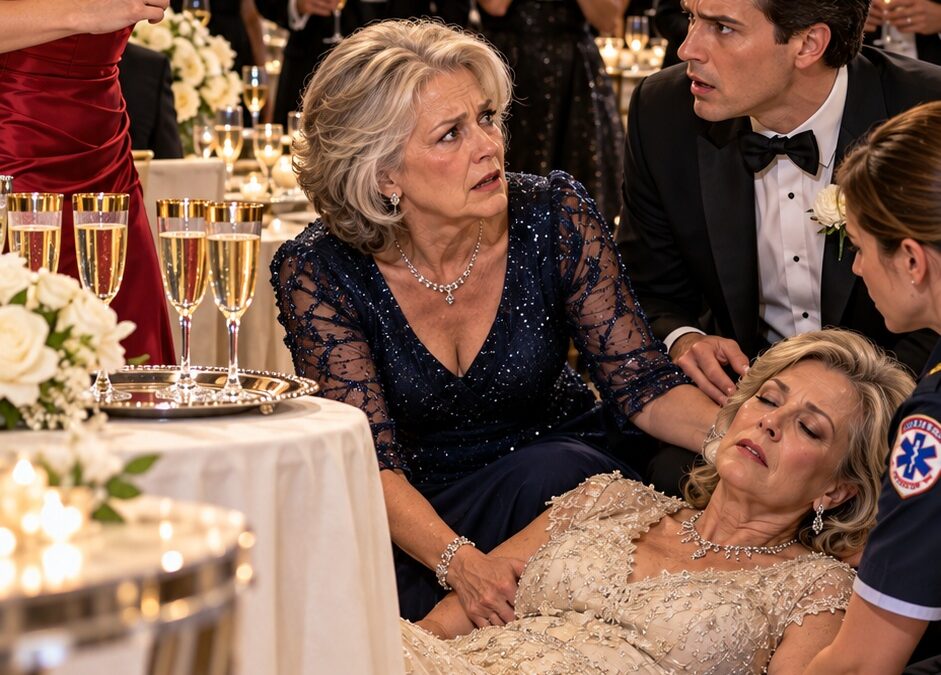
𝗙𝗨𝗟𝗟 𝗦𝗧𝗢𝗥𝗬


I grew up in a small town in Montana where most girls I knew were expected to follow a predictable path.
Graduate high school.
Get married.
Have children.
Maybe work part-time.
My parents owned a hardware store.
They were good people.
Hardworking.
Practical.
They never told me I could not dream bigger.
They simply could not imagine what “bigger” might look like for a daughter.
I could.
Even as a teenager, I loved machines.
Not engines.
Systems.
Patterns.
Logic.
Anything that could be broken down into steps and understood.
When computers began appearing in universities and businesses, I was fascinated.
They were ugly machines then.
Large.
Slow.
Unfriendly.
But I saw possibility.
After college, I moved to Seattle in 1982.
Two suitcases.
One used IBM computer.
Almost no money.
No connections.
No safety net beyond the knowledge that if everything collapsed, my parents would let me sleep in the spare room above the hardware store.
I rented a studio apartment barely large enough for a bed and a desk.
That desk became the first headquarters of Altech Solutions.
The name sounded much more impressive than the reality.
The reality was me answering phones.
Writing proposals.
Driving across Seattle in an unreliable car.
Installing computer systems.
Training employees.
Fixing problems.
Billing clients.
Then staying awake until two in the morning to learn whatever I needed for the next day.
I ate ramen.
Toast.
Canned soup.
Worked eighteen-hour days.
Potential clients regularly looked past me.
“Is your technician coming?”
“I’m the technician.”
“Who owns the company?”
“I do.”
“Who handles technical decisions?”
“I do.”
One man actually laughed.
I remember driving home afterward and crying at a stoplight.
Then I dried my face and went to the next appointment.
I learned early that proving someone wrong once was satisfying.
Building something they could no longer dismiss was better.
Frank entered my life because his accounting firm needed a new computer system.
He expected me.
That was what I noticed first.
He did not look behind me for a man.
He did not ask whether I was “really the technical person.”
He shook my hand.
“Tell me what we need.”
That was it.
Three months later, we were dating.
Six months after that, we were married.
Fast?
Absolutely.
Wrong?
Never.
Frank believed in me before there was much evidence that belief would pay off.
When I wanted to expand Altech, the bank hesitated.
Frank suggested mortgaging our little house.
I refused.
He insisted.
“I married you knowing exactly what you were trying to build.”
“What if it fails?”
“Then we rebuild.”
“Easy for you to say.”
“It’s my house too.”
I laughed.
He kissed me.
“We fail together.”
We did not fail.
By 1990, Altech had thirty employees.
By 2000, more than two hundred and offices in three states.
Eventually Frank left his accounting firm and joined the company full-time, overseeing finances.
We worked beautifully together because our strengths were different.
I pushed.
Frank steadied.
I chased opportunities.
He asked whether we could afford them.
I saw ten years ahead.
He made sure payroll cleared Friday.
We were partners.
Then Michael arrived.
Our miracle child.
We had tried for years.
When I finally became pregnant, I was terrified that something would go wrong.
Nothing did.
Michael was born healthy in 1985.
I loved him ferociously.
But motherhood did not come naturally to me the way business did.
That is difficult for some mothers to admit.
Frank was better at the daily tenderness.
School lunches.
Bedtime stories.
Parent conferences.
Baseball practice.
I traveled.
Took meetings.
Worked late.
I tried.
God knows I tried.
But there were birthdays I almost missed.
School plays I watched from the back row because I arrived late.
Nights when Michael fell asleep before I got home.
Frank never made me feel guilty.
That almost made the guilt worse.
“He knows you love him,” Frank would say.
“I should be there more.”
“You are building something for all of us.”
“What if he remembers the company more than me?”
Frank would smile.
“Then make sure the moments you do have count.”
Michael grew into the opposite of me.
He loved art.
Books.
Poetry.
Painting.
He hated spreadsheets.
Computers bored him.
The first time I showed him our newest software platform, he said:
“That’s cool, Mom.”
Then wandered outside to sketch a tree.
For years, some part of me hoped he would change.
Become interested.
Join Altech.
Take over one day.
Frank saw the problem before I did.
“He is not you.”
“I know.”
“Do you?”
I looked at him.
Frank smiled.
“Let him be himself.”
So I tried.
Michael went to art school in New York.
That was where he met Jessica.
She studied fashion design.
At least officially.
My first impression was that she had been created specifically to make other people aware of their own clothes.
Tall.
Blonde.
Polished.
Perfect posture.
Perfect smile.
Designer everything.
Michael brought her home during a school break.
Jessica charmed Frank immediately.
She asked about his accounting background.
Listened to stories about Altech.
Complimented our home.
But with me, she became almost reverential.
“Alita, what you built is incredible.”
I was flattered.
After years of Michael treating my career as something vaguely boring his mother did, Jessica seemed fascinated.
“What was it like being a woman in technology in the eighties?”
“Hard.”
“How did you convince investors?”
“Mostly by making money before I needed them.”
She laughed.
“You’re amazing.”
I liked her.
That truth embarrassed me later.
But I did.
I liked being admired.
Jessica seemed to value the part of me Michael had always ignored.
Eight months after meeting, they married.
Frank and I paid for the wedding.
Extravagant.
Far beyond anything Michael would have chosen alone.
At the reception, Frank leaned toward me.
“Our new daughter-in-law has expensive taste.”
I laughed.
“We can afford it.”
“That’s not what I said.”
I looked at him.
Frank smiled.
“Nothing.”
A few months later, Jessica’s mother visited.
Sandra.
She was almost the opposite of her daughter.
Quiet.
Modest.
A retired school secretary.
Jessica’s father had left when she was seven.
Sandra raised her alone on a small salary.
During that visit, Sandra and I sat on the patio while Michael and Jessica went shopping.
Sandra sighed.
“Jessica always wanted more.”
“What do you mean?”
“The girls at school had things I couldn’t give her.”
Designer jeans.
Vacations.
New cars when they turned sixteen.
“She was embarrassed by me sometimes.”
I felt uncomfortable hearing a mother say that.
“I’m sure she understood you did your best.”
Sandra looked toward the house.
“Maybe.”
Then she said:
“She hates feeling poor.”
Jessica and Michael were not poor.
Not remotely.
Michael became an art teacher.
Jessica launched a fashion blog.
They lived comfortably.
But comfortable was not Jessica’s preferred word.
I began noticing things.
Credit cards.
Constant packages.
Complaints about friends buying bigger houses.
Comments about cars.
Watches.
Vacations.
Whenever I wore expensive jewelry, Jessica noticed immediately.
I dismissed it.
She was young.
Enjoyed nice things.
Lots of people did.
Then Frank died.
Twelve years before my retirement.
Heart attack.
Sudden.
One day we were discussing quarterly reports.
The next I was choosing a coffin.
That kind of loss rearranges reality.
For weeks, I barely functioned.
Michael came home immediately.
Jessica came too.
To her credit, she helped.
Cooking.
Phone calls.
Thank-you notes.
Funeral logistics.
They stayed a month.
For that, I remain grateful.
When they left, the house became unbearable.
Every room contained Frank.
His reading glasses.
His coffee cup.
His shoes.
His notes.
So I did what I knew how to do.
I worked.
Altech expanded.
More offices.
More clients.
More revenue.
People congratulated me.
Success without Frank felt strangely hollow.
But it kept me moving.
Michael and Jessica settled in Los Angeles.
Over the next years, our relationship became less natural.
Visits looked perfect.
Meals staged.
Wine chosen carefully.
Photographs posted.
There was warmth.
But also performance.
Five years after Frank died, Jessica called.
“Have you ever considered bringing Michael into Altech?”
I almost laughed.
“Michael hates technology.”
“He doesn’t hate it.”
“He once called my server room ‘the computer closet.’”
Jessica did not laugh.
“He’s your son.”
“Yes.”
“The company should stay in the family.”
I paused.
“Has Michael said he wants this?”
“We’ve talked.”
That answer worried me.
When I called him separately, he sounded uncertain.
“I can learn.”
“Do you want to?”
Pause.
“Jessica thinks it’s important.”
That was not my question.
Still, I brought him to Seattle for training.
Three months.
A disaster.
He was miserable in meetings.
Lost in technical discussions.
Bored by market planning.
He doodled during finance reviews.
One afternoon, I walked into his temporary office and found him sketching a receptionist instead of reading a proposal.
I laughed.
“Go home.”
He looked guilty.
“Mom.”
“You hate this.”
“I can learn.”
“I didn’t ask whether you can.”
He looked down.
“But the money…”
There.
I heard Jessica in that sentence.
“You and Jessica have been planning around Altech?”
His face changed.
“We just assumed eventually…”
I sat across from him.
“Michael, this company is not your destiny.”
He looked relieved.
Then terrified.
That told me everything.
By sixty-five, I was exhausted.
Altech had become larger than I ever imagined.
Acquisition offers arrived regularly.
Without Frank, without Michael wanting the company, I finally asked myself the obvious question.
Why was I still working?
I decided to sell.
I kept the negotiations private until almost everything was complete.
Then I invited Michael and Jessica to Seattle.
Dinner.
Wine.
I told them.
“I’m selling Altech.”
Michael looked surprised.
“Really?”
“Yes.”
“When?”
“Next month.”
Jessica went still.
“What about Michael?”
“What about him?”
“The family business.”
“Michael has a career.”
Her eyes sharpened.
“How much?”
Michael looked embarrassed.
“Jess.”
“What?”
She looked at me.
“How much are they paying?”
“Thirty-five million.”
Her face changed.
Not dramatically.
Just enough.
A calculation behind the eyes.
Then the smile.
“That’s wonderful, Alita.”
That night, I heard them arguing in the guest room.
Jessica’s voice.
Sharp.
Michael’s.
Apologetic.
I could not hear the words.
I did not need to.
After taxes, obligations, and retirement planning, I retained roughly twenty million.
More than I could ever need.
At the closing dinner, I announced I would donate ten million over time to organizations supporting women in technology.
Applause.
Jessica clapped too.
Her smile froze.
Later, she followed me into the ladies’ room.
“Ten million.”
“Yes.”
“That’s very generous.”
“I’ve been fortunate.”
“What about family?”
I met her eyes in the mirror.
“Michael will be taken care of.”
“How?”
“I updated my estate plan.”
She relaxed slightly.
“He inherits?”
“Eventually.”
“And now?”
“I created a trust.”
“A trust?”
“Yes.”
Her voice changed.
“Like an allowance?”
“No.”
“We’re adults.”
“I am aware.”
“It feels controlling.”
“It is standard planning.”
“Frank would agree?”
The question irritated me.
“Frank helped design the original estate structure.”
Jessica went quiet.
Then she smiled.
“Well.”
She patted my shoulder.
“We’ll be taking care of you when you’re old and gray.”
She intended it as a joke.
It frightened me.
Not because I thought she would hurt me.
Not yet.
Because I suddenly imagined being eighty-five and dependent on a woman whose eyes turned cold whenever money was mentioned.
I bought a smaller home in a retirement community outside Seattle.
Not because I needed financial restraint.
Because I wanted simplicity.
One level.
Garden.
Neighbors.
Walking paths.
Jessica visited.
Looked around.
“You could afford a mansion.”
“I don’t want one.”
“You worked forty years for this?”
She gestured toward my comfortable living room.
“I worked forty years so I could choose this.”
She did not understand.
Then:
“Speaking of money…”
Of course.
Aspen vacation home.
Down payment.
“Nothing extravagant.”
I declined.
That was the first request.
Not the last.
Investments.
Emergencies.
Opportunities.
Michael rarely asked directly.
Jessica did.
Always with logic.
Always urgent.
I occasionally helped with reasonable things.
Mostly I declined.
Then things became strange.
My blood pressure medication disappeared faster than it should.
I blamed myself.
Started counting.
Financial papers moved.
Folders slightly out of order.
Then my brakes failed near a busy intersection.
I managed to stop safely.
The mechanic inspected the car.
His expression changed.
“This line was cut.”
“Accident?”
“No.”
I stared at him.
“You’re sure?”
“Yes.”
I went home shaken.
Did I think Jessica cut the line?
I did not want to.
That seemed insane.
Criminal.
But suspicion had entered my life.
Soon after, Sandra called.
She wanted to visit alone.
We sat on my patio.
“I’m worried about Jessica.”
I waited.
“She gambles.”
I stared.
“What?”
“Since college.”
Sandra’s hands twisted in her lap.
“I thought she stopped.”
“She didn’t?”
“No.”
“How bad?”
Sandra began crying.
“She stole my credit card.”
My chest tightened.
“How much?”
“Thirty thousand.”
“You’re retired.”
“I know.”
“Does Michael know?”
She shook her head.
“Jessica controls everything.”
I paid Sandra’s debt.
She protested.
I insisted.
That was the beginning of our friendship.
After the brake incident, I installed cameras.
I told nobody.
On Michael and Jessica’s next visit, I reviewed the recordings.
Jessica entered my office while I slept.
Went directly to the locked filing cabinet.
Opened it.
Photographed documents.
She knew exactly what she wanted.
The next morning, I confronted her privately.
“I know you were in my office.”
Her face flickered.
Then recovered.
“I needed a pen.”
“You opened a locked cabinet.”
She smiled.
“You’re becoming paranoid.”
“I have video.”
That stopped her.
Only briefly.
Then she tilted her head.
“Old age can make people suspicious.”
I felt something inside me turn cold.
“Whatever you’re doing, stop.”
The charm vanished from her eyes.
Then returned.
“I have no idea what you mean.”
After they left, I met with my attorney.
Changed everything.
More protections.
More restrictions.
No direct access for Jessica.
A separate trust for Sandra.
Then I proceeded with the retirement party.
Some people might wonder why.
Because I had earned it.
Because fear had already stolen enough.
And because, by then, I wanted witnesses.
I hired security.
Quietly.
The venue was Lakeside Country Club.
Two hundred guests.
Friends from business.
Community.
Family.
Several former law-enforcement friends.
Including Carol, retired from the FBI.
I told the head of security, James:
“Watch Jessica.”
“Reason?”
“I’m not prepared to accuse her of anything yet.”
He nodded.
“What should we look for?”
“Food.”
“Drinks.”
“Restricted areas.”
I kept details limited.
A month before the party, Michael visited again.
He was different.
Nervous.
Drinking more.
Jessica was calm.
Too calm.
One night I heard her on the phone.
“I need more time.”
Pause.
“The money is coming.”
Pause.
“After the party.”
I called Sandra as soon as they left.
“Has Jessica asked you for money?”
Sandra sighed.
“Fifty thousand.”
“Recently?”
“Last week.”
“What did you say?”
“I don’t have it.”
Sandra’s voice broke.
“She called me useless.”
Then:
“I found out she owes dangerous people.”
That phrase changed everything.
“How?”
“A friend called me.”
“People from gambling.”
“She told them she would pay after your retirement party.”
I stood beside my kitchen window feeling cold despite the summer heat.
“Sandra, come to Seattle.”
“I can’t afford—”
“I’ll buy the ticket.”
“Alita—”
“Please.”
She agreed.
I increased security.
Requested only regular club employees.
Watched how champagne would be handled.
Two days before the party, I drove to the venue.
In the parking lot, Jessica stood beside a man with a shaved head.
He handed her something small.
She slipped it into her purse.
She gave him an envelope.
I approached.
Jessica smiled.
“Alita!”
“Who was that?”
“Club staff.”
“He wasn’t dressed like staff.”
“Off duty.”
Lie.
She linked her arm through mine.
“We wouldn’t miss your celebration for the world.”
Her hand felt warm against my arm.
I felt hunted.
That night, I considered canceling.
Then I called my lawyer.
Updated my estate documents again.
Recorded a statement.
Transferred security footage to safe storage.
Called Michael.
“Is Jessica in trouble?”
Silence.
“Money trouble?”
Long silence.
“She said she has it handled.”
My stomach turned.
“What is ‘it’?”
“She promised this was the last time.”
“Last time for what?”
“Mom…”
I heard a door.
He whispered:
“I have to go.”
The line died.
Saturday arrived beautiful.
Lake Washington bright beneath August sun.
I wore a navy gown Frank had loved.
His pearl necklace.
I wanted him with me somehow.
Sandra came early.
Simple black dress.
Nervous.
I introduced her to Carol.
Soon they were laughing.
That comforted me.
Jessica and Michael arrived late.
Jessica wore red.
Beautiful.
Michael looked trapped inside his suit.
Jessica hugged me.
“The party is perfect.”
“Thank you.”
“I made sure your champagne toast will be extra special.”
I felt the warning immediately.
I looked across the room.
James saw.
Security shifted.
The party began.
Speeches.
Stories.
Laughter.
People who had worked beside me when Altech had six employees hugged me.
Former executives thanked me.
Young women told me my career had helped them imagine their own.
For moments, I forgot Jessica.
Then I noticed her checking the bar.
Again.
Again.
Again.
I found Michael at a window with whiskey.
“Tell me now.”
“What?”
“If something is wrong.”
He looked panicked.
“Before the toast.”
His reaction answered me.
Then Jessica arrived.
“Stop what?”
Bright smile.
Perfect timing.
Minutes later, she led me toward the champagne.
I saw the unfamiliar man from the parking lot now dressed as a waiter.
That was when I excused myself.
Circled back.
Watched.
Jessica tampered with my drink.
What followed happened fast.
The family tray.
The glasses.
My reckless decision to switch positions.
The toast.
Sandra drinking before I could stop her.
Then collapse.
The party ended in sirens.
At the hospital, doctors stabilized Sandra.
They suspected she had been drugged.
Police arrived.
I gave a statement.
Michael sat beside me afterward.
Head in his hands.
“Grandma Sandra will survive.”
I touched his shoulder.
“Thank God.”
He looked at me.
“I knew something was wrong.”
My heart sank.
“How much?”
“The gambling.”
“The debts.”
“I knew those.”
“You knew?”
“Some.”
“Why didn’t you tell me?”
He laughed bitterly.
“Jessica said if you knew, you’d cut me out.”
I stared at my son.
“Michael.”
“She convinced me we could fix it ourselves.”
Before we could continue, Jessica arrived escorted by police.
Makeup smeared.
Hair disheveled.
She saw Michael.
“Don’t listen to her.”
Michael stood.
Jessica pointed toward me.
“She’s hated me from the beginning.”
One officer said something quietly.
Michael looked at his wife.
“They found the vial.”
Jessica stopped.
“And the man from the party is cooperating.”
Her face collapsed.
“It wasn’t supposed to happen like this.”
“What was supposed to happen?”
Michael asked.
She looked at him.
Tears streaming.
“Your mother wasn’t supposed to get hurt.”
I stared at her.
“What exactly was supposed to happen?”
She said nothing.
Police eventually provided the answer.
Documents had been prepared.
Financial transfers.
My signature needed.
Five million dollars.
The plan was apparently to leave me impaired enough to sign documents during the confusion of the party and remember little afterward.
Five million.
Not an emergency loan.
Not help.
Theft.
Michael stared at his wife.
“How could you?”
Then the explanations came.
Gambling.
Debt.
Threats.
People demanding repayment.
Fear.
Entitlement.
And resentment toward me.
“All that money,” Jessica cried.
“You were giving it away.”
“To women’s organizations.”
“Strangers!”
Michael flinched.
“We weren’t starving.”
Jessica laughed bitterly.
“We were middle class.”
The contempt in those two words told me more about her than years of conversation.
Police took her away.
Sandra regained consciousness later that night.
Pale.
Confused.
Her first question was:
“Jessica?”
Michael looked down.
“She’s with police.”
Sandra closed her eyes.
A tear slipped toward her hairline.
“I was afraid of this.”
Over the next three days, Sandra recovered.
Police collected evidence.
The scale of Jessica’s deception widened.
Gambling debts exceeded two million dollars.
Loans had been taken in Michael’s name without his knowledge.
Documents forged.
Financial accounts hidden.
Multiple attempts to understand or access my estate.
Michael filed for divorce.
Sandra came home with me after leaving the hospital.
Michael did too.
For a while, my retirement home housed three adults who barely knew what to say to one another.
One week after the party, we sat in my living room.
Sandra looked exhausted.
“I should have known.”
“No.”
“She always wanted money.”
“That doesn’t mean you could predict this.”
“I raised her.”
Michael looked up.
“So did you.”
I turned.
“What?”
“You raised me.”
His eyes were hollow.
“And I married her.”
He swallowed.
“What does that say about us?”
Sandra began crying.
I moved closer.
“It says people can fool people who love them.”
Michael whispered:
“I loved her.”
“I know.”
“Really loved her.”
“I know.”
“How could I love someone capable of this?”
“Because she didn’t show you all of herself at once.”
He looked at me.
“Love is not proof of intelligence.”
“It isn’t proof of stupidity either.”
He lowered his head.
For the first time in years, I saw my son not as a disappointed heir.
Not as a man trapped by his wife.
As my child in pain.
I could not fix it.
That was difficult for me.
Business had trained me to solve problems.
Family does not always offer solutions.
Sometimes it offers presence.
Three weeks after the retirement party, Jessica requested a meeting before accepting a plea agreement.
My attorney told me I did not need to go.
I went.
So did Sandra.
Eventually Michael agreed.
Jessica entered the detention-center meeting room looking like someone from another life.
No designer dress.
No perfect hair.
No practiced glamour.
She sat across from us in institutional clothing.
Her lawyer explained she planned to plead guilty to reduced charges in exchange for cooperation and treatment.
Jessica looked at Sandra.
“I never meant to hurt you.”
Sandra’s voice was steady.
“What did you mean to do?”
Jessica looked down.
“I needed money.”
“That part we know.”
“I thought I could get Alita to sign documents.”
I watched her.
“You were going to steal five million dollars.”
“I was desperate.”
“You drugged a drink.”
“I was told it wouldn’t seriously hurt you.”
“You believed a man from your gambling circle?”
Her shoulders dropped.
“I believed what I needed to believe.”
That was perhaps the most honest thing she said.
Michael leaned forward.
“Why didn’t you ask us?”
“I did ask.”
“For an Aspen house?”
“That was different.”
“You could have told us about the debt.”
“And have your mother control everything?”
Jessica looked at me.
“Trusts.”
“Conditions.”
“Supervised money.”
“I needed freedom.”
Sandra whispered:
“You needed help.”
Jessica looked at her mother.
“The gambling started in college.”
Small bets.
Online games.
Sports betting.
Occasional wins.
Enough to maintain the fantasy that the next win could erase every loss.
By the time she met Michael, she already owed substantial money.
Michael asked the question that had been hurting him most.
“Did you marry me for money?”
Jessica finally looked directly at him.
“No.”
He laughed without humor.
“Come on.”
“I loved you.”
She started crying.
“I still love you.”
Michael looked away.
“But yes.”
She continued.
“Your family represented security.”
I felt Michael’s body tense beside me.
“I assumed someday you would take over Altech.”
He closed his eyes.
“When Alita sold it…”
“You panicked,” I said.
Jessica nodded.
Then I asked about the other things.
My office.
Medication.
Brake line.
She admitted moving medication.
Testing how closely I monitored things.
She admitted searching financial documents.
But when I asked about the brake line, genuine shock crossed her face.
“No.”
I studied her.
“I never touched your car.”
That part remained disturbing.
Even after everything else.
There are questions life does not always resolve neatly.
Jessica admitted considering other ways of getting money.
The retirement-party plan became the worst.
Her supplier cooperated with police almost immediately.
Her plea agreement included prison time, mandatory addiction treatment, and restitution.
Before we left, Jessica apologized.
Not elegantly.
Not completely.
But more honestly than before.
Sandra answered first.
“I believe you didn’t intend to physically hurt me.”
Jessica cried.
“But you have hurt me for years.”
Sandra’s voice trembled.
“With lies.”
“Money.”
“Manipulation.”
“I love you.”
“But loving you does not mean protecting you from consequences anymore.”
Jessica bowed her head.
“I know.”
“I hope you get better.”
Sandra stood.
Michael remained seated for several seconds.
Then he looked at Jessica.
The woman he had married.
The woman he was divorcing.
“I don’t know who you are anymore.”
Jessica whispered:
“I don’t either.”
Michael left.
I was last.
I looked at Jessica.
For years, I had called her greedy.
Manipulative.
Dangerous.
All true by then.
But sitting there, I also saw someone whose addiction and entitlement had reduced every human relationship to a calculation.
Obstacle.
Resource.
Source of money.
Threat.
I said:
“I wish things had been different.”
She looked surprised.
“So do I.”
“You probably don’t believe that.”
“I do.”
And I did.
Not because I excused her.
Because wishing something had been different costs nothing.
Forgiveness and access are different things.
Compassion and trust are different things.
I could recognize a broken person without volunteering to be broken by her again.
Outside, Michael told us he had filed final divorce papers.
Sandra squeezed his arm.
We drove home in silence.
Later that evening, Sandra and I sat on my patio.
“What happens now?”
She asked.
I looked at the garden.
Small.
New.
Nothing like the enormous landscaped property I had owned while running Altech.
I liked it.
“Now we heal.”
Six months later, I was on my knees in that garden planting tulip bulbs.
Sandra carried two cups of coffee toward me.
She had moved into my guest house permanently.
What began as temporary recovery became something neither of us expected.
Friendship.
Real friendship.
Sandra was warm where I was analytical.
Practical where I sometimes overcomplicated things.
She had spent a lifetime believing her value came from what she could endure for Jessica.
I had spent decades believing my value came from achievement.
We were both learning different definitions.
“The tulips need more sun,” Sandra said.
“I read the instructions.”
“You skim instructions.”
“I built a technology company.”
“And apparently remain unqualified for tulips.”
I laughed.
Frank would have liked her.
Maybe not the circumstances that brought us together.
But her.
The legal matters had settled.
Jessica accepted the plea.
She was serving a sentence in a facility with addiction treatment.
Michael’s divorce was finalized.
He rented a small apartment near the offices of the new foundation I had created.
Yes.
A foundation.
After all the horror surrounding money, I almost wanted nothing to do with wealth again.
That was emotional.
Not rational.
Money had not betrayed us.
People had made choices around it.
I established the Williams Foundation with five million dollars.
Two main missions.
Women entrepreneurs.
Addiction recovery.
The first honored the life I built.
The second acknowledged the life that nearly destroyed my family.
Michael joined the board.
That surprised both of us.
The son who hated business was unexpectedly good at nonprofit strategy.
Maybe because the work had meaning he could feel.
He took a leave from teaching to help develop educational initiatives.
We worked together without either of us pretending he wanted to run Altech.
That changed our relationship.
For the first time, we had a professional connection based on who Michael actually was rather than who I once hoped he would become.
He understood teachers.
Students.
Arts programs.
Young people.
He helped shape scholarships.
Mentoring.
Creative technology education.
One afternoon, I watched him speak to a group of scholarship applicants.
Gentle.
Thoughtful.
Engaged.
Frank would have recognized him immediately.
I finally did too.
That realization hurt.
How many years had I quietly regarded Michael’s artistic career as less serious than business?
I had never said it openly.
Perhaps I had not needed to.
Children hear what parents value even when parents are careful with words.
Therapy forced me to examine that.
Yes.
Therapy.
All three of us.
Sandra.
Michael.
Me.
Michael worked through emotional manipulation.
The way Jessica had isolated him.
Made him responsible for her moods.
Taught him to keep secrets.
Convinced him my boundaries meant I did not love him.
Sandra confronted maternal guilt.
“If I had bought her more when she was young…”
“No,” her therapist apparently told her.
“You cannot explain adult criminal choices with missed designer jeans.”
She repeated that sentence often.
I examined success.
Money.
Control.
Motherhood.
The painful truth was that my wealth had become more central to our family than I wanted to admit.
Jessica obsessed over it.
But I controlled through it too, at times.
Trust structures.
Conditions.
Financial planning.
Some necessary.
Some influenced by distrust.
Michael had grown up with a mother who could solve problems using money and efficiency.
Frank had provided much of the emotional softness.
After he died, I sometimes compensated for absence with financial support.
I had to own that.
One morning, while Sandra and I planted bulbs, I finally said:
“I’m sorry.”
“For what?”
“The glass.”
She became still.
“I switched it.”
“I know.”
“I put you in danger.”
Sandra set down her coffee.
“You made a terrible decision in a terrifying moment.”
“I could have killed you.”
“You didn’t.”
“That doesn’t make it right.”
“No.”
She sat beside me.
For a moment, neither of us spoke.
Then she took my dirt-covered hands.
“I was angry when I first understood what happened.”
I nodded.
“You should have been.”
“I was.”
“But…”
She looked toward the guest house.
“If you hadn’t switched those glasses, maybe Jessica would have gotten you alone.”
“Maybe she would have taken the money.”
“Maybe none of us would have believed you later.”
“That does not justify putting you at risk.”
“No.”
Sandra squeezed my hands.
“We can hold both truths.”
I looked at her.
“You made a reckless choice.”
“Yes.”
“And that awful moment exposed something that needed to stop.”
Tears filled my eyes.
“I’m sorry.”
“I know.”
That mattered.
Not absolution.
Not pretending.
Accountability.
The very thing we had demanded from Jessica.
Sandra’s first prison visit approached.
She dreaded it.
“How do you feel?”
“Nauseated.”
“Reasonable.”
“What if she manipulates me again?”
“Then leave.”
“What if she cries?”
“She probably will.”
“What if I want to hug her?”
“Then decide whether you want to.”
Sandra looked at me.
“You make everything sound simple.”
“No.”
I handed her coffee.
“I make decisions sound simple.”
“The feelings are always the expensive part.”
She laughed.
That evening, Michael came for dinner.
Pasta.
Salad.
Wine.
He looked better.
Not healed.
Healing.
There is a difference.
He mentioned he had also visited Jessica once.
Sandra stared.
“You did?”
“Yes.”
“Why?”
“Closure.”
“You’re not considering—”
“No.”
He shook his head.
“That bridge is gone.”
He looked at me.
“I needed to understand how I ignored so much.”
“Did the visit help?”
“Some.”
He admitted he still did not fully understand Jessica.
But he understood himself better.
The red flags he explained away.
The way secrecy became normal.
The way he accepted responsibility for her emotions.
The fear of confrontation.
The belief that love meant rescuing.
After dinner, Sandra went inside to prepare for the next morning.
Michael and I stayed on the patio.
Stars appeared.
He held the last of his wine.
“I never thanked you properly.”
“For what?”
“For saving me.”
I shook my head.
“I didn’t save you.”
“You exposed what was happening.”
“Accidentally.”
“That still counts.”
“I would have given almost anything to spare you what happened.”
He smiled sadly.
“But not five million dollars.”
I laughed.
“No.”
Then his expression became serious.
“I’m glad you didn’t.”
I looked at him.
“Money was like a drug to Jessica.”
He stared into his glass.
“If you had handed over five million, it wouldn’t have fixed anything.”
“No.”
“She would have paid debt.”
“Then gambled again.”
“Probably.”
“She didn’t need money.”
He looked at me.
“She needed treatment.”
I smiled.
“When did you become so wise?”
“Therapy.”
He lifted his glass.
“An absurd amount of therapy.”
We laughed.
Then he said:
“Dad would be proud of you.”
I looked away.
That name could still reach something tender after twelve years.
“For what?”
“The foundation.”
“How you handled everything.”
“I didn’t handle everything well.”
“You handled enough.”
He smiled.
“You took something horrible and built something useful.”
Tears filled my eyes.
“Your father would be proud of you too.”
Michael was quiet.
“I hope so.”
“I know so.”
After he left, I remained outside.
Retirement had not become what I imagined.
I had imagined travel.
Gardening.
Books.
Maybe board positions.
Lunches.
More sleep.
Instead, my first year contained police.
Lawyers.
A hospital.
A criminal case.
A divorce.
Therapy.
And a friendship with the mother of the woman who tried to rob me.
Life has little respect for planning.
But sitting under the night sky, I understood something.
I had built Altech believing security came from competence.
Work harder.
Plan better.
Control more variables.
For business, that philosophy served me well.
For people, it often failed.
People are not systems.
Love is not a contract.
Money cannot purchase character.
Wealth cannot guarantee loyalty.
And intelligence does not make anyone immune to manipulation.
Jessica fooled me.
She fooled Michael.
She hurt Sandra.
But she had also fooled herself for years.
Every gambling loss could be reversed by the next win.
Every debt could be fixed with more money.
Every lie could be justified by desperation.
Every person could become a source.
Eventually even family.
Especially family.
That was the part I found most disturbing.
Addiction had not simply emptied Jessica’s bank accounts.
It changed how she saw human beings.
Michael became access.
Sandra became a backup source of money.
I became an obstacle.
Once people stop being people, terrible things become easier to justify.
The Williams Foundation’s addiction programs became deeply personal because of that.
Not as a tribute to Jessica.
Not as an excuse for her.
As prevention.
We funded counseling.
Financial recovery programs.
Support for families.
Programs teaching early warning signs.
Michael insisted on including services for partners who had been manipulated or financially abused.
Sandra pushed for support groups for parents.
I supported women rebuilding careers after addiction.
Our pain became architecture.
Not erased.
Used.
Six months after the retirement party, the tulips began emerging.
Sandra called me outside one morning.
“Look.”
Tiny green shoots.
“That’s it?”
She stared.
“What did you expect?”
“I don’t know. Flowers.”
“They’ve been underground all winter.”
“Lazy.”
Sandra laughed.
“You’re impossible.”
But I thought about those bulbs later.
Months beneath frozen soil.
Nothing visible.
Still becoming something.
Healing often looked like that.
Michael seemed fine some days.
Then a song, photograph, or memory would break him open.
Sandra could discuss Jessica calmly one afternoon and cry over childhood pictures that evening.
I sometimes woke convinced someone had entered my office.
For months, I checked glasses before drinking at public events.
I hated that.
Trauma changes ordinary things.
Champagne became suspicious.
Locked drawers became necessary.
Footsteps in my hallway woke me.
I could not simply announce:
“That chapter is over.”
My body disagreed.
Therapy helped.
So did time.
So did people who did not need anything from me.
That was perhaps my greatest discovery in retirement.
I had spent most of adulthood surrounded by relationships tangled with responsibility.
Employees.
Clients.
Investors.
Vendors.
Family.
People needed decisions.
Money.
Jobs.
Advice.
At the retirement community, my neighbor Ruth invited me to a pottery class because she thought I looked bored.
She had no idea what Altech was.
When she learned I had sold a company, she shrugged.
“Good for you.”
Then:
“Your bowl is crooked.”
I loved her immediately.
Another neighbor, Dennis, beat me at cards and refused to let me blame distraction.
Carol called just to check on me.
Sandra moved into the guest house and started leaving tomatoes on my kitchen counter.
These relationships were not based on inheritance.
Opportunity.
Status.
It felt strange.
Then peaceful.
One afternoon, a journalist contacted me about the retirement-party scandal.
She wanted an interview.
“Tech Founder Survives Alleged Family Fraud Plot.”
I declined.
Why?
Because Jessica’s crime did not deserve to become the headline of my life.
I spent thirty-five years building something.
Mentoring people.
Creating jobs.
Breaking barriers.
I would not allow one terrible evening to become the only story attached to my name.
The scandal existed.
Public records existed.
I could not erase that.
But I could choose what I fed.
So I spoke publicly about the foundation instead.
Women in technology.
Entrepreneurship.
Addiction recovery.
Scholarships.
Within a year, reporters stopped asking primarily about Jessica.
They started asking about our programs.
That felt like reclaiming something.
Michael eventually returned to teaching part-time while remaining involved with the foundation.
One day he brought a group of art students to visit our offices.
They were working on a public mural for a recovery center we funded.
I watched him guide them through sketches.
He lit up.
Completely different from the miserable man I once dragged into Altech training.
Later I said:
“I’m sorry.”
He looked alarmed.
“For?”
“For trying to turn you into me.”
He laughed.
“You didn’t.”
“I tried.”
“Yeah.”
“I thought taking over Altech would be security.”
“For who?”
I stopped.
Good question.
“For both of us.”
He smiled gently.
“I know.”
“I was proud of you.”
“I know that too.”
“But I was prouder when you succeeded in ways I understood.”
Michael nodded.
“That one I knew.”
The honesty stung.
“I’m sorry.”
He touched my arm.
“Mom.”
“No.”
I shook my head.
“You don’t have to rescue me from my own apology.”
He smiled.
“Therapy?”
“Lots.”
We laughed.
“I’m proud of who you are.”
“Artist?”
“Yes.”
“Teacher?”
“Yes.”
“Nonprofit bureaucrat?”
“Let’s not go too far.”
He laughed.
Frank would have enjoyed that conversation.
Sandra’s visits with Jessica continued occasionally.
She never told me everything.
Nor should she.
Their relationship belonged to them.
Some visits ended with hope.
Others with tears.
Jessica participated in treatment.
Took responsibility sometimes.
Deflected other times.
Recovery was not a clean staircase upward.
Sandra learned to leave when conversations became manipulative.
That may have been her greatest change.
“I used to think a good mother stayed no matter what.”
“What do you think now?”
“A good mother can leave the visiting room when her daughter starts demanding money.”
I smiled.
“Excellent.”
“She hated it.”
“Still excellent.”
Sandra looked at me.
“I spent her whole life compensating because her father left.”
I understood.
“I thought if I sacrificed enough she would never feel abandoned again.”
“And?”
“She learned that I would always absorb the cost.”
There it was.
Different family.
Same pattern.
Michael had done something similar with Jessica.
I had done it in different ways with Michael.
Love without boundaries had become fertile ground for dysfunction.
That realization changed my estate planning too.
I did not disinherit Michael.
He was my son.
I loved him.
But I stopped treating inheritance as the ultimate expression of love.
I created clear structures.
The foundation.
Michael’s trust.
Sandra’s security.
My own long-term care.
Charitable commitments.
No dramatic surprises.
No hidden leverage.
No money used to control relationships.
My attorney said:
“You sound different.”
“I am.”
“How?”
“I used to think good estate planning prevented conflict.”
He smiled.
“And now?”
“It reveals priorities.”
He nodded.
“That too.”
I looked at him.
“I want everything boring.”
He laughed.
“Boring is excellent in estate law.”
Frank would have agreed.
A year after the party, I hosted a much smaller gathering.
Not a retirement celebration.
A foundation anniversary.
Forty people.
No grand ballroom.
No elaborate champagne toast.
We held it in the garden.
Sandra organized food.
Michael’s students displayed art.
Several young women who had received business grants spoke.
One woman named Priya described launching a cybersecurity firm after years of being told investors would not trust a young woman with technical infrastructure.
I nearly laughed.
Forty years later.
Different technology.
Same nonsense.
She said:
“The Williams Foundation didn’t just give me money.”
I shifted uncomfortably.
“It gave me access to mentors who treated me like I belonged in the room.”
That hit me.
Belonging.
Maybe that was what Jessica chased through money.
Maybe what Michael chased through approval.
Maybe what I chased through achievement.
Different methods.
Same human need.
To believe we belonged.
The difference was what we were willing to sacrifice to get it.
After the event, Michael helped me collect empty plates.
“No one got poisoned.”
I stared at him.
He grinned.
“Too soon?”
“A year.”
“Still too soon?”
I threw a napkin at him.
Sandra laughed from the kitchen.
The first time we joked about it, guilt hit me.
Then relief.
Survival eventually makes room for humor.
Not because the event becomes harmless.
Because you stop letting terror own every memory.
I still rarely drank champagne.
That remained.
At sixty-eight, I traveled to Italy.
Alone at first.
Then Sandra joined halfway through.
We argued over museums.
She wanted churches.
I wanted technology history exhibits and modern design.
She accused me of being incapable of vacationing without educational objectives.
I accused her of photographing every meal.
We returned better friends.
Michael picked us up at the airport.
“You two look dangerous.”
Sandra smiled.
“We are.”
That sentence made me strangely happy.
Sandra had spent years apologizing for taking space.
Now she took it.
So did I.
Jessica’s actions created wounds that never disappeared completely.
But the family that emerged afterward became more honest.
Not better because suffering is magical.
Better because we did work.
Hard work.
We stopped hiding.
Michael could say:
“I’m angry.”
Sandra could say:
“I cannot help you today.”
I could say:
“No.”
That last word still felt powerful.
Jessica had once viewed my refusal to hand her money as cruelty.
I had sometimes wondered whether she was right.
After everything, I understood something clearly.
Helping someone is not the same as funding whatever they demand.
Compassion is not unlimited access.
Love is not financial surrender.
And no amount of money fixes a problem whose true currency is denial.
Two years after my retirement, I stood before a room of young women starting technology businesses.
I had been asked to speak about leadership.
I prepared notes about hiring.
Capital.
Negotiation.
Then I looked at the audience and put the notes aside.
“I spent most of my career believing strength meant solving every problem.”
The room quieted.
“I was wrong.”
People looked surprised.
“Sometimes strength means recognizing what is not yours to solve.”
I thought of Jessica.
Sandra.
Michael.
Myself.
“You can advise people.”
“Support them.”
“Love them.”
“Fund responsible opportunities.”
“But you cannot make someone honest.”
“You cannot manage another person’s addiction for them.”
“You cannot buy loyalty.”
“And you should never hand someone access to your life because they insist boundaries mean you don’t love them.”
That speech received less applause than the usual inspirational success story.
I liked it more.
Afterward, a woman approached.
“My brother has a gambling problem.”
I listened.
She said:
“My family keeps paying his debts.”
I did not tell her what to do.
I was not a therapist.
I gave her information about family support resources our foundation funded.
That was enough.
Sometimes helping means connecting someone to real help instead of becoming the help yourself.
Sandra taught me that.
Michael taught me that.
Even Jessica taught me that, though not intentionally.
Years pass differently after retirement.
For decades, my calendar measured quarters.
Fiscal years.
Deadlines.
Launches.
Now I measure seasons.
Tulips.
Tomatoes.
Leaves.
Rain.
Michael’s visits.
Sandra’s prison visiting schedule.
Foundation meetings.
Dinner with neighbors.
Some people assumed I would miss running a company.
I missed parts.
Intensity.
Purpose.
The feeling of a team solving something difficult.
But I did not miss eighteen-hour days.
I did not miss answering emails at midnight.
I did not miss believing every crisis required me.
Purpose survived the sale.
It simply changed forms.
One spring evening, Michael sat beside me on the patio.
We watched stars appear.
Almost exactly like the night six months after Jessica’s arrest.
He had grown steadier.
He dated occasionally.
Nothing serious.
I never asked too many questions.
Growth.
He said:
“I used to think you sold Altech because you were done.”
“I was tired.”
“I think you sold it because you finally trusted something could exist without you.”
I looked at him.
“That sounds very philosophical.”
“Art teacher.”
“Dangerous.”
He smiled.
Then:
“I think I stayed with Jessica too long for the opposite reason.”
“What do you mean?”
“I thought everything would collapse if I stopped managing her emotions.”
I nodded.
“Maybe we both had control issues.”
He laughed.
“Different brands.”
“Yes.”
He looked at me.
“Mom?”
“Yes?”
“Do you regret not giving me the company?”
“No.”
“Fast answer.”
“Do you regret not taking it?”
“Absolutely not.”
We laughed.
Then he said:
“Dad knew.”
“Knew what?”
“That I wasn’t built for it.”
“Yes.”
“He never made me feel bad.”
I absorbed that.
“Did I?”
Michael hesitated.
That was answer enough.
“Sometimes.”
I nodded.
“Thank you.”
“For what?”
“Not lying to protect me.”
He smiled.
“We’re finally learning.”
I looked toward Sandra’s guest house.
Light glowed from the windows.
A small home beside mine.
A friend where I expected only loneliness.
That was retirement’s strangest gift.
I had spent years afraid of growing old alone.
Jessica once exploited that fear.
“We’ll be taking care of you.”
As though dependence were inevitable.
As though aging meant surrender.
Instead, I built community.
Not because I was rich.
Money helped provide comfort.
But companionship cannot be purchased the same way.
Sandra stayed because we became friends.
Michael visited because our relationship healed.
Neighbors knocked because I showed up for them too.
At sixty-seven, I had been terrified that family meant whoever was legally attached to me.
At sixty-nine, I understood chosen family more deeply.
Trust became something earned by consistent behavior.
Not blood.
Not marriage certificates.
Not inheritance.
Sandra’s loyalty after her own daughter’s crime did not require her to stop loving Jessica.
That complexity impressed me.
“You still love her?”
I once asked.
Sandra looked almost offended.
“Of course.”
“Even now?”
“Especially now.”
I raised an eyebrow.
“That doesn’t mean I trust her.”
There it was again.
Love and access.
Separate.
Perhaps that became the central lesson of those years.
Michael loved Jessica after filing for divorce.
Sandra loved Jessica while maintaining boundaries.
I could wish Jessica recovery while never allowing her near my finances again.
Human feelings do not need to be simple to be valid.
Jessica eventually completed mandatory treatment while incarcerated.
Sandra told me she seemed different.
Quieter.
Less defensive.
I hoped it lasted.
Not for me.
For Jessica.
Because prison sentences end.
Addiction follows people home unless recovery continues.
Michael chose not to resume contact beyond what legal matters required.
That was his boundary.
Sandra maintained limited contact.
That was hers.
I respected both.
The first time Jessica wrote me a letter from prison, I left it unopened for three days.
Then I read it.
She apologized again.
More specifically this time.
For using Michael.
For stealing from Sandra.
For violating my home.
For the retirement party.
She wrote:
I used to think money would make me safe. Instead, everything I did to get it made me more afraid.
That sentence felt true.
She did not ask for forgiveness.
Did not ask for money.
Did not ask me to contact prosecutors.
I wrote back once.
Short.
I told her recovery required a life built on truth.
I told her I hoped she found one.
Then I stopped.
Some stories do not need renewed relationships to have closure.
At seventy, I stood in my garden beside Sandra.
The tulips had multiplied.
She was right about the southern edge.
I never admitted that.
She knew.
Michael arrived carrying groceries.
“Pasta tonight?”
Sandra said:
“Your mother overcooks it.”
“I do not.”
“You do.”
Michael kissed my cheek.
“She does.”
“Both of you can leave.”
Neither did.
We cooked.
Argued.
Laughed.
Later, Michael brought foundation reports to the table.
Sandra complained that work documents should not appear during dinner.
Michael apologized.
I secretly agreed with her.
After dessert, we moved outside.
I thought about that night at Lakeside Country Club.
The ballroom.
The glass.
Sandra collapsing.
Police.
Jessica in red.
My son looking as if the ground had vanished beneath him.
For months, that memory defined retirement.
Now, years later, it belonged to the past.
Not erased.
Placed.
That difference matters.
Trauma initially occupies every room.
Eventually, if healing works, it becomes one room in a larger house.
You can visit.
Remember.
Learn.
Then leave and go somewhere else.
I had other rooms now.
The foundation.
Friendships.
Travel.
Gardening.
Michael.
Sandra.
Frank’s memory.
My own quiet.
For most of my life, success meant expansion.
More clients.
More offices.
More employees.
More revenue.
Retirement taught me subtraction.
Less urgency.
Less performance.
Less fear.
Fewer people with access simply because they demanded it.
More space.
More honesty.
That may be the most valuable thing thirty-five million dollars eventually bought me.
Not luxury.
Choice.
The choice to say no.
The choice to give ten million away.
The choice to create a foundation.
The choice to live in a modest house rather than prove something with a mansion.
The choice to protect my son without financing his every decision.
The choice to support Sandra.
The choice to forgive myself gradually for the decision that put her in danger that night.
That last one took longest.
Sometimes I still see her collapsing.
I still think:
I moved that glass.
Then I remember what Sandra told me.
Two truths.
A reckless decision.
An impossible situation.
I do not need to make myself a hero.
I was not.
I made mistakes.
That does not make me a villain either.
It makes me human.
Jessica’s crime was her responsibility.
Sandra’s healing was hers.
Michael’s recovery was his.
My responsibility was what I chose afterward.
So I chose differently.
I stopped assuming wealth could substitute for closeness.
I stopped assuming competence made me emotionally wise.
I stopped measuring Michael against the company I built.
I stopped trying to predict every risk.
I allowed people to surprise me.
Sandra surprised me.
Michael surprised me.
I surprised myself.
Frank once told me, during the hardest early years of Altech:
“You don’t always have to know what happens next.”
I hated that sentence.
A CEO absolutely wanted to know what happened next.
Forecasts.
Models.
Contingencies.
Years later, sitting under stars with my family rebuilt into a shape I could never have predicted, I finally understood him.
Some futures cannot be planned.
Only entered.
At sixty-seven, I thought retirement meant ending my work.
Instead, it ended one identity.
Founder.
CEO.
Provider.
Problem-solver.
What came next required a woman underneath all those roles.
Alita.
Not Altech.
Not Michael’s mother.
Not Frank’s widow.
Not Jessica’s target.
Me.
That woman enjoyed gardens more than expected.
She liked traveling with Sandra.
She enjoyed mentoring young founders without owning their companies.
She liked watching Michael teach.
She discovered that a small house could hold more peace than a large one.
She learned that millions in the bank did not make her safe if she could not recognize who deserved access to her life.
Most importantly, she learned that boundaries are not walls against love.
They are doors.
Doors you decide when to open.
Doors you can close when someone enters carrying harm.
Jessica once treated my money as if it were waiting for her.
Michael once believed my love guaranteed endless rescue.
I once believed my success could protect everyone.
All three of us were wrong.
Money is a tool.
Love is not ownership.
And safety requires more than assets.
It requires judgment.
Truth.
People willing to tell you things you do not want to hear.
The night my daughter-in-law tampered with my champagne, I thought my family had been destroyed.
It had not.
Something false had been destroyed.
Michael’s marriage as he believed it existed.
Sandra’s belief that protecting Jessica meant hiding her behavior.
My belief that wealth and planning could keep chaos outside the door.
What remained was painful.
But real.
And reality gave us somewhere solid to stand.
Years after that party, I still occasionally attend events at Lakeside Country Club.
The first time I returned, I almost turned around in the parking lot.
Sandra was with me.
“You okay?”
“No.”
“Want to leave?”
I looked at the building.
Then at her.
“No.”
We went inside.
I ordered sparkling water.
The bartender placed it in front of me.
I stared at the glass.
Then laughed.
“What?”
Sandra asked.
“Nothing.”
I lifted it.
“To retirement.”
She smiled.
“To surviving retirement.”
We clinked glasses.
I drank.
That small act felt bigger than it should have.
Maybe healing often does.
Not dramatic.
Not cinematic.
Just doing something ordinary again without fear controlling the movement.
The retirement party was supposed to celebrate thirty-five years of work.
Instead, it became the dividing line between two versions of my life.
Before that night, I knew how to build companies.
After it, I began learning how to build a life where people mattered more than what they could provide.
Where Michael could be an art teacher without disappointing me.
Where Sandra could be more than Jessica’s mother.
Where I could have money without allowing it to become the center of every relationship.
Where even the worst betrayal did not get the final word.
I still tend that garden.
Every spring, the tulips return.
Sandra reminds me she chose the location.
I remind her I paid for the bulbs.
Michael tells both of us to stop.
And somewhere between the laughter, the coffee, the flowers, and the work of the foundation, I sometimes think about how close we came to losing everything that actually mattered.
Not the five million.
Not the thirty-five million.
Not Altech.
Trust.
Family.
Our ability to see one another clearly.
Those things almost disappeared.
Money merely exposed how fragile they had become.
It took betrayal to force us to rebuild them differently.
I would never call what happened a blessing.
It was not.
Sandra almost died.
Michael lost a marriage.
Jessica lost years of her freedom.
We all carry scars.
But pain does not have to be sacred to become useful.
Sometimes it is simply pain.
And afterward, if you are fortunate and willing to do the work, you create something better around the scar.
That is what we did.
A foundation.
A friendship.
A repaired relationship between mother and son.
A garden.
A quieter life.
A different understanding of wealth.
At sixty-seven, I thought selling my company was the biggest transition I would face.
I was wrong.
The real retirement began when I stopped believing I had to control everyone’s future.
Michael would find his way.
Sandra would decide what relationship she wanted with Jessica.
Jessica would either continue recovery or not.
And I would keep living.
Not managing.
Living.
Frank would have liked that.
Sometimes, when the garden is quiet, I can almost hear him.
Not giving advice.
Just laughing because it took me forty years to learn how to sit still.
I smile.
Then I look at the tulips.
The guest house where Sandra lives.
The foundation reports waiting inside.
A photograph of Michael teaching a group of students.
And I understand that my life did not become smaller when I sold Altech.
It became more honest.
The thirty-five million dollars everyone thought would define my retirement eventually became the least interesting part of it.
The real inheritance Frank left me was courage.
The real legacy I wanted to leave Michael was not a company.
It was the ability to know that love should never require surrendering yourself to someone else’s fear, greed, or manipulation.
And the real lesson Jessica’s betrayal left behind was simpler than any business strategy I ever developed.
Pay attention to what people do when they believe they are entitled to what belongs to you.
Your money.
Your trust.
Your forgiveness.
Your silence.
Your life.
None of those things are owed simply because someone calls themselves family.
They are given.
Earned.
Protected.
And sometimes, when necessary, taken back.
That evening at my retirement party, I believed the glass in front of me was the most dangerous thing in the room.
I was wrong.
The most dangerous thing had been the years of denial that came before it.
Once that shattered, we finally had a chance.
And for the first time since Frank died, I was no longer afraid of what would happen when I grew old.
I had money.
Yes.
But more importantly, I had boundaries.
Purpose.
Friends.
A son who finally understood me—and whom I had finally learned to understand on his own terms.
And a garden full of tulips that Sandra still insists would never have bloomed properly without her.
On that point, I continue to disagree.
Some arguments are worth keeping.




