PART 2: HOA Karen Poisoned My Family Lake to Stop Me Fishing — Then 860 Homes Lost Their Water
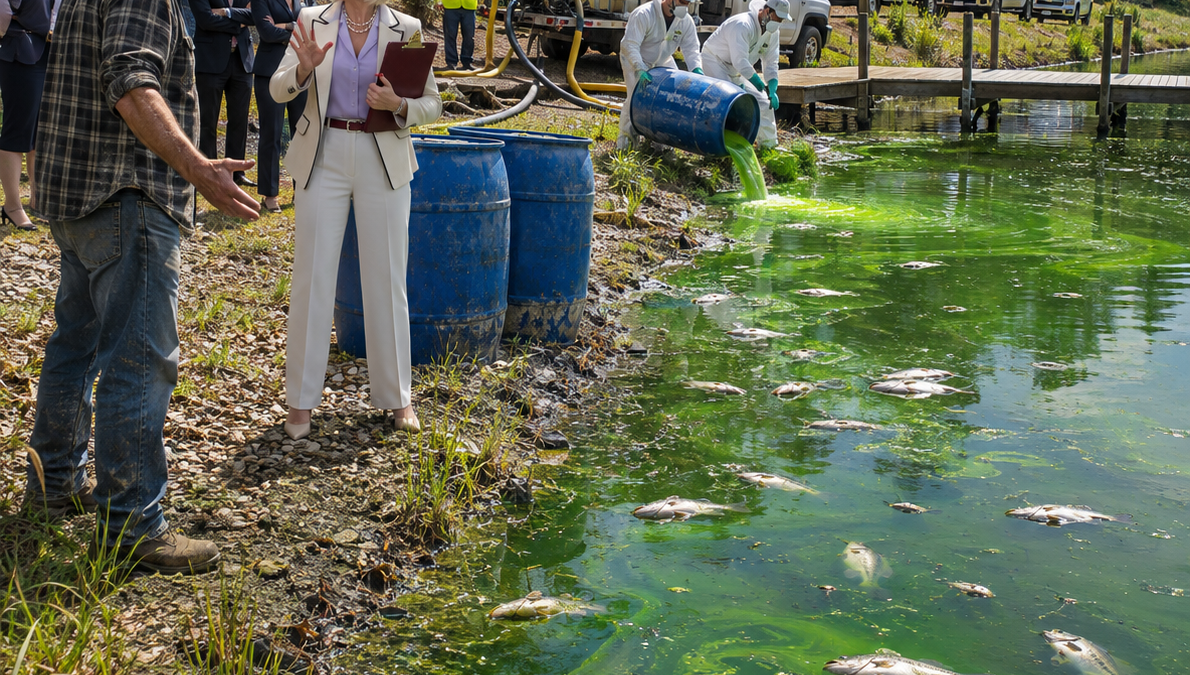
The morning I found Big Betty floating belly-up in water the color of antifreeze, I knew somebody had poisoned the lake my father had spent his life protecting.
By noon, more than a hundred fish were dead, a metallic stink burned my throat, and the woman who had spent months trying to force me off my own shoreline was telling everyone it was a natural algae bloom.
She thought three blue barrels had finally ended our fight, but all she had really done was open a door I had been too patient to kick down.
My name is Ethan Walker. I’m sixty-three, retired after thirty years in hydrology, and Willow Basin has been part of my family longer than Cypress Ridge has had streetlights, swimming pools, or matching mailboxes.
The lake sits behind my house between alder trees and a low cedar ridge. My father taught me to fish there when I was eight. He built the old dock himself and taught me something I carried through every flood study and groundwater dispute I ever worked.
“Water goes where it’s allowed,” he used to say. “Truth does too.”
After retirement, the lake became the center of my mornings. I would grind coffee in Dad’s old hand mill, walk the gravel path before sunrise, and sit on the dock while mist lifted off the surface. Some days I fished. Some days I watched the spring boil near the north bank, clear water rising through the sand.
Big Betty was part of that routine.
She was a largemouth bass close to ten pounds, with a scar along one side and a habit of appearing whenever I tossed scraps from the cleaning table. I never caught her. She had become less like a fish and more like proof that the place was healthy.
Then Gloria Whitmore discovered me.
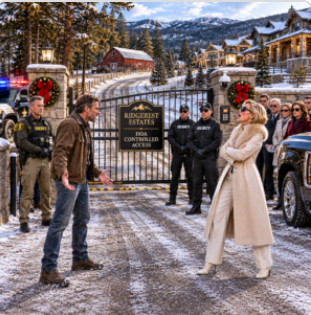
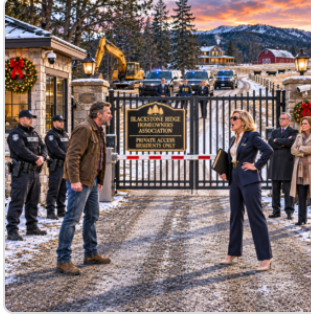
Gloria was president of the Cypress Ridge Homeowners Association, eight hundred sixty houses of clipped hedges, beige siding, and matching mailboxes. The neighborhood had been built decades after my family bought Willow Basin, and the HOA boundary stopped well short of my fence.
That fact bothered Gloria.
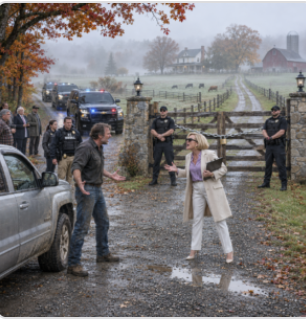
Our first conversation happened while I was releasing a smallmouth beside the dock. A golf cart rolled up along the other side of my fence, and Gloria stepped out wearing a coral blazer, pearls, and the expression of someone arriving to correct a mistake the universe had made.
“You must be Mr. Walker.”
“I’ve been him for a while.”
“I’m Gloria Whitmore, president of Cypress Ridge. We’ve received concerns about the visual condition of your shoreline.”
I looked at the cedar dock and my father’s wooden rowboat.
“Which part is upsetting everybody?”
“The dock is unfinished wood. The boat appears aged. And some residents believe your fishing activity is inconsistent with our lake-use standards.”
I stared at her.
“My lake-use standards involve a fishing pole.”
Her smile tightened.
She explained that my dock disrupted the community “view corridor” and that my shoreline should be brought into aesthetic compliance.
I asked one question.
“Do you know where your property ends?”
Her eyes cooled. “We prefer cooperation, Mr. Walker.”
“I prefer boundaries.”
Three days later, I received a certified cease-and-desist letter demanding that I remove my dock, stop “unauthorized recreational activity,” and submit my shoreline for HOA design review.
I pulled out surveys dating back to 1954, my father’s deed records, the original dock permit, and the clause confirming that the parcel predated any neighborhood association. I sent copies with a short reply.
Your covenants do not apply to my property.
That should have ended it.
Instead, the letters became inspections. The inspections became survey crews. Survey crews became landscapers wandering over my boundary pretending not to understand fence posts. Then someone knocked down my mailbox. Someone drove an ATV almost to the edge of my dock. Someone began posting photographs of my property in the HOA’s private Facebook group, calling me a squatter and a threat to the community.
I installed trail cameras.
One of them caught a Whitmore Landscaping truck on my side of the fence at 1:47 in the morning.
Another caught two figures studying the spring inlet with flashlights.
One wore a reflective vest.
The other wore Gloria’s red jacket.
I saved the footage and told myself I was documenting harassment.
Then, three nights later, I woke to the faint metallic whine of a pump starting somewhere beyond the trees.
I lay in bed listening to it rise and fall in the darkness.
For the first time since Gloria Whitmore rolled up to my fence, I stopped wondering how far she was willing to go.
I started wondering what she was willing to destroy.
PART 2
The sound stopped at 2:06 in the morning.
I know because I was staring at the clock when the silence came back.
For several minutes, I stayed in bed listening to my own breathing. Then I pulled on jeans, boots, and a jacket, took a flashlight from the kitchen drawer, and went outside.
The night was humid and completely still.
Willow Basin lay black beneath the moon.
Nothing moved except insects over the reeds.
I walked the perimeter with my flashlight pointed low. Near the northeast corner, where the HOA greenbelt came closest to my property, I found two fresh tire impressions in the soft earth.
Wide tires.
Utility vehicle.
Beside them was a wet patch of grass with a faint chemical smell.
I crouched and touched the soil with one finger.
It felt slick.
That was the moment thirty years of professional instinct overruled sixty-three years of wanting to believe people were basically reasonable.
I went back inside, found two sterile sample jars left over from an old field kit, filled one with soil and another with lake water, labeled them, and put both in the refrigerator.
Then I checked the cameras.
At 1:38 a.m., a utility vehicle appeared at the edge of the frame.
Whitmore Landscaping.
At 1:42, two men climbed out.
At 1:45, someone in a red jacket stepped into view.
The image wasn’t good enough to make out her face, but I knew Gloria’s posture by then. Shoulders back. Chin high. Hands moving while everybody else listened.
They remained near the spring inlet for eighteen minutes.
One of the men carried what looked like a portable pump.
Then they left.
I sat in my study until sunrise watching the footage again and again.
At seven, I called the sheriff’s office.
The deputy who came out was named Mason Reeves. Young guy. Polite. Maybe thirty.
He watched the video at my kitchen table.
“You recognize these people?”
“I recognize the truck.”
“Could be employees doing maintenance.”
“On my property at two in the morning?”
He rubbed his jaw.
“That’s harder to explain.”
“Would you like me to explain it for them?”
His mouth twitched, but he didn’t smile.
“Mr. Walker, I can make a trespass report. Beyond that, I need something more concrete.”
I slid the cease-and-desist letters toward him.
Then the inspection notices.
Then photographs of Whitmore Landscaping stakes six inches inside my boundary.
Then the image of their ATV beside my dock.
Mason looked through them slowly.
“You’ve been keeping records.”
“I used to work in water management. Half the job was proving that something invisible existed before somebody with a budget believed you.”
He looked toward the lake.
“You think they’re trying to hurt the water?”
“I think they’re trying to hurt me. I’m not sure yet how stupid they’re willing to be.”
That afternoon I received an email from Gloria.
Routine environmental assessment conducted adjacent to Willow Basin. No action required by property owner.
Adjacent.
That word told me she knew exactly where the legal boundary was.
I replied with four words.
Stay off my property.
Her answer came eleven minutes later.
Mr. Walker, your hostility toward reasonable community stewardship is becoming concerning.
I printed it.
My folder labeled NARRATIVE was getting thick.
The following Friday, Gloria invited me to an HOA meeting.
The invitation described it as an opportunity to “resolve ongoing shoreline compliance issues collaboratively.”
I almost threw it away.
Then I remembered my father.
Rights don’t disappear because somebody gets a clipboard. They disappear when you stop defending them.
So I went.
The Cypress Ridge clubhouse looked exactly the way I expected a building designed by committee to look. Beige carpet. Beige walls. Fake plants. Framed photographs of golf tournaments. A faint smell of lemon cleaner and stale coffee.
About forty residents sat in folding chairs.
Gloria occupied the center seat at a long table.
Paul Whitmore sat two chairs away.
I had seen him around town before. Early sixties. Heavy shoulders. Expensive watch. The weathered tan of a man who owned a landscaping company but hadn’t personally pushed a mower in twenty years.
Gloria tapped her gavel.
“Mr. Walker. Thank you for attending.”
“You’re welcome.”
“We hope tonight can be constructive.”
“So do I.”
She clicked a remote.
A slide appeared behind her.
WILLOW BASIN SHORELINE COMPLIANCE.
Under it were photographs of my dock.
My rowboat.
My vegetable garden.
Even my shed.
I felt something cold move through me.
Somebody had taken those pictures from inside my fence.
Gloria began talking about visual harmony, mosquito prevention, algae mitigation, community health, and potential erosion.
I let her talk.
Then I stood.
“I have one question.”
She smiled.
“Certainly.”
“Who took photograph number four?”
Her smile faded.
“I don’t understand.”
“The photograph of my shed. It was taken from thirty feet inside my property. Who took it?”
Paul leaned toward his microphone.
“Our environmental personnel conduct regular assessments.”
“On land they don’t own?”
Gloria raised the gavel.
“We are not here to debate technicalities.”
A woman in the audience turned toward her.
“That sounds like more than a technicality.”
Gloria ignored her.
I walked to the front and placed my folder on the table.
“I brought the 1954 survey, the 1983 resurvey, my 2019 licensed survey, my father’s deed, the dock permit, the county parcel map, and footage of Whitmore Landscaping entering my property after midnight.”
Paul sat straighter.
Gloria said, “If you’re making accusations—”
“I’m making documentation.”
I slid copies down the table.
“The property line hasn’t changed. Your HOA has no jurisdiction over Willow Basin. Your employees have no right to enter it. Your residents have no recreational rights to it. And your board has no authority to tell me whether I can fish in water my family owned before most of these houses existed.”
Someone clapped.
Then another person.
The applause wasn’t loud.
It didn’t need to be.
I watched Gloria’s face.
For the first time, she looked embarrassed.
That frightened me more than anger would have.
Humiliation is gasoline for certain people.
When the meeting ended, she caught me in the hallway.
Nobody else was close enough to hear.
“Enjoyed yourself?”
“I’d have enjoyed staying home more.”
“You like making me look foolish.”
“I didn’t create your evidence.”
Her eyes hardened.
“You think because you have some old documents you’re untouchable?”
“No. I think because I own my property, you don’t.”
“Communities evolve.”
“Deeds don’t evolve because you lose an argument.”
Her voice dropped.
“Standards change, Ethan.”
It was the first time she used my first name.
“You don’t live in Cypress Ridge,” I said. “So stop acting like I work for you.”
She leaned closer.
“You have no idea how many people are tired of looking at that place.”
I stared at her.
“My father died there.”
That stopped her for half a second.
Then she said something I never forgot.
“Then perhaps it’s time the property moved on too.”
I went very still.
Gloria seemed to realize she had stepped too far, because she straightened her blazer.
“Good night, Mr. Walker.”
She walked away.
I stood in that beige hallway listening to her heels click against the tile until the sound disappeared.
When I got home, I went straight to the dock.
The moon was high.
The water was black and quiet.
My father’s rowboat bumped softly against a piling.
I sat on the edge and rested my hands on the boards he’d cut more than forty years earlier.
For the first time since he’d died, I said his name out loud.
“Ray.”
My voice sounded strange across the water.
“I think I found somebody even more stubborn than you.”
A frog answered from the reeds.
I almost laughed.
Then I saw headlights move through the trees on the HOA road.
They stopped.
Stayed there.
Watching.
I didn’t laugh again.
Over the next month, Gloria’s harassment became systematic.
Monday: a noise complaint.
Wednesday: a complaint about “unmanaged vegetation.”
Friday: county code enforcement responding to an anonymous report that I was storing hazardous chemicals.
The “hazardous chemicals” turned out to be two rain barrels and a sealed container of boat fuel.
The inspector apologized.
The following week, someone reported my septic system.
Then my chimney.
Then my dock railing.
Then a pile of firewood.
Every complaint failed.
That didn’t matter.
The purpose wasn’t enforcement.
It was exhaustion.
Gloria wanted me to spend every morning waiting for the next government truck.
She wanted me angry enough to make a mistake.
I refused.
Instead, I built a timeline.
Date.
Time.
Complaint.
Inspector.
Outcome.
I saved emails to an external drive.
I backed footage up to the cloud.
I mailed copies of the most important documents to my attorney.
At that point, Lauren Deere wasn’t formally representing me.
She was an old friend from my professional days, an environmental lawyer with the patience of a surgeon and the conversational warmth of a tax audit.
When I called her, she listened for ten minutes without interrupting.
Then she said, “Ethan.”
“Yeah?”
“You know normal retired people buy motorcycles.”
“I’ve heard rumors.”
“You somehow retired into a property-law siege.”
“I like hobbies with paperwork.”
“Send me everything.”
I did.
Two days later she called back.
“Your deed is clean. Your exemption is clean. The HOA has no jurisdiction over Willow Basin.”
“I knew that.”
“Then why did you call me?”
“Because Gloria knows it too, and she’s still coming.”
Lauren was silent.
That was when I knew she was taking it seriously.
“People don’t spend this much money trying to enforce authority they know they don’t have unless they want something else.”
“That’s what I’ve been thinking.”
“What?”
“I don’t know yet.”
“Find out before she realizes you’re looking.”
So I did.
I started with the obvious.
Whitmore Landscaping.
Public contract records showed the company handled almost every major grounds project inside Cypress Ridge.
Mowing.
Irrigation.
Drainage.
Shoreline vegetation.
Pool landscaping.
Stormwater maintenance.
Paul had built a comfortable business servicing the neighborhood his wife controlled.
That alone wasn’t illegal.
But I found something interesting.
Over the previous two years, the HOA’s “shoreline preservation” budget had nearly doubled.
Willow Basin wasn’t HOA property.
Yet maintenance invoices repeatedly referenced “basin-adjacent treatment,” “aquatic vegetation control,” and “recharge-zone management.”
Recharge zone.
That phrase caught my attention.
Most homeowners wouldn’t have noticed it.
A hydrologist does.
Groundwater recharge is not decorative landscaping language.
It means water entering an aquifer.
I searched my father’s study.
Dad had kept everything.
Receipts from 1972.
Property tax assessments.
Hand-drawn maps.
Fishing licenses.
Letters from county engineers.
Old photographs.
Near midnight, I found a cardboard tube wrapped in brittle wax paper.
On the outside, in his handwriting, were four words.
WILLOW BASIN HYDRO SURVEY.
1954.
I unrolled it across the dining table.
The paper wanted to curl back into itself.
I used coffee mugs to hold the corners.
Lines spread across the sheet in blue, black, and faded red pencil.
Property boundaries.
Spring locations.
Elevation contours.
Bedrock fractures.
And from the lake, a dotted line descended southeast toward what had been woodland in 1954.
Toward what was now Cypress Ridge.
Beside the line my father had written:
Primary subterranean outflow. Recharge contribution to lower aquifer.
I sat there staring.
Then I pulled up county geological maps.
Modern well data.
Utility permits.
Cypress Ridge water infrastructure.
Two hours disappeared.
At 2:17 in the morning, I finally leaned back.
“No.”
I checked again.
Then a third time.
The numbers didn’t change.
The spring feeding Willow Basin connected to the same aquifer serving Cypress Ridge’s private wells.
Not theoretically.
Directly.
Water entered through my basin, passed through fractured limestone below the ridge, and replenished the groundwater source pumping into hundreds of Cypress Ridge homes.
My lake was part of their water system.
And almost nobody seemed to know.
The next morning I went to the county records office.
The clerk, a woman named Teresa with silver glasses and absolutely no interest in HOA drama, helped me pull fifteen years of groundwater filings.
Cypress Ridge Community Association appeared as the consumer.
Local groundwater appeared as the source.
But the original recharge ownership field was blank.
“That normal?” I asked.
Teresa frowned.
“No.”
“Who filed the original paperwork?”
She turned a page.
Her eyebrows lifted.
“Paul Whitmore.”
I felt my stomach tighten.
“What was he listed as?”
“Consultant.”
“For whom?”
“Cypress Ridge Development Utility Committee.”
“Can I get copies?”
“You can get as many as you’re willing to pay for.”
“I’ve wasted more money on worse things.”
I left with three folders.
Lauren called me before I reached home.
I told her what I’d found.
She was quiet for a long moment.
“You’re certain about the hydrological connection?”
“I’m certain enough to lose sleep.”
“That’s not the same as being certain enough for court.”
“I know.”
“I want an independent hydrogeologist.”
“Ahmed Patel still working?”
Another pause.
“You really are coming out of retirement.”
Dr. Ahmed Patel had worked with me on groundwater contamination studies years earlier. He was younger than me by about fifteen years and incapable of becoming excited about anything until there was data.
When I showed him the old survey, he didn’t gasp.
Didn’t swear.
Didn’t say I was right.
He simply adjusted his glasses.
“Interesting.”
Coming from Ahmed, that was the equivalent of fireworks.
We sampled Willow Basin.
Then, with permission from a Cypress Ridge resident Lauren knew, we sampled tap water from inside the neighborhood.
We tested trace minerals.
Stable isotopes.
Hardness patterns.
Naturally occurring signatures.
Three days later, Ahmed came to my house with a folder.
He sat at my kitchen table.
“You want the careful answer or the answer?”
“The answer.”
“The lake and their wells are connected.”
I leaned back.
“How confident?”
“Enough to testify.”
That mattered.
He turned another page.
“The aquifer is receiving recharge through Willow Basin. A significant amount.”
I looked toward the window.
“So they’ve been drinking my lake water.”
“In simplified terms, yes.”
“For how long?”
“As long as those wells have been operating.”
Seventeen years.
I thought of every letter Gloria had sent.
Every complaint.
Every survey crew.
Every reference to shoreline control.
Then I remembered the phrase on the invoices.
Recharge-zone management.
Lauren arrived an hour later.
She read everything.
Then she looked at me.
“Ethan, I need you to hear this carefully.”
“Go ahead.”
“If the HOA knew Willow Basin was part of its recharge system, then its attempts to assert control over your shoreline may not have been about aesthetics at all.”
“They wanted control of the water.”
“Maybe.”
“Paul knew.”
“His signature is on the original filing. That doesn’t prove Gloria knew.”
“She’s married to him.”
“Marriage isn’t evidence.”
“Sometimes you really ruin a good sentence.”
“That’s why you call me.”
She tapped the documents.
“Don’t confront them.”
“I wasn’t planning to.”
“You were absolutely planning to.”
“I was considering an educational conversation.”
“No.”
“Lauren—”
“No. We document. We test. We establish the chain. Then we act.”
So I waited.
It was one of the hardest things I’ve ever done.
I kept fishing.
Kept drinking coffee.
Kept waving at neighbors who drove past.
And every night I checked the cameras.
Nothing happened for eleven days.
On the twelfth, Gloria’s SUV appeared at 11:23 p.m.
She stopped on the HOA service road near the spring inlet.
Another truck arrived seven minutes later.
The logo read ECOAR SOLUTIONS.
Two men got out.
Gloria stayed beside her SUV.
The nearest camera picked up fragments of conversation.
Wind covered most of it.
Then her voice came through.
“Make sure the treatment doesn’t affect the intake pumps.”
I replayed it.
Again.
Again.
Lauren listened over the phone.
“Send me the original file.”
I did.
She called back five minutes later.
“Do not go outside if they return.”
“Lauren—”
“I mean it.”
“If they’re putting something in the lake—”
“You call law enforcement. You call me. You document from a safe distance.”
“That’s my property.”
“And you’re more useful alive than heroic.”
I hated that she was right.
The following morning, I took water samples.
Copper levels were elevated.
Not catastrophic.
Not yet.
Ahmed frowned at the result.
“Could be aquatic treatment.”
“On a private lake without permission?”
“No.”
“What happens if they increase it?”
He looked at me.
“That depends how much.”
“Worst case.”
“Fish kill. Ecosystem damage. Groundwater contamination.”
“And the HOA wells?”
“If the concentration is high enough and the timing is bad, they’ll see it.”
For the first time, the scale of Gloria’s stupidity frightened me.
I had spent weeks thinking she wanted to ruin my fishing.
Now I realized she might be reckless enough to endanger hundreds of families just to win a property dispute.
Lauren sent a preservation letter to the HOA.
Not a lawsuit.
Not yet.
The letter demanded that all records related to Willow Basin, aquatic treatment, groundwater operations, Whitmore Landscaping, and Ecoar Solutions be preserved pending possible litigation.
Gloria responded publicly.
The HOA newsletter accused an “adjacent property owner” of spreading misinformation.
Then came the Facebook posts.
I was selfish.
Dangerous.
Anti-community.
I had allegedly refused environmental cooperation.
One woman claimed I was contaminating the lake with gasoline.
Another claimed I had threatened children.
A third said my fishing hooks were killing ducks.
I knew Gloria wanted me to answer.
I didn’t.
Instead, I printed everything.
One afternoon, I saw a car parked outside my gate.
A woman stood beside it holding a grocery bag.
She looked nervous.
I recognized her from the HOA meeting.
She was the woman who had questioned the photographs.
“Mr. Walker?”
“That’s me.”
“My name is Rachel Collins. I live on Heather Lane.”
“I remember you.”
She glanced toward the road.
“Can I talk to you?”
I opened the gate.
We sat on my porch.
Rachel was thirty-six, a nurse, mother of two boys.
“My oldest has been fishing since he was five,” she said. “Gloria told everyone you wanted to fence off the entire basin and drain it.”
“I’d need a very large bathtub.”
She smiled weakly.
Then her expression changed.
“She lies a lot.”
“I’ve noticed.”
“People are scared of her.”
“Why?”
“Fines. Committees. Violations. She makes life miserable if you cross her.”
“That’s not fear. That’s administration.”
“Maybe. But when you’ve got two kids and a mortgage, you don’t want six certified letters showing up because your recycling bin was visible from the street.”
She reached into her bag and pulled out a stack of papers.
“These are board packets. My neighbor used to be secretary.”
I looked at her.
“Does she know you have these?”
“She gave them to me.”
Inside were old minutes.
Maintenance approvals.
Budget notes.
Then I saw it.
Six years earlier:
Motion approved authorizing Whitmore Landscaping to conduct vegetation management at Willow Basin recharge interface to protect HOA well performance.
I read it twice.
“Who made the motion?”
Rachel pointed.
Gloria Whitmore.
I felt the room narrow.
There it was.
Proof she knew.
Not everything.
But enough.
I called Lauren.
Her first words were, “Please tell me you didn’t break into the clubhouse.”
“People have such a low opinion of me.”
“Ethan.”
“I have minutes.”
I read the sentence.
Lauren went silent.
Then she said, “Make copies.”
“I already did.”
“Of course you did.”
Within forty-eight hours, we had an environmental agency complaint ready.
Before we filed, something else happened.
Three dead bluegill appeared near the north bank.
Then seven perch.
Ahmed tested the water.
Copper sulfate.
High enough to cause stress.
Not yet at the level required for the mass kill I feared.
It looked like a test application.
A rehearsal.
Lauren contacted environmental investigators.
Two men came to Willow Basin.
Inspector Daniel Haynes and toxicologist Dr. Michael Lee.
I walked them around the property.
Showed them cameras.
Sample records.
Invoices.
Board minutes.
The old hydrological map.
Haynes stood beside the spring inlet and looked toward Cypress Ridge.
“How many houses?”
“Eight hundred sixty.”
He gave a low whistle.
“And they’re on wells tied to this aquifer?”
“Ahmed Patel believes so.”
“Patel?”
“You know him?”
“I know his work.”
That helped.
Dr. Lee took samples.
As he capped the last bottle, he said, “Don’t touch anything unusual. If you see a chemical application, call immediately.”
“I’ve been told I’m not allowed to be heroic.”
Haynes glanced at me.
“Whoever told you that is smart.”
“She enjoys reminding me.”
The investigators left.
I thought official scrutiny might scare Gloria into stopping.
I underestimated what desperation does to people who confuse control with survival.
Three days later Channel 7 called.
The reporter’s name was Grant Ellis.
“Mr. Walker, I’m looking into allegations of improper chemical handling near Cypress Ridge.”
“How did you get my number?”
“Reporter magic.”
“That’s usually another term for somebody gave it to you.”
“Also reporter magic.”
I almost hung up.
Then he said, “I know about Whitmore Landscaping.”
That changed things.
Grant came out with one camerawoman.
I refused to speculate on camera.
I showed him public documents.
The dead fish.
The stained reeds.
The old survey.
I explained the aquifer carefully.
“Are you saying the HOA drinks water connected to this lake?”
“I’m saying independent testing shows Willow Basin contributes to the aquifer feeding their wells.”
“And the HOA president knows?”
“I have board minutes showing she approved work specifically referring to the Willow Basin recharge interface.”
Grant stared at the papers.
“This is bigger than a dock dispute.”
“It stopped being about my dock a long time ago.”
The segment aired two nights later.
It didn’t accuse Gloria of poisoning the lake.
Not yet.
But it exposed the financial relationship between the HOA and Whitmore Landscaping.
It showed residents that the private lake they had been told was a nuisance played a role in their water supply.
And it asked why an HOA had been spending money to manage property it didn’t own.
The reaction was immediate.
Gloria held an emergency meeting.
I watched online.
She wore a navy suit instead of red.
It made her look more official.
That was probably the point.
“These allegations,” she said, “are part of a coordinated campaign by an angry neighboring landowner seeking financial leverage over our community.”
Somebody shouted, “Does our water come from his lake?”
Gloria ignored it.
Another resident stood.
“Did your husband’s company get shoreline contracts?”
“Our vendors are selected according to established procedures.”
“Did you vote on them?”
The room got louder.
Paul leaned toward her.
She turned off her microphone.
The camera still caught her mouth moving.
Grant called me afterward.
“She looks scared.”
“No.”
“What?”
“She looks angry.”
“Difference?”
“A scared person searches for an exit. An angry person searches for somebody to punish.”
I wish I’d been wrong.
For the next week, everything became quiet.
Too quiet.
Whitmore Landscaping disappeared from the service road.
No violation letters came.
No inspectors.
No HOA emails.
Even the private Facebook group calmed down.
I walked the lake every morning feeling as if the woods themselves were waiting.
One Thursday, Rachel called.
Her voice was low.
“Ethan, they’re having a closed board session tonight.”
“About what?”
“I don’t know. Gloria told everyone it’s an emergency environmental matter.”
“Who is attending?”
“Paul. The board. Somebody from Ecoar.”
My hand tightened around the phone.
“Did she say treatment?”
Rachel hesitated.
“Yes.”
I called Lauren.
Then Haynes.
Then Ahmed.
Haynes said, “We can’t stop a lawful treatment just because one may happen.”
“It’s my lake.”
“If they’re applying to your property, call us the moment they cross that line.”
Lauren said the same thing.
Document.
Don’t confront.
Wait.
I hated waiting.
At 9:30 that night, I moved one trail camera to cover the inlet from a higher angle.
At 10:15, I checked every battery.
At eleven, I made coffee.
At midnight, I sat in my darkened living room watching four camera feeds.
Nothing.
12:30.
Nothing.
1:00.
Nothing.
At 1:41, headlights appeared.
My heart started pounding.
Two trucks came down the service road.
Ecoar Solutions.
A third vehicle followed.
Gloria’s SUV.
I called Haynes.
“It’s happening.”
“Stay inside.”
“They’re unloading barrels.”
“Can you see labels?”
I zoomed the camera.
“Industrial-strength algicide. Copper sulfate.”
“How many?”
“Three.”
“Do not approach them.”
I called 911.
Then Lauren.
She picked up on the first ring.
“Ethan?”
“They’re here.”
“Stay inside.”
“You and Haynes need new material.”
“Ethan.”
“I know.”
I grabbed my binoculars but stayed behind the tree line near my porch, well inside my property.
The men moved quickly.
One uncoiled a hose.
Paul Whitmore stood near the truck.
Then Gloria got out.
Red blazer.
At two in the morning.
Beside three chemical barrels.
I remember thinking how absurd that detail was.
A red blazer in the middle of a crime scene.
As if she couldn’t break the law without dressing for the board meeting afterward.
One worker hesitated at the water.
Paul pointed.
Gloria said something.
The microphone on the nearest camera caught only fragments.
Then her voice became clear.
“Put it through the inlet. It’ll disperse faster.”
My blood went cold.
The inlet wasn’t just where water entered Willow Basin.
It was also directly over the most active recharge zone.
I called Haynes again.
“They’re putting it into the inlet.”
“We’re moving.”
“How far?”
“We’re moving.”
The hose slipped into the water.
A pump started.
That metallic whine.
The same sound that had woken me nights earlier.
Blue solution ran into Willow Basin.
I wanted to run down there.
Wanted to yank the hose out.
Wanted to grab Paul by his collar and drag him face-first to the water.
Instead, I held the binoculars so tightly my hands hurt.
Evidence.
Stay alive.
Evidence.
Stay alive.
Evidence.
Then Gloria stepped closer to the shoreline.
The camera picked up her voice.
“Let him fish now.”
Something inside me went silent.
Not angry.
Silent.
There are moments when rage becomes so complete it freezes.
I thought of my father.
Of summer afternoons in his rowboat.
Of Big Betty surfacing near the dock.
Of children who would wake in Cypress Ridge and fill cereal bowls with water connected to this basin.
Gloria wasn’t punishing me anymore.
She was poisoning people who had nothing to do with our fight.
Sirens sounded in the distance.
Paul heard them first.
He shouted.
The workers pulled the hose.
One barrel tipped.
Gloria spun toward the road.
Everything became frantic.
Truck doors slammed.
An engine roared.
One Ecoar vehicle fled.
The other tried to reverse and bogged down in soft soil.
Paul ran toward Gloria’s SUV.
She stood frozen for one second, looking across the water.
Toward my house.
I don’t know whether she could see me.
I hope she could.
County deputies blocked the service road before they reached the main entrance.
Haynes arrived twenty minutes later with an environmental response team.
By then, the damage was already moving.
Water does that.
You don’t get to negotiate after you release something into it.
At dawn, Willow Basin changed color.
Not all at once.
First came a faint green-blue haze near the inlet.
Then streaks spread outward.
By seven, the shallows looked metallic.
By eight, the first perch floated up.
I walked along the shoreline filming every fish.
I kept thinking I could handle it.
It was evidence.
Numbers.
Species.
Locations.
I had spent my career looking at environmental damage.
Then I reached the dock.
Big Betty was floating beside the second piling.
Belly up.
That scar along her side was still visible.
I stood there for a long time.
No camera.
No notes.
Just me and a fish nobody else would have considered important.
I remembered Dad laughing the first time we’d seen her years earlier.
“Smart one,” he’d said. “That fish is going to outlive both of us.”
He’d been wrong.
I used the landing net to bring her close.
My hands shook.
“I’m sorry, girl.”
It was ridiculous.
Apologizing to a fish.
But I did.
Then I sat on the dock and cried.
Not loudly.
There was no dramatic collapse.
Just tears dropping onto my jeans while poisoned water moved beneath my boots.
Lauren found me there an hour later.
She didn’t say anything at first.
She sat beside me.
After a while she looked at Big Betty.
“That the one you told me about?”
I nodded.
“Ten pounds?”
“Ten and a little.”
“I’m sorry.”
I wiped my face.
“I should’ve stopped them.”
“You couldn’t.”
“I knew.”
“You documented them. You called authorities.”
“I still watched them do it.”
Lauren turned toward me.
“Ethan, listen to me. Gloria did this. Paul did this. The contractors did this. You don’t get to take responsibility because you were the only person in the story with a conscience.”
I looked across the lake.
“What happens now?”
Her expression hardened.
“Now we make sure she never gets close enough to do it again.”
By noon, more than a hundred fish were dead.
By three, Dr. Lee had preliminary readings.
The copper concentration was catastrophic.
The county shut down Cypress Ridge’s community wells as a precaution.
That was the moment Gloria finally learned what she had done.
I was standing near the response trailer when Haynes came out holding a phone.
“County water department confirmed elevated copper at two HOA sampling points.”
I closed my eyes.
“How bad?”
“Enough for an emergency advisory.”
“Any hospitalizations?”
“Not that I know of.”
I breathed again.
Haynes studied me.
“You understand what this means?”
“I do.”
The aquifer connection was no longer a legal curiosity.
The poison had traveled.
At 4:17 p.m., Cypress Ridge residents received an emergency alert.
DO NOT CONSUME TAP WATER UNTIL FURTHER NOTICE.
Water trucks began arriving before sunset.
Families lined up with containers.
Parents carried bottled water by the case.
Three swimming pools closed.
The golf course irrigation shut down.
Restaurants near the entrance stopped serving fountain drinks.
And at 6:30, Gloria Whitmore stood in front of the clubhouse and told television cameras there was no evidence that HOA management had done anything wrong.
I watched from Lauren’s tablet.
Gloria’s lawyer stood on one side.
Paul stood on the other.
“The discoloration observed at Willow Basin,” she said, “appears to be related to an unusual algae event complicated by drought conditions. Our association authorized only routine environmental treatment using approved products.”
Grant Ellis raised his hand.
“Mrs. Whitmore, were you personally present at Willow Basin at approximately two o’clock this morning?”
Her eyes flicked toward him.
“I won’t dignify rumors.”
“Do you deny being there?”
“Our attorneys have advised us not to speculate while an investigation is ongoing.”
Grant tried again.
“Did you instruct contractors to apply copper sulfate?”
The lawyer stepped forward.
“This press conference is concluded.”
Gloria turned away.
I looked at Lauren.
“She knows we have video.”
“Maybe.”
“She has to.”
“Never underestimate the human ability to believe evidence disappears if you refuse to look at it.”
The next evening, investigators executed search warrants related to Whitmore Landscaping and the HOA’s maintenance records.
That was when the story exploded.
Invoices showed years of no-bid contracts.
Expense reports.
Payments to Ecoar Solutions.
Water-system consulting fees.
Shoreline treatments billed to HOA residents for work performed around Willow Basin without my authorization.
Paul’s name was everywhere.
Gloria’s signature appeared often enough to stop being coincidence.
Then investigators found emails.
One of them changed everything.
Paul had written:
If Walker forces a water-rights review, we’re exposed on original supply filings.
Gloria replied:
Then make sure he doesn’t force one.
Another email, two months later:
He won’t cooperate on shoreline control. Find another environmental basis.
There it was.
The motive.
Not aesthetics.
Not fishing.
Not mosquitoes.
Control.
Gloria had spent months trying to manufacture authority over Willow Basin because she knew the HOA depended on water connected to my property and feared what would happen if the original supply arrangement was scrutinized.
The poisoning had been intended to make the lake unusable, discredit me as a steward, and justify emergency intervention.
Instead, it contaminated the very system she was trying to protect.
When Grant aired the emails, Cypress Ridge erupted.
Residents filled the clubhouse parking lot.
I watched live footage from my porch.
A father held a gallon jug above his head and shouted, “My daughter drank this water!”
A woman yelled at the board, “You knew!”
Another resident demanded Gloria resign.
Someone had painted cardboard signs.
OUR WATER. THEIR LIES.
REMOVE THE BOARD.
PROTECT WILLOW BASIN.
I didn’t enjoy watching it.
That surprised me.
For months, I’d imagined the satisfaction of seeing Gloria publicly exposed.
When it finally happened, all I could think about were families standing in line for drinking water because two wealthy people couldn’t accept the word no.
Rachel called me.
“My boys are scared to shower.”
My stomach tightened.
“County says the greatest risk is ingestion. Follow their instructions until they clear the system.”
“I know. I’m a nurse. I know.”
Her voice cracked.
“Ethan, I defended that board for years.”
“You didn’t poison anything.”
“I voted for Gloria.”
“You voted for someone who lied to you.”
Silence.
Then she said, “I’m sorry about your fish.”
That almost broke me again.
“Thank you.”
The HOA’s attorney called the following morning.
David Monroe.
Smooth voice.
Expensive manners.
“Mr. Walker, I’m contacting you on behalf of Cypress Ridge Community Association to explore a mutually beneficial resolution.”
“You can talk to Lauren.”
“We’d prefer an informal conversation first.”
“I wouldn’t.”
A pause.
“Your interests and those of the community may actually be aligned.”
“My interest is a lake without poison.”
“Of course.”
“And families having safe water.”
“Absolutely.”
“And Gloria Whitmore being held accountable.”
The warmth disappeared from his voice.
“Public accusations can complicate resolution.”
“I have cameras, David.”
Another pause.
“We’re aware recordings may exist.”
“Then you understand why this conversation is over.”
I hung up.
Ten minutes later, Lauren called.
“Did David Monroe contact you?”
“Yes.”
“And?”
“I made a new friend.”
“Ethan.”
“I told him to call you.”
“Good.”
“He sounded disappointed.”
“He’s about to sound more disappointed.”
Lauren filed three actions.
Environmental damages.
Property interference and harassment.
Unauthorized water-resource use.
The dollar figure wasn’t small.
Thirty-one million dollars in restoration costs, damages, monitoring, legal expenses, and long-term protection.
When Lauren told me, I stared at her.
“Thirty-one million?”
“That’s the current estimate.”
“I don’t want thirty-one million dollars.”
“Good, because much of it wouldn’t be yours.”
“Comforting.”
“Cleanup. Habitat restoration. groundwater monitoring. Infrastructure. Legal costs. Damages. A protected trust.”
I looked toward the poisoned lake.
“What I want is that back.”
“I know.”
“Can a lawsuit give me that?”
“No.”
Her answer was immediate.
“That is why this isn’t revenge, Ethan.”
“What is it?”
“Accountability.”
I thought about that word for a long time.
Accountability felt too clean for what I was feeling.
I wanted Gloria to stand where I stood while fish floated around her boots.
I wanted Paul to smell the copper.
I wanted them both to hear hundreds of residents asking whether their children were safe.
That was revenge.
Lauren was offering something harder.
Make them pay to repair what they broke.
Make the truth permanent.
Two nights later somebody smashed my kitchen window.
The rock landed on the floor beside the table.
Wrapped around it was a sheet of paper.
DROP THE CASE.
I called Mason Reeves.
This time the young deputy didn’t shrug.
He photographed everything.
“Cameras?”
“Already checking.”
One caught a dark pickup.
No readable plate.
Mason looked at me.
“You should stay somewhere else tonight.”
“No.”
“Mr. Walker.”
“This is my home.”
“Being right doesn’t stop glass.”
I liked him more than I had at our first meeting.
Lauren insisted I install better lighting.
Grant insisted the vandalism itself was news.
I refused to go on camera.
“I don’t want to become the story.”
Grant looked at me like I had said something naive.
“You are the story.”
“No. The lake is.”
For once, he didn’t argue.
The EPA report came two weeks later.
The contamination levels confirmed deliberate overapplication far beyond any reasonable treatment quantity.
Investigators traced chemical purchases to Ecoar Solutions under a Whitmore Landscaping work order.
Bank records showed payments authorized through the HOA maintenance budget.
Paul’s company had also been dumping landscaping waste into protected wet areas along the recharge zone.
Fertilizer.
Grass slurry.
Herbicide residues.
Years of shortcuts.
What happened at Willow Basin wasn’t one bad decision.
It was the final chapter of a pattern.
Gloria’s lawyer responded by accusing me of manipulating samples.
That was predictable.
Then an anonymous website appeared.
THE TRUTH ABOUT ETHAN WALKER.
According to it, I was an unstable retiree.
A disgruntled former government contractor.
An “eco-extremist.”
One article suggested I’d poisoned my own lake to extort Cypress Ridge.
Someone photoshopped me beside chemical barrels.
Another claimed my father had illegally seized public water.
I read three articles before Lauren called.
“Stop reading it.”
“How do you know I’m reading it?”
“Because you sent me six screenshots in four minutes.”
“Research.”
“Self-harm with Wi-Fi.”
“I didn’t know lawyers could diagnose that.”
“I’m multi-talented.”
I shut the laptop.
“You think people believe it?”
“Some will.”
“That doesn’t bother you?”
“Evidence doesn’t require unanimous approval.”
I looked at the stack of files on my desk.
“Dad would’ve hated this.”
“The internet?”
“Being called a thief.”
Lauren softened.
“Your father isn’t on trial.”
“Feels like he is.”
“You know what his documents did?”
“What?”
“They kept them from rewriting history.”
That helped more than she knew.
A week later, we gathered in my kitchen.
Lauren.
Ahmed.
Grant.
Rachel.
For months my dining table had been covered with evidence.
Now it looked like command headquarters.
Ahmed had maps.
Lauren had pleadings.
Grant had notebooks.
Rachel had signatures.
Four hundred and twelve residents had signed a petition demanding the HOA board resign.
“The board is splitting,” Rachel said. “Three members want Gloria removed.”
“Can they do it?” I asked.
“She’s fighting the recall.”
“Of course.”
“She’s telling people you’ll shut off everyone’s water if she loses.”
Grant looked at me.
“Will you?”
“No.”
“Even though legally—”
“No.”
Lauren raised a hand.
“We haven’t established the scope of Ethan’s rights in court yet.”
Ahmed tapped the old map.
“Hydrologically, the dependency isn’t in question.”
“Legally,” Lauren said, “hydrology doesn’t sign contracts.”
I looked at the old documents.
“There’s more.”
Everyone turned toward me.
I’d spent the previous night going through my father’s files again.
At the bottom of a metal deed box, I found an amendment recorded decades earlier.
Dad had mentioned water rights, but I’d always assumed he meant use of the lake itself.
The amendment was broader.
It protected the basin and its connected subterranean water resources “in perpetuity,” including withdrawal arrangements requiring consent from the parcel owner.
Lauren read it twice.
Then a third time.
“Where was this?”
“Dad’s deed box.”
“Is it recorded?”
“Book 441. Page 228.”
She looked at me.
“You checked?”
“I drove to the recorder this morning.”
“And?”
I slid over the certified copy.
For once, Lauren had no immediate response.
Grant leaned forward.
“What does it mean?”
She read slowly.
“It potentially means Cypress Ridge never acquired the water withdrawal rights it needed from the recharge property.”
Rachel looked horrified.
“We’ve been stealing water?”
Lauren shook her head.
“Don’t use that word yet.”
I did.
“They’ve been stealing water.”
She pointed at me.
“And that is why I make the legal arguments.”
Grant smiled.
“I’m quoting neither of you until court.”
The significance was enormous.
If the amendment held, every gallon Cypress Ridge had withdrawn through its system had depended on rights it never properly negotiated.
That gave me leverage.
A lot of it.
But the thought of eight hundred sixty homes losing water made me sick.
Rachel seemed to read my face.
“You’re not going to cut us off.”
It wasn’t a question.
“No.”
She exhaled.
“Even after all this?”
“Your kids didn’t poison my lake.”
That sentence changed something in the room.
Grant closed his notebook.
“You know what most people would do with this kind of leverage?”
“Probably why most people shouldn’t have it.”
Lauren nodded.
“We use it to force a permanent agreement.”
“Conditions?”
“You tell me.”
I looked toward Willow Basin.
“Full restoration.”
She wrote.
“Independent water testing.”
She wrote.
“Environmental oversight nobody on the HOA board can interfere with.”
She wrote.
“No Whitmore contracts. Ever.”
“Easy.”
“Public financial reporting.”
Rachel smiled faintly.
“Residents are going to like that one.”
“And a conservation trust.”
Lauren stopped writing.
“What kind?”
“One that owns the water rights eventually. Not me.”
Everyone went quiet.
I continued.
“I don’t want Cypress Ridge depending on whether Ethan Walker wakes up in a good mood ten years from now. And when I’m dead, I don’t want some distant relative selling the whole thing to a developer.”
Ahmed nodded slowly.
“A protected watershed trust.”
“Exactly.”
Lauren looked at me for a long moment.
“Your father would like that.”
I swallowed.
“Yeah.”
The following Monday, our legal notice went out.
Thirty-one million dollars in combined restoration and damages.
Recognition of the water rights.
Creation of a protected watershed agreement.
Removal of Gloria and conflicted board members.
Independent environmental oversight.
The response arrived in less than six hours.
No.
Then, that night, my phone rang.
Blocked number.
A man spoke.
“Mr. Walker?”
“Who is this?”
“A friend trying to help both sides.”
“Friends usually tell me their names.”
“Gloria is willing to resolve your personal claim.”
“I have an attorney.”
“This would be separate.”
I leaned against the kitchen counter.
“How separate?”
“One hundred thousand dollars.”
“For what?”
“You withdraw your complaints. Stop cooperating with media. Publicly state that the contamination may have been accidental.”
I almost laughed.
“Is Gloria there with you?”
Silence.
“Tell her a hundred thousand dollars won’t bring one fish back.”
“Mr. Walker, think carefully.”
“I have.”
“You could walk away from this comfortable.”
I looked through the window at the dark lake.
“I already was comfortable.”
Then I hung up.
Lauren was furious.
Not at me.
At them.
“They just attempted to buy a witness.”
“Technically they tried to buy a fisherman.”
“Do not joke.”
“I’m coping.”
“We need to document the call.”
I had already written down the time and every word I remembered.
Two days later Gloria herself came to my property.
It was shortly after nine in the morning.
Her black SUV stopped outside the gate.
She stepped out wearing the red blazer.
I almost admired the commitment.
I walked halfway down the driveway.
She remained outside the fence.
At least she’d finally learned one boundary.
“Ethan.”
“Gloria.”
“We need to talk.”
“You have lawyers.”
“So do you.”
“Then they should talk.”
“This has gone too far.”
I looked past her toward Cypress Ridge.
Water tankers were still moving through the neighborhood.
“You came here to tell me that?”
“You’re destroying people’s homes.”
“I poisoned their water?”
“You know what I mean.”
“No. Explain it.”
“Property values are collapsing. Families are selling. The community is becoming a national joke.”
“You’re angry at me because people found out what you did.”
“I was trying to protect Cypress Ridge.”
“By poisoning it?”
Her jaw tightened.
“The treatment was never supposed to reach the wells.”
There it was.
Small.
Almost casual.
But there.
I felt my pulse change.
My phone was recording inside my jacket pocket.
I kept my expression neutral.
“So you knew it could?”
“I knew there were concerns. Paul assured me the concentration would dissipate.”
“You knew Willow Basin fed your wells.”
She looked away for a fraction of a second.
“I knew there was some hydrological relationship.”
“That’s why you wanted control of my shoreline.”
“This isn’t the place for technical arguments.”
“It’s exactly the place.”
She stepped closer to the gate.
“You think you’re some hero now?”
“No.”
“Those people won’t thank you when they lose their homes.”
“I don’t need thanks.”
“You’ll own their water. Is that what this was about?”
“No.”
“You expect me to believe that?”
“I expect you to believe whatever helps you sleep.”
Her face changed.
For months, Gloria had hidden anger behind professional smiles.
That morning the mask finally slipped.
“You arrogant old bastard.”
There was the real woman.
I almost felt relieved.
“You could have cooperated,” she continued. “We could have incorporated the lake, managed it properly, protected the recharge zone, and none of this would have happened.”
“You mean you could’ve taken control without paying for it.”
“You don’t need eight hundred sixty families’ water rights.”
“They aren’t mine because I need them. They’re mine because your people never legally acquired them.”
“Everything has a price.”
I looked at her.
“Is that why somebody offered me a hundred thousand dollars?”
She went still.
Then she lowered her voice.
“I can make that number larger.”
I said nothing.
“Five hundred thousand.”
My heart beat once, hard.
“In exchange for?”
“You end the lawsuit. You support a permanent easement. You tell investigators the treatment was an unfortunate contractor error.”
“That’s bribery.”
“That’s settlement.”
“Settlements use lawyers and paperwork.”
“You’ve already caused enough damage.”
“I caused it?”
“Don’t play innocent.”
She leaned closer.
“One agreement. No more reporters. No more testimony. No more digging through old records. You get paid. The community survives.”
I let the silence stretch.
Then I said, “There’s a problem.”
“What?”
“This state allows one-party recording.”
All the color left her face.
I tapped my jacket pocket.
She stared at me.
“You didn’t.”
“I did.”
For the first time since I’d met Gloria Whitmore, she had absolutely nothing to say.
Then she turned.
Walked to the SUV.
Opened the door.
Stopped.
Looked back.
“You’ll regret this.”
I thought of Big Betty.
The dead cattails.
Rachel’s children brushing their teeth from bottled water.
“No,” I said. “You already do.”
She drove away.
Lauren listened to the recording twice.
The second time, she leaned back and covered her face with both hands.
I couldn’t tell whether she was laughing or praying.
Finally she looked at me.
“You are the most exhausting client I have ever had.”
“Good recording?”
“Very.”
“She admitted knowing about the hydrological connection.”
“Yes.”
“She admitted the treatment wasn’t supposed to hit the wells.”
“Yes.”
“She offered money for false testimony.”
“Yes.”
“So we’re happy?”
“No lawyer is happy when a client conducts an unsupervised recorded confrontation with a target of a federal investigation.”
“So medium happy.”
Lauren tried not to smile.
“Send the original file to me and do not touch it.”
The recording went to prosecutors.
Within days, the investigation widened.
Fraud.
Obstruction.
Environmental violations.
Financial self-dealing.
Potential witness tampering.
Then came the subpoenas.
The HOA’s servers were copied.
Whitmore Landscaping’s accounts were frozen.
Ecoar Solutions employees began cooperating.
One worker told investigators Paul had ordered a concentration far above the normal application rate.
Another said Gloria insisted the chemical go directly into the inlet because she wanted the effect to be “impossible for Walker to ignore.”
The employee had asked whether the lake connected to the HOA wells.
Paul reportedly answered:
“Not enough to matter.”
That sentence made every newspaper in the state.
Not enough to matter.
It became the phrase residents shouted at board meetings.
When water trucks blocked the street:
Not enough to matter.
When cleanup estimates hit eight figures:
Not enough to matter.
When a family listed their house:
Not enough to matter.
Gloria had spent years controlling Cypress Ridge through rules.
Now four words controlled her.
The civil case reached court months later.
By then Willow Basin was fenced off for restoration.
The color had faded from neon turquoise to a sick green-gray.
The silence was worse.
No frogs.
Almost no birds at the shoreline.
No splashes under the dock.
I’d never understood how loud healthy water was until it went quiet.
The courtroom was packed.
Residents filled every bench.
Reporters stood outside.
Gloria sat at the defense table in a dark suit.
Paul beside her.
She looked smaller than I remembered.
Not physically.
Just stripped of the environment where people automatically obeyed her.
No gavel.
No board table.
No HOA logo behind her.
Only a judge.
Evidence.
Consequences.
Lauren presented the history first.
My family’s deed.
The independent parcel.
The 1954 survey.
The water-rights amendment.
The timeline of Cypress Ridge’s well development.
Paul’s original filing.
Then Ahmed took the stand.
He explained the groundwater system in language ordinary people could understand.
“Willow Basin is not simply a decorative surface pond,” he said. “It is an active recharge feature connected to the aquifer utilized by Cypress Ridge.”
The HOA attorney stood.
“Are you saying every molecule in Cypress Ridge comes from Mr. Walker’s lake?”
“No.”
“Then the plaintiff exaggerates.”
Ahmed didn’t flinch.
“No. I am saying the basin materially contributes to the groundwater source on which Cypress Ridge depends. Contamination introduced at the recharge point can migrate into that system. We measured that migration.”
He showed the chemical fingerprints.
The timing.
The concentrations.
The map.
Then the prosecution videos played.
Gloria’s SUV.
Paul.
The barrels.
The hose.
“Put it through the inlet.”
And finally:
“Let him fish now.”
Nobody in the courtroom moved.
I didn’t look at Gloria.
I looked at the judge.
Then came her recorded conversation at my gate.
Her voice filled the room.
“The treatment was never supposed to reach the wells.”
Then:
“Five hundred thousand.”
Then:
“You tell investigators the treatment was an unfortunate contractor error.”
When the audio stopped, the courtroom felt airless.
Gloria’s attorney requested a break.
The judge denied it.
Lauren saved the water-rights document for last.
She handed the certified amendment to the clerk.
The judge read it.
Then read part again.
He looked over his glasses.
“Mr. Walker.”
I stood.
“Yes, Your Honor?”
“Your position is that this recorded instrument requires owner consent for withdrawals dependent upon the Willow Basin recharge estate?”
“Yes, Your Honor.”
“And no such agreement was executed with Cypress Ridge?”
“Not by me.”
“Or your predecessor?”
“My father never signed one.”
The judge looked at the HOA attorneys.
“Do you have an agreement?”
Pages shuffled.
Whispers.
More pages.
Finally David Monroe stood.
“Your Honor, the association’s position is that longstanding usage created—”
“That wasn’t my question.”
Silence.
“Do you have an agreement?”
“No, Your Honor.”
A murmur moved through the gallery.
I heard someone whisper, “Oh my God.”
The judge turned toward Lauren.
“What remedy does your client seek regarding current residential water access?”
This was the moment everyone expected me to take revenge.
I knew it because half the courtroom leaned forward.
I could have demanded immediate suspension.
I could have used the document like a weapon.
Instead I said, “Permission to answer?”
The judge nodded.
“I don’t want eight hundred sixty families punished for what Gloria and Paul Whitmore did.”
Gloria finally looked at me.
I continued.
“I want a lawful water agreement. I want the aquifer protected. I want independent monitoring. I want the lake restored. I want every dollar necessary to repair the damage put into repair, not into making me rich.”
The courtroom was completely silent.
“And,” I said, “I want control of this water protected from people who treat land as something they can bully.”
The judge watched me.
“Anything else?”
“Yes, Your Honor.”
I glanced toward the residents.
“I want them to know their water will not be cut off because they happened to buy a house under the wrong board.”
Someone behind me began to cry.
I sat down.
Lauren leaned close.
“That was good.”
“Don’t sound surprised.”
“I am constantly surprised.”
The civil ruling came weeks later.
Cypress Ridge HOA and the responsible contractors were found liable for environmental restoration, property interference, and damages totaling roughly thirty-one million dollars across the combined obligations.
The existing board was removed through the residents’ recall process.
Whitmore Landscaping lost its contracts.
The HOA was required to negotiate a formal water-use agreement tied to conservation and monitoring.
The Willow Basin recharge zone received permanent protections.
But Gloria’s criminal case was still waiting.
That trial was different.
Less about money.
More about intent.
Workers testified.
Investigators testified.
Financial records showed the contracts.
Emails showed the cover-up.
My recording showed the attempted payoff.
The night footage showed the poison entering the water.
Gloria’s defense blamed Paul.
Paul’s defense blamed contractors.
The contractors pointed back at both of them.
When people build power by making everybody beneath them responsible for their decisions, they discover something unpleasant when the system collapses.
Nobody stays loyal.
Paul pleaded to several charges before sentencing.
Gloria fought everything.
Even after conviction, she insisted she had acted to protect Cypress Ridge.
At sentencing, she stood before the judge and said, “Every decision I made was for the community.”
The judge looked at her for several seconds.
Then he said, “Leadership does not mean deciding that everyone else’s rights become optional when they inconvenience you.”
Gloria’s chin lifted.
“The lake was a public hazard.”
“It was private property.”
“It affected our residents.”
“Then perhaps you should have negotiated with its owner rather than poisoning it.”
For once, Gloria didn’t answer.
The sentence included federal custody, probation after release, restitution, fines, and permanent disqualification from serving in HOA or similar municipal positions covered by the order.
When the bailiff approached, Gloria turned.
Our eyes met.
She leaned slightly toward me as she passed.
“You think you’ve won.”
Her voice was barely audible.
Months earlier, I might have told her yes.
I might have enjoyed it.
Instead I thought about Big Betty.
My father.
The silent lake.
The families hauling bottled water.
“No,” I said quietly.
“The lake did.”
She was taken through the side door.
It closed behind her.
That was the last conversation we ever had.
Outside the courthouse, reporters surrounded me.
Microphones appeared from every direction.
“Mr. Walker, do you feel vindicated?”
“What do you think of the sentence?”
“Will you sue Gloria personally?”
“Are you now the legal owner of Cypress Ridge’s water?”
I raised a hand.
“One at a time.”
Grant stood near the back.
He wasn’t shouting.
He knew me well enough by then.
A reporter asked again, “Do you feel like you got revenge?”
I looked straight into the camera.
“No.”
They waited.
I continued.
“Revenge would’ve been shutting off eight hundred sixty homes because their board hurt me. Revenge would’ve been enjoying people losing property or families being afraid of their faucets. I didn’t want that.”
“Then what did you want?”
I thought about the answer.
“I wanted the person who broke something to pay to repair it.”
That quote traveled farther than anything else I said.
The headlines disappeared faster than the poison.
News does that.
One day Willow Basin was everywhere.
Three months later the world had found another scandal.
But cleanup stayed.
Trucks came every morning.
Scientists sampled sediments.
Contaminated material was removed from the worst areas.
Plants were replaced.
Groundwater was monitored constantly.
The HOA wells remained restricted until testing satisfied health requirements.
Temporary supplies cost a fortune.
Nobody complained about the expense anymore.
They had learned what cheap shortcuts really cost.
Paul lost Whitmore Landscaping.
Major clients canceled before the criminal case was finished.
Equipment was sold.
The big house overlooking the golf course went on the market.
The company that had once put its logo on nearly every maintenance truck inside Cypress Ridge disappeared in months.
I heard Paul moved away after his sentence and financial penalties.
I never checked.
Some endings don’t improve when you stare at them.
Cypress Ridge elected a new board.
Rachel became one of the members.
She tried to convince me to attend their first meeting.
“No.”
“Ethan.”
“I spent enough time in that clubhouse.”
“We need you.”
“You need bylaws and common sense.”
“We have one of those.”
“Which?”
“I’m hoping common sense.”
I laughed.
Eventually I agreed.
The room looked different.
Same beige carpet.
Same fake plants.
But the gavel was gone.
Rachel sat at the center.
About a hundred residents attended.
When I entered, people stood.
That made me uncomfortable.
“Sit down,” I said. “I’m not a senator.”
Somebody laughed.
Rachel introduced me.
I walked to the front carrying one folder.
Not NARRATIVE.
That folder was finally closed.
This one contained plans for the Willow Basin Watershed Trust.
I looked at the residents.
“I’m not here to run your HOA.”
A few people laughed again.
“I’m serious. If anybody asks me to approve mailbox colors, I’m leaving.”
Even Rachel smiled.
“I agreed to come because our water connects us whether we like each other or not.”
I placed the old 1954 hydrological map on an easel.
“My father understood this before most of these streets existed. Water doesn’t respect fences the way people do. What happens uphill reaches downhill. What goes into a lake can come out of somebody else’s faucet.”
Nobody moved.
“So here’s what I want.”
I pointed to the plan.
“Independent testing. Public reports. No closed-door environmental contracts. No company owned by a board member or relative gets a no-bid deal. The recharge zone stays protected. Willow Basin stays private, but the water-use agreement remains stable as long as the community follows conservation standards.”
A man raised his hand.
“What happens if we don’t?”
“You’ll know long before anything happens. That’s what transparency means.”
Another resident asked, “Are you profiting from the water contract?”
“No.”
That created murmurs.
I explained.
The rate would cover monitoring, maintenance, restoration, and the trust.
No windfall.
No revenge bill.
No “Ethan tax.”
One older man stood.
“I was one of the people who complained about your dock.”
The room went quiet.
He looked embarrassed.
“I believed Gloria.”
I nodded.
“Okay.”
“I called you a squatter online.”
“I’ve been called worse.”
“I just wanted to say I’m sorry.”
I could see how difficult it was for him.
So I didn’t make it harder.
“Thank you.”
He sat.
Then another woman stood.
“I complained about your boat.”
I looked at her.
“My father’s boat?”
She nodded.
“Still ugly?”
The room burst into laughter.
She covered her face.
“A little.”
“Fair enough.”
Something loosened inside me.
For months, every interaction with Cypress Ridge had felt like combat.
That night, for the first time, they felt like neighbors.
Not friends.
Not yet.
Neighbors were enough.
The restoration took eighteen months.
Nature doesn’t follow court schedules.
The first winter was ugly.
Willow Basin looked wounded.
Sections of shoreline were bare where contaminated sediment had been removed.
Orange safety fencing crossed places that had once been green.
Pumps ran.
Scientists came and went.
I stopped fishing completely.
There was nothing to catch.
Some mornings I still walked to the dock with coffee.
Then I would sit and listen to silence.
Those were the hardest days.
Court had been easier.
Court gave you an opponent.
Cleanup gave you time.
Time to remember.
I thought about my father constantly.
Ray Walker had never been wealthy.
He worked hard.
Fixed everything twice before replacing it.
Saved nails in coffee cans.
Hated debt.
Loved water.
When I was twelve, I once threw an empty soda bottle from the boat.
Dad stopped rowing.
“Pick it up.”
“It floats.”
“Pick it up.”
“I’ll get it when we go back.”
He stared at me.
“Son, you don’t get to borrow clean water and return trash.”
I jumped in and retrieved the bottle.
He made me row home soaked.
I had been furious.
Forty years later, standing beside a poisoned lake, I understood the lesson.
Land ownership isn’t permission to abuse land.
It is responsibility.
That idea became the foundation of the trust.
Willow Basin Watershed Trust.
The legal paperwork took months.
Lauren complained about every draft.
I complained about Lauren complaining.
Ahmed helped build monitoring requirements.
Rachel helped negotiate the community agreement.
Grant covered the final signing but, to his credit, kept the cameras small.
When I signed the transfer documents, the water rights stopped being something one man could use as leverage.
They became protected.
After my lifetime, nobody could simply sell them to the highest bidder and drain the system.
The trust would preserve the basin.
Educate residents.
Monitor the aquifer.
Fund restoration.
Dad’s land would keep doing what it had always done.
Giving water.
The agreement with Cypress Ridge was simple.
Fair price.
Transparent accounting.
No profit beyond legitimate management and restoration.
Every annual statement carried one sentence at the bottom.
Protect what sustains you.
Rachel claimed it was dramatic.
I told her drama had already cost thirty-one million dollars.
She stopped complaining.
Spring returned.
For weeks nothing changed.
Then cattails began pushing through the mud.
Tiny green shoots.
The frogs came later.
One night in April, I was sitting on the porch when I heard a croak from the north bank.
I froze.
Another answered.
Then another.
I laughed so loudly I scared them quiet again.
“Sorry,” I whispered.
By May, dragonflies returned.
Birds began landing near the shallows.
Ahmed still wouldn’t let me romanticize anything.
“Recovery does not mean restored.”
“I know.”
“Ecological indicators require time.”
“I know.”
“Don’t start stocking fish without approval.”
“I know.”
“You’re going to do something without approval.”
“No.”
He stared.
“I’ve known you fifteen years.”
“I’m deeply wounded by this lack of trust.”
When restocking day finally arrived, a small truck backed toward the shore.
Buckets came down.
Sunfish.
Perch.
Bass fingerlings.
Healthy little flashes of silver.
A group of Cypress Ridge children stood behind a temporary rope barrier.
Rachel’s sons were there.
Her youngest, Caleb, was holding a bucket with both hands.
“Mr. Walker?”
“Yeah?”
“Can I put these in?”
I looked at Ahmed.
He nodded.
I helped Caleb carry the bucket to the water.
We knelt.
“Slowly,” I said.
He tilted it.
Three tiny bass slipped into Willow Basin.
For one second they hovered in the clear shallows.
Then they vanished.
Caleb looked up.
“Do you think they’ll get big?”
“One of them might get very big.”
“As big as Big Betty?”
Rachel had apparently told him.
I swallowed.
“Maybe.”
“Will you catch it?”
“No.”
“Why not?”
“Some fish earn retirement.”
He considered that seriously.
Then he nodded.
That afternoon, dozens of children helped release fish.
I stood near the dock watching.
The same community whose HOA had once told me fishing offended their aesthetic standards was now helping restore the lake Gloria poisoned to stop me fishing.
Life has a sense of humor.
Not always a gentle one.
Six months after restocking, Grant returned.
“One last interview,” he said.
“You said that last time.”
“I lie professionally.”
“Good profession.”
His new camerawoman set up near the dock.
The lake behind us was clear enough to reflect the clouds.
Not perfect.
But alive.
Grant asked about the trials.
The trust.
The new HOA.
Then he lowered his notes.
“What kept you going?”
I looked across the water.
For a long time, I didn’t answer.
Finally I said, “My father.”
Grant waited.
“He taught me that you don’t beat water by fighting it. You understand where it wants to go. Then you work with it.”
“And Gloria?”
I smiled slightly.
“She spent her life trying to make people flow around her.”
Grant laughed.
“That’s a very hydrologist answer.”
“I had thirty years to practice.”
He became serious again.
“Do you forgive her?”
That question surprised me.
I looked down at the dock boards.
A few were original.
Most had been replaced.
Still Dad’s dock.
“I don’t know.”
Grant waited.
“I don’t spend much time thinking about her anymore.”
“Is that forgiveness?”
“Maybe it’s something better.”
“What?”
“Freedom.”
He nodded.
The camera kept rolling.
I looked toward the place where I’d found Big Betty.
“For months I thought winning meant watching Gloria lose everything.”
I shook my head.
“It didn’t.”
“What did winning mean?”
Just then, something broke the surface twenty feet away.
A small bass.
Gone almost immediately.
I pointed.
“That.”
Grant turned.
The camerawoman caught the ripple.
I smiled.
“That is winning.”
The interview aired on a Sunday.
By Monday, strangers were sending letters.
Some shared HOA stories.
Some shared environmental disputes.
Some simply wrote that they liked my father’s sayings.
I kept a few.
Threw away the angry ones.
Life became quieter.
I removed most of the security cameras.
Kept two.
Habit.
I repaired the mailbox.
Repainted the porch.
Restored Dad’s rowboat.
The boat really was ugly.
The woman at the meeting had been right.
I still refused to replace it.
Cypress Ridge recovered too.
Not overnight.
Some residents sold.
Others stayed.
Property values eventually stabilized when the water system gained independent oversight.
The new board published its contracts.
Meetings were streamed.
Residents could review environmental reports online.
Fines required actual hearings.
No president could approve a contract involving a spouse or relative.
Rachel joked that Gloria had accidentally created the most transparent HOA in the state.
“Expensive way to reform bylaws,” I said.
“Effective.”
“Can’t argue with results.”
Years later, people would probably forget the exact headlines.
Children would grow up.
New families would move into Cypress Ridge and wonder why their closing documents contained three pages about aquifer protection.
They’d see Willow Basin through the trees.
Maybe somebody would tell them the story.
Maybe they’d exaggerate it.
Stories do that.
They might say Gloria dumped poison because she hated fishermen.
That wasn’t exactly true.
She poisoned the lake because she couldn’t tolerate a boundary she didn’t control.
Fishing was only the insult she could see.
Underneath it was something older.
Power.
Entitlement.
Fear of being told no.
She wanted my dock because it was evidence I existed outside her authority.
She wanted my shoreline because the water beneath it mattered.
She wanted my silence because facts were dangerous to the world she’d built.
And in the end, the thing that defeated her wasn’t me.
It wasn’t Lauren.
It wasn’t Grant.
It wasn’t the EPA.
It wasn’t even the judge.
It was consequence.
Every shortcut led somewhere.
Every lie needed another lie.
Every secret contract left a signature.
Every trespass left a tire track.
Every chemical poured into water moved downstream.
She spent years believing consequences were things she assigned to other people.
Violation fees.
Fines.
Warnings.
Suspensions.
Compliance deadlines.
Then one night, beside a dark lake, she created consequences she couldn’t control.
That was the lesson I carried with me.
Not revenge.
Not even justice, exactly.
Responsibility.
One evening, nearly two years after the poisoning, I walked down to the dock just before sunset.
I brought Dad’s old fishing rod.
Same scarred cork handle.
Same reel I’d repaired twice.
Mist was already gathering near the far bank.
I sat where I always had.
Cast once.
Waited.
Nothing.
Cast again.
A tug.
Then another.
I set the hook.
A young bass broke the surface.
Maybe two pounds.
Strong.
Healthy.
I reeled it close.
For a second it flashed green and silver beneath the water.
I lifted it carefully.
Its gills moved fast.
I removed the hook.
The fish rested in my hands.
I thought of Big Betty.
Not because this fish looked like her.
It didn’t.
But because two years earlier I had held a net beside this same dock and looked at something dead because one woman needed to prove she could control me.
Now I was holding something alive.
That difference felt larger than every verdict.
I lowered the bass into the water.
It stayed between my hands for a moment.
Then kicked free.
A small splash.
Gone.
“Welcome home,” I said.
Behind me, gravel crunched.
I turned.
Rachel and her boys were standing at the end of the path.
Caleb carried a fishing rod.
“Are we interrupting?”
“Depends.”
He looked worried.
“On what?”
“You bring bait?”
His face lit up.
“Yes.”
“Then you’re useful.”
They came down.
We fished until the sky turned purple.
Caleb caught nothing.
His older brother caught a bluegill the size of his palm and acted like he’d landed a marlin.
Rachel sat at the end of the dock with her shoes off, feet above the water.
At one point she looked toward the Cypress Ridge rooftops visible beyond the trees.
“You know,” she said, “Gloria used to tell everyone you hated us.”
“I didn’t know most of you.”
“She said you wanted the neighborhood gone.”
“I wanted your golf carts gone.”
She laughed.
“Still do?”
“Some things don’t heal.”
The boys groaned.
We sat there as darkness gathered.
No reporters.
No lawyers.
No investigators.
No chemical trucks.
Just voices over water.
Before they left, Caleb stopped beside me.
“Mr. Walker?”
“Yeah?”
“My mom said this lake saved our neighborhood.”
I looked at Rachel.
She looked embarrassed.
I shook my head.
“No.”
Caleb frowned.
“No?”
“The lake didn’t save you.”
“What did?”
I thought about it.
“You finally listened to it.”
He clearly had no idea what that meant.
That was okay.
Some lessons take forty years.
After they left, I stayed.
The first stars appeared.
The spring boil near the north bank made its quiet circle.
Water rose through sand exactly as it had when Dad showed it to me as a boy.
I could almost hear him.
Rights don’t disappear because someone gets a clipboard.
He’d been talking about land that day.
I understand now he meant more.
Dignity disappears when you surrender it.
Truth disappears when nobody documents it.
Nature disappears when people treat it as expendable.
Peace disappears when control becomes more important than respect.
I had almost lost all four.
The lake cost millions to restore.
The legal fight consumed two years of my life.
My name became public in ways I never wanted.
I lost Big Betty.
Lost sleep.
Lost whatever naive belief I’d had that official titles made people responsible.
But I gained something too.
I learned that patience isn’t weakness.
Silence isn’t surrender when you’re collecting facts.
Calm isn’t fear.
And revenge isn’t always the most satisfying ending.
Sometimes the most satisfying ending is watching the thing somebody tried to destroy survive them.
Gloria had wanted Willow Basin silent.
Instead, frogs filled the reeds.
She wanted me gone.
Instead, I was still sitting on my father’s dock.
She wanted absolute control over Cypress Ridge.
Instead, its residents finally controlled their own board.
She wanted to hide where their water came from.
Now every family received an annual report explaining exactly how Willow Basin fed the aquifer and how the watershed would be protected.
She wanted me to stop fishing.
I cast another line.
The lure landed with a soft splash.
Ripples spread outward.
One circle.
Then another.
Then another.
I watched them travel until they touched the reeds.
Dad used to say water remembers.
For a long time, I thought he meant that poetically.
Now I think he meant something simpler.
Everything travels.
What we pour into the world reaches somewhere.
Cruelty does.
Greed does.
Fear does.
But so do courage.
Patience.
Truth.
And care.
The night Gloria Whitmore poisoned my lake, she thought she was ending a dispute.
She thought dead fish would frighten me into surrendering.
She thought a ruined shoreline would give her the excuse she needed to take control.
Instead, the poison traveled exactly where the water had always been going.
Back toward the community she claimed to protect.
Her lie followed it.
Her money trail followed.
Her signatures followed.
Her recorded words followed.
And eventually, justice followed too.
Not quickly.
Water rarely moves quickly underground.
But it moves.
That evening, something tugged my line.
I smiled and reeled slowly.
A healthy bass flashed beneath the surface.
Small.
Strong.
Alive.
I released it beside the dock and watched it disappear into clear water.
Then I poured the last of my coffee over the side—not into the lake, just into the grass, because Dad would have haunted me otherwise—and packed up my gear.
Before walking back to the house, I turned one last time.
The moon was rising.
Willow Basin reflected it perfectly.
For the first time since that terrible morning, I didn’t see poisoned water.
I didn’t see Gloria.
I didn’t see investigators, lawyers, dead fish, or blue chemical barrels.
I saw my father’s lake.
Alive again.
And that was enough.
Because the best revenge wasn’t watching Gloria lose her title, her money, or her freedom.
It wasn’t forcing the HOA to pay millions.
It wasn’t discovering that hundreds of homes depended on the very water they had tried to take from me.
The best revenge was standing on the same dock she tried to erase, listening to life return to the shoreline she tried to destroy, knowing that everything she had done to silence Willow Basin had only made people understand why it deserved to survive.
Gloria had wanted the final word.
She never got it.
The water did.